Street Art Used as Tool in India's NEET Exam Protest
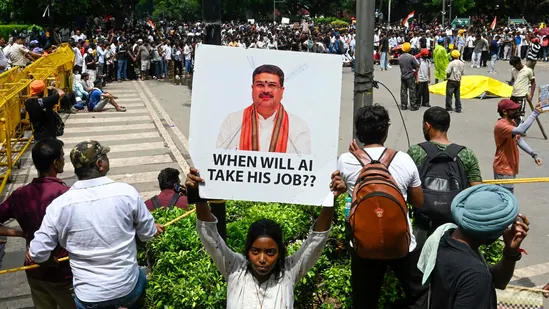
If you are not completely isolated from the outside world in India, you must have seen memes, posters, and artistic materials created by the 'Gen-Z' generation protesting against the leakage of the NEET exam question paper in the last few days.
Although the Cockroach Janata Party (CJP) is leading this protest, demonstrators across the country are using art as a powerful medium to express their dissatisfaction with the ruling Bharatiya Janata Party (BJP) and Prime Minister Narendra Modi.
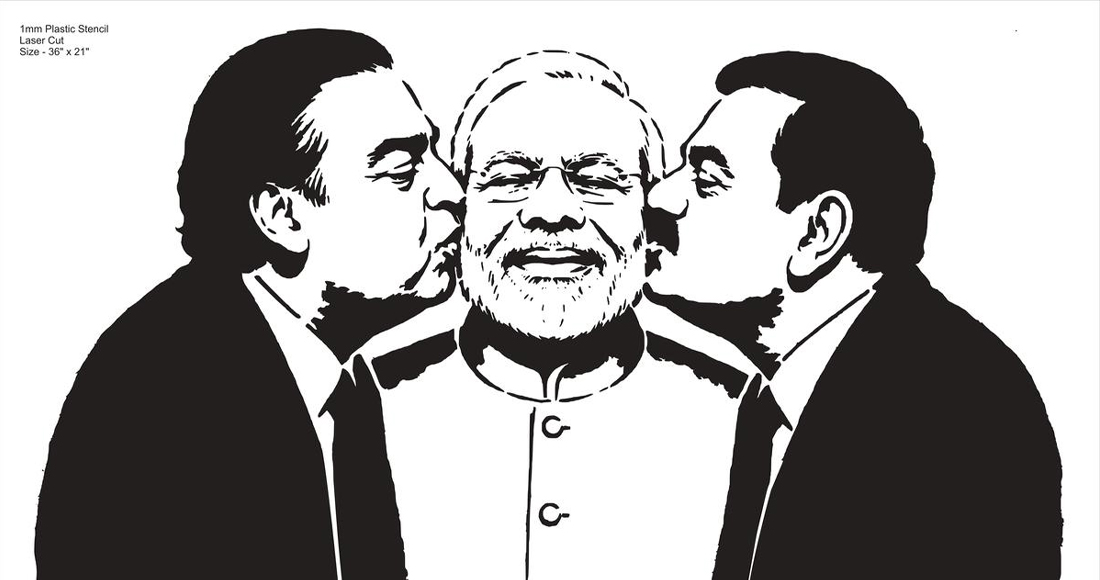
Among the most talked-about posters is a stencil showing Prime Minister Modi flanked by industrialists Gautam Adani and Mukesh Ambani, kissing the Prime Minister.
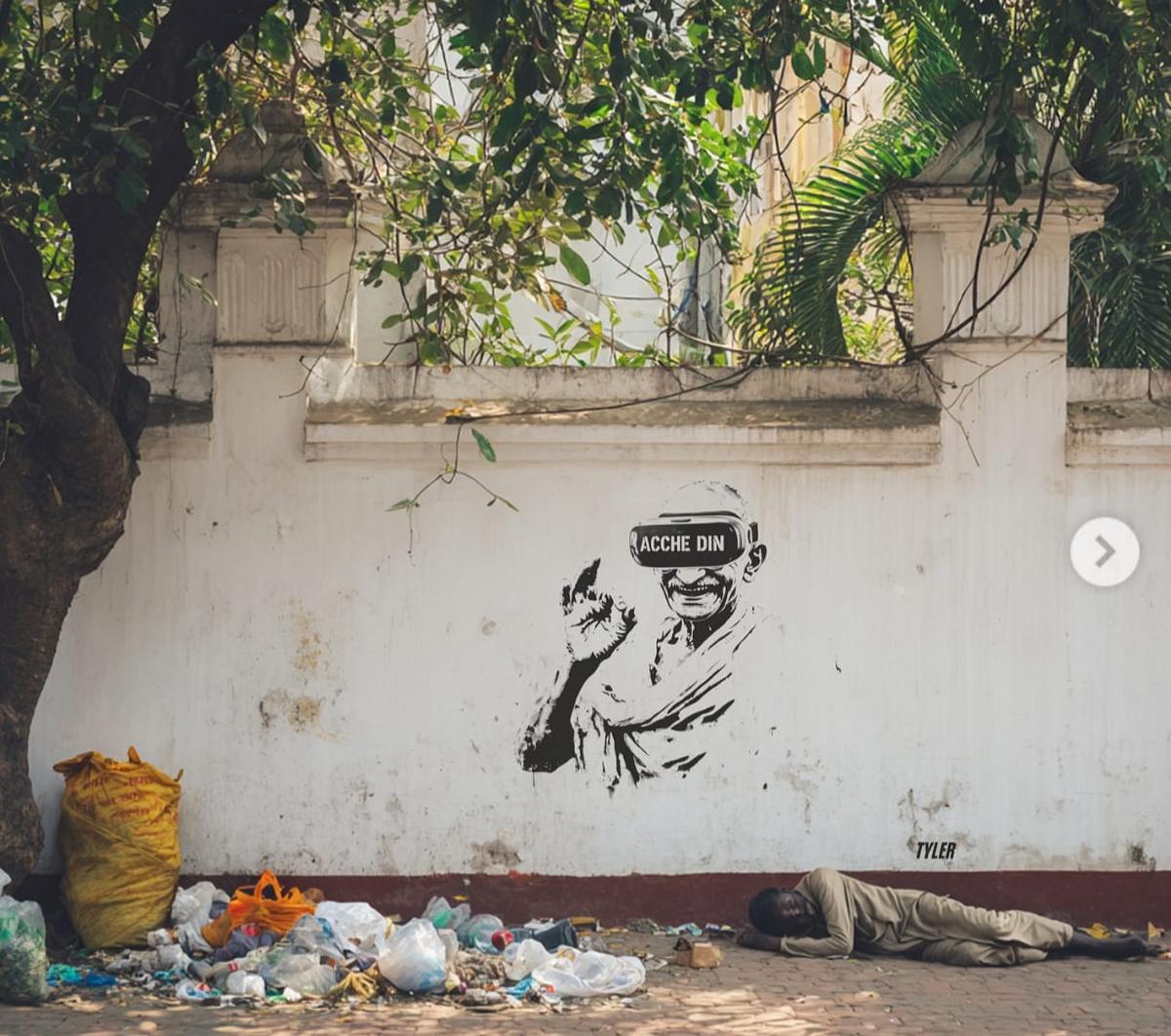
The creator of this poster is Tyler Street Art. He is also known to many as 'Mumbai's Banksy'. He uses graffiti and street art as a medium to raise issues of public concern.
- 'Street art is not just decoration'
In an interview given while keeping his identity secret, Tyler says, 'Street art was never just decoration. It provides a visual language for ordinary people to question power, challenge established narratives, and assert ownership in public spaces.'
Tyler, who has been creating street art since 2012, has been using public spaces as a canvas to initiate dialogue. His early creations warning of the distortions seen in a democratic system began to appear as early as 2019.
He prefers to keep his real identity secret. The reason is that he wants 'people to value the message of the art, not the artist.'
'There are no gatekeepers on the street'
According to Tyler, unlike in art galleries, the street does not decide what topic to raise. 'Unlike in galleries, there are no 'gatekeepers' on the street deciding which topic will get attention. A picture painted on a wall can travel much farther than that wall today, thanks to social media. Whether people agree or disagree with it, a dialogue has already begun. That's what I find most interesting.'
- 'When art became a tool for protest'
Tyler says he had an incredible experience seeing his poster featuring Modi, Adani, and Ambani go viral on social media and later being carried by students in a protest at Jantar Mantar in New Delhi.
He says, 'That was the moment when art was no longer just art; it became a tool for protest. Political movements often expand through symbols, and street art is a medium through which such symbols are naturally born.'
He adds, 'I created this to question the relationship between power and politics and big business. It was not my intention to make it an official symbol of the protest. But when people started carrying it themselves, its meaning became much broader than my initial intention. This is the greatest power of street art.'
According to Tyler, street art is different from art inside a gallery because it becomes the property of whoever encounters it, shares it, or interprets it in their own way.
- Censorship is also part of art sometimes
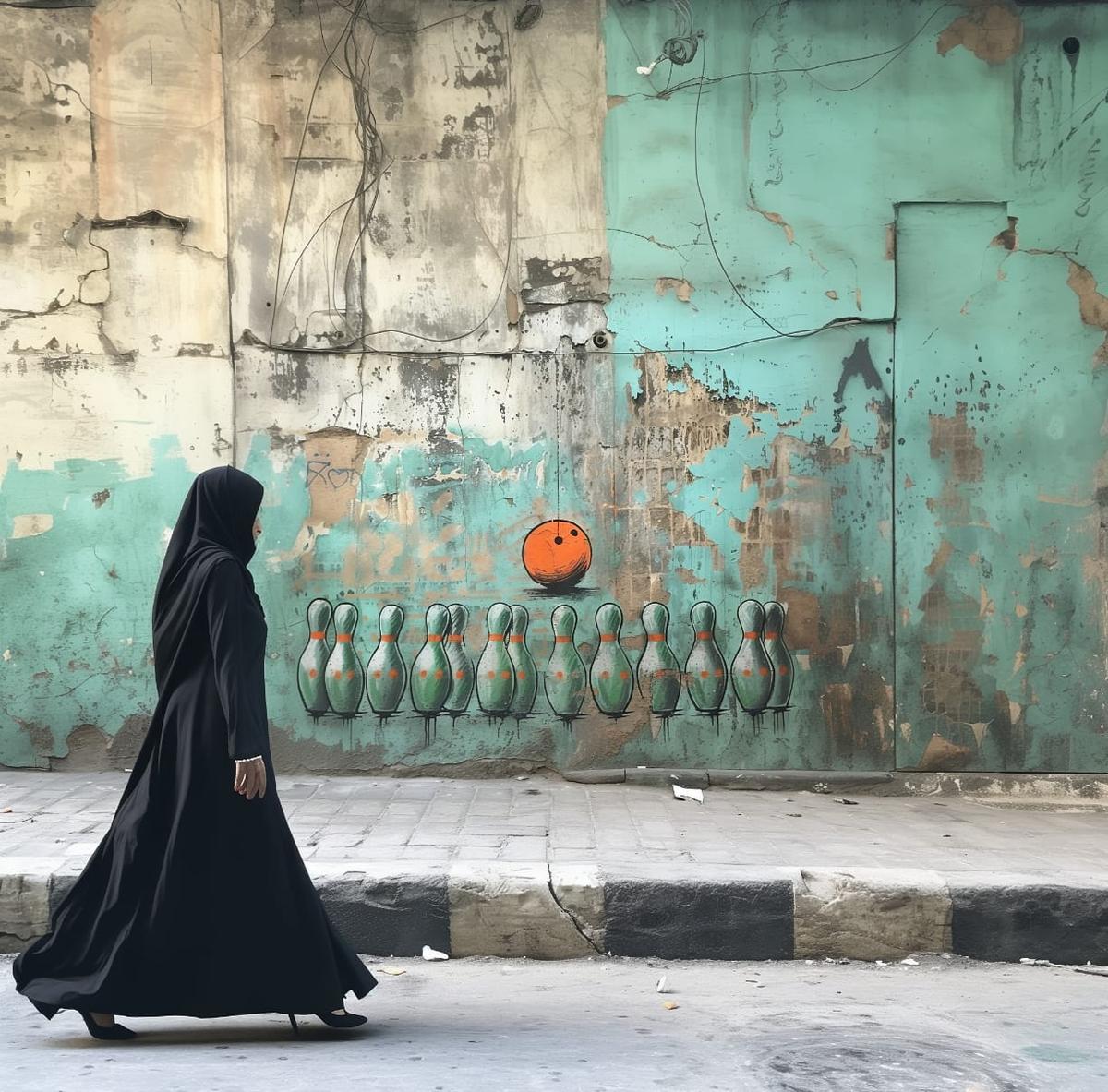
Tyler has the experience of many of his creations being erased, painted over, or removed over the years. But he does not consider it a defeat. 'This is natural when working in public spaces. I don't consider censorship the end of art. Sometimes it becomes part of the art's story. When a picture is removed, people start questioning why it was removed. In that sense, the reaction can be as meaningful as the original creation.'
He says this has made him more careful about where, when, and how he works, but his fundamental purpose of creating art has never changed.
- Posters freely available for the protest
To support the protest, Tyler has made prints of his posters available for free through Instagram.
According to him, 'Ultimately, art should provide solace to the oppressed and discomfort the powerful.'
This specific news has been automatically translated by AI. As a result, there may be some inaccuracies or language errors.