West Asia War Pushes Global Energy Market to Dangerous New Phase
NEW YORK. Analysts have warned that the ongoing war in West Asia has pushed the global energy market into a new and more dangerous phase. Although the global oil market has managed to maintain supply by adopting various alternative measures since the start of the war with Iran, most of these options are now weakening. This has raised concerns that crude oil prices in the international market could rise unprecedentedly, deepening global inflation and economic crisis.
Although oil prices rose significantly after the war began, they did not reach the level of 128 US dollars per barrel in 2022 or the historical record of 146 dollars reached before the 2008 global economic recession. However, energy market analysts say the current situation is much riskier than before. According to Helima Croft, global strategy chief at RBC Capital Markets, the war has decisively entered a more dangerous phase. She says the belief that the market will always find an alternative is now weakening.
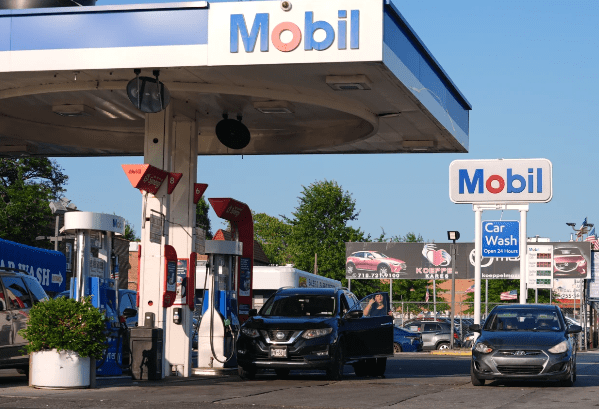
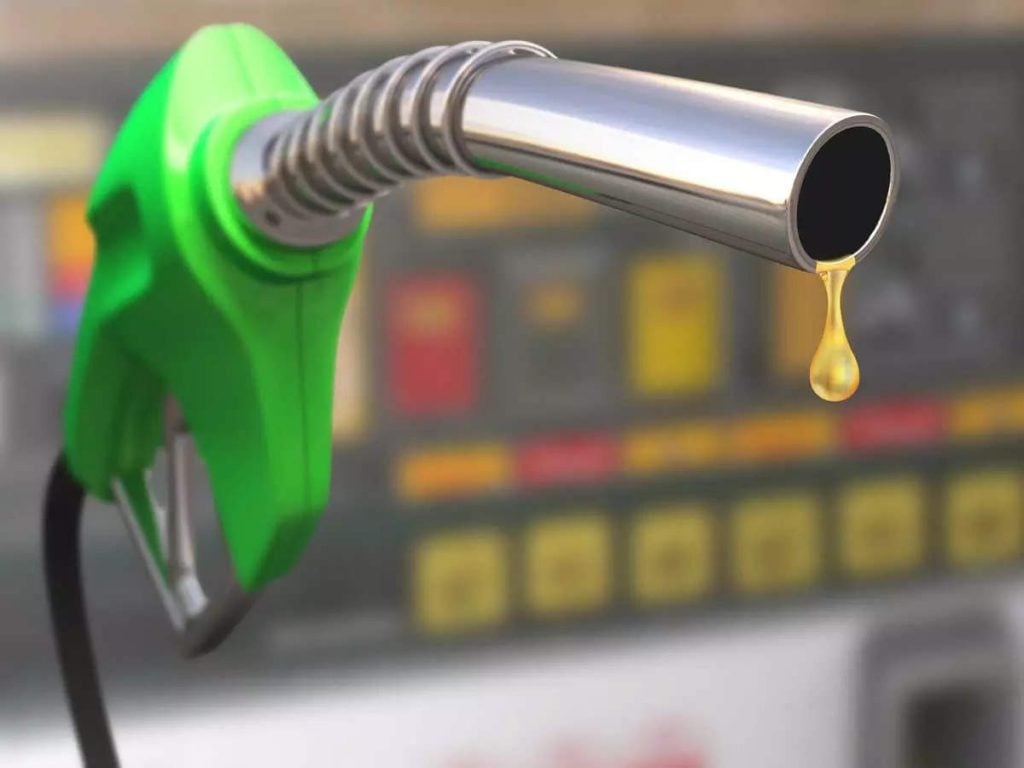
On Thursday, Brent crude oil prices in the international market exceeded 100 US dollars per barrel, the first time since May. The average price of gasoline in the US has risen above 4 US dollars per gallon, while the price of diesel has exceeded 5 dollars 20 cents. This indicates that inflation could accelerate again.
Previously, the biggest factor stabilizing the world market was the continuous supply of oil from West Asia. After Iran attacked the Strait of Hormuz, much oil was exported via pipelines from Saudi Arabia through the Red Sea. According to JPMorgan, about 7 million barrels of oil per day were sent through alternative routes via pipelines. But now that option is also at risk.
The blockade announced by Iran-backed Houthi rebels in Yemen in the Bab al-Mandab Strait has created problems for the supply of about 5 million barrels of daily oil from Saudi Arabia through the Red Sea. Although Saudi Arabia could divert oil to the Suez Canal, the world's largest oil tankers cannot pass through the canal due to its shallow depth. Even using smaller ships, the journey, normally four weeks, would extend to eight weeks, significantly increasing shipping costs.
The insurance sector is also facing new problems in oil transportation. After the war began, ships were traveling by paying high war risk insurance premiums. However, the London-based Lloyd's Market Association has now proposed new terms, stating that the insurance of ships paying fees for using the Strait of Hormuz to Iran could be automatically canceled.
Iran has announced plans to charge 1 to 2 US dollars per barrel from ships using the Strait of Hormuz. However, due to US sanctions, paying such fees is considered illegal, and insurance companies have stated they do not want to take that risk.
If ships pay fees to Iran, there is a possibility of losing all insurance coverage. On the other hand, Iran claims the right to attack ships that do not pay the fees, putting shipping companies in a very difficult situation.
Another reason for the deepening crisis in the energy market is the Russia-Ukraine war. After Ukraine launched drone attacks on Russian oil refineries and the Caspian Pipeline Consortium terminal in the Black Sea, fuel shortages in Russia have intensified. Russia has since banned diesel exports. Before the war, Russia exported about 800,000 barrels of diesel per day, which is about 12% of the world's diesel trade. This has further reduced diesel supply in the global market.
Similarly, the supply of about 1.7 million barrels of crude oil per day is also at risk due to the impact on pipelines operating through the Black Sea. With the alternative routes of the Strait of Hormuz also being blocked, this additional supply cut is analyzed to create significant pressure on the global market.
The amount of crude oil reserves worldwide is also rapidly decreasing. Before the war began, global oil storage was at historically high levels. However, about 1.3 billion barrels of oil have been depleted from global reserves in the last five months, according to Dan Pickering, chief investment officer at Pickering Energy Partners. The US strategic petroleum reserve, in particular, has fallen to its lowest level since 1983. Since last spring, the US has used 116 million barrels of oil from its strategic reserves, and only about 60 million barrels remain to reach the minimum limit set by law. Commercial oil reserves in the US are also close to the minimum operable level. Experts say that in such a situation, even normal oil flow through pipelines will be difficult. President Donald Trump himself warned in June that the economy would face a major crisis if such a situation arose.
Previously, during the temporary ceasefire in June, more than 200 million barrels of oil were successfully extracted from the Strait of Hormuz, providing some relief. But now, that opportunity is also gone. According to the analytical firm Kpler, there are only 44 oil tankers currently inside the Strait, whereas before the ceasefire, there were 97 ships.
China, the world's largest oil importer, had stored a large amount of oil before the war began, so it did not have to import much at high prices in recent months. This is why demand in the global market remained relatively low. However, analysts say that China cannot rely on its own reserves indefinitely. According to JPMorgan, China may have only about three to four months of stored oil left. After that, it will have to increase imports significantly again.
For this reason, analysts conclude that the global oil market is currently in a race against time. Although prices appear to be under control due to slightly lower demand, risks on the supply side are continuously increasing. If the current situation does not change, crude oil prices in the international market are expected to rise even more sharply. Dan Struyven, head of oil research at Goldman Sachs, said that crude oil prices could rise above the 2022 high of 120 US dollars per barrel by next October.
Helima Croft of RBC Capital Markets warned that if a full regional war breaks out in West Asia, crude oil prices in the international market could set new records, rising above 150 US dollars per barrel. Analysts conclude that in such a scenario, the global economy could once again face the serious risks of high inflation, energy crisis, and economic recession.
This specific news has been automatically translated by AI. As a result, there may be some inaccuracies or language errors.