Ebola Outbreak in Congo Claims Over 1,000 Lives in Just Over Two Months, Exceeding 2014/2016 Epidemic Speed
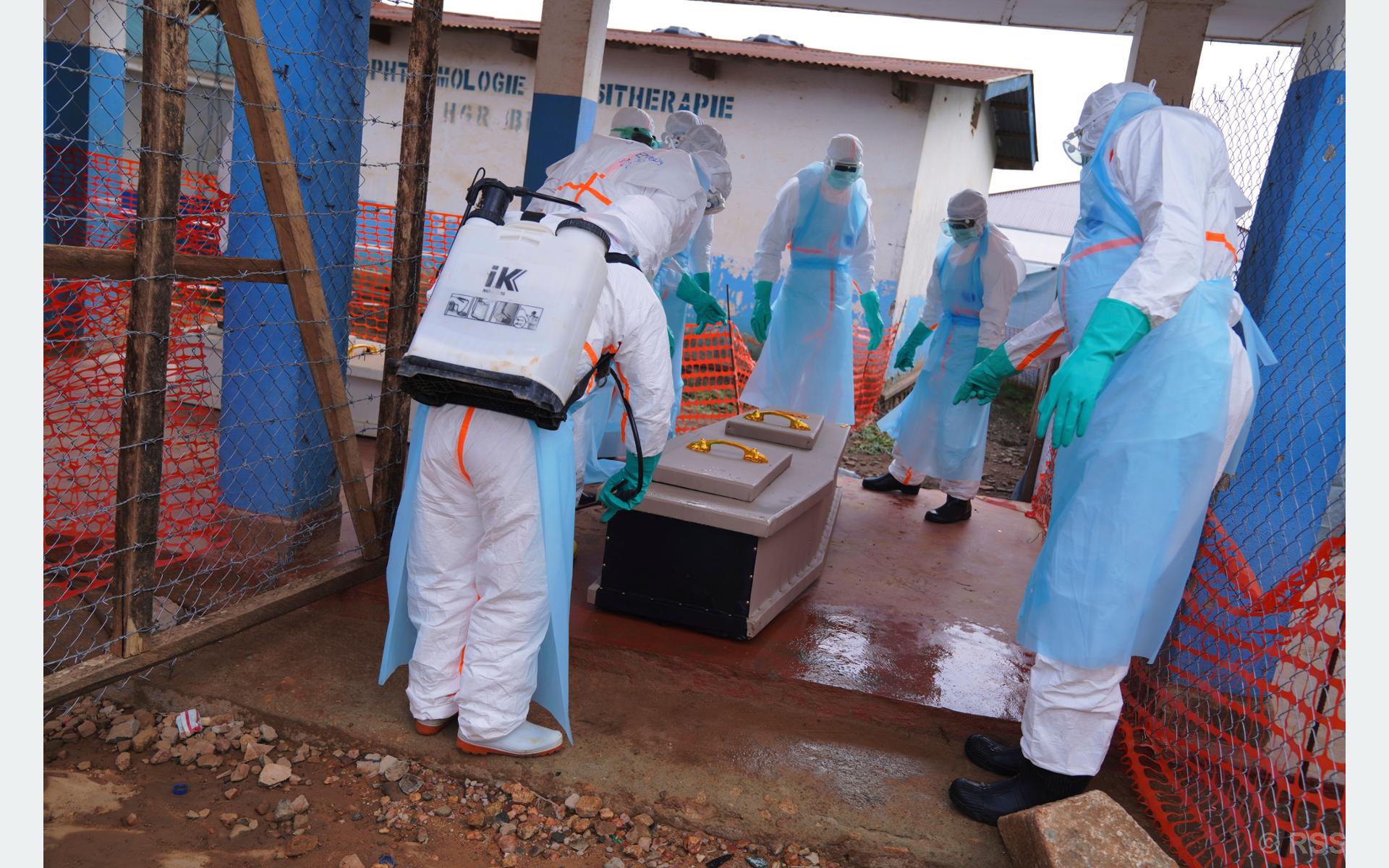
Kathmandu. The Ebola outbreak in Congo has claimed the lives of more than one thousand people in just over two months. Statistics show that this pace is nearly three times faster than the most severe Ebola epidemic in history in 2014/2016, causing further concern among health officials.
According to the Ministry of Health of Congo, as of Tuesday, 2,536 infections have been confirmed in the current outbreak, and 1,033 people have died. This outbreak was officially declared on May 15.
In the 2014/2016 epidemic, there were over 28,000 infections and more than 11,000 deaths. At that time, it took about eight months for 1,000 deaths to occur since the first infection appeared. However, in this year's outbreak, that number has been reached in just over two months. Similarly, the figure of 2,500 infections has also been reached about three times faster compared to the previous epidemic.
According to the World Health Organization, Ebola disease is spread by various types of viruses in the Ebola virus family. Among them, Ebola virus, Sudan virus, and Bundibugyo virus cause major outbreaks.
This year's outbreak is caused by the Bundibugyo virus. As this is a rare type of virus, there is no approved vaccine or effective treatment available. The 2014/2016 epidemic was caused by the most common Ebola virus.
The current outbreak is mainly limited to Congo. Although some infections have appeared in Uganda, most affected areas are concentrated in five provinces in eastern Congo bordering Uganda.
In contrast, the 2014/2016 epidemic spread to many countries in West Africa, including Liberia, Sierra Leone, and Guinea. At that time, a limited number of infections were also confirmed in the United States and Europe.
The current outbreak has a mortality rate of about 40 percent so far. Health officials say that deaths have increased because most patients reached health facilities late after symptoms appeared. In the previous epidemic, the mortality rate reached about 66 percent.
According to the US Centers for Disease Control and Prevention (CDC), among the Ebola virus family of viruses, the Ebola virus is considered the most deadly. It is mentioned that if left untreated, there is a risk of death for up to 90 percent of those infected.
Health officials have warned that the current outbreak has not yet reached its peak. According to them, the source of the first infected person has not yet been identified. The fact that most new infections are found outside the contact list of those under surveillance, as well as delays in identifying the virus type, has made controlling the outbreak more challenging.
The 2014-2016 Ebola epidemic lasted for about three years. Although the first infection appeared in December 2013, the outbreak was confirmed only in March 2014 and was declared over in June 2016.
This specific news has been automatically translated by AI. As a result, there may be some inaccuracies or language errors.