Government Declares All Meter-Interest Related Documents Invalid, Faces Implementation Challenges

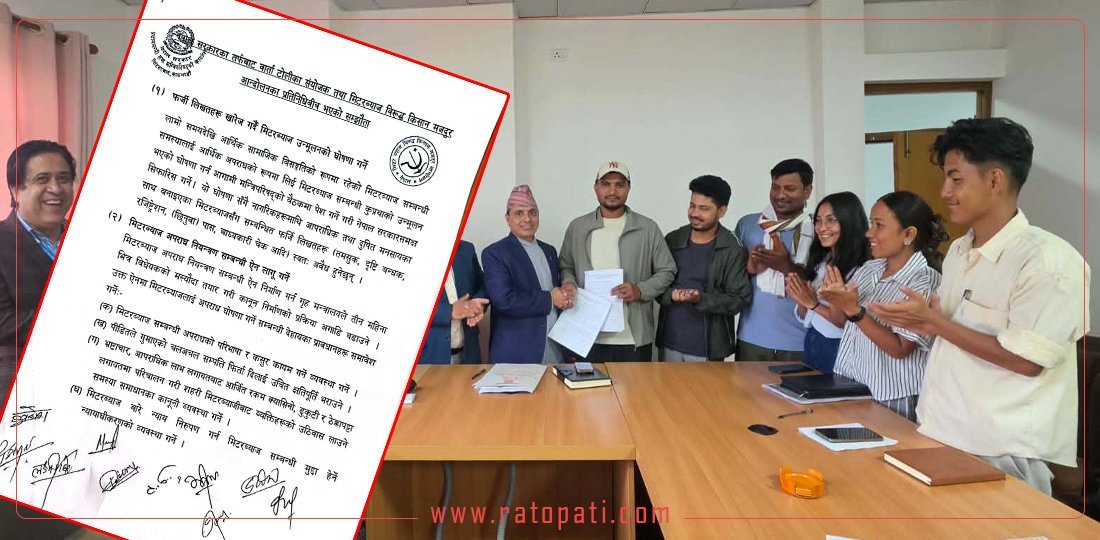
Kathmandu. The government has decided to declare all types of documents related to metered interest invalid as per the agreement reached with the metered interest victims. However, challenges are seen in its implementation.
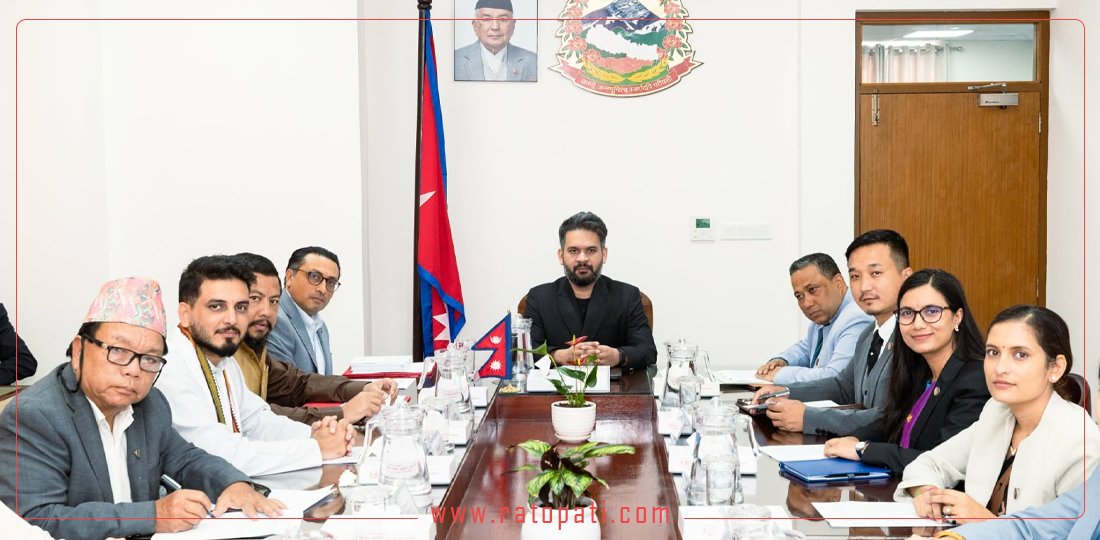
The Council of Ministers meeting held on Wednesday approved the agreement reached between the victim side and the government negotiation team on Shrawan 1 and made such a decision.
According to government spokesperson and Minister of Education Sasmita Pokharel, 'Kapali Tamasuk', 'Drishtibandha' or any other form of documents prepared with the objective of taking metered interest will no longer have legal recognition.
While this announcement by the government sounds simple, its legal implementation and conflict with established precedents appear quite complex.
According to a general principle of law, no new rule or decision is 'retrospective' (effective from a past date). The main question is to what extent the government's decision will affect past documents.
If someone made a Tamasuk 10 years ago, the decision today would automatically consider it invalid, which could raise questions about its 'legal tenability' in court, according to advocate Tulsiram Pokharel. He stated that the government's decision could create complications later.
Meter-lenders do not directly write 'metered interest' and create Tamasuk. When lending, they create 'Kapali Tamasuk' for three to four times the actual amount or get land 'Rajinama Pass' (sale and purchase) in lieu of the loan.
If the land has already been passed through the Land Revenue Office, the burden of proving that it was 'for metered interest' will be on the victim. Legal practitioners say that a single decision of the Council of Ministers cannot nullify a document registered through the Land Revenue Office and the Civil Code. They argue that a court order or special legal provision is necessary for that.
The Civil Code, 2074 BS, recognizes transactions between individuals and has a provision not to charge more than 10 percent interest. The government's current declaration of 'all documents invalid' creates ambiguity about what will happen to those who have engaged in legitimate transactions. With the 'Act on Unjust Transactions (Metered Interest)' already in place, the lack of a concrete basis to distinguish between which document is 'metered interest' and which is 'ordinary transaction' will make implementation difficult for the bureaucracy and police administration.
According to the Constitution of Nepal, the judiciary has the final authority to interpret property rights and contractual disputes. Even if the Council of Ministers decides that 'documents will not be valid', if the lender files a case in court based on that document, legal practitioners argue that the court will give more importance to the prevailing law and the technical aspects of the document than the government's administrative decision. They also state that this increases the risk of conflict between the executive and the judiciary regarding their jurisdictions.
Recently, meter-lenders have been keeping 'blank checks' instead of Tamasuk and later filling in large amounts and filing 'check bounce' cases. It is still unclear how the government will include 'checks' within the definition of 'documents' and what impact this will have on banking offense cases.
The government's approval of the Shrawan 1 agreement to provide relief to the victims is positive, but to legally nullify these documents, the report of the 'Commission for Investigation of Unjust Transactions' and the existing laws need to be further strengthened.
According to advocate Bikash Bhattarai, land will not be returned or Tamasuk torn simply by a decision of the Council of Ministers. For this, each case needs to be analyzed 'case-by-case' and a final decision must be made through the District Administration Office or the court.
Bhattarai stated that the government needs to bring a clear 'procedure' along with this announcement, otherwise, there is a risk that this decision will not be implemented and will remain merely a political slogan.
This specific news has been automatically translated by AI. As a result, there may be some inaccuracies or language errors.