Nepal Implements Strict Entry Conditions for Imported Mangoes from China

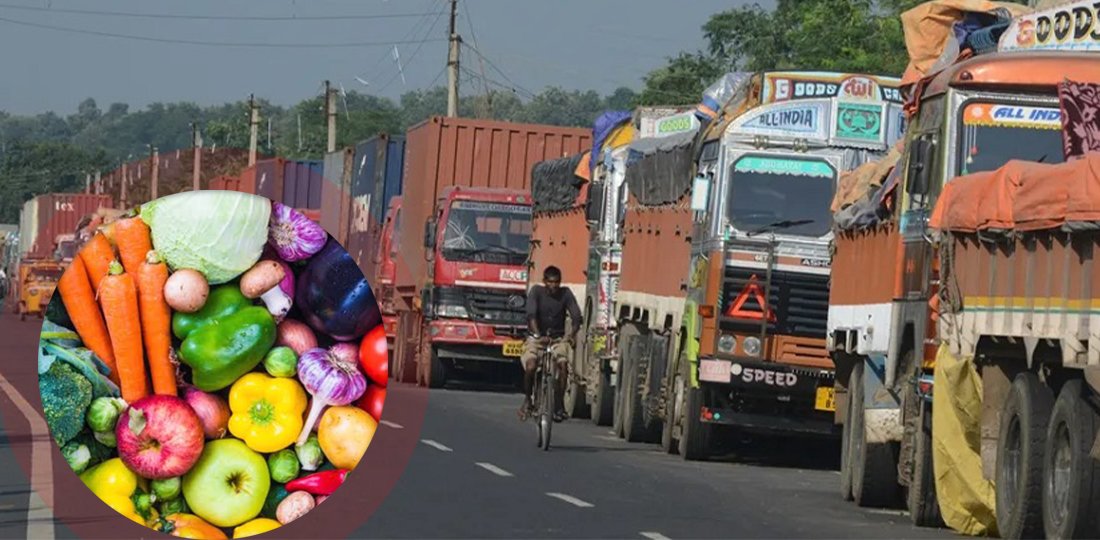
Kathmandu. The Government of Nepal has been implementing various strict conditions at the border points to protect the country's agricultural sector, biosecurity, and food system from the invasion of foreign and high-risk pests.
In this regard, the Plant Quarantine and Pesticide Management Center has implemented new and strict entry conditions for fresh mangoes imported from China based on risk analysis. Previously, similar regulations and strictness have been imposed on the import of various food items and fruits including banana, mango, melon, almond, coriander, and avocado into Nepal. Officials have clarified that this move by the government aims to establish a safe and organized trade system rather than a complete import ban.
According to Prakash Poudel, Senior Plant Protection Officer at the Plant Quarantine and Pesticide Management Center, the new conditions for fresh mangoes imported from China were formally implemented last Tuesday.
This step has been taken to prevent the entry of high-risk pests, which are not present in Nepal and can cause serious damage to its native crops, into the country. According to the new standards, the risk of more than 27 dangerous pests has been identified in mangoes coming from China. Among these identified risks, 8 pests and diseases are listed as banned in the Nepal Gazette, while the rest have been identified as new potential risks.
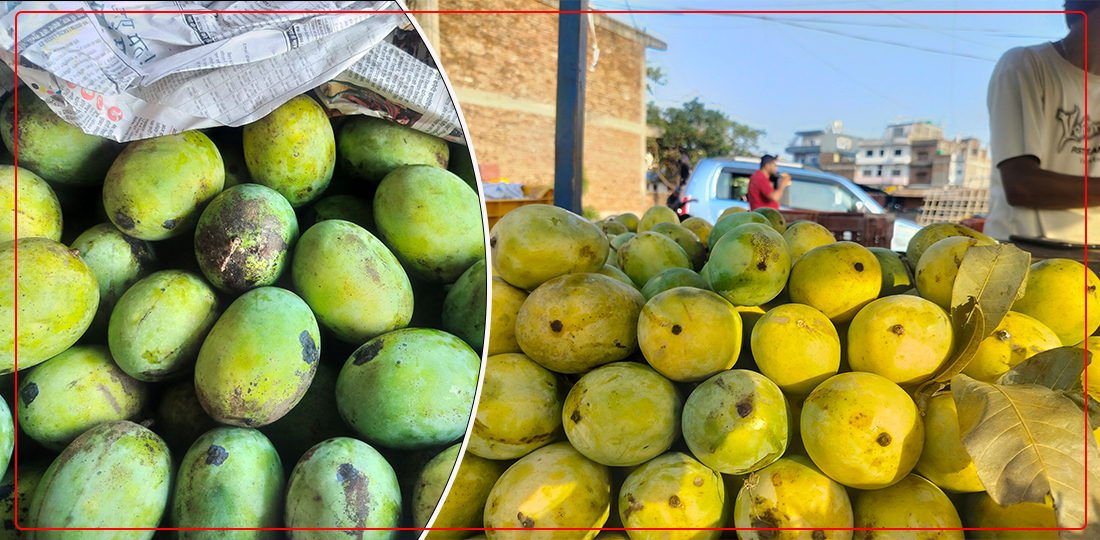
According to Poudel, Nepal has its own unique ecosystem, and when foreign pests arrive in a new and favorable environment here. Such harmful pests are omnivorous, so if pests dependent on one crop cannot find that crop, they can destroy other crops as well. Pests entering through coriander, avocado, almond, or mango can pose a threat of completely destroying other vegetables, fruits, and stored grains in the farmers' fields.
What are Nepal's Pests?
The 19 new pests regulated and monitored by the Plant Quarantine include organisms considered extremely harmful to the agricultural system. These new risks include Hemisphaerical scale, Jack beardsley mealybug, Passionvine mealybug, Pomegranate scale, Mango scale, Canker of the Almond, Brown spot mango, Neofusicoccum mangiferae, Neofusicoccum parvum, Pestalotiopsis clavispora, Lasiodiplodia brasiliensis, Lasiodiplodia iraniensis, Lasiodiplodia pseudotheobromae, Colletotrichum siamense, Colletotrichum tropicale, Colletotrichum asianum, Colletotrichum carsti, Colletotrichum queenslandicum, and Mango black spot. Special vigilance is being exercised at the border crossings considering the threat posed by the entry of these microorganisms.
According to Quarantine, this new arrangement is a matter of life and death for protecting Nepal's agriculture, biosecurity, and food system from foreign pests, according to agricultural experts. Once banned pests enter and establish themselves in the country, controlling them will incur significant financial costs and severely impact fruit production and overall biodiversity.
Previously, the Plant Quarantine had imposed similar strict conditions on coriander imported from China and avocado from Uganda after serious pests and diseases were found during market surveillance. Similarly, regulations have been tightened on bananas imported from India due to Panama disease (TR-4) and on mangoes due to harmful pesticides and pest risks.
What is the Legal Provision?
Strong legal provisions are in place in Nepal to protect the country's agricultural sector and biodiversity from external pests. In this context, the Plant Quarantine and Protection Act, 2064, and the Plant Quarantine and Protection Regulations, 2066, serve as the primary basis.
These laws assign the responsibility of regulating, securing, and making the import of plants, plant products, and agricultural materials entering Nepal systematic, safe, and scientific to the Plant Quarantine and Pesticide Management Center. Section 7 of the Act contains special provisions regarding entry permits, making it a legal obligation to obtain an entry permit before importing agricultural produce from any foreign country.
According to Roshan Adhikari, Senior Plant Protection Officer at the Plant Quarantine and Pesticide Management Center, the most important technical process when importing any new agricultural material is pest risk analysis. This analysis is conducted entirely based on scientific facts and international standards. When an importer applies to bring in a new item, the center's technicians conduct a comparative study between the pests in the producing country and Nepal's biological environment. In this complex process, the severity of bacteria, viruses, fungi, or insects that may accompany the imported material is assessed, and their impact on local crops is evaluated.
How is Risk Analysis Conducted?
The scientific work of risk analysis is primarily based on three aspects. The first aspect involves the identification and classification of pests. Accordingly, it is determined whether the active pests in the producing country are already present in Nepal or not. The second aspect evaluates the possibility of these potential pests adapting to Nepal's climate and spreading.
The third and most sensitive aspect involves a deep study of the economic and environmental damage that would occur to the agricultural system, biodiversity, and rural economy if these organisms enter Nepal. Only after scoring and studying all these aspects is a decision made whether to allow the import of the item or not.
If the risk is found to be high after the risk analysis, such organisms are placed on the quarantine pest list, and a condition is imposed that these organisms must be completely absent in the imported material. According to Senior Plant Protection Officer Roshan Adhikari, this condition must be certified by the National Plant Protection Organization (NPPO) of the exporting country. The exporting country must issue a 'Phytosanitary Certificate' stating that the materials sent comply with the specific conditions set by Nepal and are free from pests. This means that Nepal is not imposing a complete import ban but is only seeking compliance with the necessary minimum quality and safety standards.
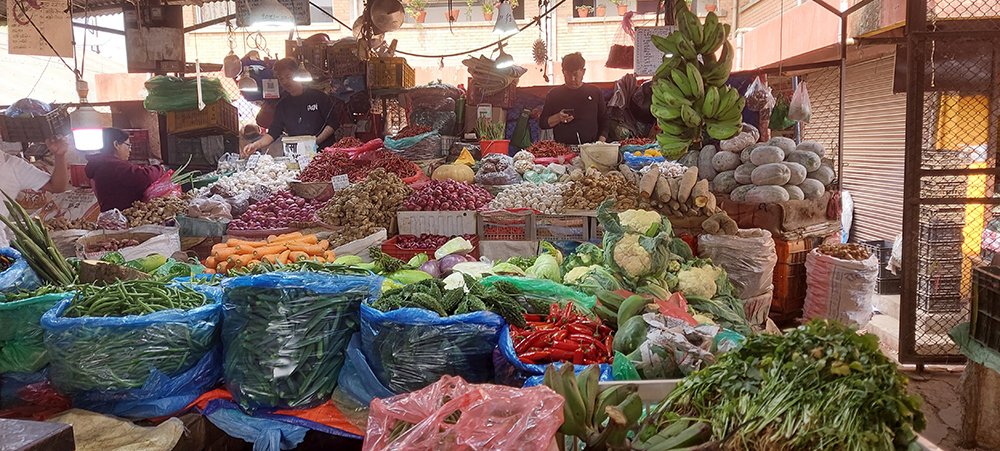
The Center takes special precautions when importing planting materials such as seeds and seedlings. Since there is a high possibility of pests accompanying and spreading in materials that are directly planted or germinated in soil, the risk analysis for such propagating materials is very strict. However, even for fruits or vegetables brought for consumption, the risk is not zero, as such materials can come into contact with the soil or farming areas and transmit diseases to local crops. Since materials brought as industrial raw materials can also cause epidemics by leaking into the market or reaching fields, the quarantine office must also conduct a micro-assessment of them.
Risk Analysis of Over 500 Products, Physical Inspection at Border Crossings
Currently, more than 10,000 types of agricultural and plant-based materials are imported into Nepal from various countries. It is technically and managerially almost impossible to conduct pest risk analysis for all these materials simultaneously and overnight. Therefore, the Center has adopted a policy of analyzing items gradually and based on priority. According to officials, the Center has completed risk analysis for about four to five hundred items and determined the necessary conditions, and this list is continuously expanding based on market demand and online applications. This phased system is essential to scientifically address the demands of importers.
Nepal is effectively using the 'National Single Window System' to strengthen biosecurity while facilitating international trade. Importers must apply online through this digital system before bringing in any agricultural product. Upon receiving the application, technicians review the risk level and conditions and issue an entry permit online if deemed appropriate. When the materials arrive at the border, the importer must request further inspection, and quarantine officers deployed at the border proceed with the physical inspection and testing of the dispatched materials.
During inspections at the border, quarantine inspectors collect samples from imported containers or vehicles according to the prescribed standards. The collected samples are subjected to primary testing in laboratories at the border, and if suspicious symptoms are observed, they are sent to the central laboratory for detailed testing. Until the official report from the laboratory is received, the consignment is kept safely at the border. Only if the test results are positive and the specified conditions are met is the material allowed to enter Nepal. If harmful or banned pests are found, such materials are either returned from the customs point or destroyed according to the law.
Not a Complete Ban
Conducting a risk analysis for a single item requires studying hundreds of pages of scientific research and international databases. There is a risk of the entire country's agricultural production being devastated if permits are issued without analysis in haste. According to Quarantine, the extensive damage caused by past outbreaks of pests like the Fall Armyworm or Tuta absoluta in tomatoes is an example of this. This strictness is essential to prevent the entry of new pests and diseases in an area where the livelihoods of millions of farmers are connected.
The technical strictness observed in the import process or the delays in inspections at the border should not be misunderstood as a 'complete ban.' This is merely a regular and mandatory technical step taken to protect Nepal's agricultural system from external infectious diseases. Under the World Trade Organization's Agreement on the Application of Sanitary and Phytosanitary Measures, any country has the right to adopt such legitimate measures to protect its biodiversity.
Nepal is also firmly implementing this policy to secure the future of its agriculture within the framework of international treaties, agreements, and national laws.
This specific news has been automatically translated by AI. As a result, there may be some inaccuracies or language errors.