Hungary's President Tamas Sulyok Resigns After Constitutional Amendment

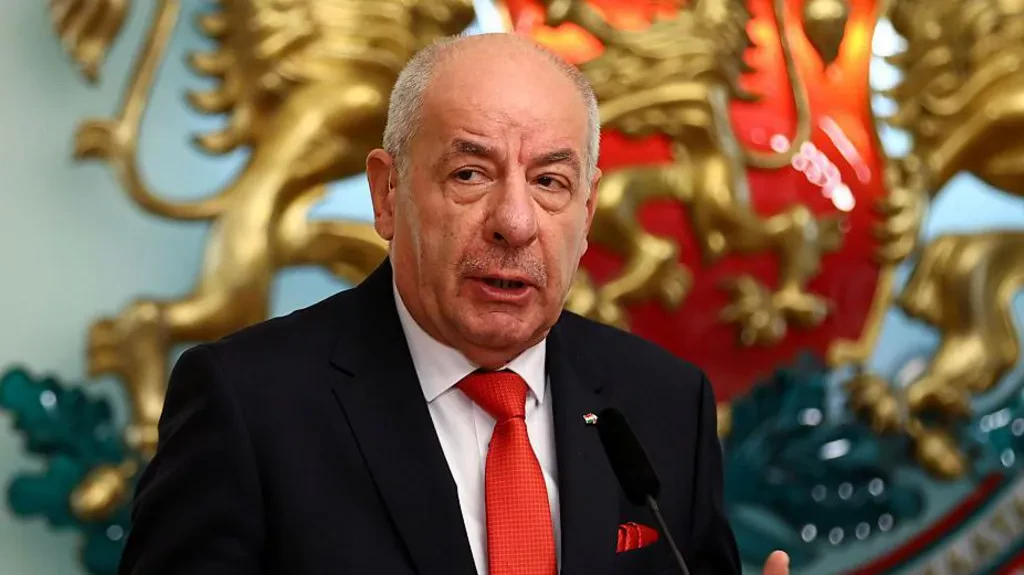
Budapest. Hungary's President Tamas Sulyok has agreed to step down from his post from midnight on Sunday by signing the constitutional amendment passed by parliament. The Tisza party, led by Prime Minister Peter Magyar, had initiated the process to remove Sulyok by passing a constitutional amendment in parliament.
Sulyok was considered a close associate of former Prime Minister Viktor Orban. Orban's 16-year rule ended in the April elections. According to the constitution, Sulyok had five days to sign the amendment. If he did not sign, there was a risk of a long constitutional crisis in the country and the initiation of impeachment proceedings. He signed the amendment before the final deadline expired on Saturday evening. However, in a statement issued, he accused the government of Prime Minister Magyar of violating the rule of law. He described the amendment as a decisive turning point for Hungary's constitutional democracy, commenting that the fundamental values of an independent society had been trampled for political power.
The Tisza government, which came to power with a large majority in April, had been continuously demanding Sulyok's resignation, calling him a puppet president influenced by the previous government. After taking office, the government has pushed for extensive constitutional amendments. Meanwhile, former Prime Minister Viktor Orban has called on his supporters to protest against the amendment to remove Sulyok, calling it a dictatorial move.
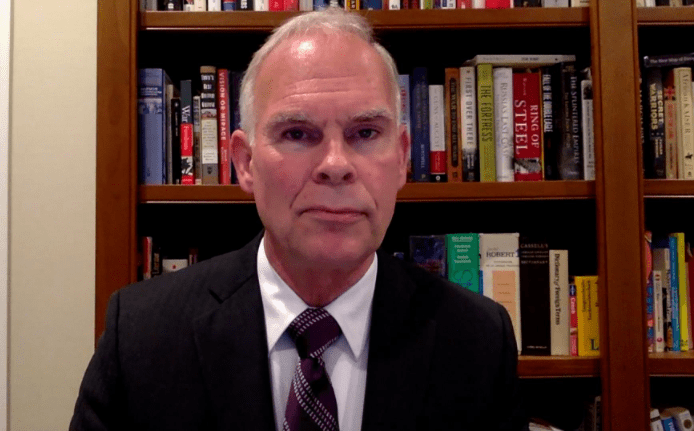
Orban's Fidesz party, which ruled from 2010 to 2026, has been accused of appointing its supporters to many independent state institutions using its two-thirds majority. After the amendment was passed in parliament, 141 MPs from the Tisza party welcomed it by standing and applauding. Andras Baka, former president of Hungary's Supreme Court, told the BBC that he agreed with the decision to remove the president.
According to him, although the rule of law prevailed in Hungary from 1989 to 2010, Fidesz had since taken control of state institutions and built an authoritarian system of governance. Baka said, 'It is very difficult to dismantle such a complex authoritarian structure built to persist even after losing elections,'.
This specific news has been automatically translated by AI. As a result, there may be some inaccuracies or language errors.