Daily Habits Weakening the Heart

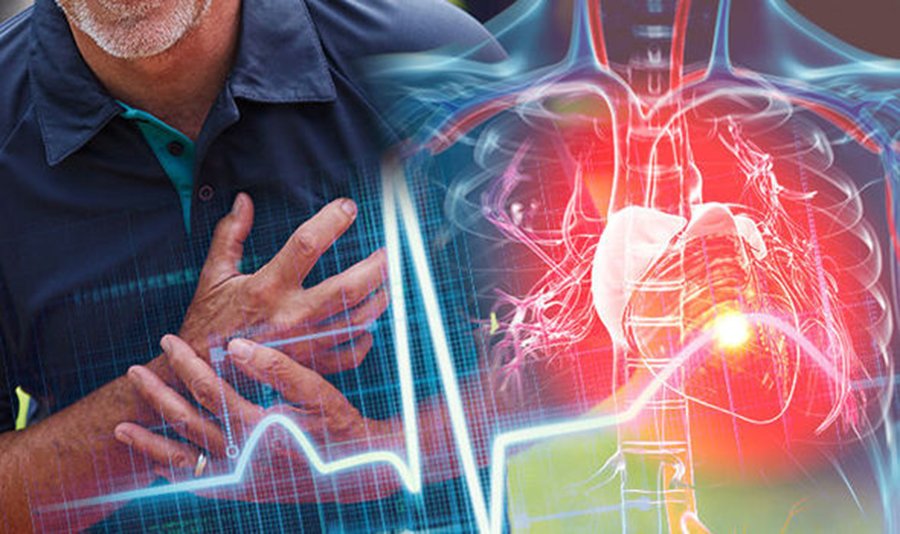
Kathmandu. Heart disease does not come suddenly with age. Rather, it comes due to a person's habits. Which harms the heart for a long time.
The heart weakens silently, not by making noise. Most people pay attention to cholesterol or blood pressure but do not improve their daily habits. Some of our daily habits are truly weakening the heart, so it is important to change these habits.
Snoring Habit
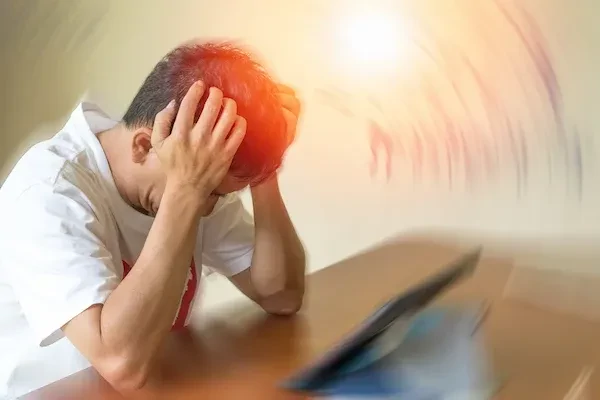
Snoring is not just a sleep problem. Doctors say it can be a symptom of heart problems. Loud snoring and difficulty breathing reduce oxygen at night and increase blood pressure, which increases stress on the heart. In such a situation, snoring, daytime fatigue, and headache are danger bells.
5 Hours of Sleep
If you sleep less than 6 to 7 hours a day and sleep at odd hours, hormones that increase blood pressure, sugar, and stress increase. Night shifts and the habit of scrolling on the phone late at night silently add years of burden to the heart. Doctors say sleep is not a luxury but rather heart care.
Taking Stress Lightly
It is okay to have stress sometimes. But if stress is constant, it keeps hormones high, increases blood pressure and inflammation. It increases unhealthy eating and smoking. In such a situation, one day of stress is not a danger. But never-ending stress is truly dangerous for heart health.
Medicine for Every Pain
Frequent use of pain relief medication can increase blood pressure. It increases the risk of heart attack and stroke. People who already have heart problems are at high risk.
Gum Problems
Doctors say that gum problems or bleeding gums increase inflammation in the body and are linked to the risk of heart disease. Therefore, proper dental care is necessary.
Always Sitting
Sitting is being called the new smoking. Sitting continuously for 8 to 10 hours slows down the body's metabolism. It increases the risk of cholesterol and diabetes, and increases the risk of heart problems. Therefore, walking for 2 minutes every 30 minutes is important.
(Disclaimer: This content, including advice, provides general information only, always consult with a specialist or your doctor for further information.)
This specific news has been automatically translated by AI. As a result, there may be some inaccuracies or language errors.