US Launches New Airstrikes on Iran in Hormuz Strait Amid Escalating Tensions
Kathmandu. While US President Donald Trump is warning of further severe military action if Iran does not return to negotiations, the United States launched new airstrikes targeting Iran's military capabilities in the Hormuz Strait on Wednesday. This has intensified the direct military confrontation that had stopped about a month ago after the US-Iran understanding.
According to the US Central Command, the attack started from 19:00 GMT. It stated that the action was focused on Iranian military structures and capabilities being used to endanger ships moving freely through the Hormuz Strait.
The US military also claimed to have neutralized an empty oil tanker with a Hellfire missile that was trying to break the naval blockade imposed on Iran's port. The US Central Command stated that the ship, named 'M/T Belmah', flying the flag of Curaçao, has been neutralized and can no longer proceed towards Iran.
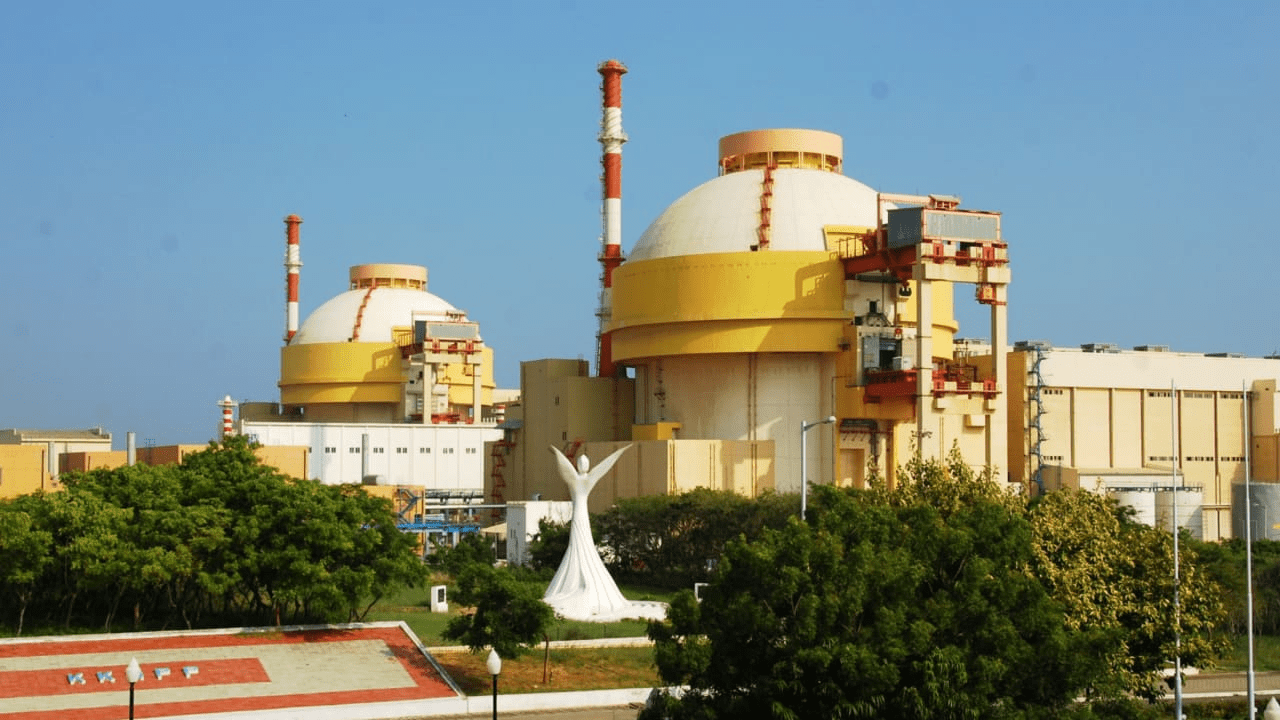
Iranian state media reported explosions in southern regions including Bandar Abbas, Rask, Chabahar, Qeshm, Bandar Imam Khomeini, and Bushehr. It was also claimed that US attacks occurred around Iran's only civilian nuclear power plant in Bushehr.
Both sides have re-engaged in military confrontation barely a month after a memorandum of understanding was signed between the US and Iran with the aim of ending the war in the Middle East. Iran's Revolutionary Guards stated that they targeted the US Fifth Fleet in Bahrain.
Following this, air sirens were sounded in Bahrain. Jordan stated that it shot down three missiles fired from Iran, while Kurdish security forces reported that the US-led coalition shot down eight explosive-laden drones in the Erbil region of Iraq. No human casualties have been confirmed in the incident.
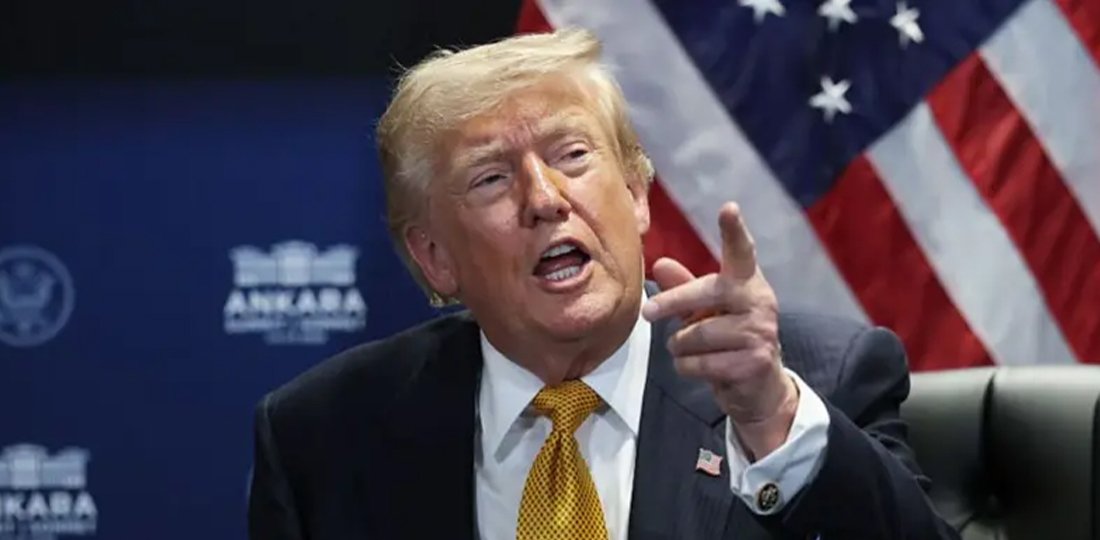
President Trump has warned that if Iran does not return to negotiations, attacks on infrastructure such as power plants and bridges could occur from next week. However, the ongoing negotiations mediated between both sides have not formally ended. Iran's chief negotiator Mohammad Bagher Ghalibaf said that as long as the provisions of the memorandum of understanding are not implemented, it has no meaning, and there is no basis for Iran to comply with it.
The Hormuz Strait has once again become the center of this tension. This strait is considered a very important route for global energy supply. Iran had closed the strait after the war began in February.
Although it was opened for some time after the interim agreement last month, Iran had announced that it would keep it closed again as long as US attacks continued. According to maritime tracker Kepler, ship traffic through the waterway has significantly decreased, and with the recent tension, oil prices in the international market have also started to rise.
Iran's Deputy Foreign Minister Kazem Gharibabadi commented that the US re-imposition of the naval blockade on Iranian ports has rendered last month's interim understanding ineffective.
With the escalation of the war, the fear among ordinary people in Iran and the Gulf region has increased. Local residents in southeastern Iran have stated that due to continuous explosions, children are unable to sleep at night. A Sudanese national living in Kuwait also reacted that they have to wake up every morning with the worry of whether the situation will worsen.
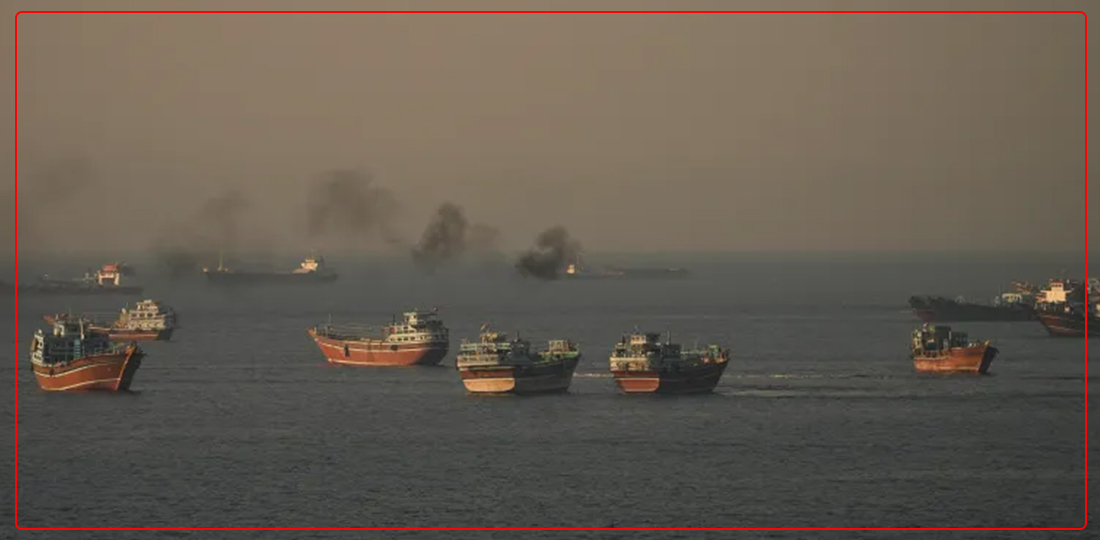
Meanwhile, the crisis response company MTI Network reported an explosion on a Norwegian oil tanker near the coast of Oman. Kuwait has reported that four crew members were injured in a drone attack on one of its naval ships.
President Trump stated that the previous plan to impose a 20 percent tax on ships transiting through Hormuz has been postponed, and instead, a policy of trade agreements with Gulf countries is being pursued.
According to the Iranian government spokesperson, at least 30 people have died in US attacks since last week. Meanwhile, the US military has warned the Iranian leadership that if further attacks occur, severe military retaliation could also come from Israel.
This specific news has been automatically translated by AI. As a result, there may be some inaccuracies or language errors.