Only 37 Liver Transplants in 10 Years at National Transplant Center

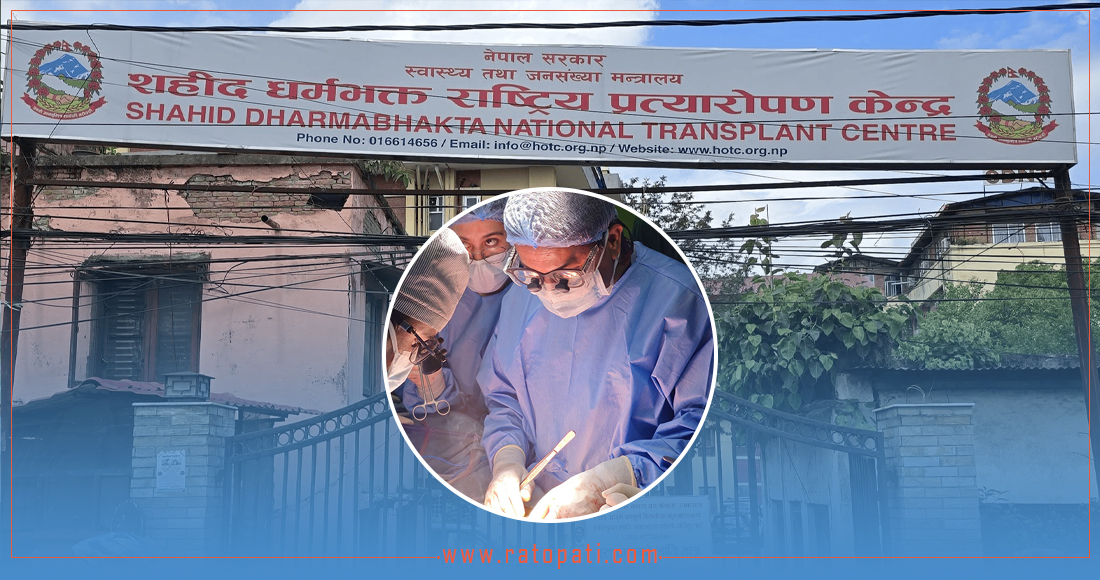
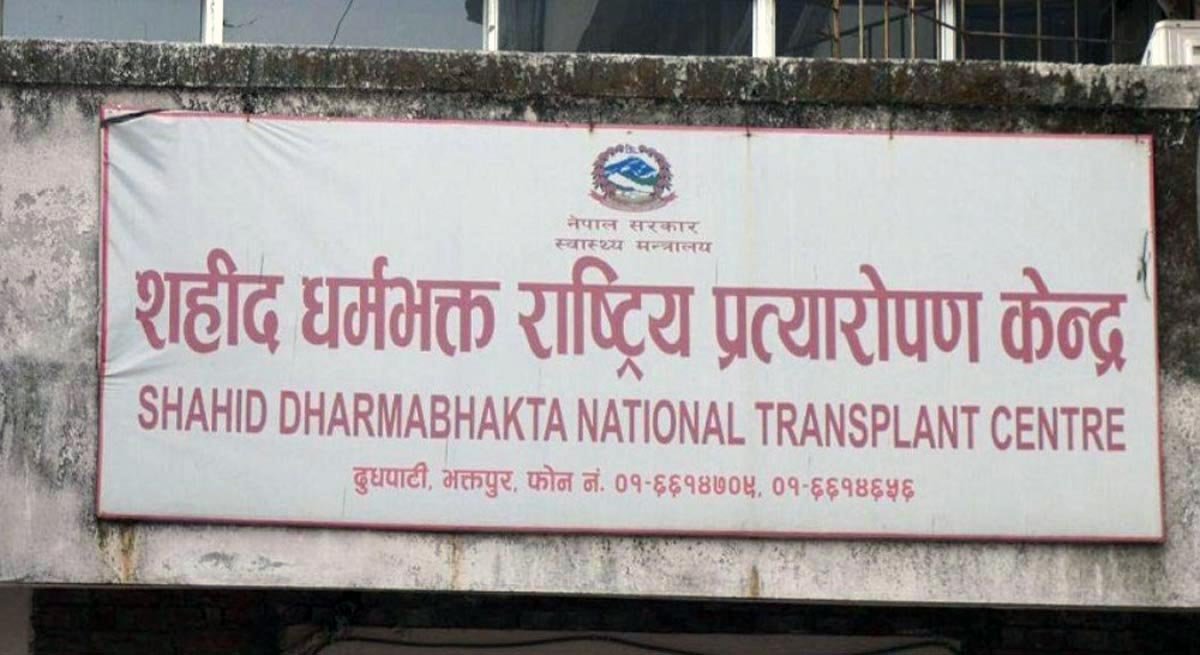
Kathmandu. Only 37 liver transplants have been performed in 10 years at the Shahid Dharmabhakta National Transplant Center in Bhaktapur, which is established as the country's only transplant center fully owned by the government.
The first successful liver transplant in Nepal was of Balram Naga of Bhaktapur on December 9, 2016. The most recent successful liver transplant was performed on June 14, 2024.
The Human Organ Transplant Center was established on April 24, 2012. The center stated that liver transplants have been performed in a small number due to a shortage of specialist manpower, expensive treatment methods, and insufficient space.
Center's Executive Director Dr. Kalpana Kumari Shrestha said, 'The center has a significant lack of space. A special space is needed for liver transplantation. When one liver transplant is performed, the time for three to four kidney transplants has to be postponed. Money is not available from the Poor Citizen Treatment Fund for liver transplantation. It costs fifteen lakh to twenty lakh rupees to perform one liver transplant. There is only one room in the ICU.'
Low organ donation from brain death, lack of organ donors, and lifelong medication costs after transplantation have emerged as challenges for liver transplantation. Center's Information Officer Harihar Pokharel said that liver transplantation is done in a small quantity due to it being expensive, time-consuming, and a lack of specialist doctors.
The center has one liver transplant surgeon and one physician. According to the Human Organ Transplant (Regular and Prohibition) Regulations, 2016, liver transplantation requires at least one gastroenterologist or hepatologist, at least one liver transplant surgeon, at least one anesthesiologist, at least one pathologist, a cardiologist, a cardiothoracic and vascular surgeon, a psychiatrist, and dental surgery services.
Similarly, a well-equipped surgical intensive care unit, a well-equipped pathology lab, a well-equipped operation theater, a well-equipped post-operative ward, and blood gas analysis service are required. All these facilities are not adequately available in the hospital.
So far, 1,668 kidney transplants have been performed by the center. Compared to kidney transplants, liver transplants are performed in a very small number at the transplant center.
This is the only transplant center fully owned by the Government of Nepal. Currently, this hospital operates as a federal hospital of the Government of Nepal under the Ministry of Health and Population. Similarly, Tribhuvan University Teaching Hospital in Maharajgunj also started liver transplant services from May 30, 2019.
The center is currently providing services such as kidney transplantation, complex surgeries like liver transplantation, advanced urology and treatment of various diseases (stomach, heart disease, ENT), organ donation services, physiotherapy, and radio diagnosis.
The center has performed the first successful liver transplant in Nepal and has played an important role in Nepal's medical sector by initiating kidney transplantation from brain-dead individuals.
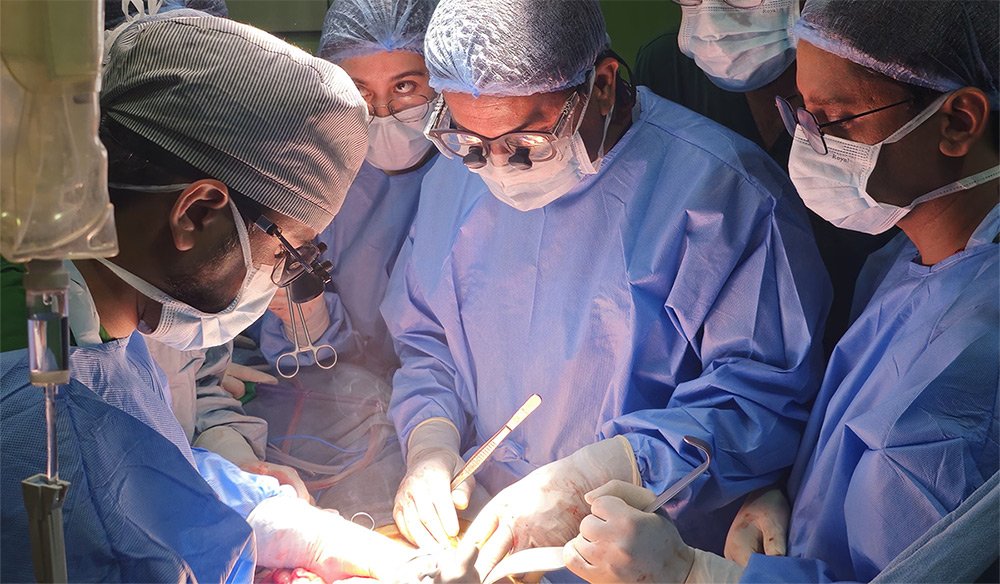
Liver transplant surgeon Dr. Pradej Sapkota said that liver transplantation in Nepal is low due to the lack of necessary advanced infrastructure and specialist manpower. He said, 'This is a very expensive treatment. Unfortunately, for such a large and expensive treatment, there is no financial concession or subsidy from the state for poor patients.'
He said that since this service is not fully established in Nepal, economically capable patients go to India in large numbers for transplantation. To make this service accessible and affordable in Nepal, it is necessary to raise widespread public awareness about organ donation, he said.
According to Dr. Sapkota, it should be made mandatory in the curriculum studied by doctors and nurses in the medical field. To spread awareness among the general public, a system should be started to mention 'I agree to donate organs after brain death' in the national identity card or driving license, he also said.
'If organ donation after brain death becomes easy, the number of transplants will automatically increase. Let's hope that the current government will take concrete steps on these serious issues in the health sector, and Nepalis will receive quality liver transplant services at affordable prices in Nepal,' he said.
Researchers have concluded that liver transplantation is safe and possible through skilled manpower and mutual cooperation even in centers where transplants are performed in small numbers in a developing country like Nepal.
According to the study report, although there is a legal provision in Nepal for organ donation from brain-dead individuals, transplants from living donors are more prevalent due to lack of public awareness, religious beliefs, and family obstacles.
This specific news has been automatically translated by AI. As a result, there may be some inaccuracies or language errors.



_rpsOiLplT3.jpg)