
National Planning Commission Suggests Limiting National Pride Projects to 10

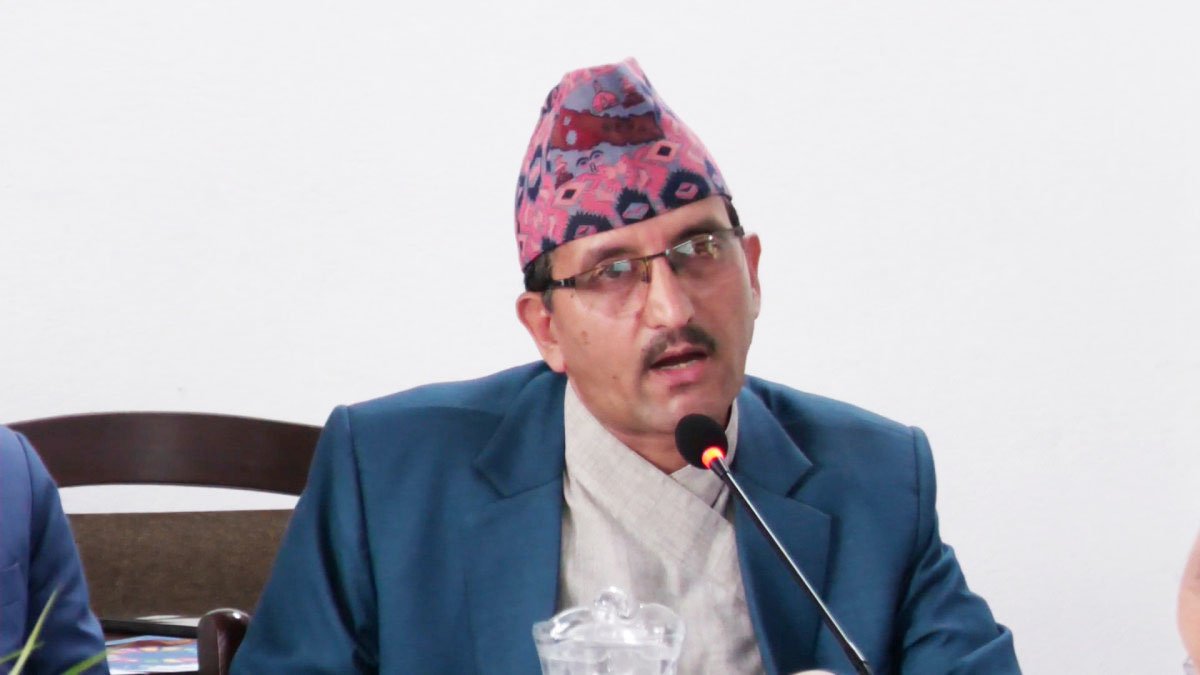
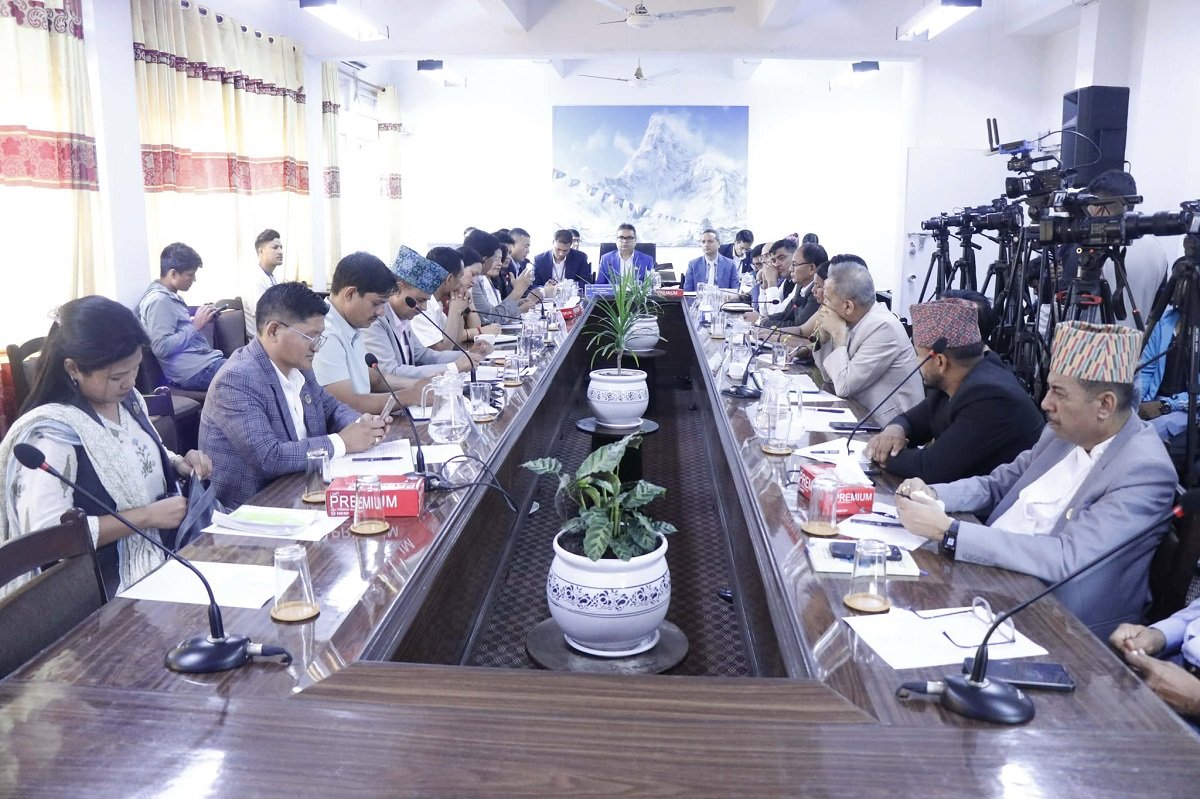
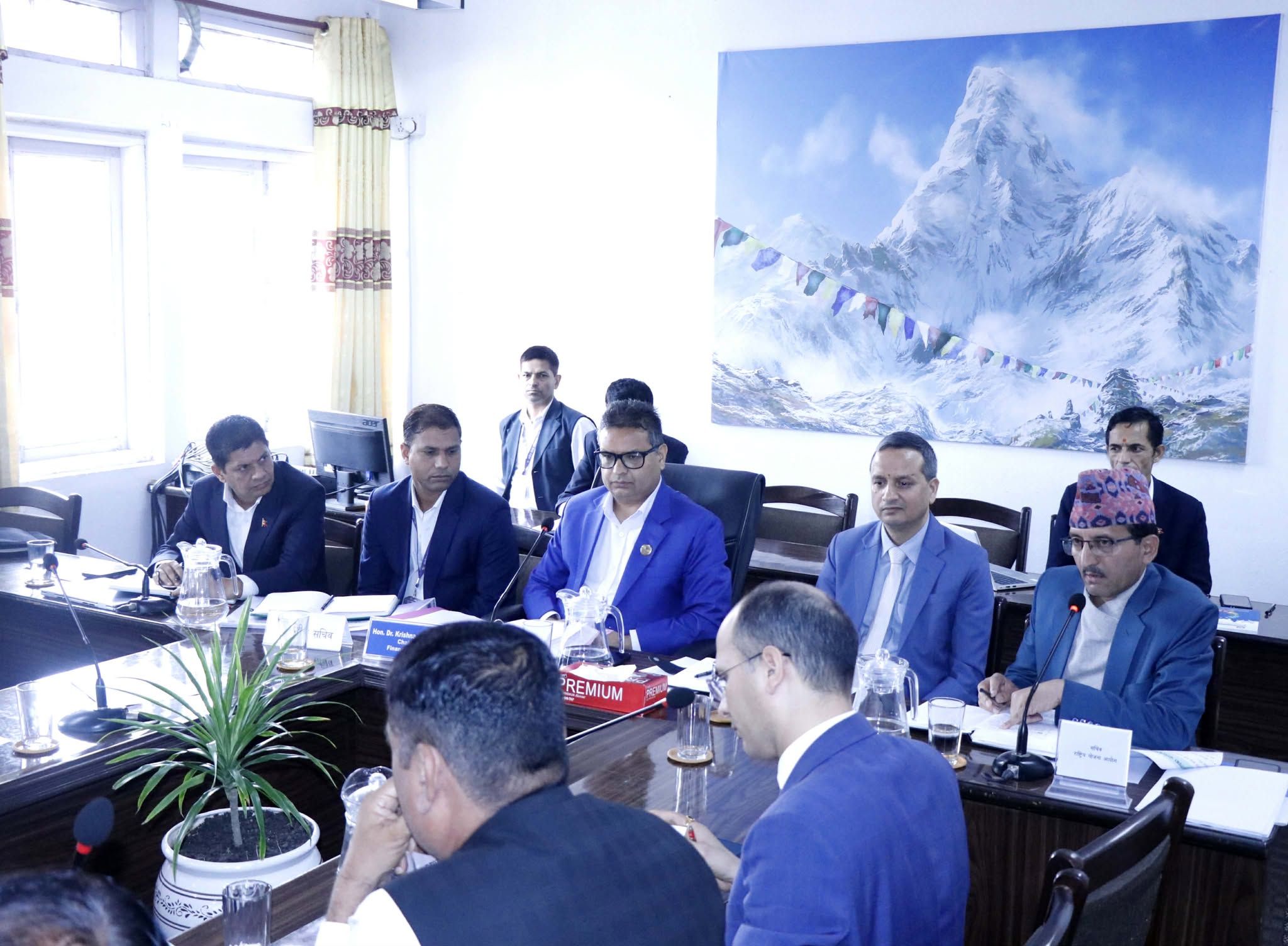
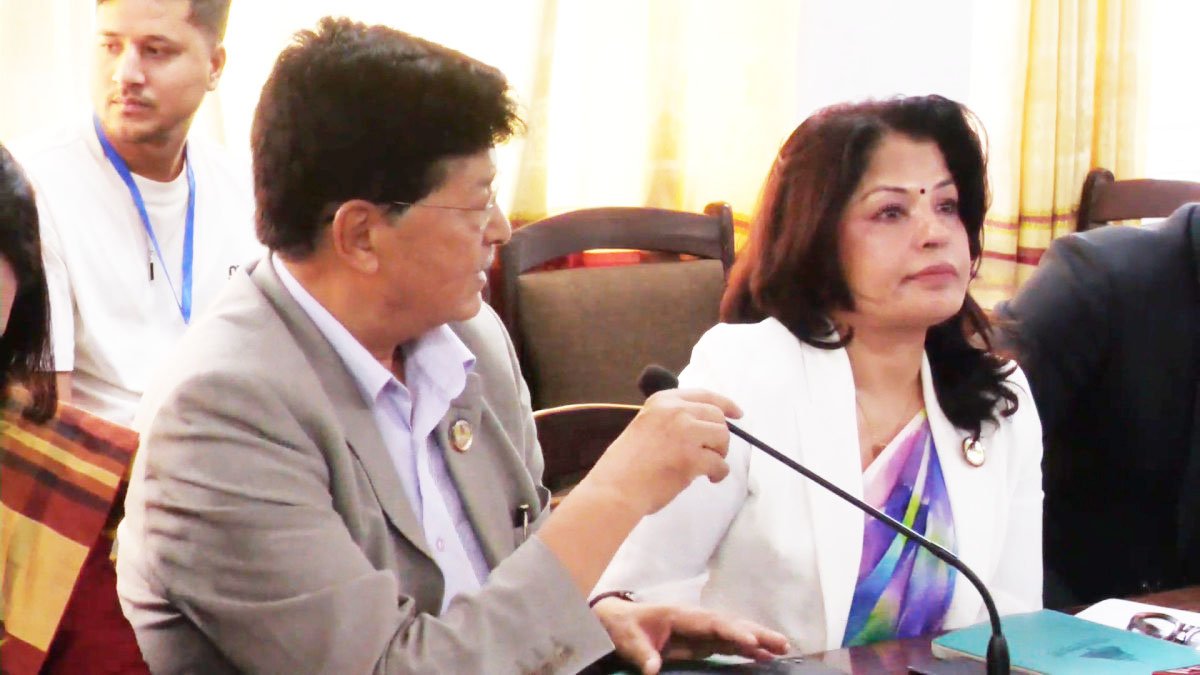
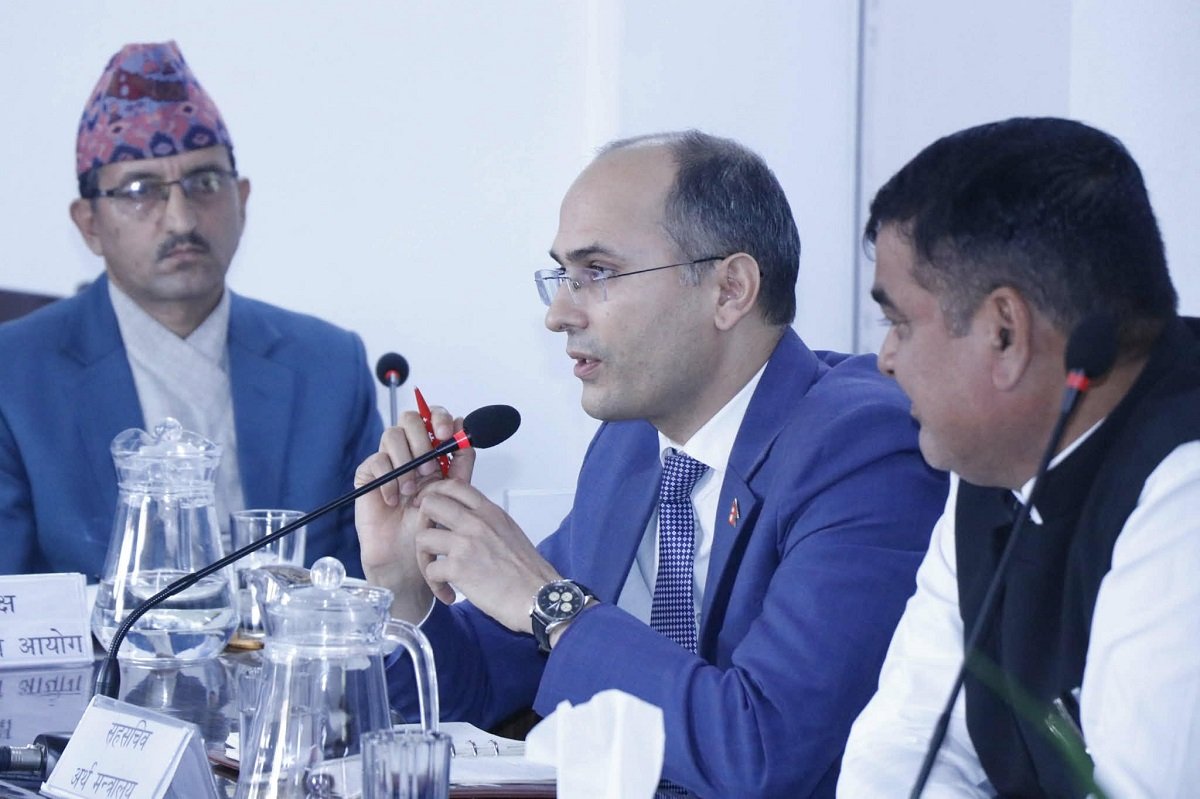
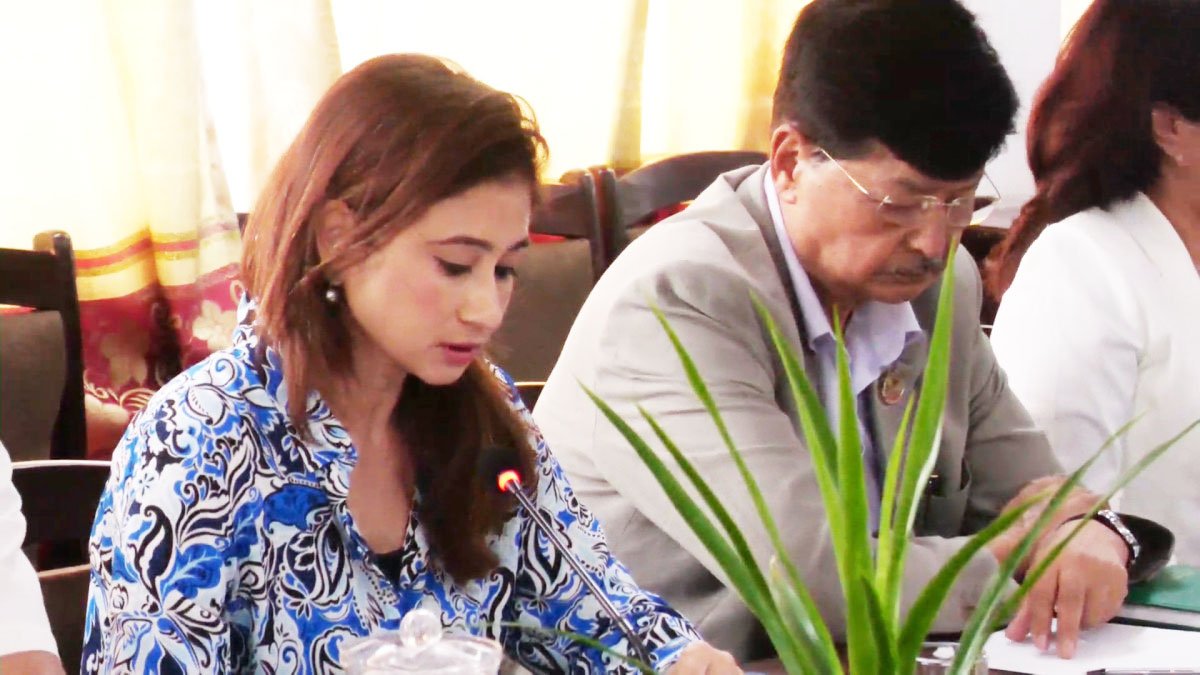
Kathmandu. The National Planning Commission has suggested reducing the number of National Pride Projects to a maximum of 10. Presenting the policy, legal, and practical complexities seen in National Pride Projects at the Finance Committee meeting on Monday, Commission Member-Secretary Rabilal Pantha suggested reviewing the projects. The Commission has recommended limiting the number of pride projects to a maximum of 10 and classifying the remaining ones as transformative or priority projects. He also stated that a separate law should be enacted for the easy supply of construction materials and legal provisions should be made so that one construction entrepreneur does not get more than one package contract. According to Member-Secretary Pantha, due to the lack of separate and clear legal and policy arrangements for National Pride Projects, there is a compulsion to go through the same process as other ordinary projects. This has resulted in unsatisfactory project progress. He identified the lack of implementation procedures to make priority projects result-oriented, delays in land acquisition, tree cutting, and compensation determination as the main problems. Similarly, projects have been affected by the shortage of construction materials like stones, gravel, and sand, procedural delays in environmental impact assessment, imbalance in budget management, and weak performance of construction entrepreneurs. The Commission's assessment is that projects spend a long time in the initial stages because they are declared pride projects without preparation. Currently, 27 projects are listed as National Pride Projects, and Member-Secretary Pantha believes that concrete results will come from a limited number of projects. In the meeting, he said, 'It is appropriate to review the criteria related to National Pride Projects, limit the number of such projects to a maximum of 10, and implement the remaining projects by classifying them as transformative projects, priority projects, or with other suitable names.' He stated that it is very necessary to formulate a law related to the management of construction materials to prevent a shortage of riverbed construction materials required for the projects. He informed that discussions on this bill had started in the State Affairs and Good Governance Committee during the previous term of the House of Representatives, but the bill became inactive with the end of the House of Representatives' term, and the process has returned to the preliminary stage. Member-Secretary Pantha suggested amending the laws to ensure necessary harmonization between the provisions of public procurement, forest, and environment laws related to project implementation. The Commission suggests that National Pride Projects should be declared only after the construction method, investment modality, and source of funding are clarified. He added, 'It seems necessary to make legal provisions so that a single construction entrepreneur or firm cannot get more than one package contract when awarding contracts for different packages under the same road project.' To solve the problems, the Commission has proposed a strategy to allocate sufficient budget to projects with more than 50 percent progress and complete them within two years. It has been suggested to review the scope of projects with less than 50 percent progress and to evaluate long-pending stalled projects externally and decide whether to keep them on the list or remove them. Member-Secretary Pantha also informed that there is a shortage of resources to achieve the Sustainable Development Goals, and while 30 trillion is needed, only about 23 trillion is being financially managed.
This specific news has been automatically translated by AI. As a result, there may be some inaccuracies or language errors.

_ufmo8stvl7_xyceyxrbf6_CvCBw1rk0X.jpg)