National Planning Commission to Begin Work on 'Vision 2050'

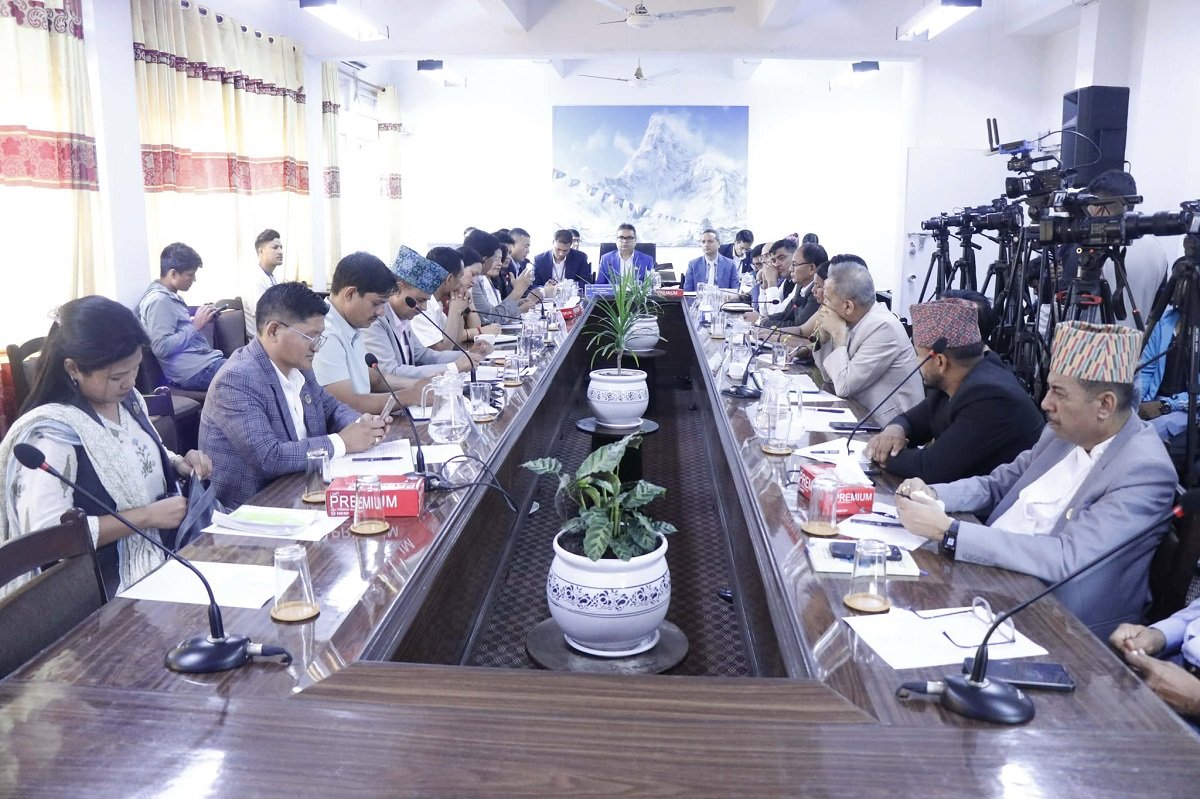
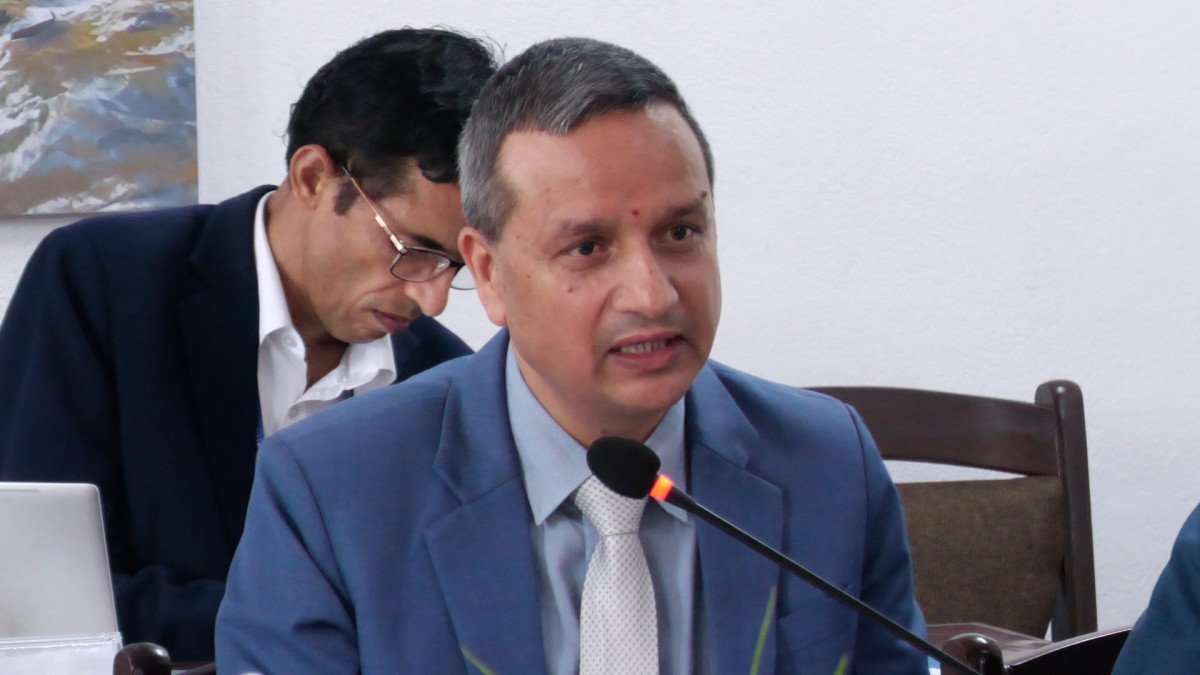
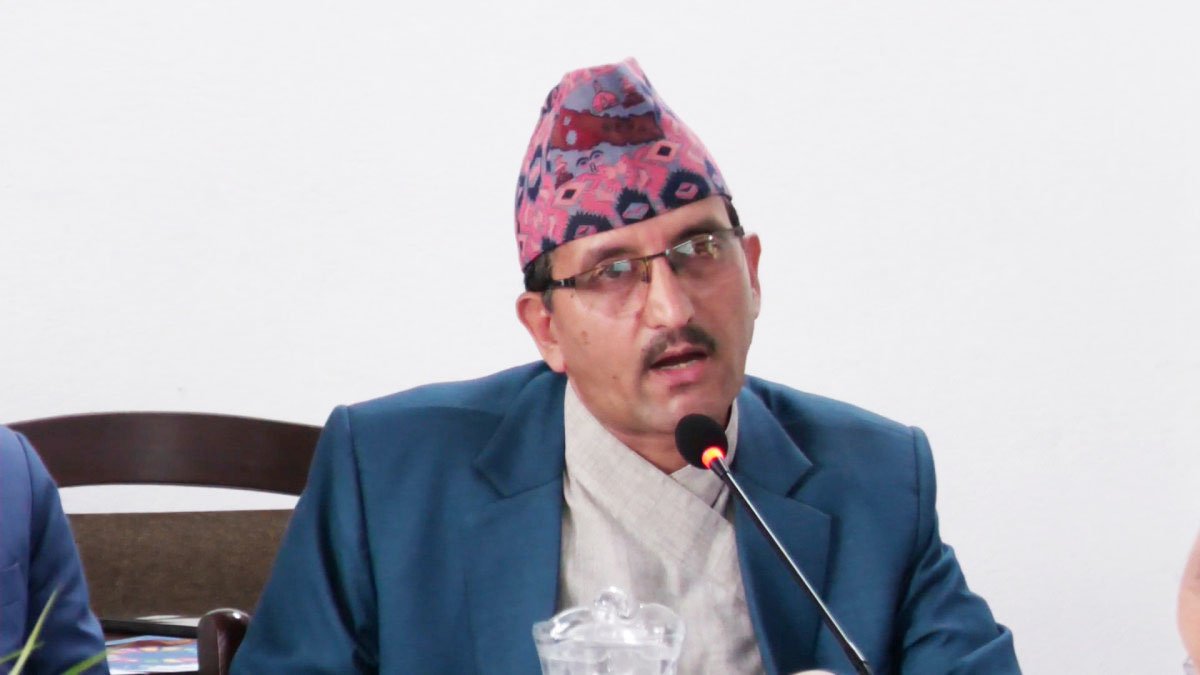
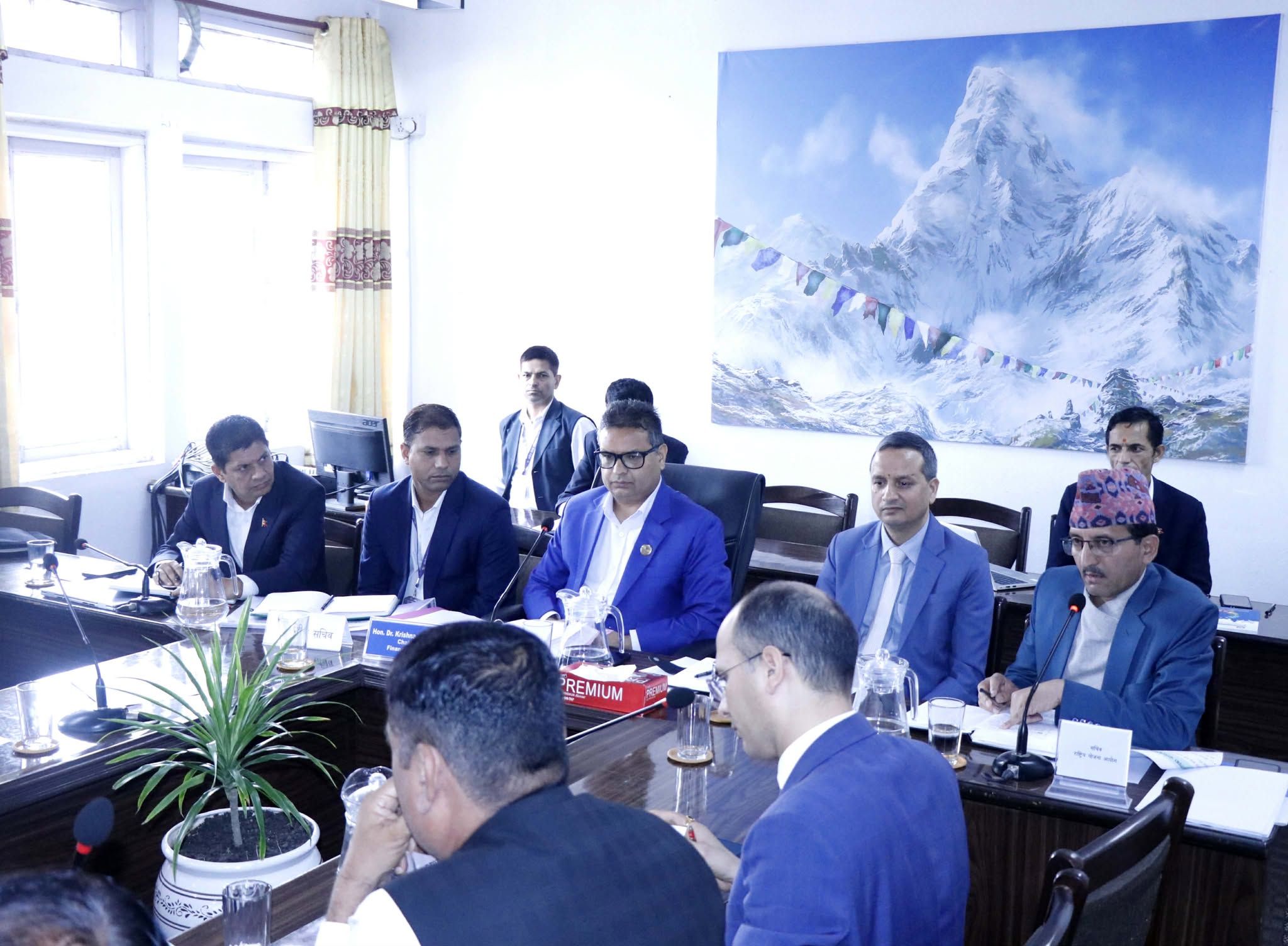
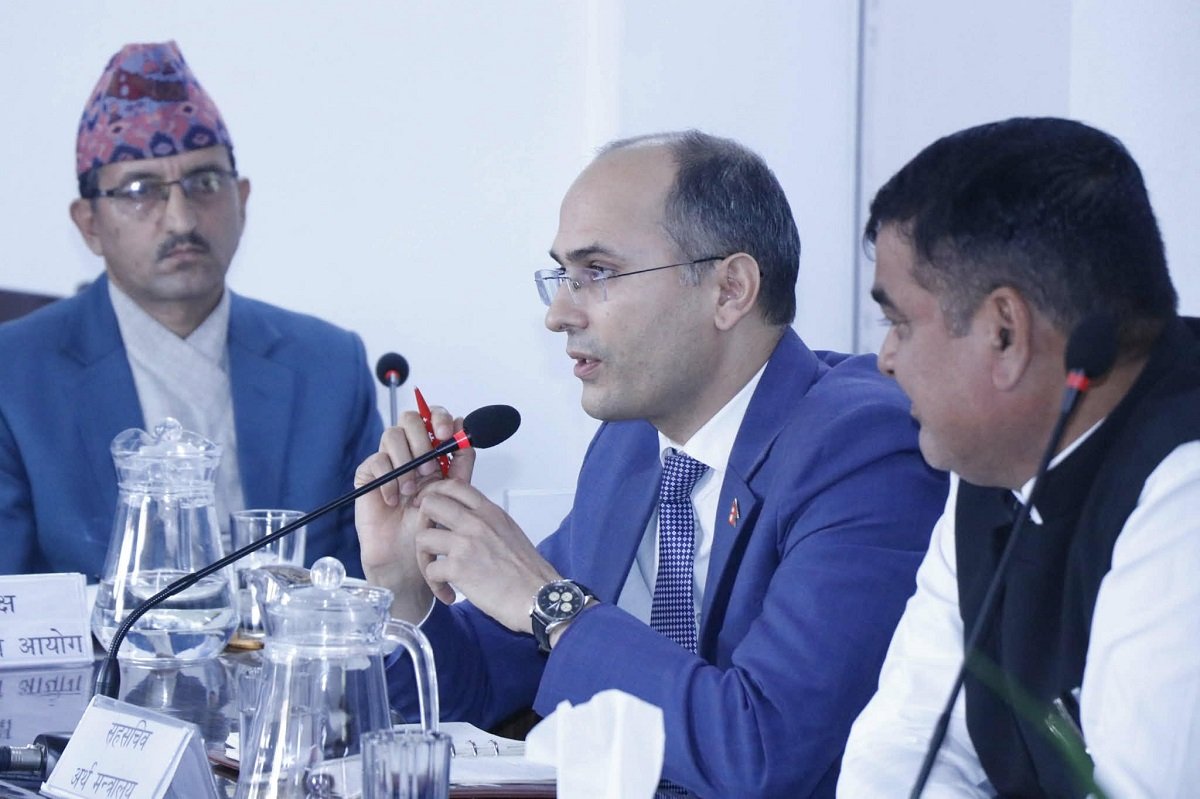
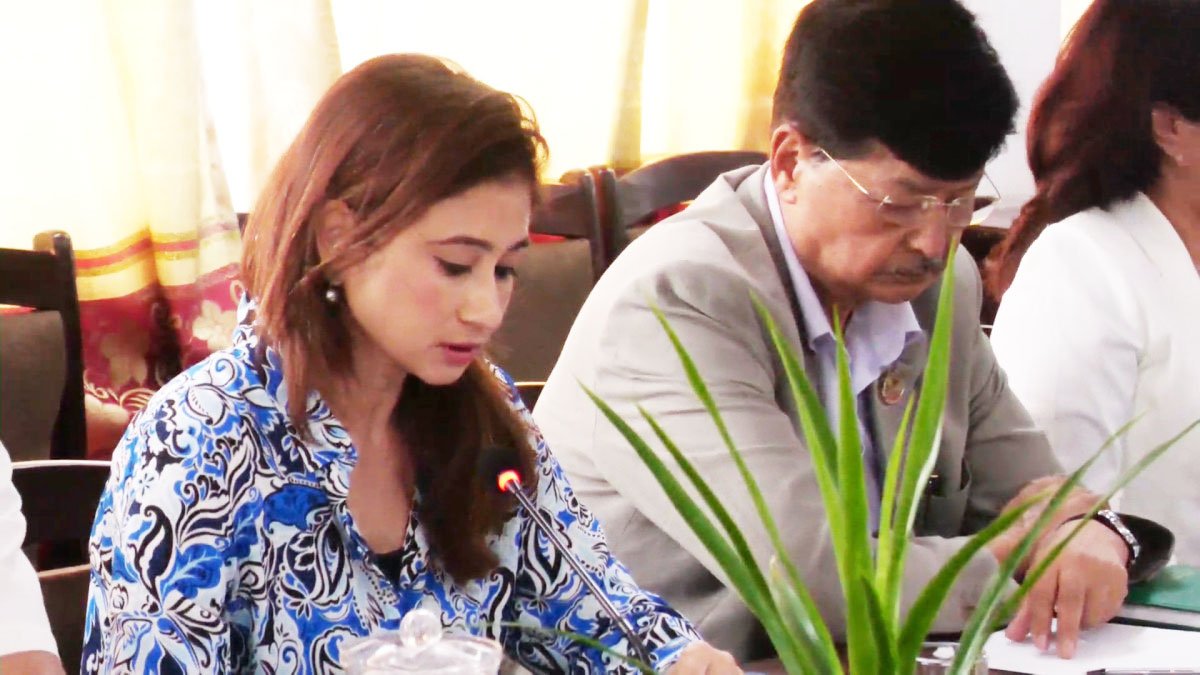
Kathmandu. The National Planning Commission is to start work on the concept of 'Vision 2050', which includes the development roadmap of the country for the next 25 years. In the meeting of the Finance Committee under the House of Representatives, Vice-Chairman of the Commission Dr. Gunakar Bhatta and Secretary Rabilal Pantha presented their views on the future direction of the commission, the effectiveness of projects, and structural reforms.
Speaking at the meeting, Vice-Chairman Dr. Gunakar Bhatta informed that along with the mid-term review of the 16th plan, the process of preparing 'Vision 2050' for the next 25 years has been initiated. 'A concrete long-term vision is necessary to make the country prosperous, for which we will formulate evidence-based policies through dialogue with citizens and experts,' he said.
Effective Monitoring of Projects and Legal Limits
Commission Secretary Rabilal Pantha said that out of the 23 national pride projects currently in existence, 3 were intensively monitored this year. He lamented that although the problems and suggestions seen during the monitoring were sent to the concerned ministries, the suggestions were ignored due to the commission not having the legal authority to give directives or take action for implementation.
'The commission is currently limited to an advisory role, and there is a problem of recommendations not being implemented after monitoring,' Pantha said.
Secretary Pantha, citing a technical problem seen in the Ramechhap section of the Mid-Hill Highway as an example, pointed out that although building a 500-meter bridge would shorten the distance by 25 kilometers, the implementation side is slow.
Project Pipeline and Resource Management
The commission has started a new method of prioritizing projects above 500 million by placing them in a 'project pipeline'. Secretary Pantha clarified that this will work differently and specifically from the 'project bank' which includes projects above 30 million. Vice-Chairman Dr. Bhatta emphasized the need to accelerate development work by utilizing the excess liquidity of about 12 kharabs in the banking system and the maximum use of foreign exchange reserves.
Although Nepal aims to graduate from the Least Developed Country status, challenges have increased due to environmental risks, according to Dr. Bhatta.
'Nepal's condition in the environmental risk index is weakening, and due to floods and landslides, 2 percent of the gross domestic product is lost annually,' he said. Keeping this in mind, the commission will pay special attention to food and energy security, he said.
Structural Reform and Coordination
The commission has stated that it is working on ending the lack of coordination between ministries and further strengthening the relationship with the statistics office.
Vice-Chairman Dr. Bhatta said that local level representatives still perceive the commission only as a body for selecting projects and entering names in the red book, and it is necessary to bring about a change in this thinking.
This specific news has been automatically translated by AI. As a result, there may be some inaccuracies or language errors.