Actress Alleges Racial Discrimination on Nepali Film Set

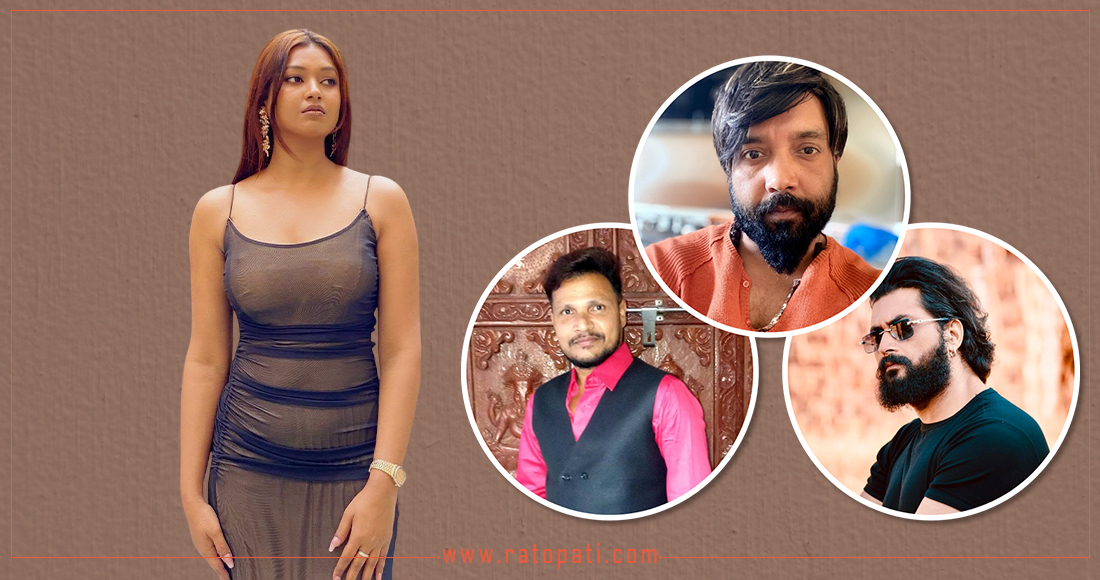
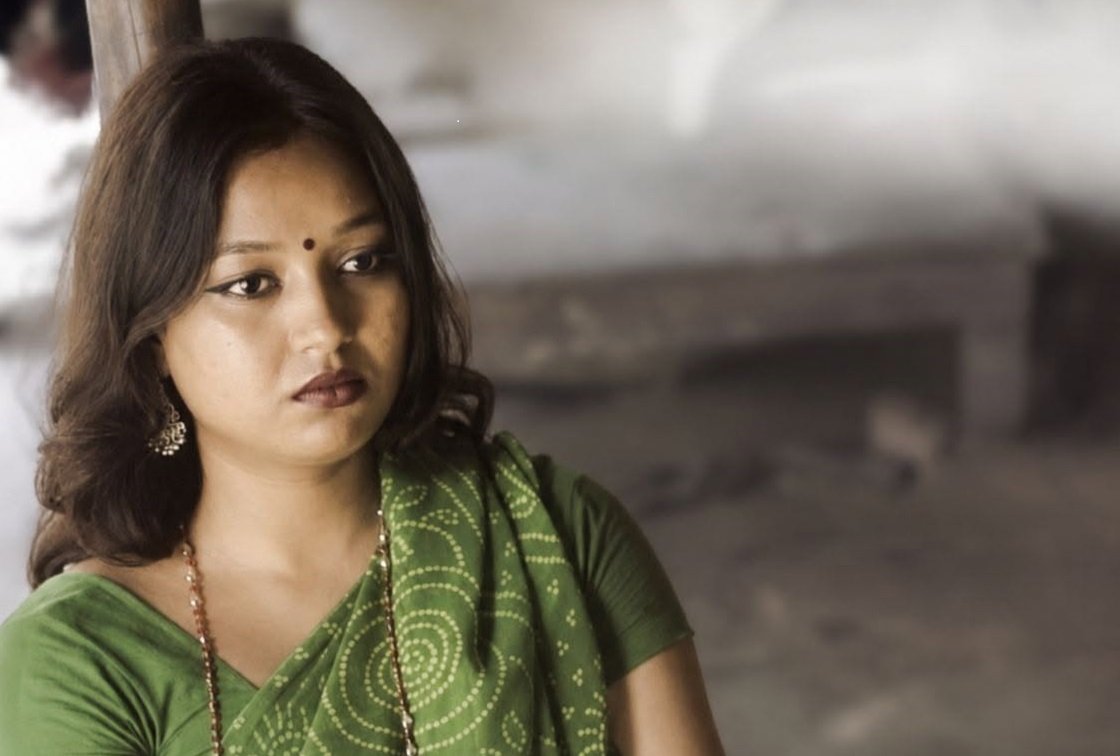
Kathmandu. The film industry, considered a colorful world, has a dark side that is frightening when seen from the outside. Sometimes it's about gender inequality in remuneration, sometimes the distance between lead and supporting actors, and sometimes nepotism becomes a topic of discussion. Recently, a serious and sensitive issue has come to light – 'racial discrimination'. Actress Kajal Karna has accused director Deepak Acharya, makeup artist, and co-actress Pransha Rayamajhi of mental abuse and insult on the set of the Nepali film 'Chiranjeevi Bhava' because she is Madhesi. Kajal made these allegations through her official social media. However, director Acharya has denied the allegations. While the truth of this incident will become clear with time, it has brought the debate about hidden racial discrimination within the Nepali film sector to the forefront. We have posed the same question to three established actors from Madhesi backgrounds who have successfully made a strong presence in Nepali cinema: Pramod Agrhari, Rabindra Jha, and Prakash Shah. Is there really racial discrimination in the Nepali film sector? Their statements in their own words.
- Pramod Agrhari (Actor):
I am not fully aware of the alleged discrimination and racial discrimination against actress Kajal Karna on the set of the film 'Chiranjeevi Bhava' because she is Madhesi. It is more relevant and just for the person who experienced such an incident to speak on this matter. Surely, no one would make such a big accusation without reason. I don't see the need to comment further on the internal matters of the film unit.
As far as my own experience is concerned, I have repeatedly raised my voice on this issue in the past. In some past interviews, I was directly asked questions like, 'Your face doesn't look Nepali.' People might get annoyed by repeating the same thing, but in my opinion, those who hold such discriminatory and narrow-minded views are mentally ill in a way.
We should do our work honestly. Instead of chasing such negative things, if we focus on how to refine our work, it will be beneficial for both our health and career.
The audience has always given me immense love and respect. If some film producers or makers have such narrow thinking, it is their personal problem, not mine. Why should I carry the burden of someone else's discriminatory mentality on my head? If I get stuck in such matters, my work and career will be in jeopardy.
If someone tries to insult me by calling me 'Madhesi' or raises questions, why should I run around trying to prove that I am Nepali? If a few people behave so narrowly, they are sick in the name of creativity, and they need sympathy or treatment.
- Rabindra Jha (Actor):
I worked with actress Kajal Karna in the same film. We, the entire unit, stayed together for about 15-16 days. During that time, we did not feel any discomfort from her side. In the past, when I went to Janakpur, she appeared very practical. A person's nature can change with circumstances.
Now, Kajal Ji has written her own accounts on social media. Until both parties and the unit members sit together and have an open discussion, it is difficult to understand the reality.
_HmLsk3p1ck.jpg)
As far as my own experience is concerned, I have not directly faced racial discrimination or discrimination in the film sector so far. If someone talks behind my back, I don't know, but I have never felt such negative behavior on set. If there was excessive racial discrimination in this sector, perhaps I wouldn't have been able to reach this stage today.
It cannot be said that there is no regional or cultural discrimination in the film sector. Even before I entered this field, such things used to be heard. For example, the discrimination between Nepali speakers and Maithili speakers when casting is wrong in itself. Many advertisements show people with Pahadi features wearing dhoti and gamchha to portray Terai characters, whereas real artists from the Terai could be given opportunities. This is also a form of discrimination, and I have raised my voice on this issue in the past. Many consider gamchha as the main culture of the Terai, but gamchha is not culture. It is just a thin cotton cloth used due to the heat. The real culture of the Terai is different.
Discriminating against people on any basis is absolutely wrong, and it should not happen in the field of acting. If the Terai region completely boycotts Nepali films, the Nepali film industry will suffer a great loss.
- Prakash Shah (Actor):
It would not be appropriate for me to speak without clarifying the truth about the actress's accusation that racial discrimination occurs in the film industry. It is an internal or domestic matter within their team. However, if such racial discrimination or prejudice exists somewhere, it is definitely wrong and cannot be supported.
I have worked in about 7-8 films so far. During this time, I have never felt any racial or regional discrimination on the film sets based on being from the hills or the plains. Unless one experiences or witnesses such a thing, it is not appropriate to generalize that it happens. Sometimes there are minor misunderstandings or disagreements on film sets, which are normal and can happen anywhere, but interpreting them as racial discrimination is not appropriate.
Practical discrimination such as the difference between lead and supporting actors in the film industry, or inequality between men and women in remuneration, is established. However, in the case of discrimination based on being Madhesi or Pahadi, I have not had such bitter experiences so far.
Before I entered the film industry, I used to hear a little about such discrimination happening in the past. But nowadays, people's thoughts and mindsets have changed a lot. Currently, actors from Madhes or Terai origin like Rabindra Jha, Pramod Agrhari, and myself are getting good roles and collaborating in films. I neither discriminate anywhere myself, nor have I seen such caste or regional discrimination in the film industry so far.
This specific news has been automatically translated by AI. As a result, there may be some inaccuracies or language errors.