Madhesh Province Faces Growing Drug Addiction Challenge Amidst Open Border

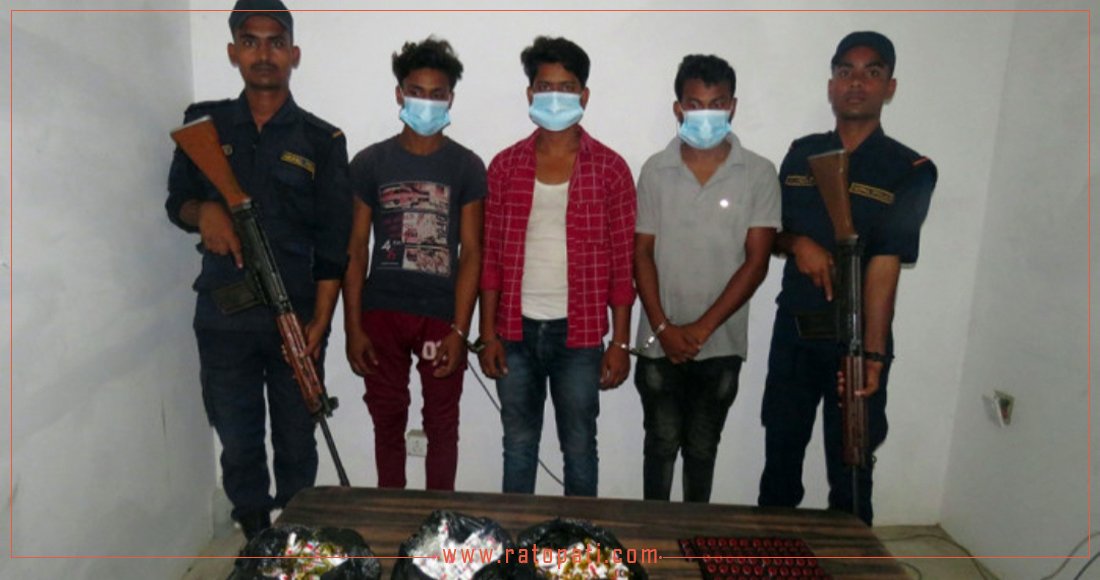
Janakpurdham. A young man was forced to drop out of college in Kathmandu due to drug addiction. Despite the family spending lakhs of rupees on treatment, he repeatedly returned to his old addiction. There are thousands of such incidents in Madhesh Province.
Due to the open border with India, drug trafficking and addiction have become a serious challenge for Madhesh. Although police action is ongoing, the reach of drugs appears to have spread from villages to cities.
With every arrest, the same question arises – how is a new network formed when drug traffickers are arrested? How does another consignment enter from the border after each seizure, and why do young people repeatedly fall into this quagmire?
On one hand, the Madhesh Province government is conducting public awareness programs to prevent drug addiction, and on the other hand, the Provincial Police Office has directed subordinate bodies to increase surveillance. However, news of daily drug seizures, arrests of those involved in trafficking, and young people falling into addiction continues to be published.
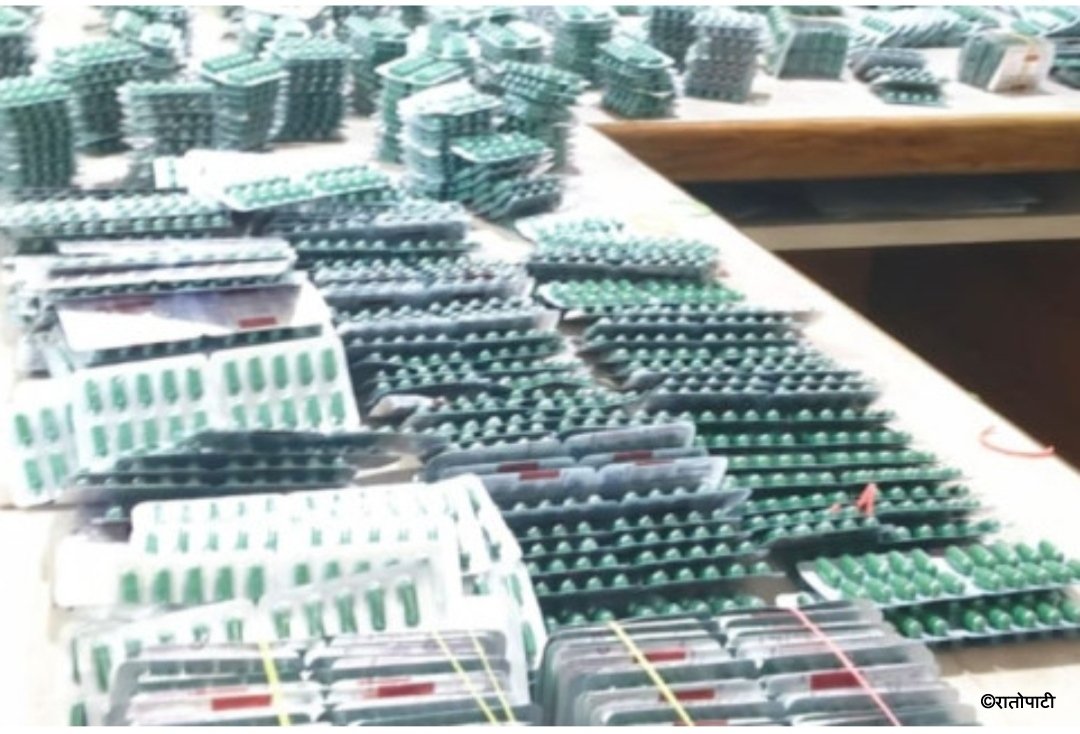
All eight districts of Madhesh Province, connected to India, have an open border of approximately 365 kilometers. As drugs are easily available in Indian markets across the border, these areas are becoming safe destinations for young people who consume and purchase banned medicines.
Police statistics also confirm this. In Dhanusha alone, 170 drug-related cases have been registered in the last three years, with 220 people arrested.
Dhanusha District Police Office Spokesperson Deputy Superintendent of Police Madhusudan Neupane says, "We are seeing a trend of ganja going from Nepal to India and tablets and brown sugar coming from India into Nepal. Large quantities have also been seized. Many have been arrested and prosecuted, and the search for others is ongoing."
According to the police, the highest number of drug users are in the age group of 15 to 28 years. Stakeholders say that drug addiction in Madhesh Province has also increased social crime.
Rajiv Kushwaha of Godaita Municipality-3, Sarlahi, says, "The impact of addiction is being seen in theft, robbery, looting, road accidents, and other criminal activities."
Raju Gupta of Janakpurdham-10 considers lack of family monitoring and bad company as the main reasons. He says, "Many young people are falling into addiction due to weak family monitoring and falling into bad company."
Civil society leader Nandkishor Jha says, "Whether in villages or cities, young people are getting caught in the fire of addiction. Children of parents working abroad become independent, don't listen to their parents, lie about going to school, and follow their friends, which exacerbates the problem. If the government does not take effective steps in time, it will be difficult to extinguish this fire."
- Police Activism and Border Surveillance
According to the spokesperson of the Mahottari District Police Office, Deputy Superintendent of Police Panchalal Gole, police surveillance has been increased in the border areas. Spokesperson Gole said, "Due to the open border, we have taken drug traffickers and those involved in addiction under control in cooperation with the Indian police. Special instructions have been given to border police posts and area police offices."
On Thursday, Indian police at the Bhitamod border also alerted citizens coming and going across the border about drug control. Both countries' security forces were urged to provide information to prevent drug trafficking from India to Nepal and from Nepal to India.
According to the Madhesh Province Police Office, out of 496 people tested with kits, 264 tested positive. Of these, 220 were handed over to their guardians, while 23 cases have been filed, the police said.
Fakira Mahato, Minister of Communications and Law of Madhesh Province, says that the government has prioritized drug control. Minister Mahato said, "We have already initiated work such as providing necessary resources to the police administration for drug control, strengthening rehabilitation centers, and providing psychosocial support to victim families. The government will not back down from doing what is necessary for reduction."
According to Santosh Thakur, director of New Muskan Rehabilitation Center, Janakpur, individuals addicted to drugs ranging from 14 to 60 years of age come to the center. "According to our data, the number of young people involved in addiction has decreased slightly this year compared to last year, but the number of girls and women coming from various districts of Madhesh Province has increased. Currently, 25 to 30 people are undergoing treatment at our center," Thakur said.
He stated that during counseling, it was found that many individuals fall into addiction due to peer pressure, unemployment, domestic conflict, and heartbreak in love.
According to mental health specialist Dr. Rabit Ranjan, drug addiction has increased alarmingly in Madhesh in recent years, with adolescents and young people aged 15 to 30 being the most affected. Now, girls and young women are also becoming affected. Many patients coming for treatment have stated that they started using drugs due to the influence of friends, curiosity, unemployment, family stress, or friends returning from abroad.
Dr. Tejnarayan Mahato, a mental health specialist at Janakpur Provincial Hospital, says, "Many young people start with cigarettes, alcohol, or ganja. Later, they are attracted to drugs used via tablets, syringes, and other hard substances. This has led to problems such as depression, anxiety, insomnia, aggressive behavior, memory loss, dropping out of studies, deteriorating family relationships, and in some cases, suicidal thoughts."
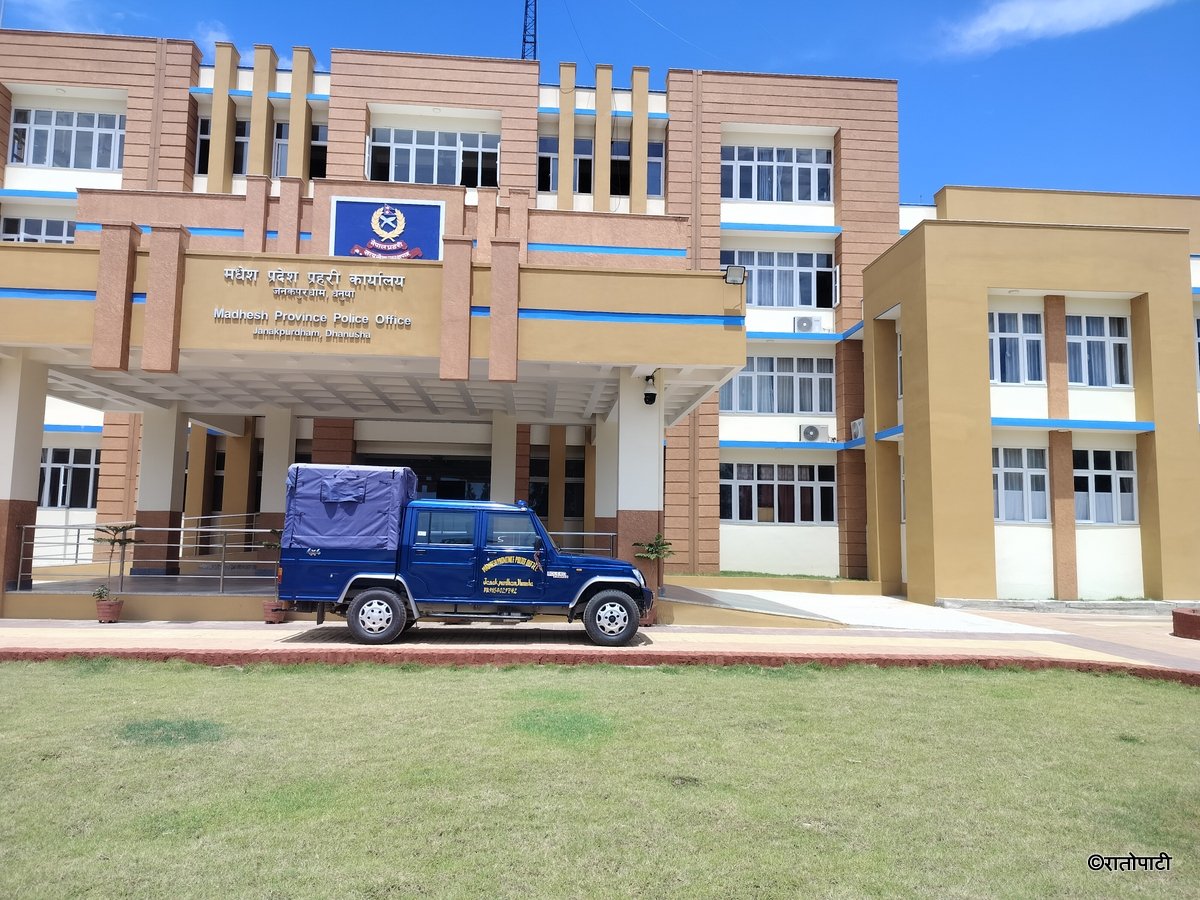
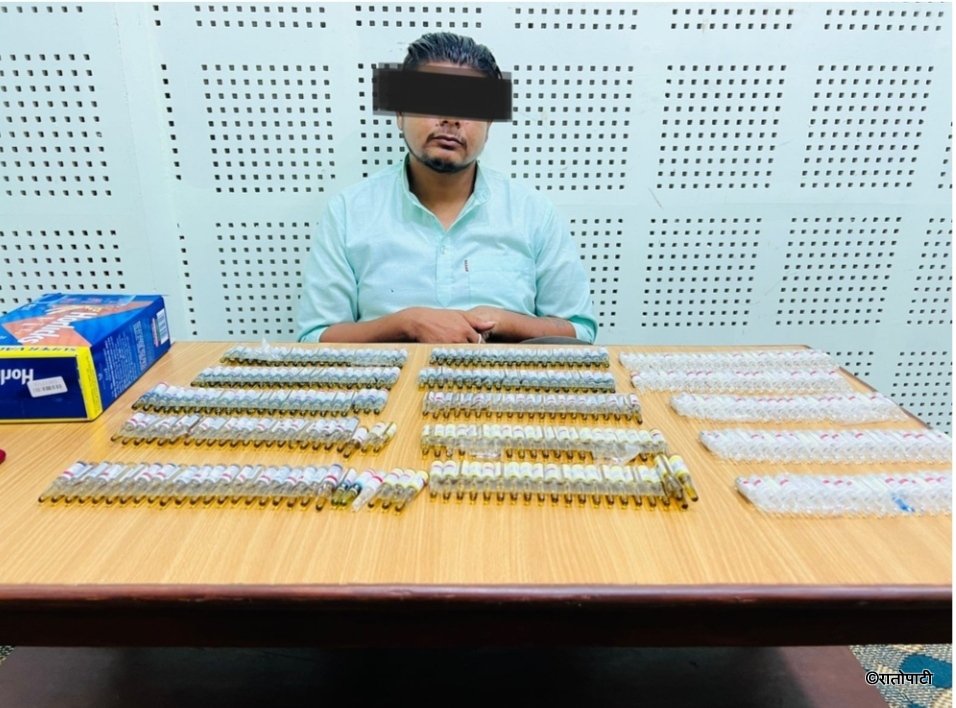
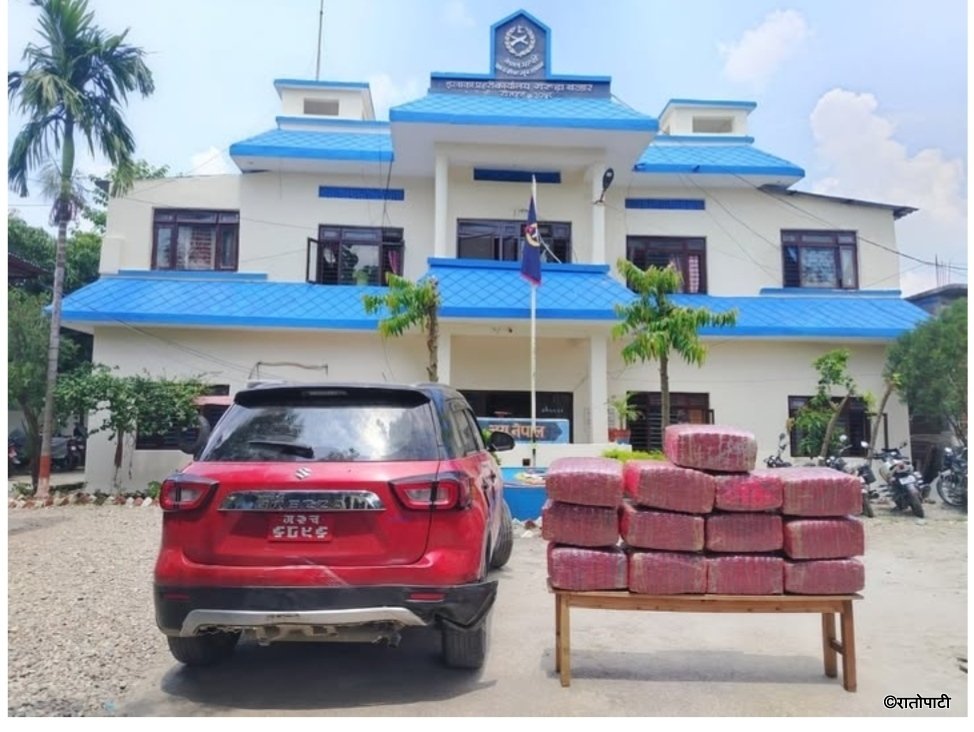
According to the spokesperson of the Madhesh Province Police Office, Senior Superintendent of Police Prabhuprasad Dhakal, "Police have been conducting regular checks, special operations, patrols, and drug control actions based on information. Drugs such as ganja, brown sugar, Tramadol, Dylex, Nitravet, etc., have been seized. Investigation is underway against those involved in trafficking and sale-distribution."
According to him, since all eight districts of Madhesh Province have open borders, police action alone is not sufficient. He says, "Active participation from families, schools, local levels, health institutions, and the community is necessary. Only by providing timely awareness, counseling, and treatment to the youth can addiction reduction be effective."
According to the police, in the month of Jestha, 80 people involved in drug trafficking and 13 vehicles were taken under control across the province. Similarly, from Asar 1 to 24, 52 people were taken under control and prosecution proceedings have been initiated.
Drug addiction in Madhesh Province is not just a legal crime but a serious social, health, and developmental challenge. Due to open borders, unemployment, peer pressure, weak family monitoring, and increasing mental stress, adolescents and teenagers are particularly at risk of addiction.
Although the police's control campaign is ongoing, the problem has not been fully controlled. Therefore, along with legal action, effective coordination between schools, families, communities, health institutions, and governments at all three levels is essential. The long-term solution to protect youth from drugs is awareness, employment opportunities, accessible treatment services, and effective rehabilitation. Only by giving equal priority to prevention, treatment, and social reintegration, not just arrests and actions, can drug control be effective in Madhesh Province.
This specific news has been automatically translated by AI. As a result, there may be some inaccuracies or language errors.



_sHSpnAljCR.jpg)