Spain Nears World Cup Greatness Under Luis de la Fuente

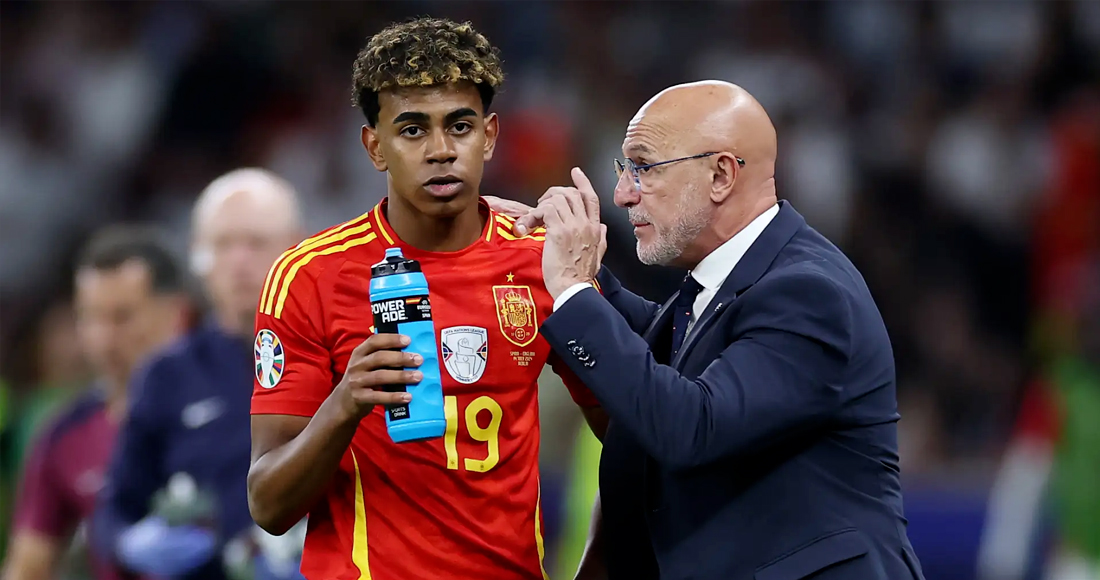
Spain, under the leadership of Luis de la Fuente, is very close to greatness. If Spain wins this World Cup title, it will create history by holding both the World Cup and European Championship titles twice simultaneously. The teams that have achieved such a feat before are only West Germany in 1974, France in 2000, and Spain in 2010.
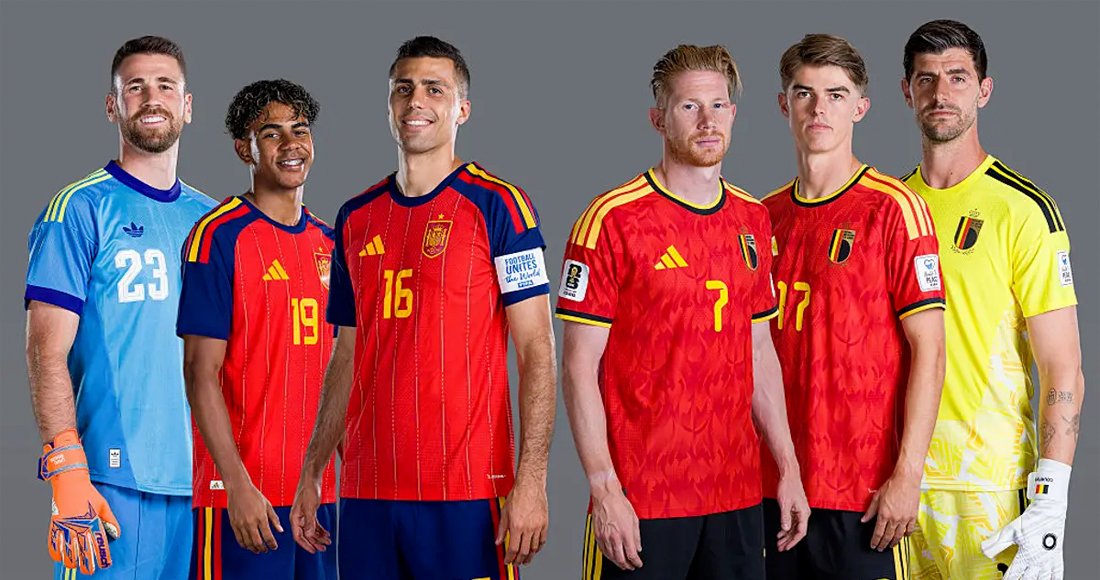
De la Fuente is now in his fourth year as Spain's head coach. He led the team to the European Championship two years ago and has now taken Spain to the World Cup quarter-finals, where they will compete against Belgium on Friday. The winner of that match will play France in the semi-finals.
Since taking charge of Spain in January 2023, he has lost only three matches. Currently, his team is unbeaten for 35 consecutive matches.
While some coaches build teams through strategy, others build teams based on relationships and the human aspect among players. De la Fuente has successfully done both.
However, what makes him special is not just his football philosophy, but also his style of understanding people. Although his playing style is possession football, he is capable of adopting other options when necessary. Along with that, he has also built a distinct culture within the Spanish team.
His success with Spain is the result of decades of planned work within the Spanish Football Federation. He himself has been working within this structure as a coach since 2013, actively involved in player development and value creation.
His role in building a clear collective identity in the national team is extremely important, and achieving such a feat in the national team is not a common thing.
- 'Football is a collective game made by good people'
At the center of De la Fuente's thinking is a simple belief – football is a collective game played by good people. Here, 'good' does not just mean a morally or religiously good person. However, he is inspired by Christian values and general ethics. In football terms, a good player is a generous, supportive, selfless, disciplined person ready to sacrifice for the team.
In a special interview with the BBC before the match against Belgium, he said, 'Those with dressing room experience know well what it means to be a good person.'
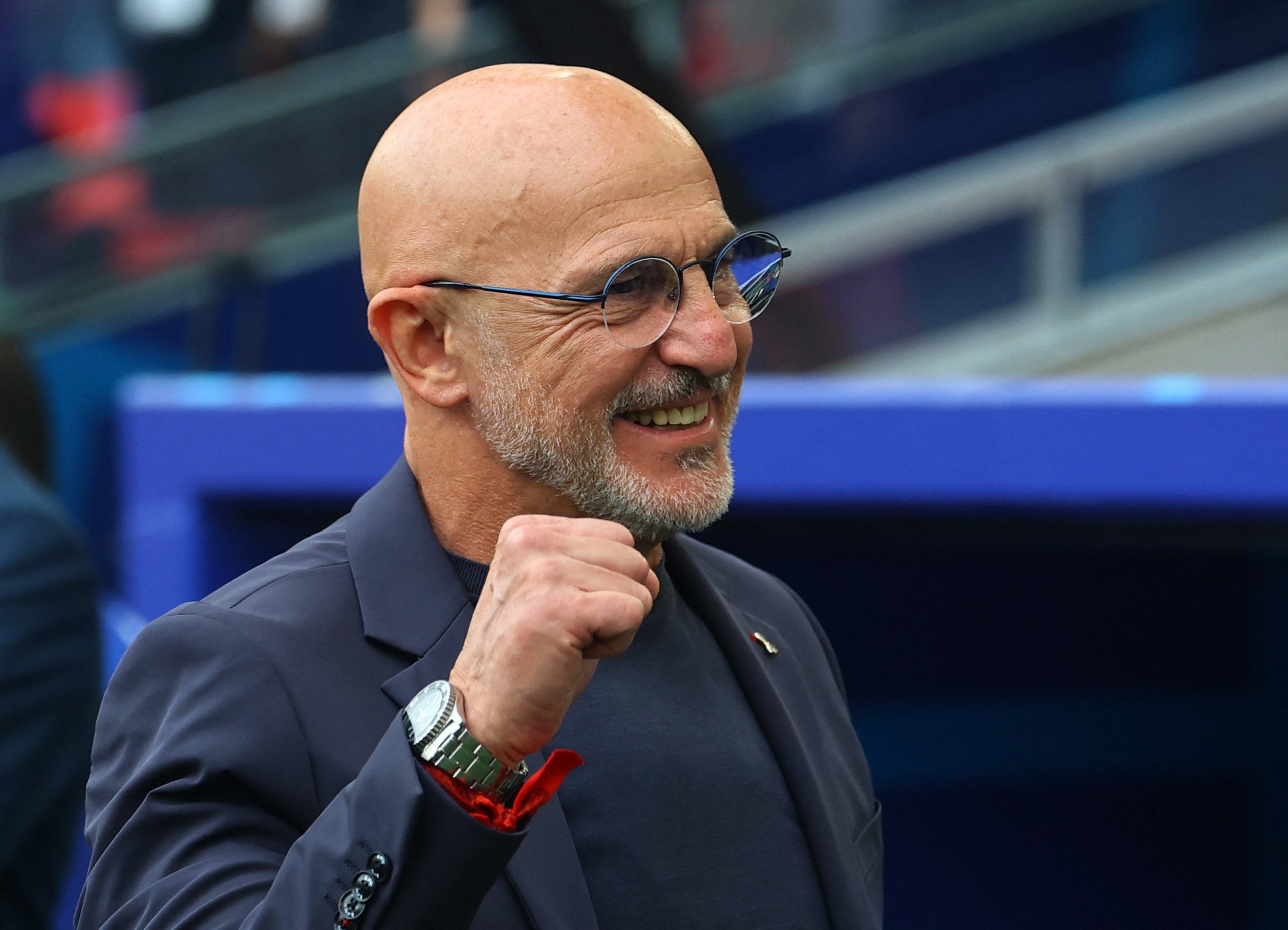
He added, 'Almost every team has a player who disrupts team unity and always prioritizes their own interests.' 65-year-old De la Fuente has seen many such dressing rooms in his long football career. That's why he knows well that talent without generosity doesn't go very far.
His Spanish team is made up of players who give to the team first, and then think about themselves. Spain's football style has always been based on players who understand the game collectively. Short passes, ball control, and choosing the right position are not just technical skills, they are also social skills.
- The easiest team to analyze, the hardest team to beat
All the remaining teams in this World Cup have one thing in common. That is, all have a clear playing philosophy. National teams do not have time to develop complex strategies like clubs. Therefore, the message must be simple, clear, and repeatable.
This is where Spain has a special advantage. Its football identity has been developing for decades. In Spain, players and coaches are selected according to football philosophy. The football philosophy is not changed according to the player.
Therefore, they have been able to refine their style over time because its basic structure was already in place.
Some argue that Spain is ahead for this reason compared to other national teams that have started new projects with new coaches.
De la Fuente has advanced this identity not by creating something new, but by strengthening it. Pep Guardiola once said about Johan Cruyff, 'Cruyff built the cathedral, I just painted it from time to time.'
Similarly, De la Fuente has not built a new foundation. He has added more depth, multidimensionality, ease in counter-attacks, unpredictability in the final third, and defensive solidity.
After being eliminated in the Round of 16, a Portuguese coach said, 'Spain is the easiest team to analyze, but also the hardest team to beat.'
- Lessons learned from experience
De la Fuente has coached most of these players in youth teams for decades. His coaching staff analyzes each match in detail and identifies necessary improvements.
Spain's passing game lacked sharpness against Cape Verde. Against Saudi Arabia, the team returned to its rhythm. Against Uruguay, he remembered something important – Spain had lost many times in history when provoked, stressed, and playing chaotically.
Therefore, he instructed the players to remain calm, disciplined, and emotionally controlled. He admits that a few years ago, he used to react more emotionally in such situations.
He said, 'Experience has taught me to deal with such situations. I have played many such games and lost most of them. Why? Because we didn't know how to play certain types of games.'
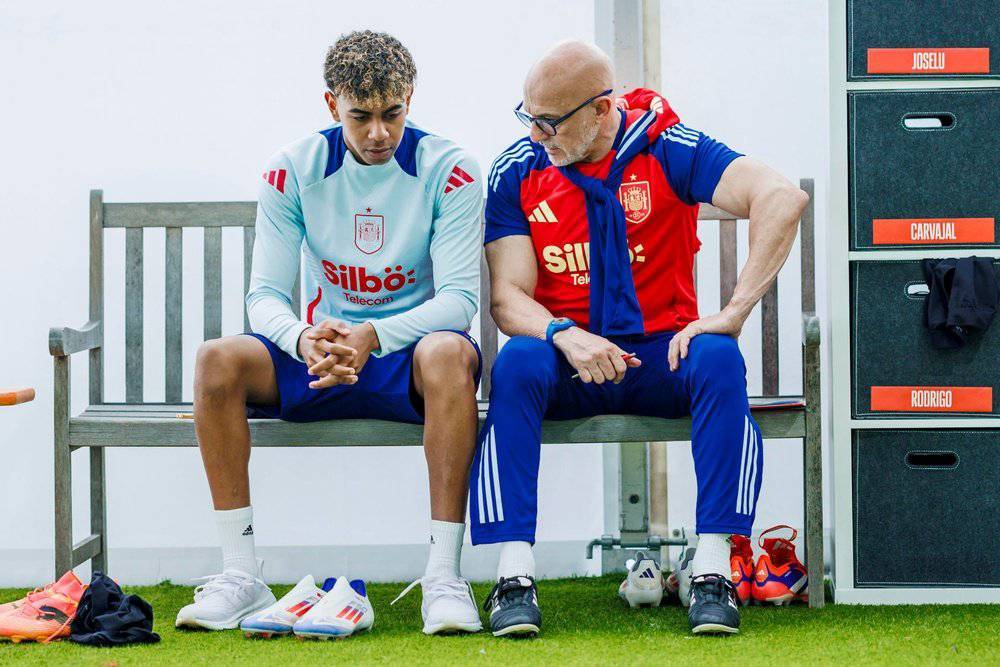
He added, 'When someone provokes you, disrupts your rhythm, and distracts you, then you move away from your game.'
This experience has led him to one conclusion – Spain starts losing as soon as it abandons its identity. His press conferences also reflect this value.
He prepares for press conferences in collaboration with Aitor Karanka, the Football Director of the Spanish Football Federation, the communication team, and the Federation's psychologist and former goalkeeper, Javier López Vallejo. However, depending on the situation, he speaks comfortably in his own style. He addresses journalists by name.
According to him, 'At home, I was taught that respect begins with recognizing the person in front of you.'
He makes eye contact with people and treats everyone equally. According to him, this is not a communication strategy, it is his nature.
- 'It's Lamine Yamal's time'
Lamine Yamal, whose picture is now on every poster, whose talent has mesmerized the world. Managing such extraordinary talent correctly is one of De la Fuente's most sensitive responsibilities.
He says, 'The main thing is to stay calm and give him confidence. We knew where Lamine came from. He was injured for two months before joining Spain. He is not yet fully fit, but our entire plan was made for this phase.'
He added, 'We wanted to see him in this condition. He himself wanted this. Now his entire focus is on making this World Cup his own World Cup.'
But De la Fuente knows that greatness is not built in a single game. It is built from maturity.
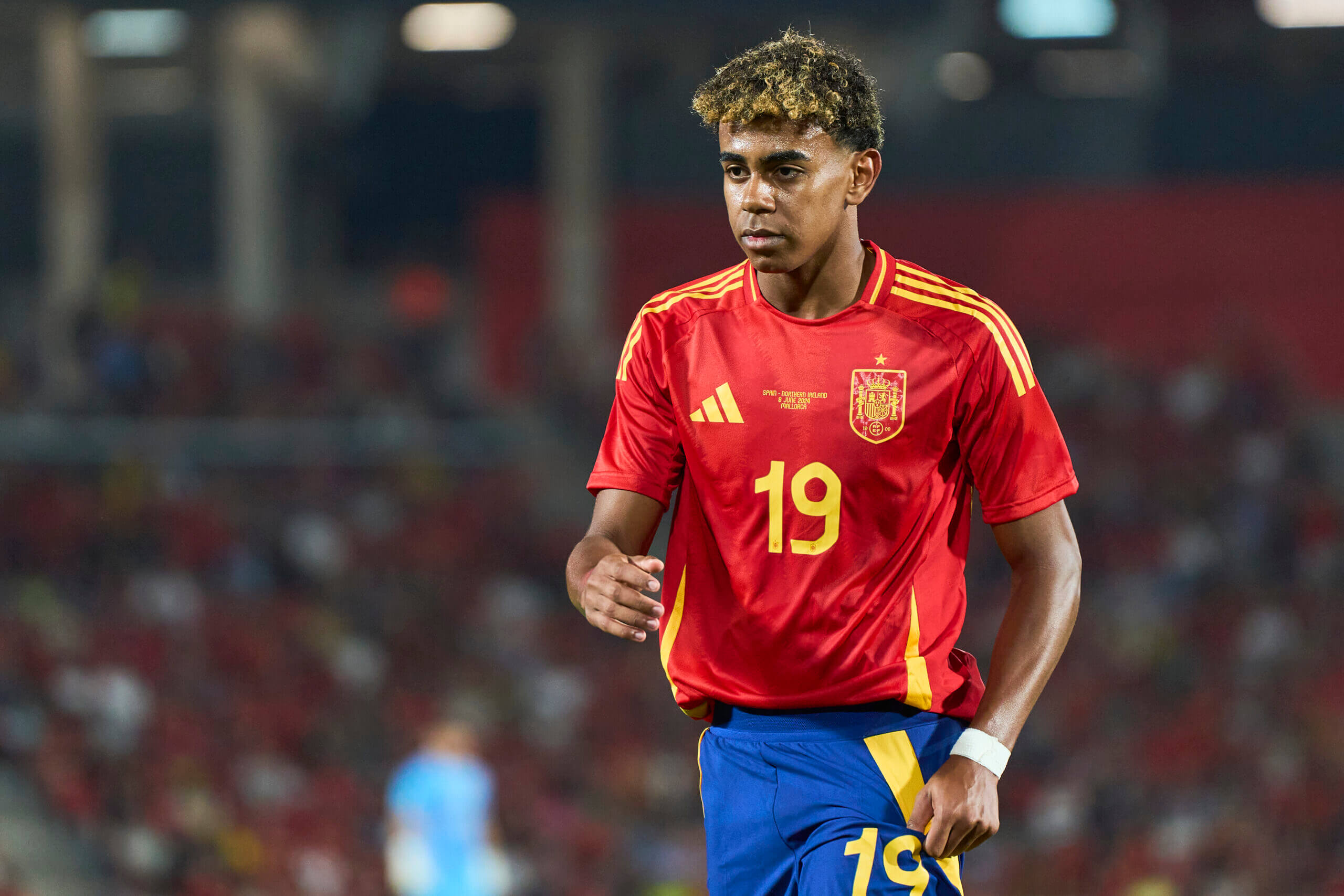
That's why he considers the match against Portugal as the most important game of Lamine's career. Not because of his magical performance with the ball, but because of his tireless effort without the ball.
He says, 'This is Lamine's time. It's not time to score 10 goals. It's time to be decisive in a decisive match.'
'In my understanding, success comes from a good team. If a few extraordinary individual talents are added to it, a state of near perfection is created. But this is the only way to achieve success.'
- Belief in Continuity
De la Fuente is a big fan of Mikel Oyarzabal. According to him, 'Oyarzabal is one of the top five center-forwards in the world. In different circumstances, he should have been recognized as a top player worldwide much earlier. Only now are people starting to recognize him as such.'
De la Fuente's entire life is an example of continuity. He still exercises daily to keep himself fit.
He says, 'This is my lifestyle. The most important thing is continuity. I have always been taught to be disciplined and consistent.'
'My friends used to call me 'the tireless person'. Because once I set a goal, I don't stop until I achieve it.'
And, right now, he has only one goal in his mind. That is, to take Spain to the pinnacle of the World Cup.
(From BBC)
This specific news has been automatically translated by AI. As a result, there may be some inaccuracies or language errors.