
Supreme Court Upholds Metropolitan Police's Authority in Traffic Management

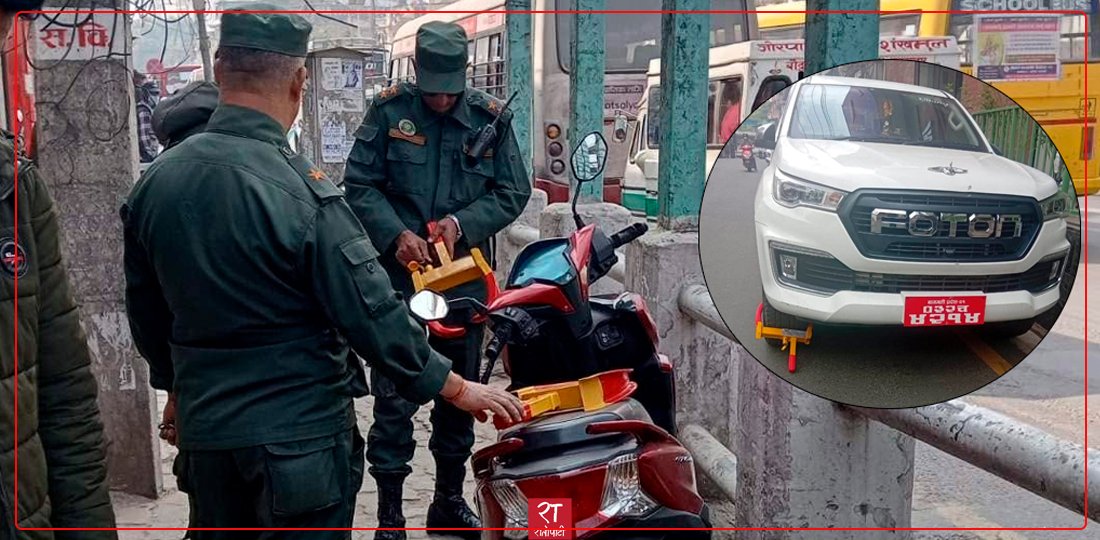
Kathmandu. A debate has arisen regarding the issue of giving the authority to local government's security personnel, 'Metropolitan Police', to manage traffic. The issue of wheel lock and the jurisdiction of the Metropolitan Police Force has been raised again following the incident on Thursday in Tripureshwor where Ganesh Nepali, a resident of Mugu with a temporary residence in Bhaktapur, set himself on fire due to his motorcycle being wheel-locked by the Metropolitan Police.
The jurisdiction of the Metropolitan Police in managing vehicles is a recurring issue.
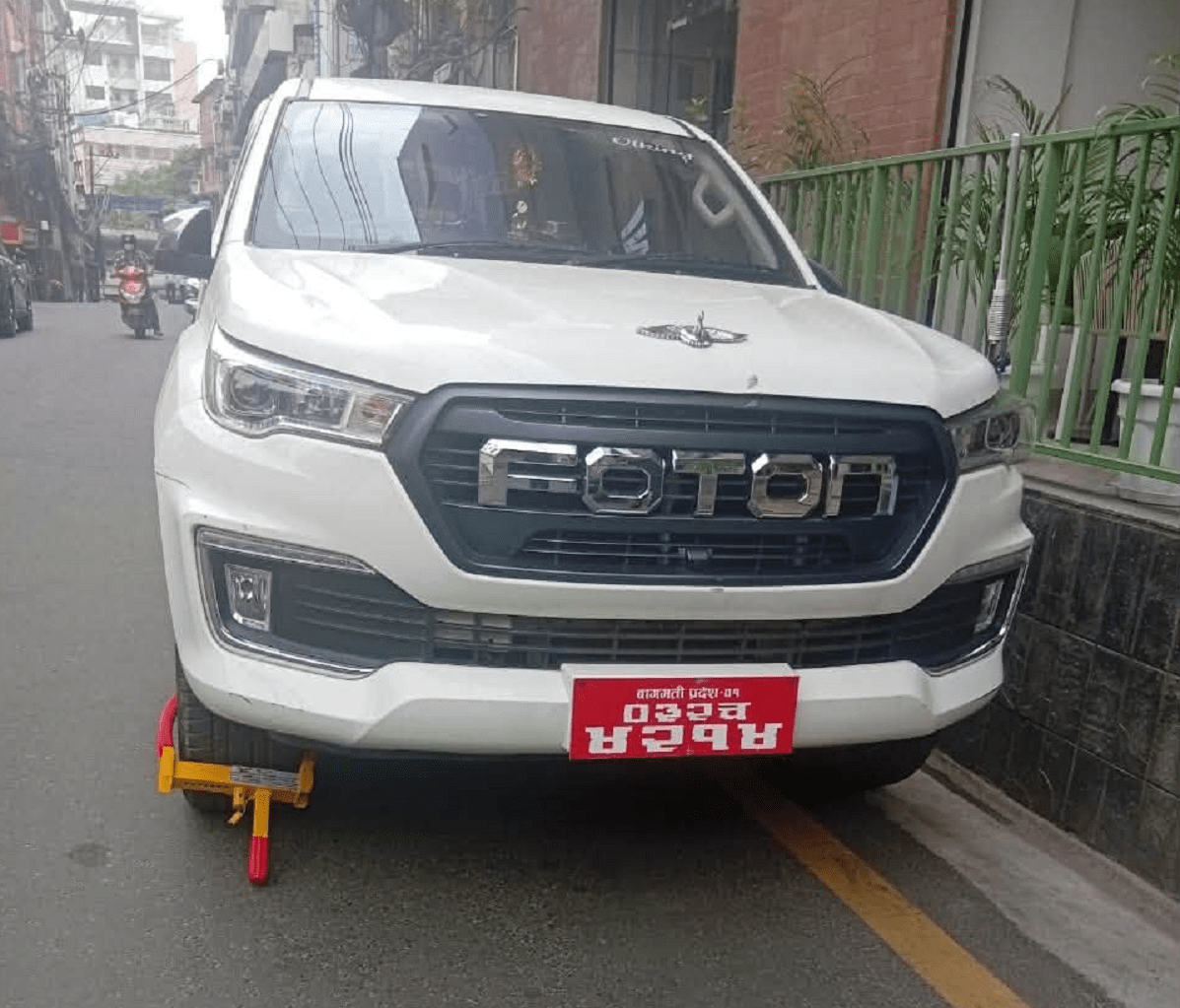
What does the Metropolitan Police Act say?
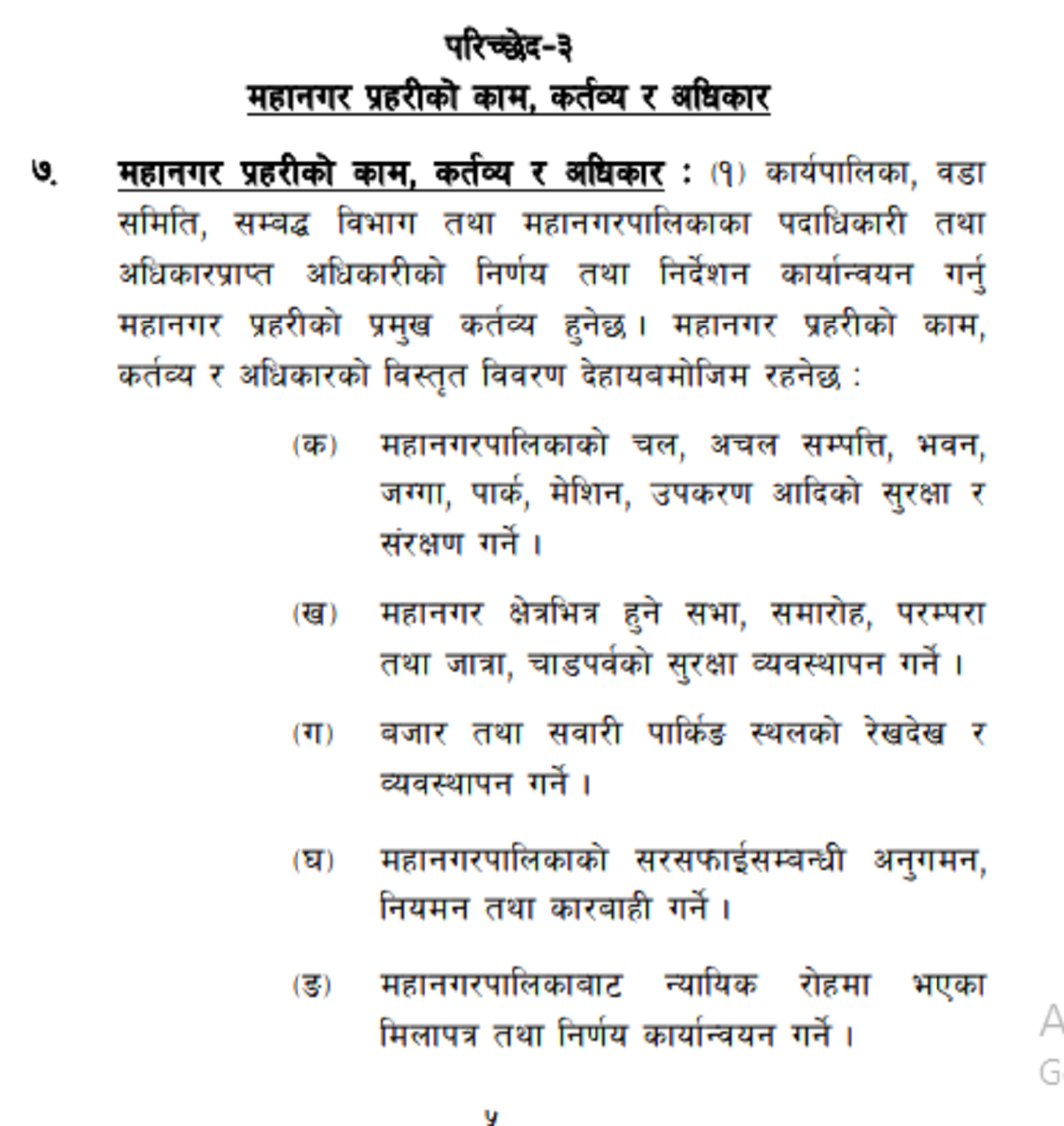
The Metropolitan Police Act, 2080, legally clarifies the scope of work, duties, and authority of the Metropolitan Police Force regarding vehicle and traffic management. This Act, issued with the objective of maintaining urban order and proper management of public spaces within the metropolitan area, assigns specific responsibilities to the Metropolitan Police, ranging from vehicle parking to removing road obstructions.
Under Section 7 of Chapter 3 of the Act, the role of the Metropolitan Police in vehicle and traffic management has been legalized by detailing their work, duties, and authority.
As per the provisions in the Act, the Metropolitan Police are given the primary responsibility of overseeing and managing markets and vehicle parking areas within the metropolitan area. This provision legally empowers the Metropolitan Police to discourage haphazard parking within the metropolis and ensure vehicles are parked in designated areas in an organized manner. Furthermore, the Metropolitan Police are also vested with the authority to remove various construction materials and other obstructions placed on roads or footpaths that impede public movement, thereby ensuring open and smooth urban roads.
The role of the Metropolitan Police has also been defined in minimizing environmental impact. The Metropolitan Police are assigned the responsibility of facilitating the control of air and noise pollution generated by vehicles operating within the metropolitan area.
Supreme Court Verdict in Favor of the Metropolis
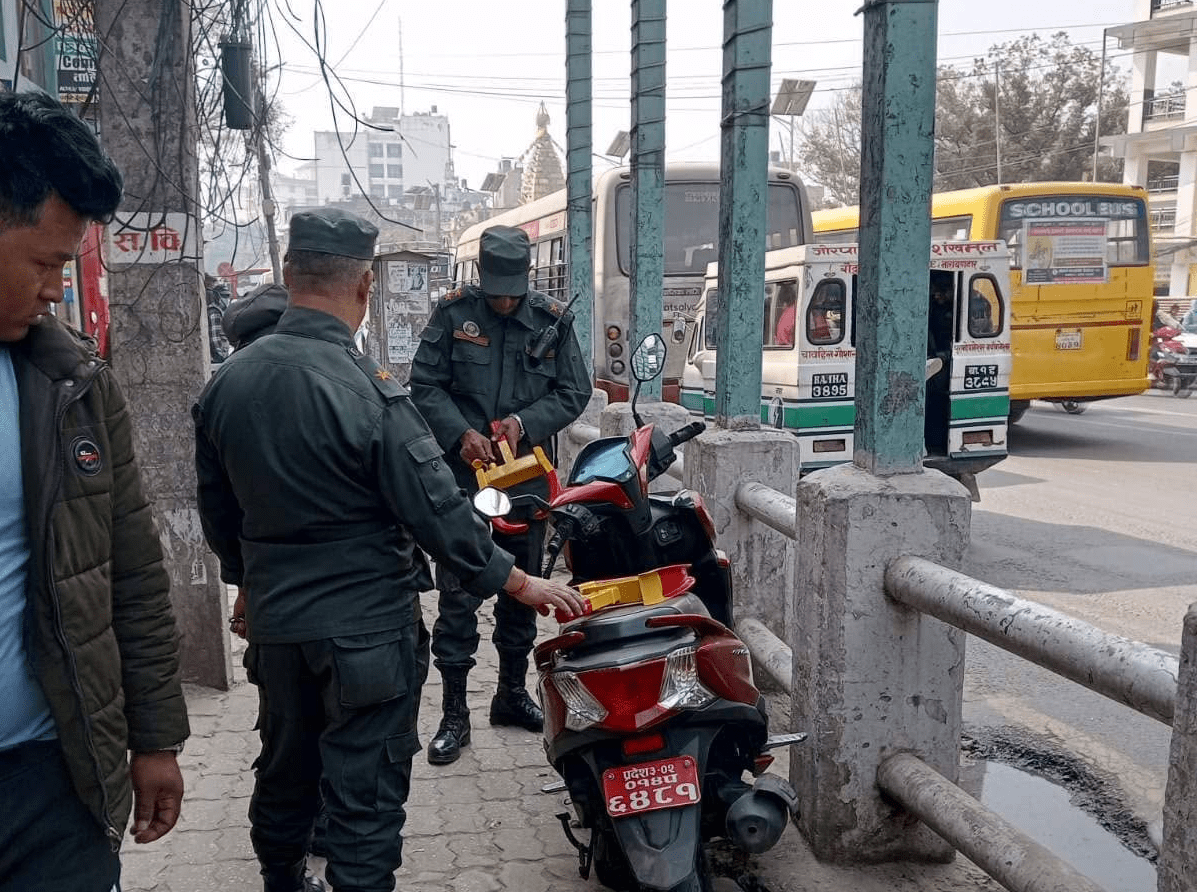
A legal dispute arose regarding the Metropolitan Police wheel-locking, towing, and fining vehicles, leading to a case filed in the country's highest judicial body. On Poush 23, 2082, a joint bench of the Supreme Court issued an order stating, 'It cannot be considered contrary to law for the Metropolitan Police Force to wheel-lock, tow, and impose fines on vehicles parked in unauthorized places to regulate parking, ensure the freedom of movement for the general public, and control crowds for urban management.'
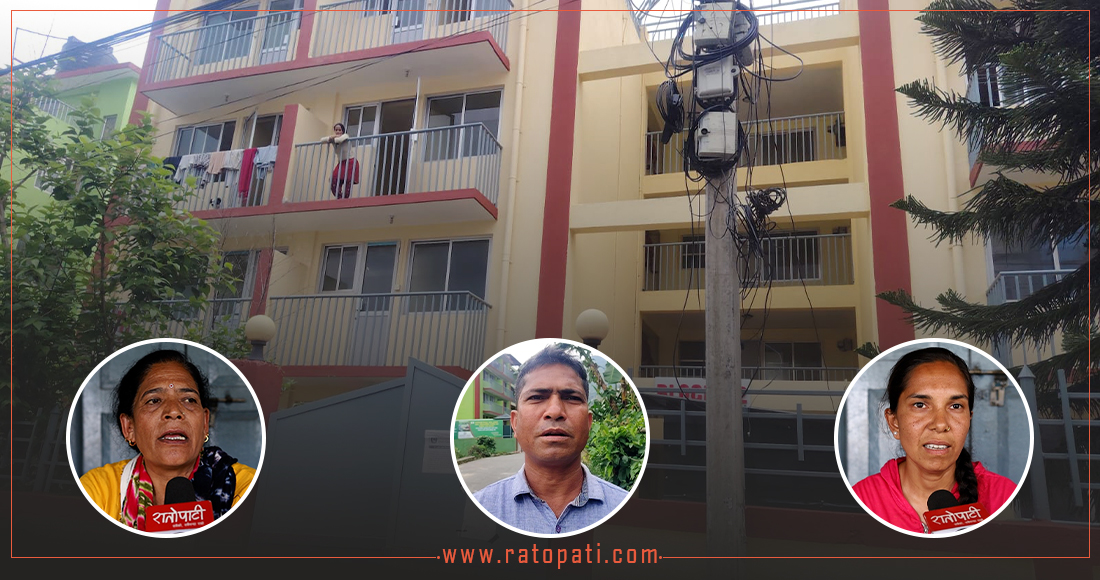
Vivek Chaudhary, Roshan Aauji, and Ashish Keshari, students at Nepal Law Campus, filed a writ petition seeking an interim order to refund fines and stop towing, citing an incident on Kartik 28, 2082, when their motorcycles were taken away without notice or warrant while they were in Mahabouddha to pick up goods, and were not returned without paying fines. The Supreme Court dismissed the writ petition filed against the Kathmandu Metropolitan City and the Valley Traffic Police Office.
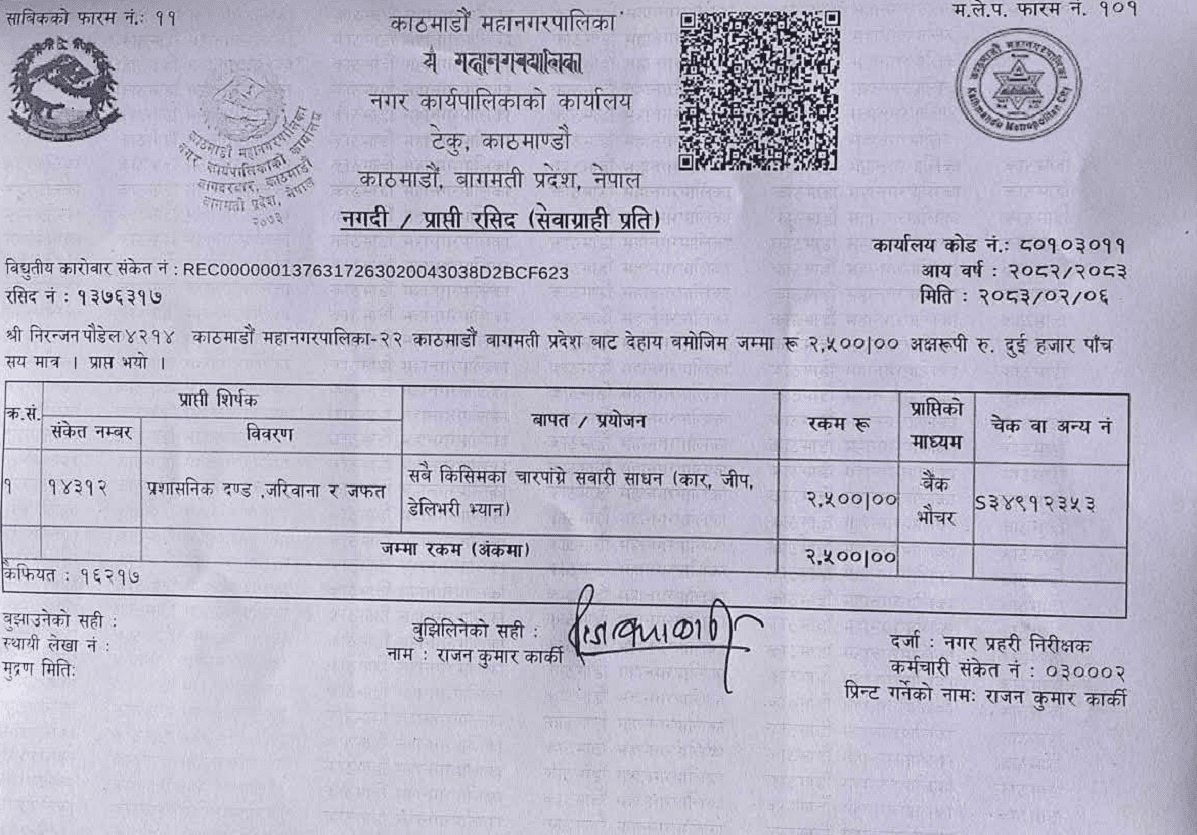
In this petition, a 15-day written response was sought from the respondents. The petitioners had requested that the Metropolitan Police Force's action of taking away motorcycles and imposing fines be quashed by a certiorari order, arguing that it was contrary to the established principles of natural justice and beyond their jurisdiction.
The order stated that interpreting and understanding all places as permissible for parking simply because there is no 'no parking' sign is not logical, practical, or reasonable. Section 164 of the Vehicle and Transport Management Act, 2049, provides legal provisions for immediate punishment for parking vehicles in prohibited areas and times, or for parking vehicles in public places in a manner that obstructs others. The Constitution of Nepal and the Local Government Operation Act, 2074, grant local governments the authority to form Metropolitan Police.
The Kathmandu Metropolitan City's Metropolitan Assembly, in 2080 BS, also issued the Metropolitan Police Act, 2080, outlining the necessary tasks for urban management.
This specific news has been automatically translated by AI. As a result, there may be some inaccuracies or language errors.

_2r7cGHlo8q.jpg)