PID Director Highlights Budget Process Issues and Security Concerns for Kathmandu Water Supply

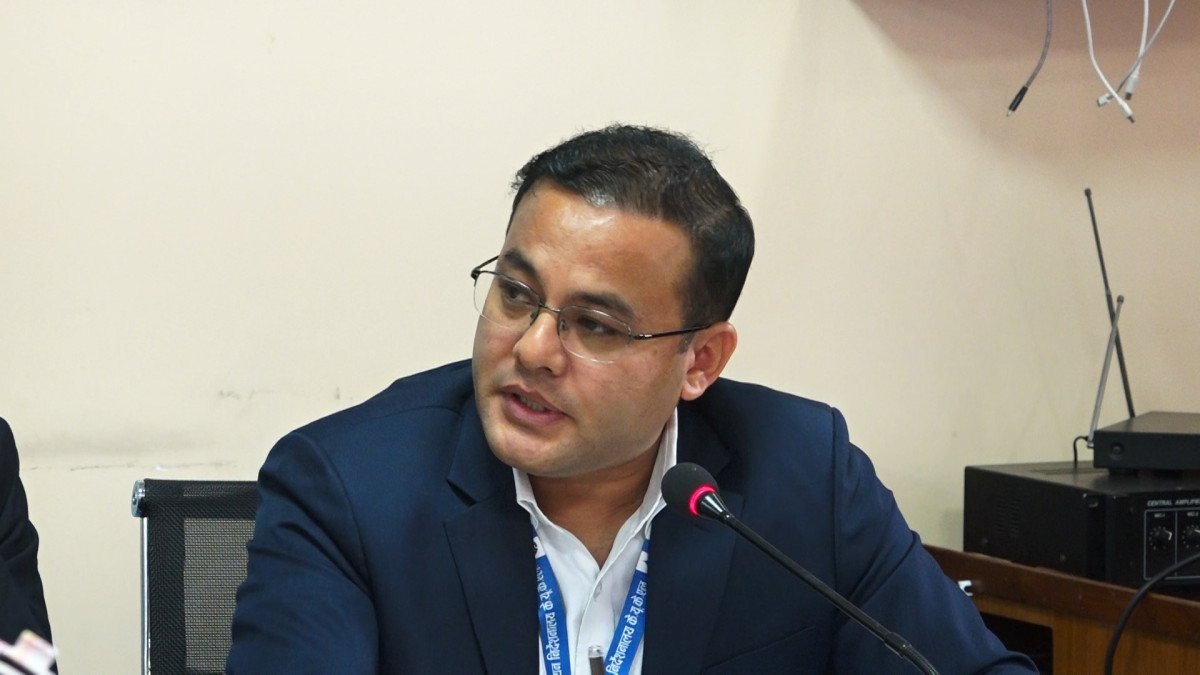
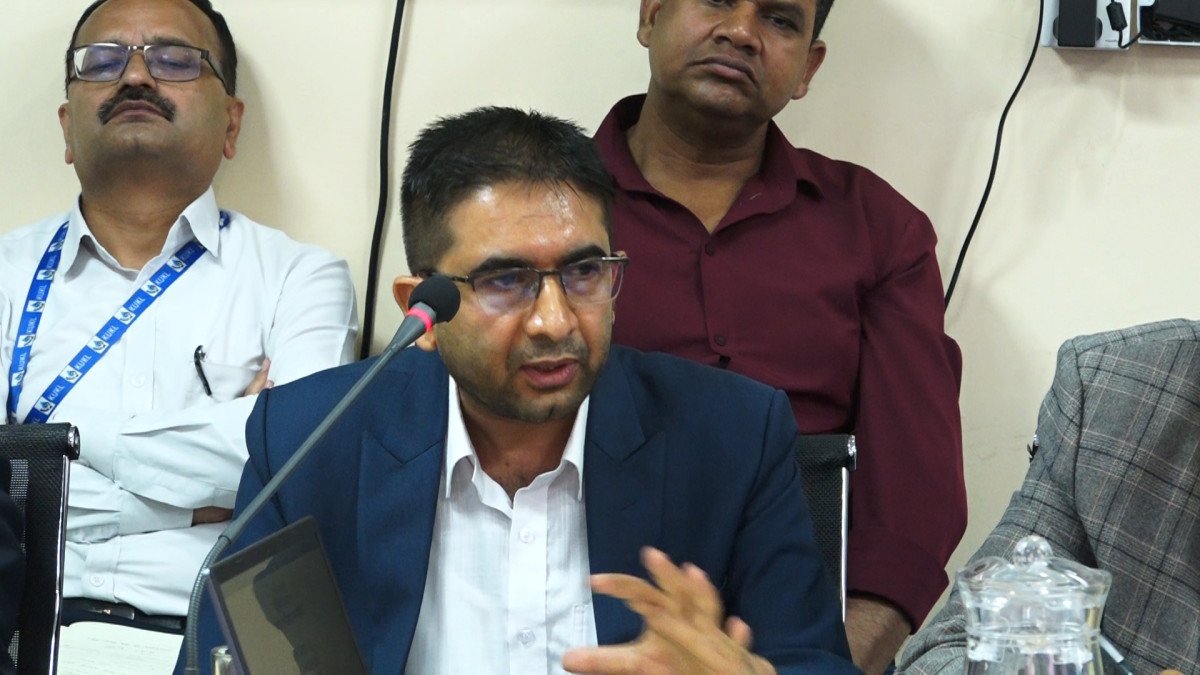
Kathmandu. Project Implementation Directorate (PID) Director Ramkumar Shrestha has stated that the budget release process for water supply and infrastructure construction in the Kathmandu Valley is very cumbersome.
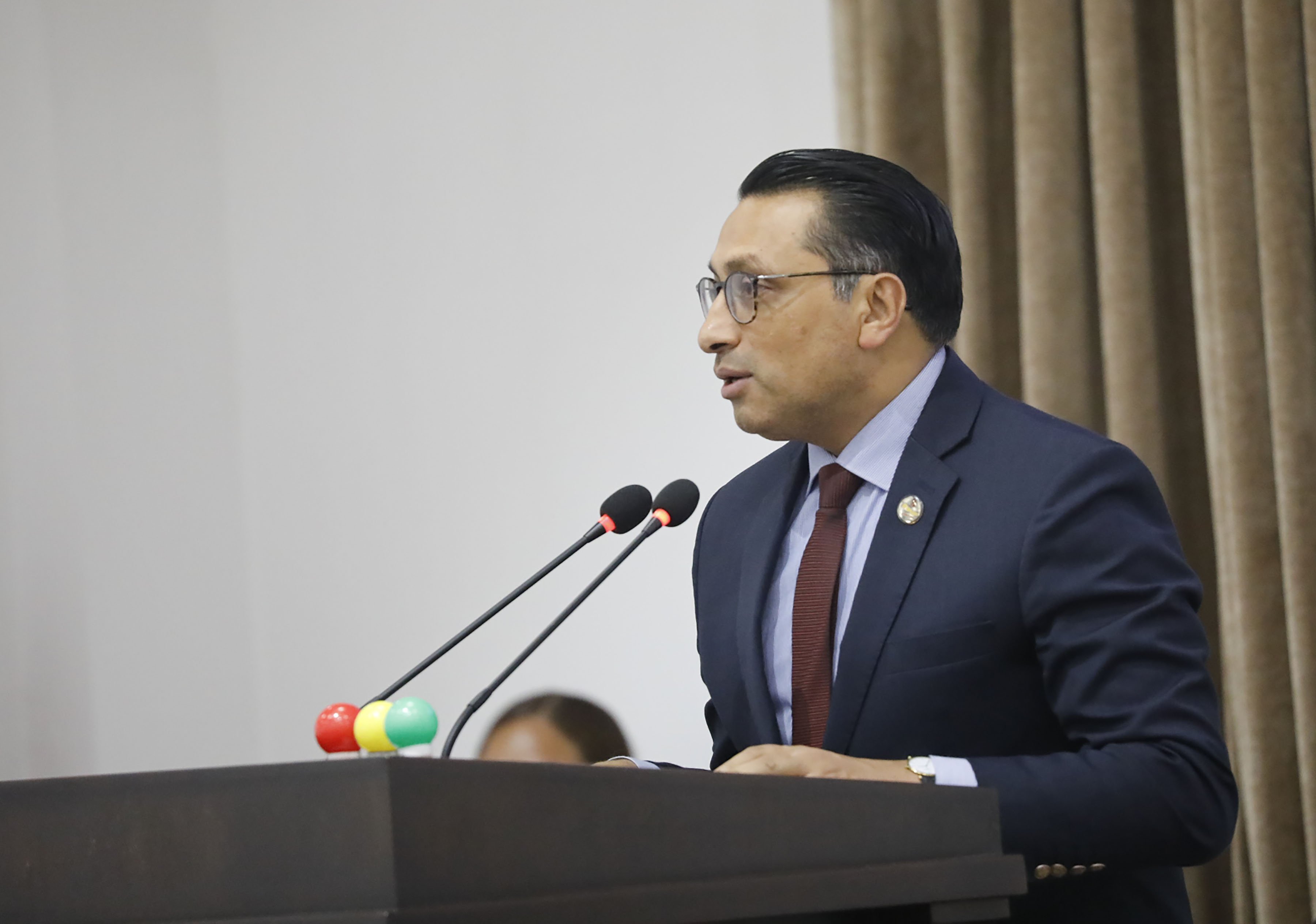
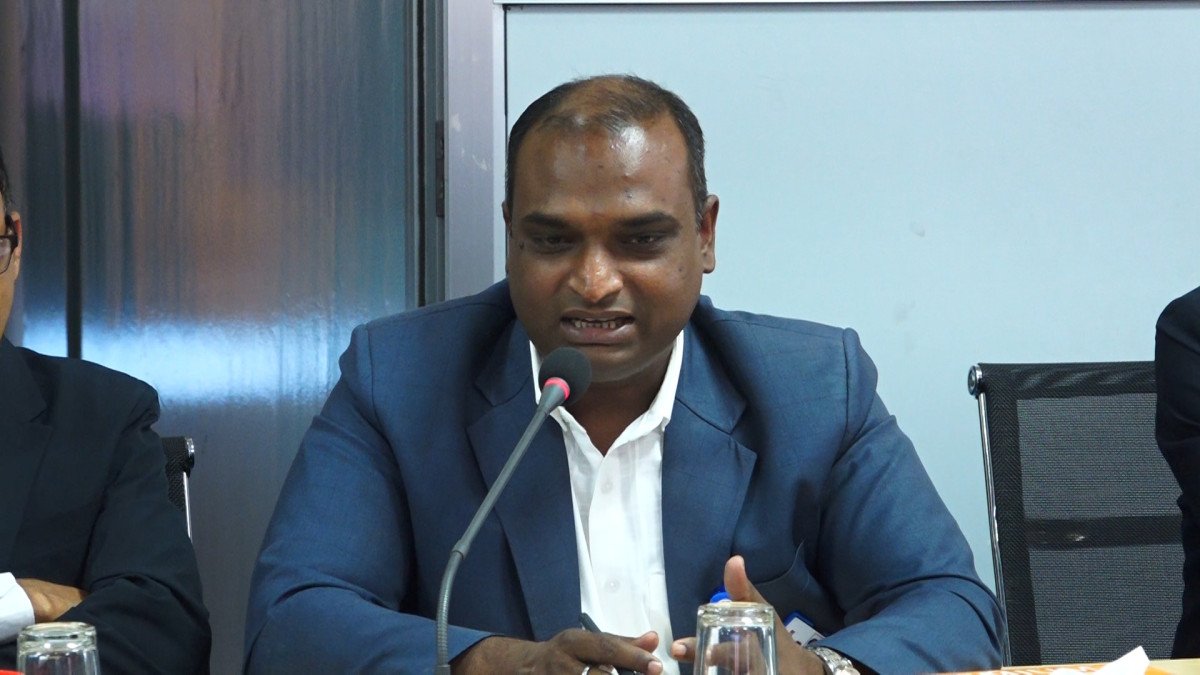
Speaking at a meeting of the Parliament's Infrastructure Development Committee on Wednesday, Director Shrestha revealed that a file has to go through 64 tables to get budget approval.
According to Director Shrestha, it takes a long time for the budget to reach PID from the Ministry of Finance, the Public Debt Management Office (PDDMEO), and the Valley Board for projects funded by loans or grants from the Asian Development Bank (ADB). PID is specifically undertaking the work of laying pipes for the 'bulk distribution system' and primary lines within the Ring Road for the distribution of Melamchi's water.
Although there is a plan to distribute water through 10 water tanks, most of the tanks have been constructed outside the Ring Road. Director Shrestha informed that preparations are underway to address the demand from residents outside the Ring Road who also deserve to receive Melamchi's water.
Currently, water is being supplied by dividing approximately 56 'District Metering Areas' (DMAs) within the Ring Road, of which 24 DMAs have already been handed over to the Kathmandu Upatyaka Khanepani Limited (KUKL). It is stated that the process of handing over the remaining areas will proceed after testing.
The Directorate is preparing to issue a new tender for the Alubari area by the second week of July as the old contract has been terminated. Similarly, tenders have been called and contract processes are underway for the Kirtipur, Madhyapur Thimi, Bhaktapur, Jorpati North (Kopan), and Jorpati South (Pepsi Cola) areas.
He mentioned that construction entrepreneurs have slowed down their work due to the increase in petroleum prices and stated that if the parliamentary committee issues directives to address the entrepreneurs' demands, it will facilitate work performance.
Director Shrestha expressed serious security concerns, stating that inedible items and dead animals are being found in the water pipelines. Although distribution is being monitored from the central control system (SCADA system) in Maharajgunj, he emphasized that the active involvement of security agencies is also necessary for pipeline security.
Similarly, he drew attention to the situation where the government loses cases and has to pay compensation with interest due to a lack of legal manpower when disputes between the government and construction entrepreneurs go to arbitration. With the increase in water supply in the valley, the construction of sewage treatment plants has been expedited to manage the resulting wastewater.
A treatment plant with a capacity of 30 million liters is operational in Guheshwori, and additional plants are being constructed in Dhobi Ghat, Kodku, Gokarna, and Hanuman Ghat. Director Shrestha also informed the meeting that a proposal has been submitted to the ministry to construct 'underground' sewage treatment plants in areas where unauthorized settlements along riverbanks have been removed, and to build parks on the upper parts. He also mentioned that delays in obtaining permits for digging roads are preventing projects from being completed on time.
This specific news has been automatically translated by AI. As a result, there may be some inaccuracies or language errors.