Lawmakers Express Concern Over Drinking Water Sector Issues

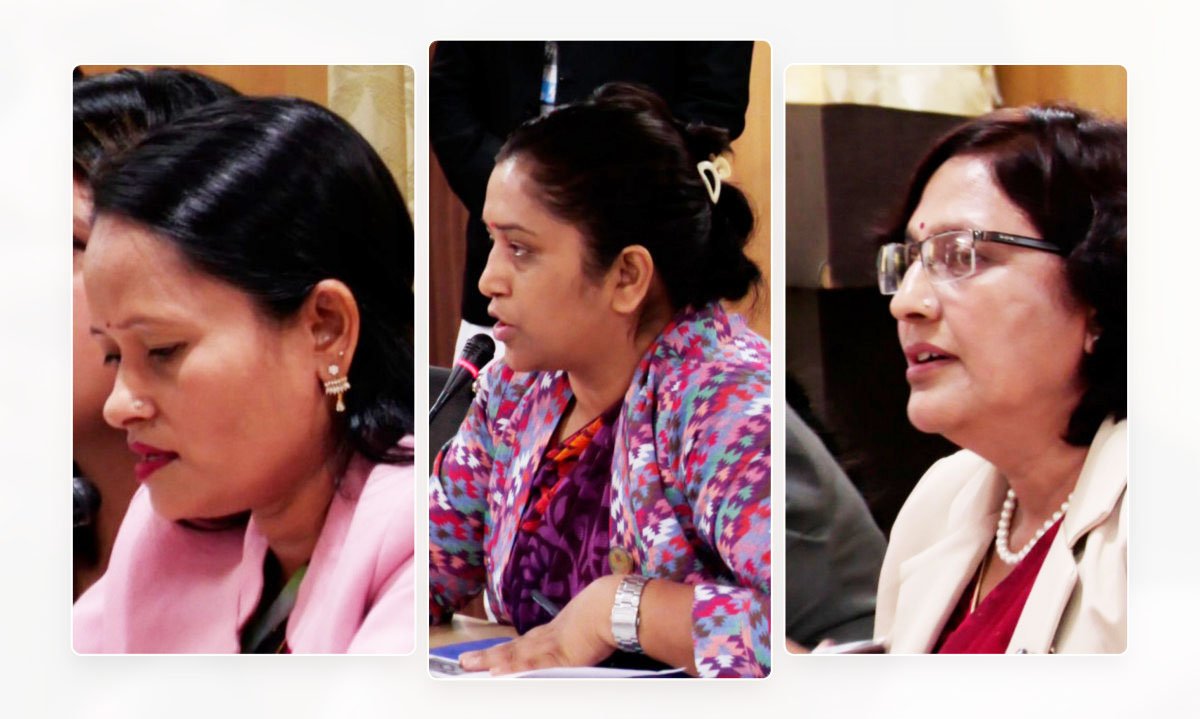
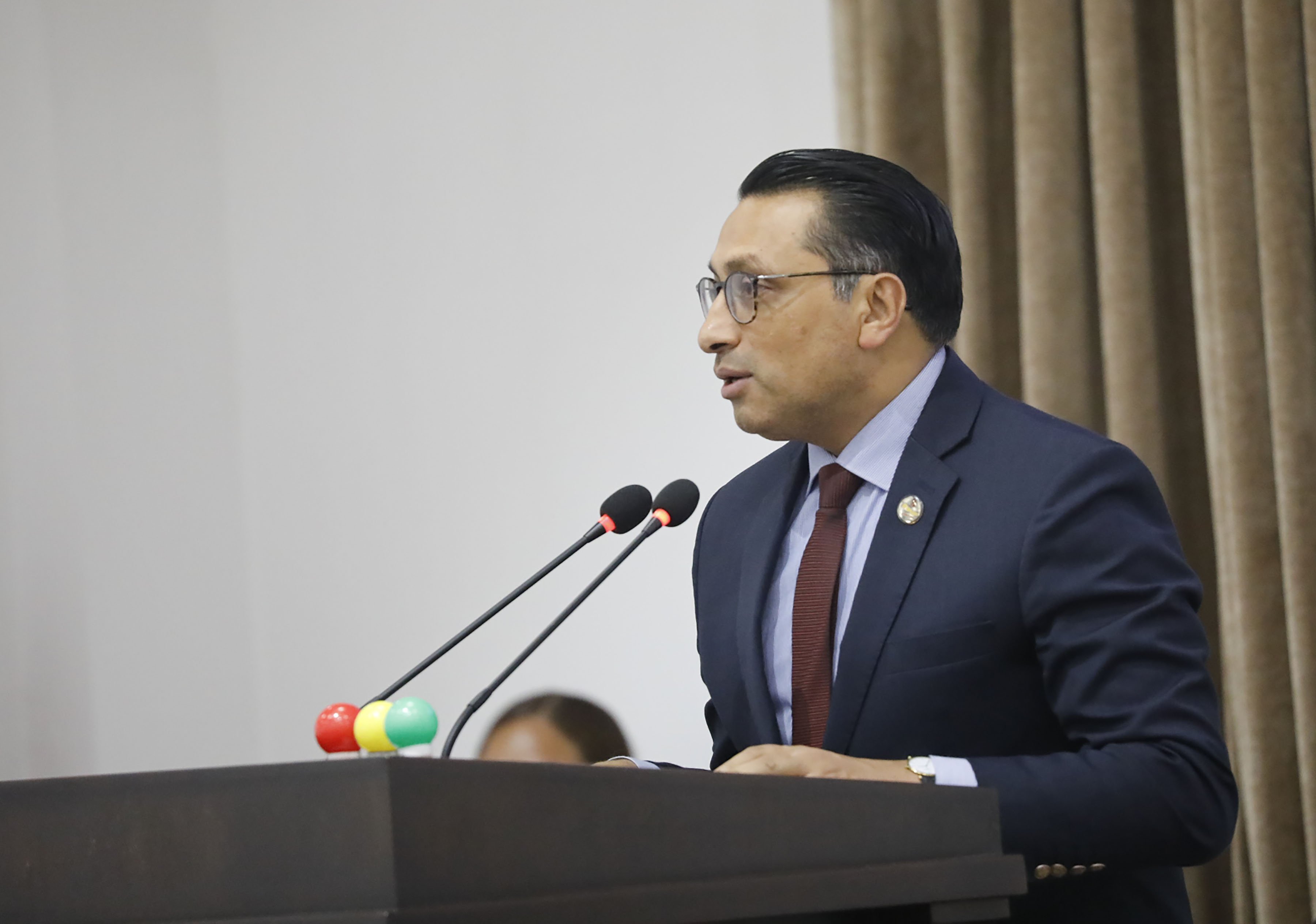
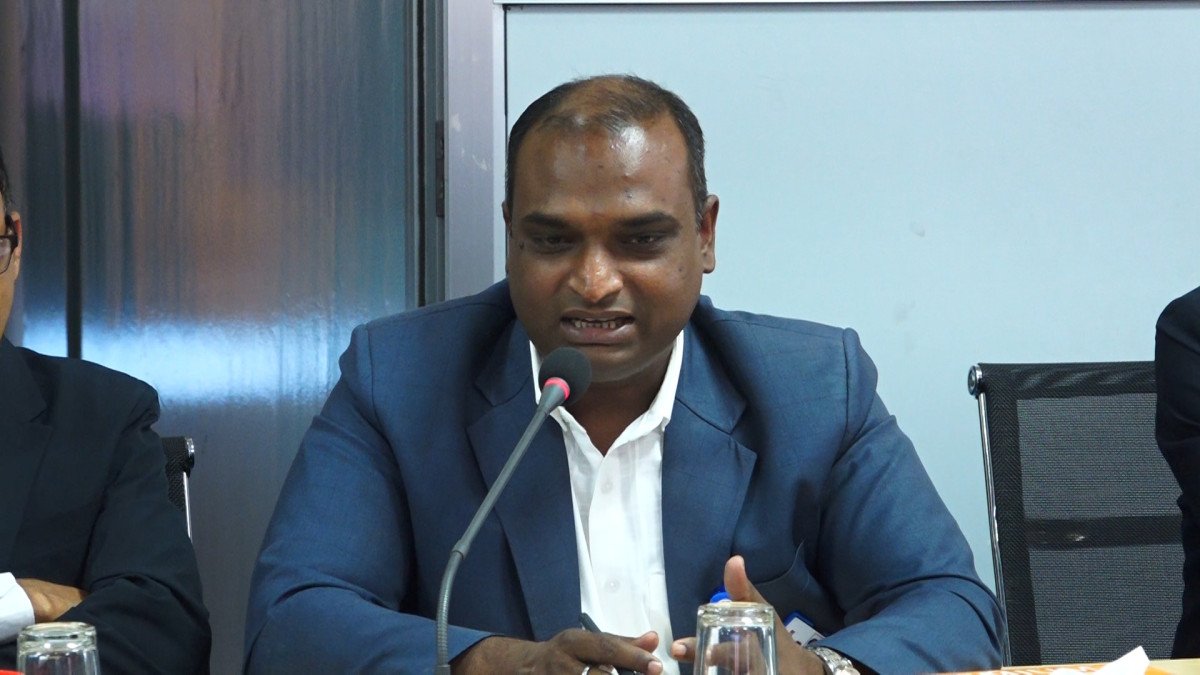
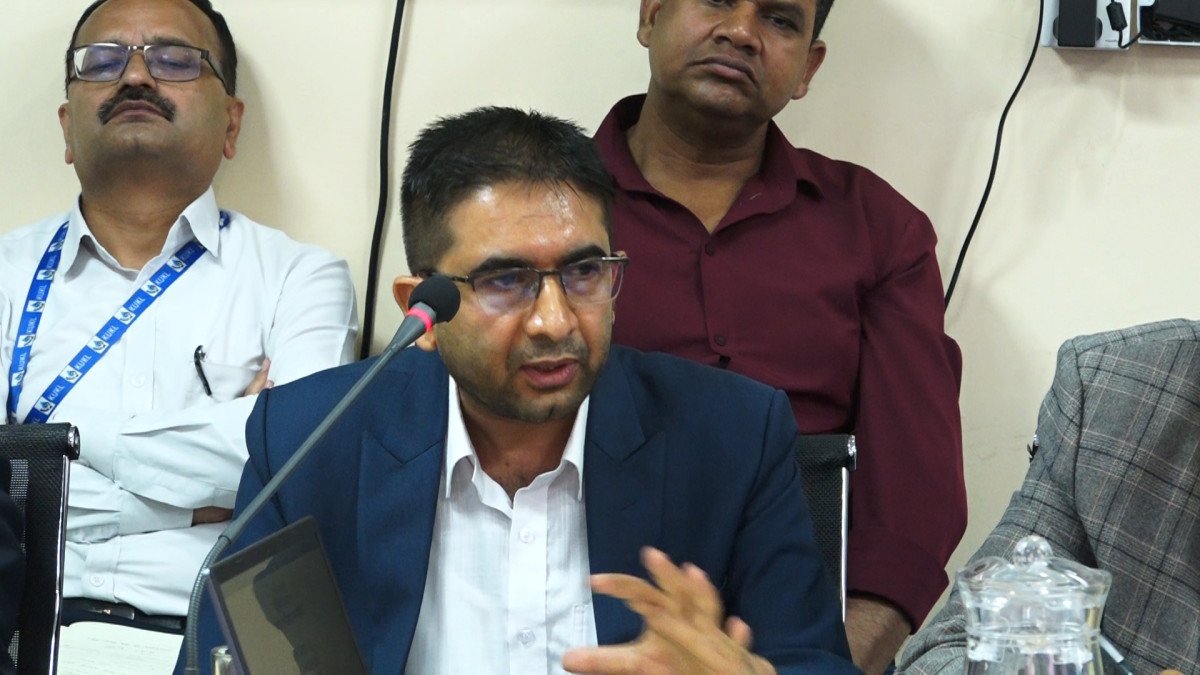
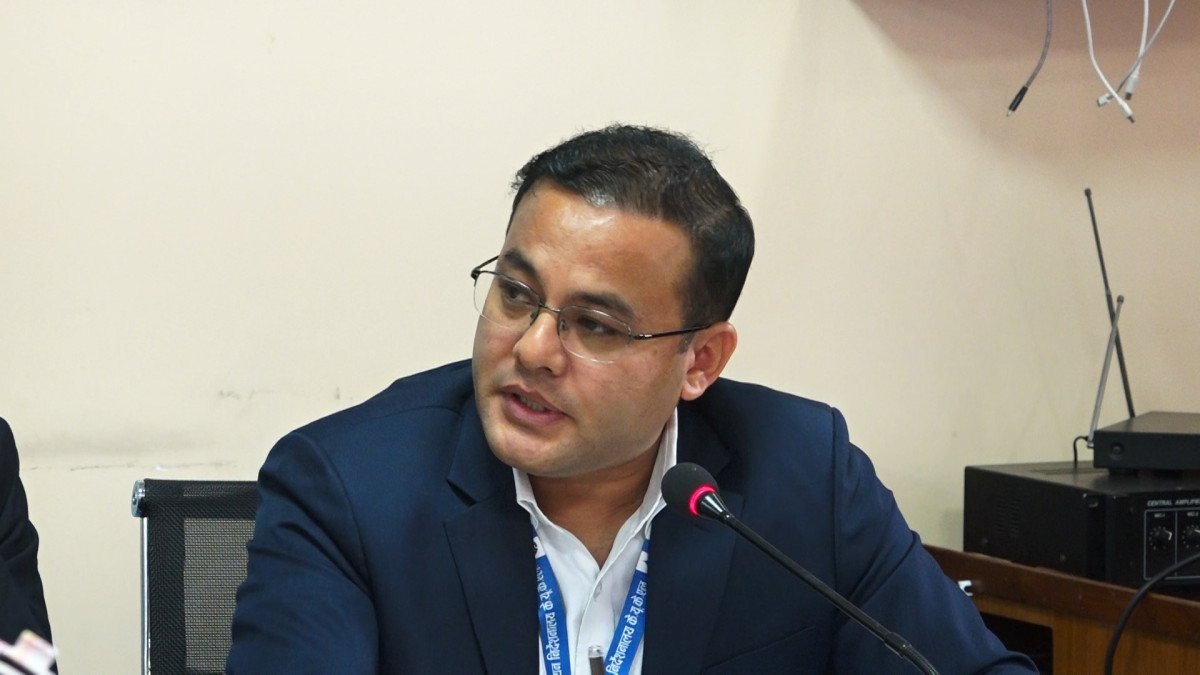
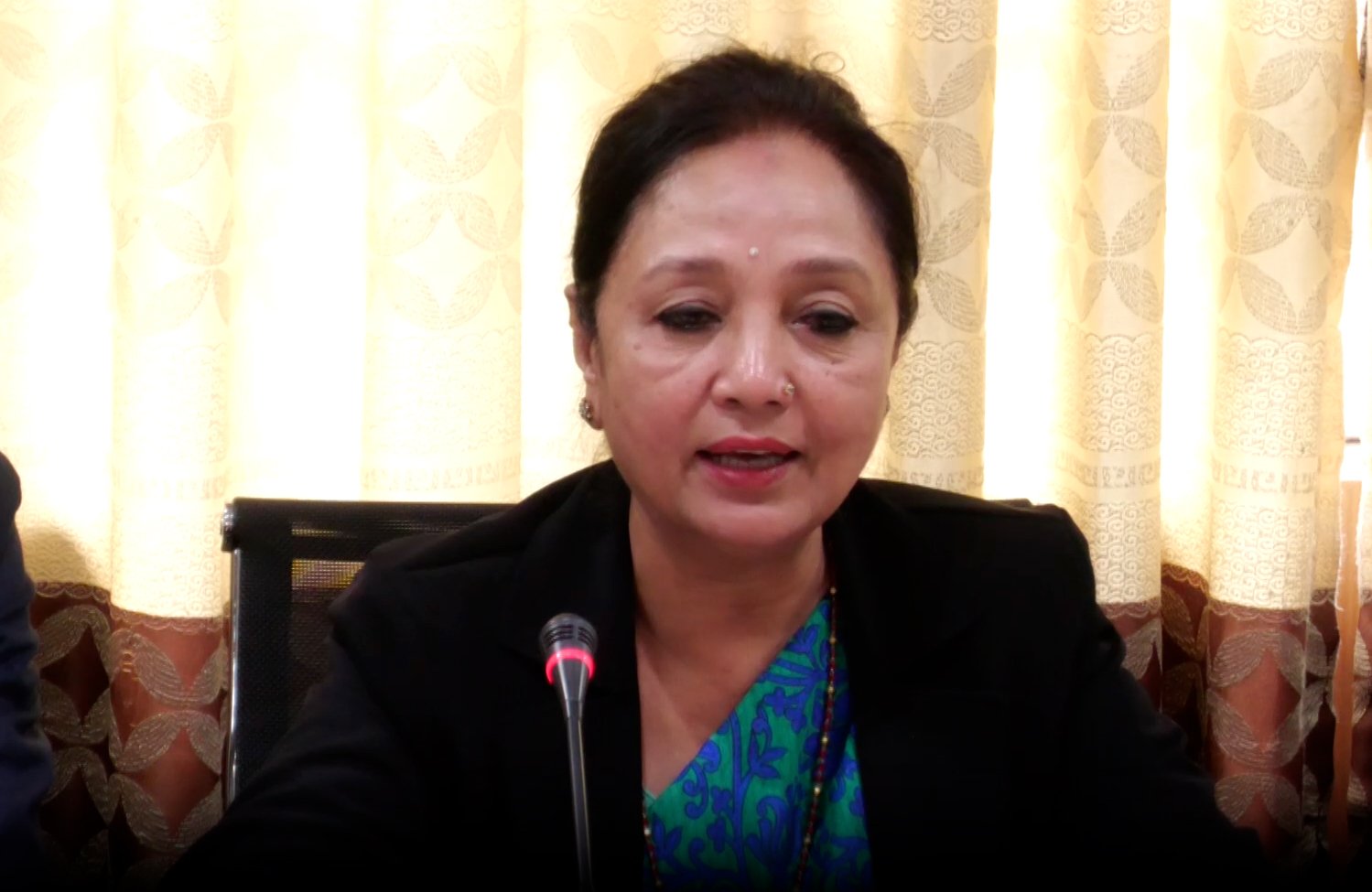
Kathmandu. Lawmakers have expressed concern over the problems seen in the country's drinking water sector, the status of budget implementation, and administrative delays. In a meeting of the Infrastructure Development Committee of the Federal Parliament on Wednesday, lawmakers drew the government's attention to taking effective steps to provide clean drinking water to the public, stating that there is a huge gap between government data and ground reality.
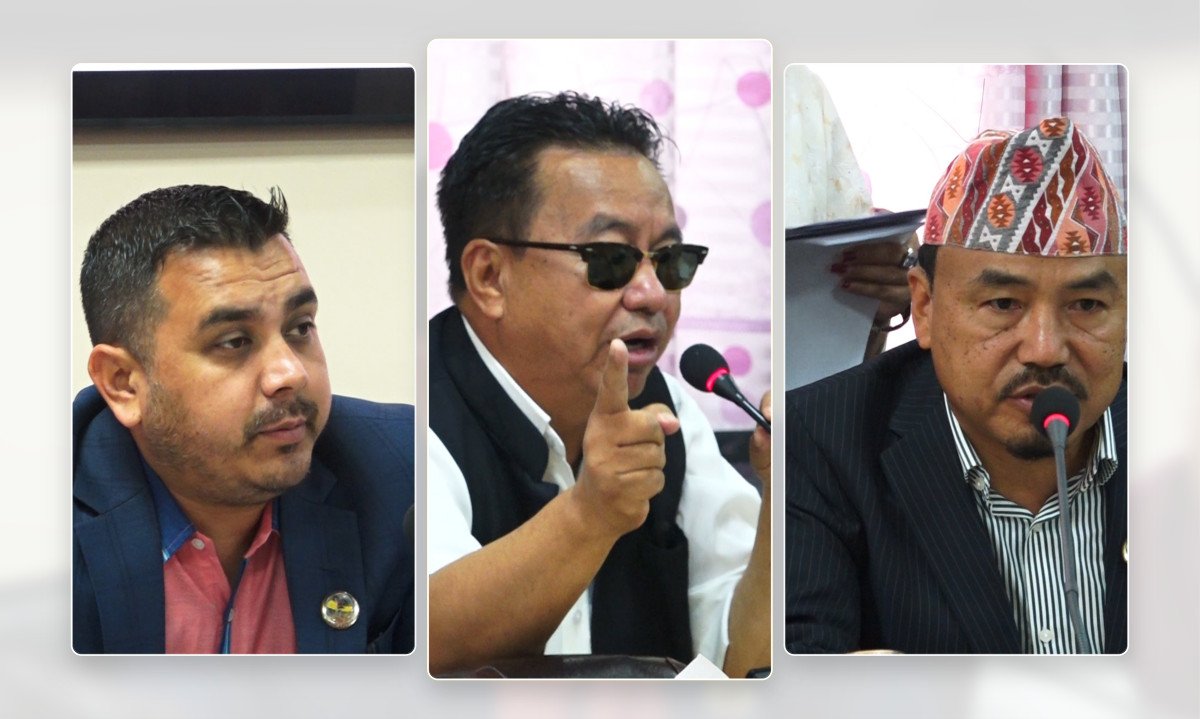
CPN-UML lawmaker Rajendra Prasad Rai emphasized the need to prioritize and complete incomplete drinking water projects now that the budget has been passed. He commented that development work has not gained momentum due to a lack of proper coordination between people's representatives and the bureaucracy. He demanded that incomplete projects be completed by establishing good governance in line with the Prime Minister's commitment, and that the ministry should bring a clear action plan for this.
Lawmaker Rai said in the meeting, 'If the bureaucracy cannot keep pace with the performance of the people's representatives, the results of development will not come. Secretaries and departmental heads must show proactivity in project implementation.'
In the meeting, another lawmaker, Dhanendra Karki, narrated the plight of the people in hilly and rural areas who are still forced to drink muddy and unsafe water despite the abundance of natural resources. He stated that residents in areas where large rivers like Sun Kosi and Kamala flow suffer from epidemics like diarrhea and cholera during the monsoon due to polluted water.
He said, 'Due to the lack of proper management of water sources and the selection of projects based on political biases and prejudices, the genuinely suffering general public are deprived of services. Now, drinking water must be ensured for all in a new way.'
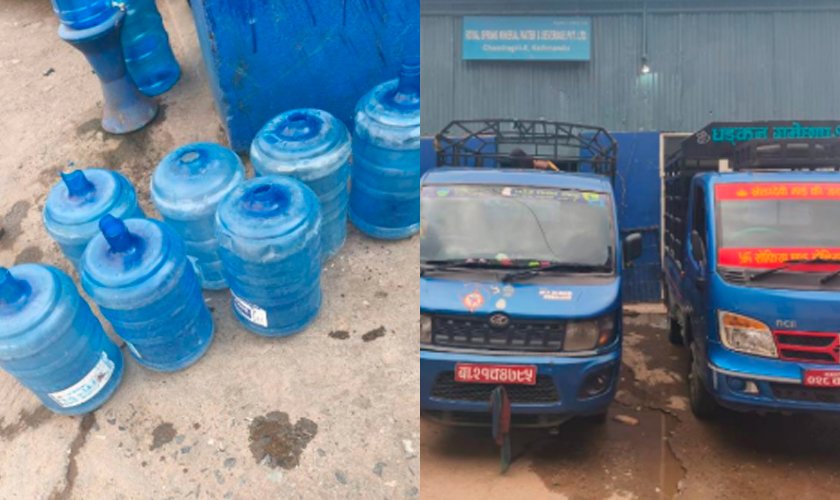
Similarly, lawmaker Purna Prasad Limbu expressed skepticism about the drinking water data presented by the government. He stated that although government data shows that 96.85 percent of the population has access to basic drinking water, the situation in remote areas is still dire. He said, 'Just building one tap based on the community has led to disputes and quarrels in the village. Now, the concept of 'one house, one tap' must be fully implemented.'
Lawmaker Limbu suggested that the quality control of government mechanisms needs to be improved to prevent the trend of poor quality structures built by government bodies and durable structures built by INGOS/NGOs. Lawmakers have emphasized the need to simultaneously carry out social awareness and maintenance programs for the sustainability of drinking water projects. Although the Secretary of the Ministry of Drinking Water and other officials were present in the meeting, lawmakers also expressed dissatisfaction over the absence of the minister.
This specific news has been automatically translated by AI. As a result, there may be some inaccuracies or language errors.