Nepal Drinking Water Institute Claims Water Quality Meets Standards

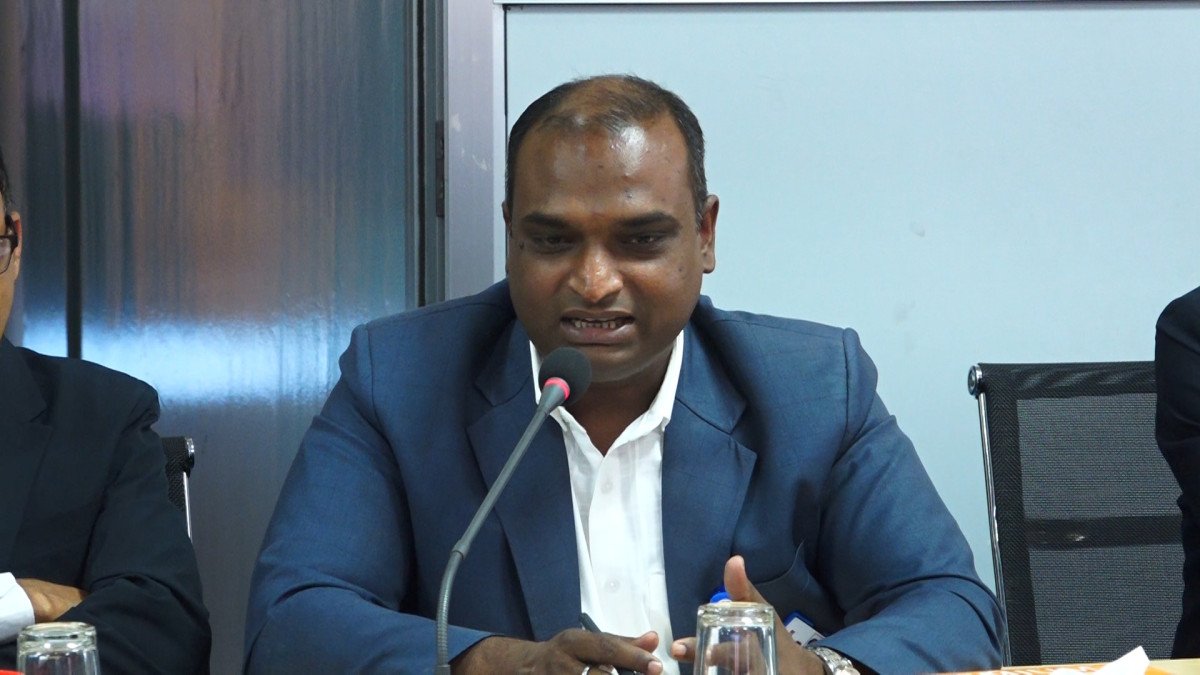
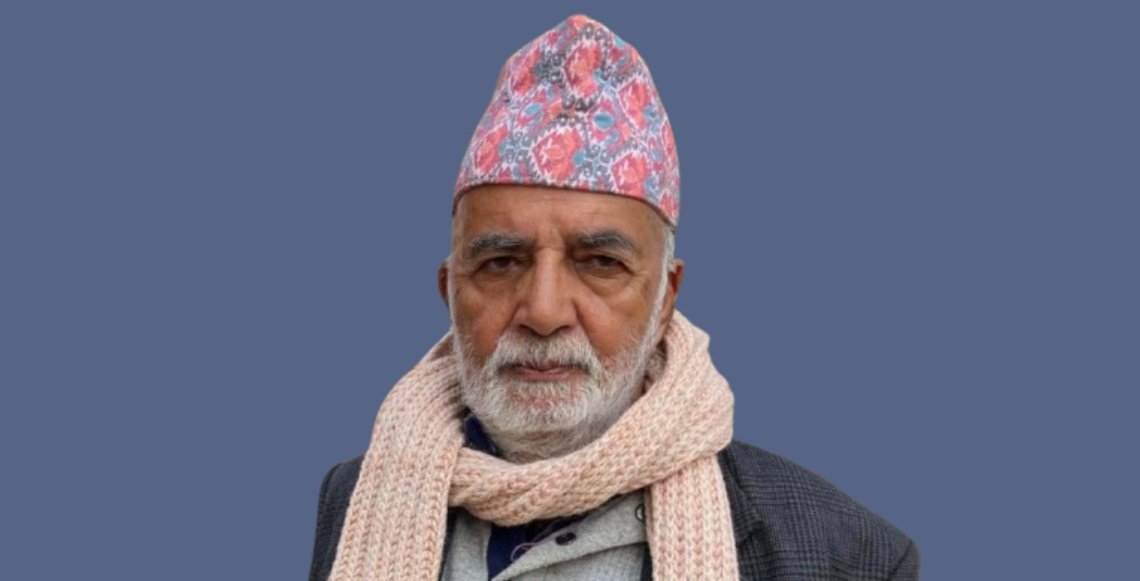
Kathmandu. Nepal Drinking Water Institute Acting General Manager Shailendra Prasad Sah has claimed that the quality of drinking water being distributed within the municipal area is as per the standards.
While presenting his views in the meeting of the Infrastructure Development Committee under the House of Representatives on Wednesday, he informed that the management work including source protection and quality testing with a laboratory is moving forward.
Acting General Manager Sah said that the long-standing problematic drinking water project in Butwal has now gained momentum. According to him, programs like Water Safety Plan and Recharge Plan have been included in the new budget and are in the process of approval.
Speaking on the financial condition and tariffs of the institute, Sah mentioned that it is difficult to meet the operating expenses with the current tariff rate. He stated that the minimum tariff of Rs 110, set in 2070 BS, is still being used to provide services.
Although the institute is called a service-oriented organization, he said that the obligation to pay up to 15 percent interest on foreign loans is hindering institutional development. Commenting on the government's policy to transfer the institute to local levels, he suggested that the workload and capacity of the municipalities should also be considered.
He said in the meeting, 'The work of that project has moved forward with the facilitation of the Ministry of Water Supply and the current Ministry of Physical Infrastructure and Transport. Although its scheduled time is by Poush 23, with the direction of the Secretary, we are working with the goal of completing it by Kartik.'
Expressing dissatisfaction with the transfer of the institute and the loan issue, he added, 'It is more appropriate to organize it by creating a separate umbrella organization or authority, rather than a discriminatory strategy where loans are waived when transferred to municipalities, but the institute itself has to bear the burden of loans.'
Discussing the practical difficulties in water tap connections, he admitted that the connection fee is expensive for the poor and low-income citizens. He emphasized the need for a clear policy and directive from the ministry level to achieve the national goal of 'one house, one tap'. He stated that the access of common citizens to drinking water can be expanded only if there is policy reform.
This specific news has been automatically translated by AI. As a result, there may be some inaccuracies or language errors.


-samanya_EfykJsXmVc.jpg)