Ministry of Water Supply Secretary Discusses Reforms and Melamchi Project

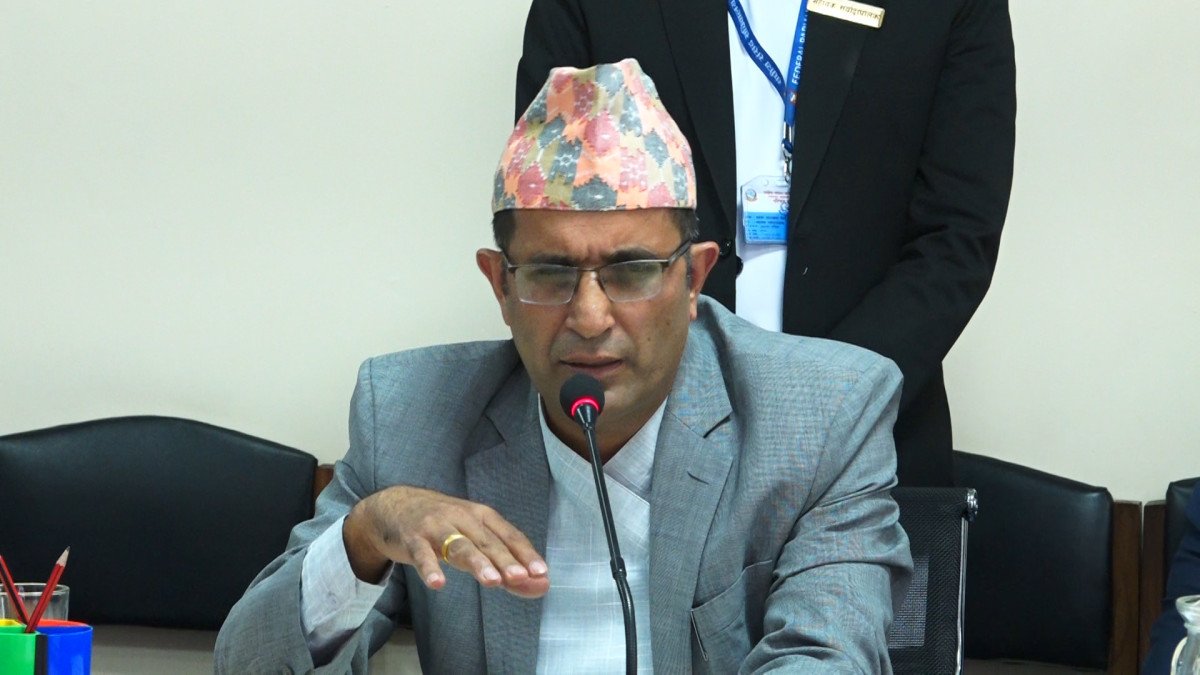
Kathmandu. Secretary of the Ministry of Water Supply, Bishwababu Poudel, has stated that the ministry has started policy and structural changes for the overall improvement of the water supply sector.
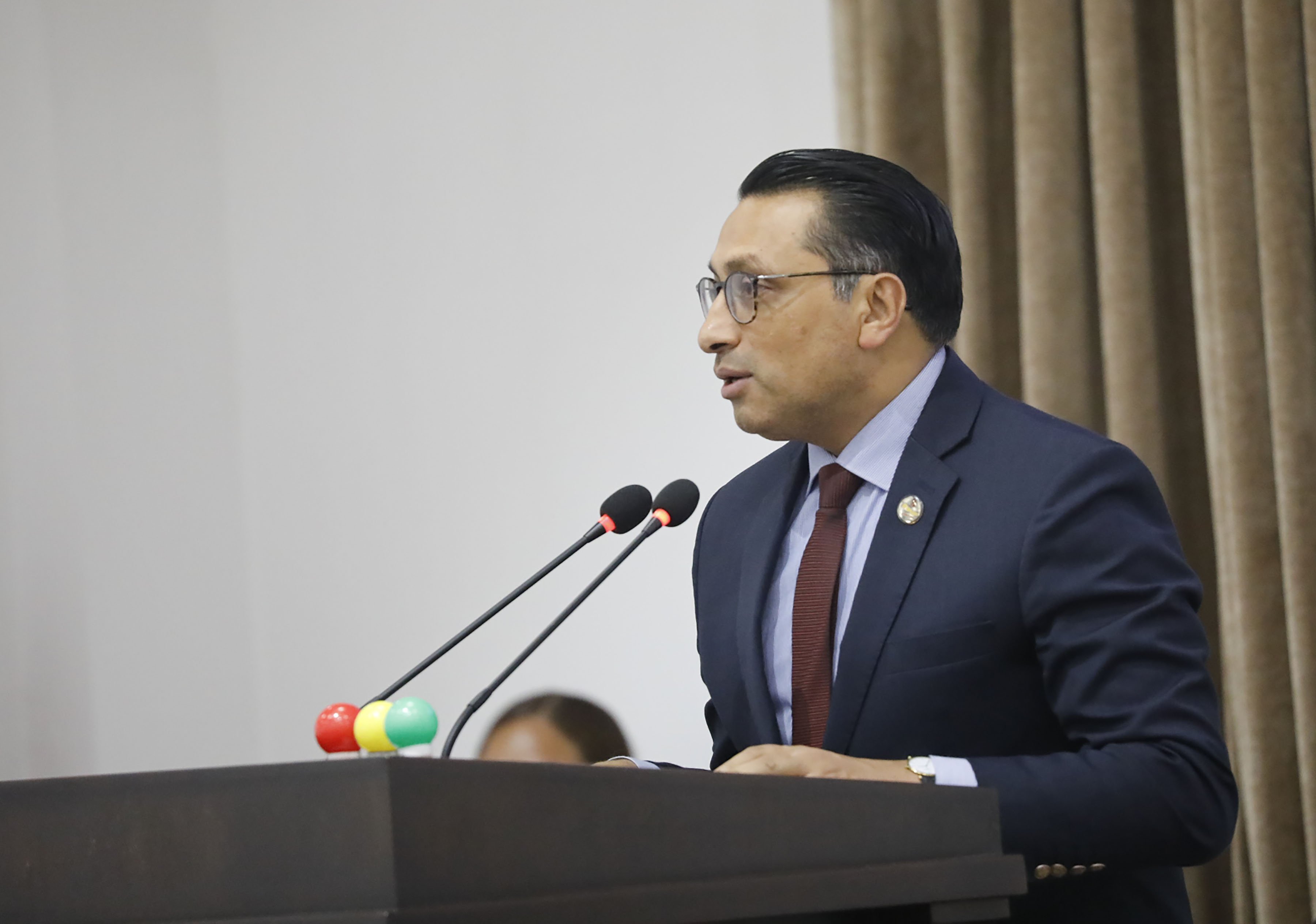
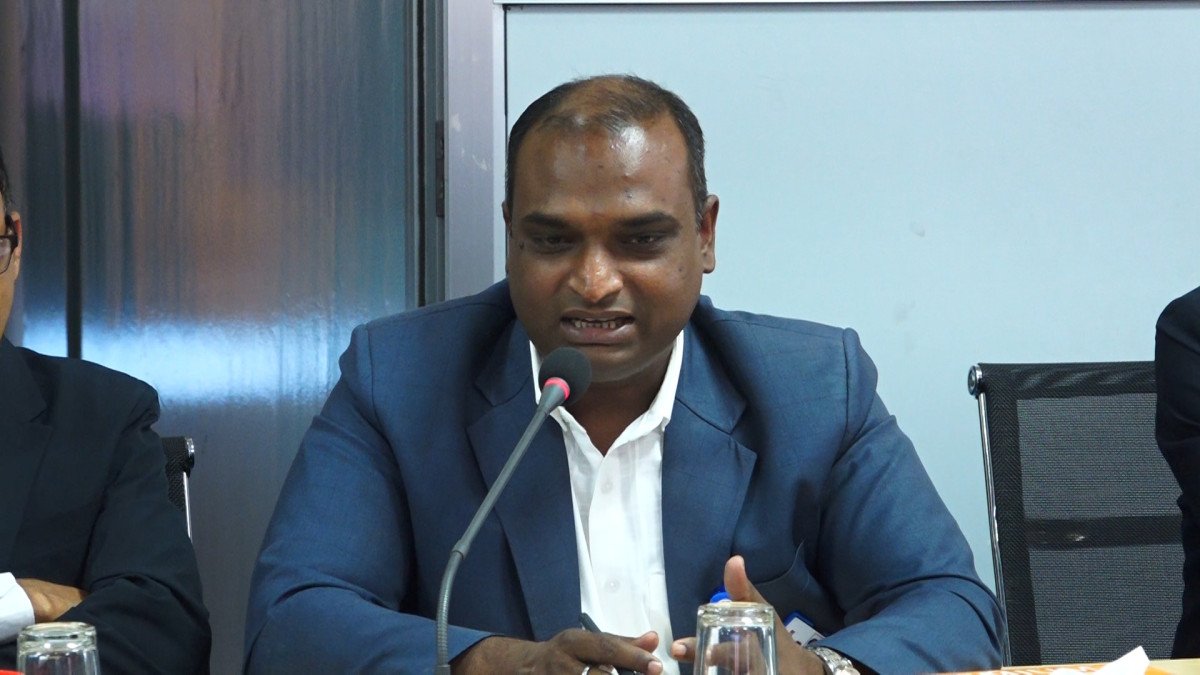
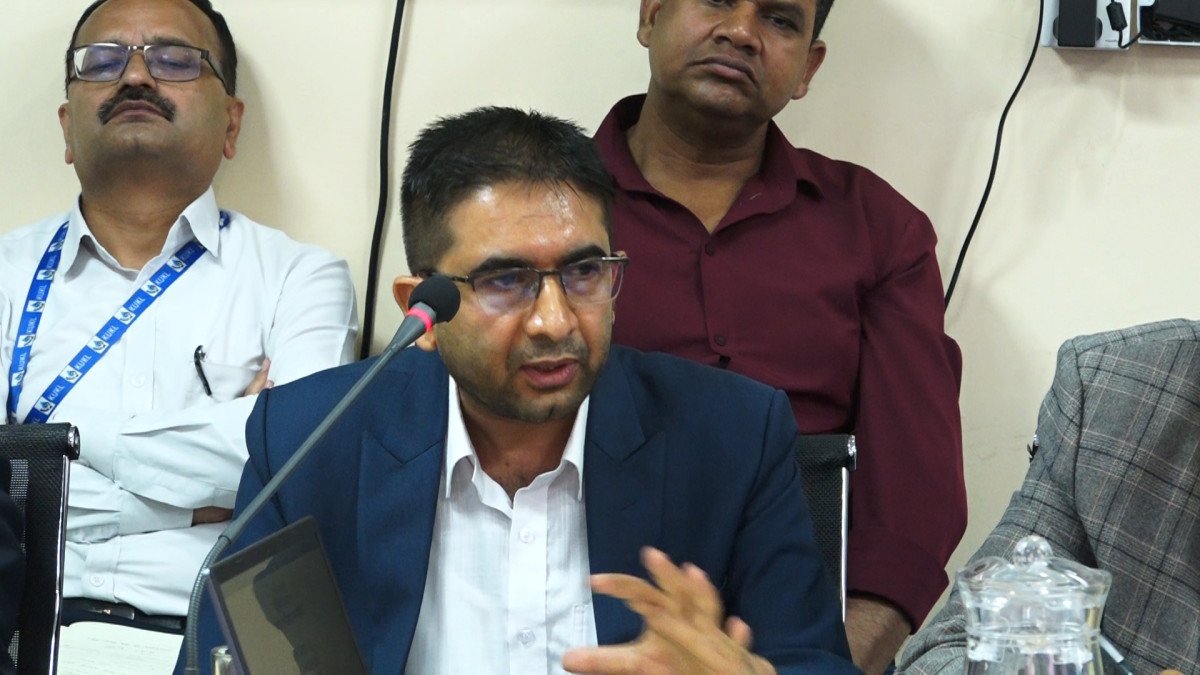
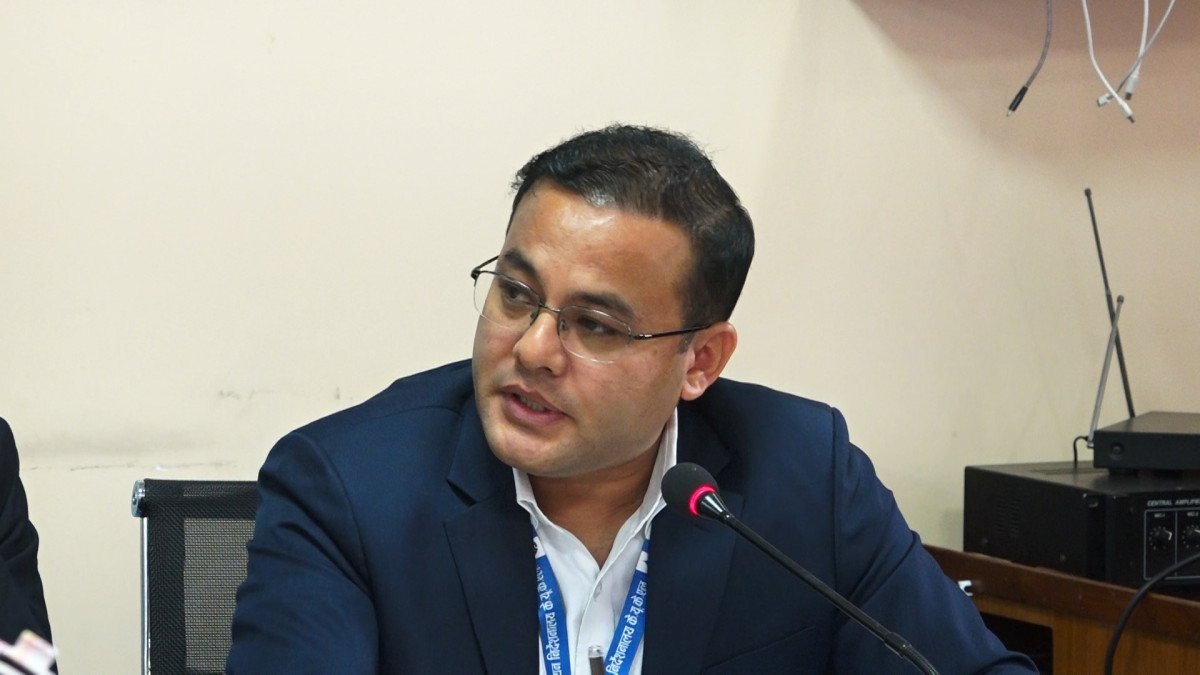
Speaking at a meeting of the Infrastructure Development Committee under the House of Representatives on Wednesday, Secretary Poudel provided information about the old budget allocation system, the status of the Melamchi project, and plans for institutional restructuring.
Secretary Poudel commented that development projects are affected due to the tendency of the Ministry of Finance to allocate budgets but not release them on time. He informed that out of the total budget of 37 billion rupees for this year, approximately 31 billion is from the federal government, and the rest will go to the provincial and local levels. He stated that only 2-3 billion has been allocated for new programs, and the rest of the budget is focused on completing old and incomplete projects.
Discussing the Melamchi Water Supply Project, Secretary Poudel said that the headworks damaged by the flood is being relocated to a safe place. He informed that a water treatment plant with a capacity of 25.5 million liters is currently being constructed in Sundarijal, and a design for a safe headworks within the hills is being prepared. The ministry claims that once this process is completed, water can be distributed in Kathmandu for twelve months a year within the next two to two and a half years after the contract is awarded.
He said at the meeting, '98 percent of Melamchi's work was completed and damaged by the flood. It was said to supply 170 million liters of water. When I visited twice, about 20 to 25 million liters were coming from there. Since our headworks were buried by 15-20 meters, and if water is put directly into the tunnel, there is a risk that the tunnel could be damaged, and we would have to spend years on its repair and maintenance, so we are being cautious. Currently, two tasks are being done in parallel. One is the construction of a 25.5 million liter treatment plant in Sundarijal. A design for the headworks has been made. We have announced that we will award the contract soon.'
He added, 'We have called the contractor, the consultant, and our project to the ministry every week. Even if the contract is broken and they leave, two years of our time will be wasted. There was a big risk due to their failure to take mobilization or manage the necessary manpower. Now, in the end, we are somewhat optimistic. Our designs will come on time, and we will proceed with the construction of our headworks, and the treatment plant will also be built. Once this is built, we hope that if we can bring 35 million liters of water, it will provide great relief on one hand. On the other hand, after the headworks are built, we will complete it in about 2-2.5 years after awarding the contract, and then water will flow year-round. It will be built underground because it was previously built inside the river. Due to the geology there, it became very risky. Now it will be built inside the hills, which carries no risk whatsoever. Now a solution will emerge.'
The ministry is preparing to adopt an outsourcing model to solve the problems seen in the service delivery of Kathmandu Valley Water Supply Limited (KUKL). This step is being taken to streamline tasks such as maintenance and meter reading, according to Secretary Poudel.
Similarly, he stated that a process is underway to create a powerful authority for the integrated development of the water supply sector. The cabinet has already approved this, and the proposed authority will have four separate departments: operation, infrastructure development, regulation, and sewage management.
The ministry has significantly reduced the percentage of consumer cost-sharing in water supply projects. The share, which was previously 10 to 30 percent, has been reduced to 5 percent in metropolitan and sub-metropolitan cities, 3 percent in municipalities, and only 1 percent in rural municipalities.
This is expected to improve access to drinking water for the poor and disadvantaged communities. To address the problem of drying springs due to increasing climate change, the ministry has adopted a policy of conducting research in collaboration with universities and advancing artificial recharge programs. Secretary Poudel also informed that the decision to fix the electricity tariff at Rs 2 per unit for pumping projects is in the implementation phase.
This specific news has been automatically translated by AI. As a result, there may be some inaccuracies or language errors.