Dr. Sandesh Parajuli Leads Pancreas Transplant Efforts in Wisconsin

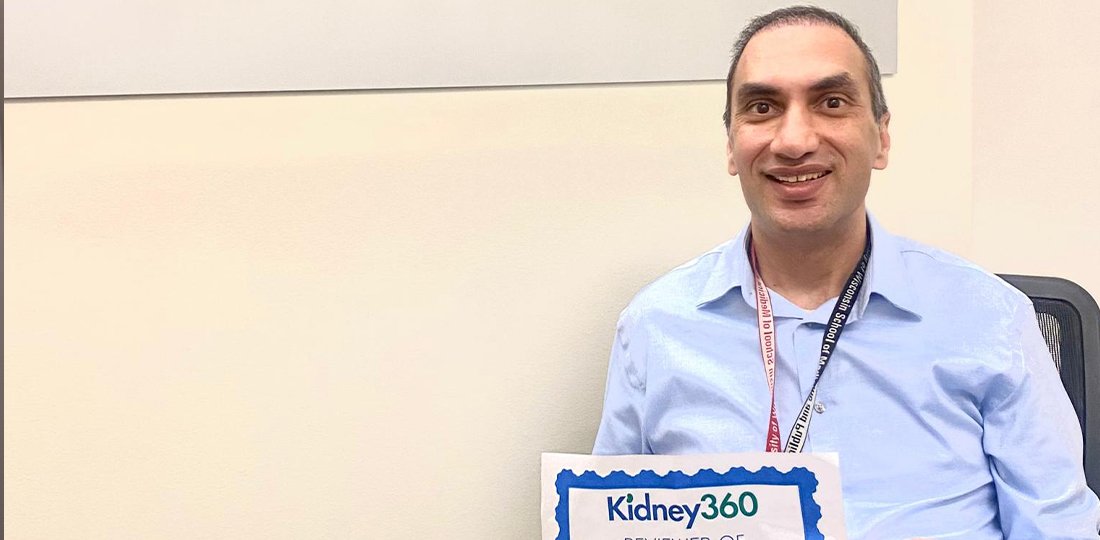
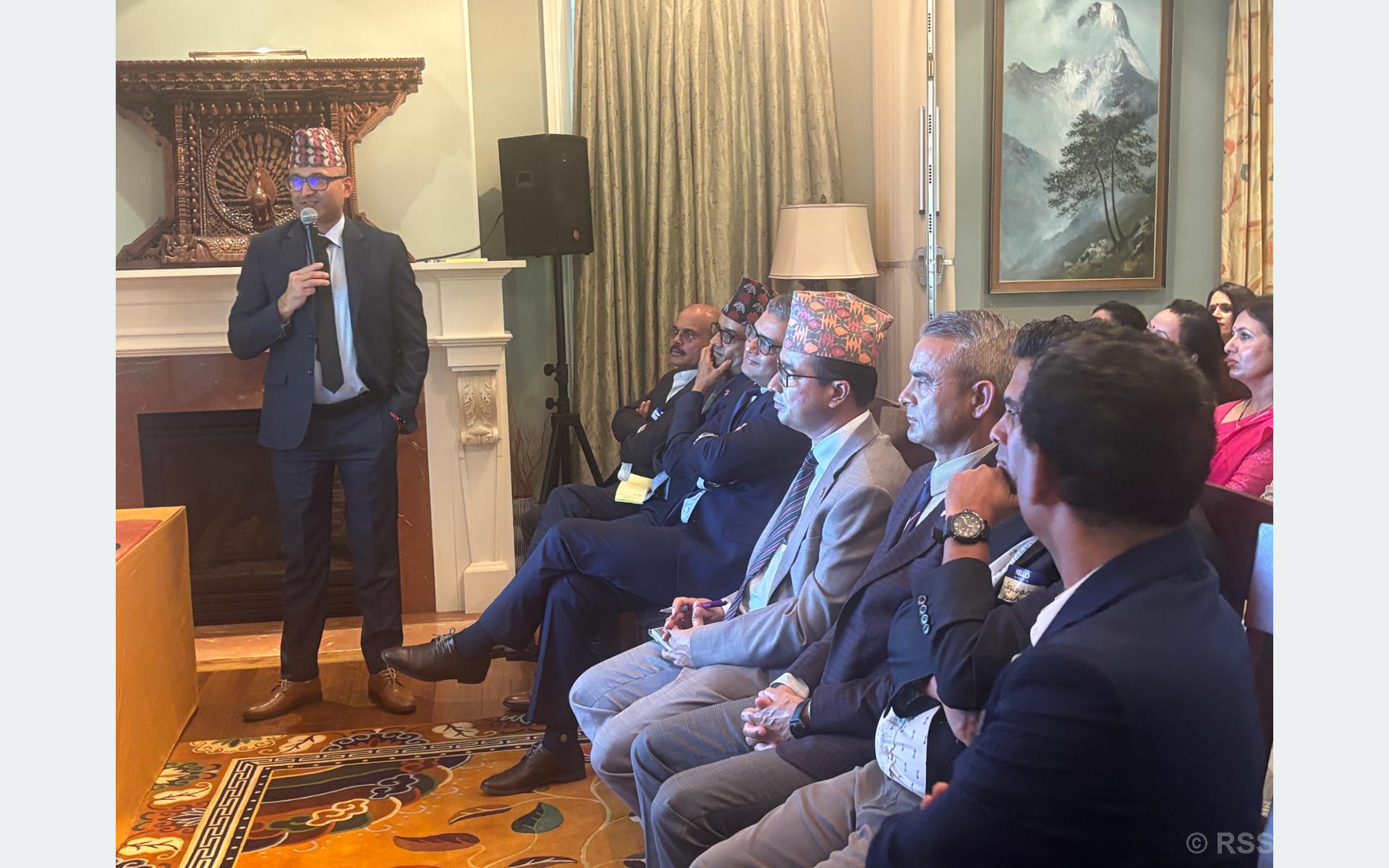
A young doctor who completed his MBBS from BP Koirala Institute of Health Sciences in Dharan, Dr. Sandesh Parajuli, is now saving the lives of hundreds of patients at a top American university. Dr. Parajuli, who began his medical journey in Dharan in 1998, completed his MBBS in 2004. He then joined the wave of people coming to America and started his MD in New York City in 2006. After completing his MD in 2009, he worked in a village in New York State for two years.
His journey then took a higher flight. He completed a Nephrology fellowship at the University of Rochester in 2011 and a further fellowship in Kidney Transplant from 2013 to 2014. He is currently working as faculty and Associate Professor in the Transplant Department at the University of Wisconsin for twelve years. From January 1, 2026, he will be the Medical Director of the Pancreas Transplant branch at the same university. Dr. Parajuli has authored over two hundred international research articles, three books, and trained more than 50 doctors.
Diabetes, or sugar, has now become a household problem in Nepal. In Type 1 diabetes, the body cannot produce insulin on its own, while in Type 2, it produces insulin but it doesn't work well. The pancreas, a gland located inside the abdomen, produces insulin in our body. This insulin transports glucose from the blood into the body's cells, providing energy to our body. When this process is disrupted, glucose accumulates in the body, and gradually, one organ after another begins to get damaged.
According to Dr. Parajuli, patients with diabetes have a three to four times higher risk of heart attack, a two to three times higher risk of stroke, a risk of losing eyesight, a risk of foot infections leading to amputation, and a significantly lower survival rate compared to normal people for patients with chronic diabetes. This disease attacks from within, and by the time it is detected, it is often too late.
Diabetes can be controlled with medication and insulin, but not cured. However, the treatment method to which Dr. Parajuli has dedicated his life can eradicate this disease from its roots: pancreas transplantation. In this surgery, a healthy pancreas from a brain-dead donor is removed and placed into the patient's body. The transplanted pancreas starts producing insulin on its own, and many patients are completely freed from lifelong insulin injections after the transplant.
According to Dr. Parajuli, pancreas transplantation can be performed in three different ways.
The first method is simultaneous kidney and pancreas transplantation. When the kidneys have also failed due to diabetes, both organs are transplanted in a single operation; this is the most common method. In the second method, a patient who has already undergone a kidney transplant receives a pancreas transplant later. The third method is for patients whose kidneys are still functioning well, but their sugar levels are so uncontrolled that there is a risk of the patient falling into a coma due to a sudden drop in blood glucose; in such cases, a pancreas transplant can save a life.
Dr. Parajuli says, 'If pancreas transplantation were not done, it would be difficult for those patients to live for a very long time, or they would have to live with disabilities.' However, in his career at the University of Wisconsin, he has seen many patients live normal lives for more than 25 years after a pancreas transplant.
The world's first pancreas transplant took place in 1966 at the University of Minnesota in America. Today, an average of twelve hundred pancreas transplants are performed annually in America. The University of Wisconsin, where Dr. Parajuli works, has been providing this service since 1982, and this institution is one of the leading organizations in this field in America, serving more than two thousand patients monthly for pancreas and other transplants.
Dr. Parajuli says, 'Looking back at Nepal, the picture is not very encouraging. Kidney and liver transplants are performed in Nepal, but pancreas, heart, and lung transplants are not yet possible. The main reason for this is the severe lack of a culture of organ donation after death.' In Nepal, only five percent of the total kidney transplants are from deceased donors, while the remaining 95 percent are from living relatives. There is also a painful gender inequality in this. Seventy-five percent of organ donors in kidney transplants in Nepal are women, while 25 percent of recipients are men. Women donate their organs, but men receive the benefit of the service. The most effective way to eliminate this inequality is to increase the rate of organ donation from deceased donors.
Dr. Parajuli says, 'If one brain-dead person donates organs, the lives of up to seven people can be saved at once. The heart, both lungs, both kidneys, liver, and pancreas can all be taken from a single donor, and seven people can get a new life. But for this, the donor's body must be healthy, and the organs must be removed immediately after brain death is declared. If delayed, the organs will deteriorate and become unusable.'
Dr. Parajuli adds, 'In the long term, transplantation is also economically cheaper than dialysis. Dialysis is an expensive process that requires going to the hospital two to three times a week for life, sitting in front of a machine for hours, which severely affects the patient physically, mentally, and economically. But once the transplant is successful, the patient can return to a normal life.'
Dr. Parajuli told Ratopati, 'The Government of Nepal should operate a program for the systematic retrieval and distribution of organs from deceased citizens, establish organ donation coordination units in hospitals, and most importantly, create positive awareness among the public about organ donation. Organ donation after death is not against any religion or culture; rather, it is the highest form of philanthropy.'
He adds, 'If one person's organ donation after death can save the lives of seven people. If the people of Nepal can understand this, a big change can come here too, and that day is not far away.'
This specific news has been automatically translated by AI. As a result, there may be some inaccuracies or language errors.