Russia Faces Unprecedented Fuel Crisis Amidst Ukrainian Attacks
Moscow. Russia, which sells oil to many countries around the world, is currently struggling with an energy crisis itself.
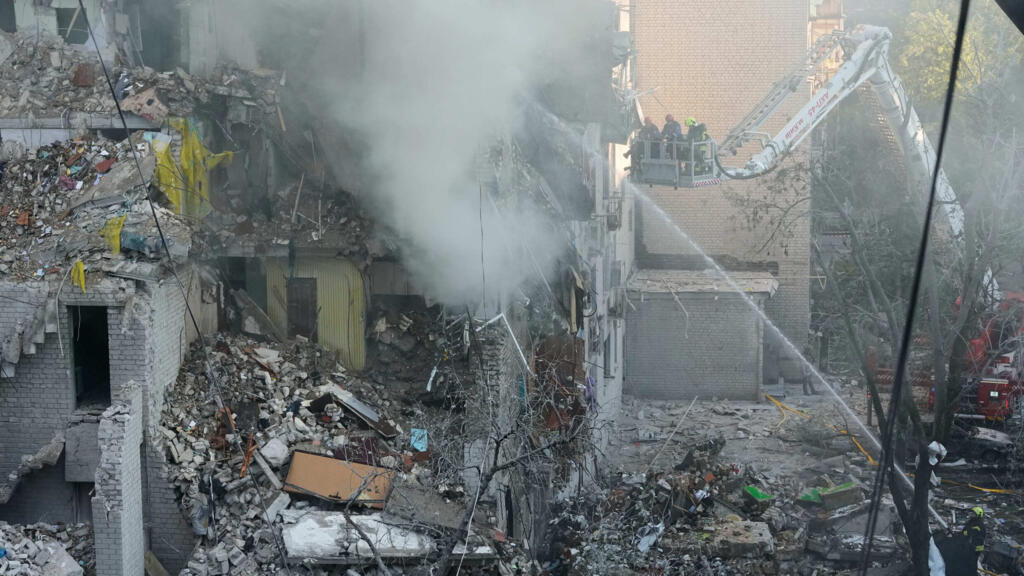
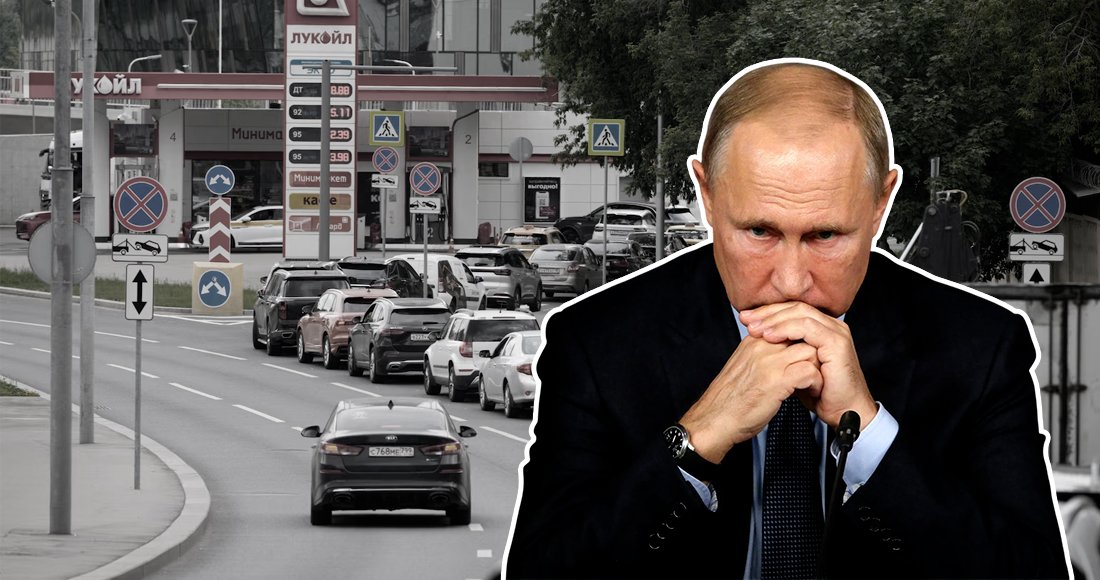
According to news agency AP, long queues are continuously increasing at Russia's petrol pumps. Along with this, frustration and uncertainty are also growing among people. For months, Ukrainian attacks have targeted oil refineries and affected fuel supply across the country.
In many areas, a system of providing only a limited quantity of fuel has been introduced. Long queues of vehicles can be seen along the roads for hours.
Viral videos on social media show drivers expressing surprise at these long queues. Many people are also expressing anger over empty petrol pumps and rising prices.
The mayor of Irkutsk, a city in Siberia, had to arrange for portable toilets for the convenience of people standing in line. This fuel crisis is considered unprecedented for Russia, one of the world's largest energy-producing countries.
Russian President Vladimir Putin has also acknowledged this. He said, 'The problem persists for both motorists and businesses, and there are still queues at petrol pumps.'
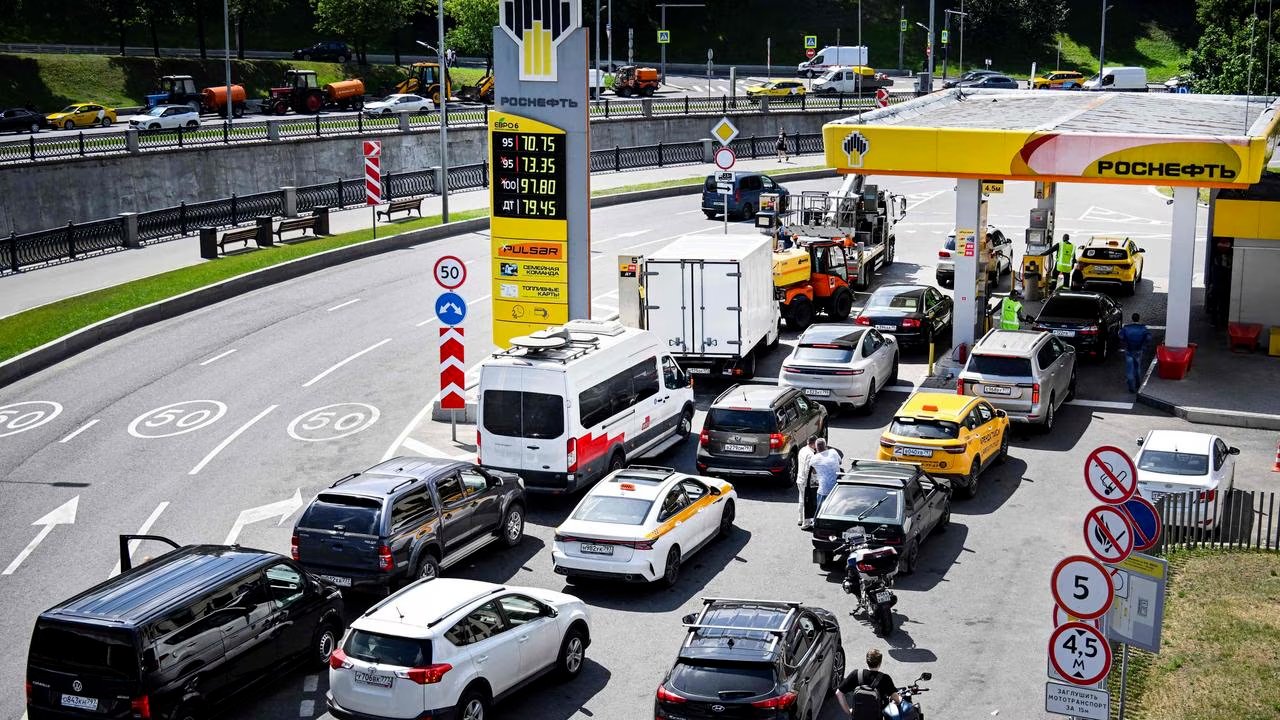
According to Russia's state news agency TASS, Russian oil companies have kept fuel prices at their petrol pumps within the range of inflation, but some difference in prices is seen at private petrol pumps. Deputy Prime Minister Alexander Novak has said that this situation will be brought under control soon.
- Prices are rising
He said at the Financial Congress of the Central Bank of Russia, 'Talking about the impact of these problems on prices, we see that our vertically integrated companies are keeping prices under control.'
According to news agency Reuters, farmers in Russia's grain-producing regions are worried about whether they will be able to harvest their crops. The fuel crisis, caused by Ukrainian drone attacks, has affected oil refineries and depots, making daily life difficult.
Ukraine is trying to pressure Moscow for peace by attacking Russia's energy infrastructure. The damage from these attacks has increased pressure on Russia's fuel supply, a country rich in oil.
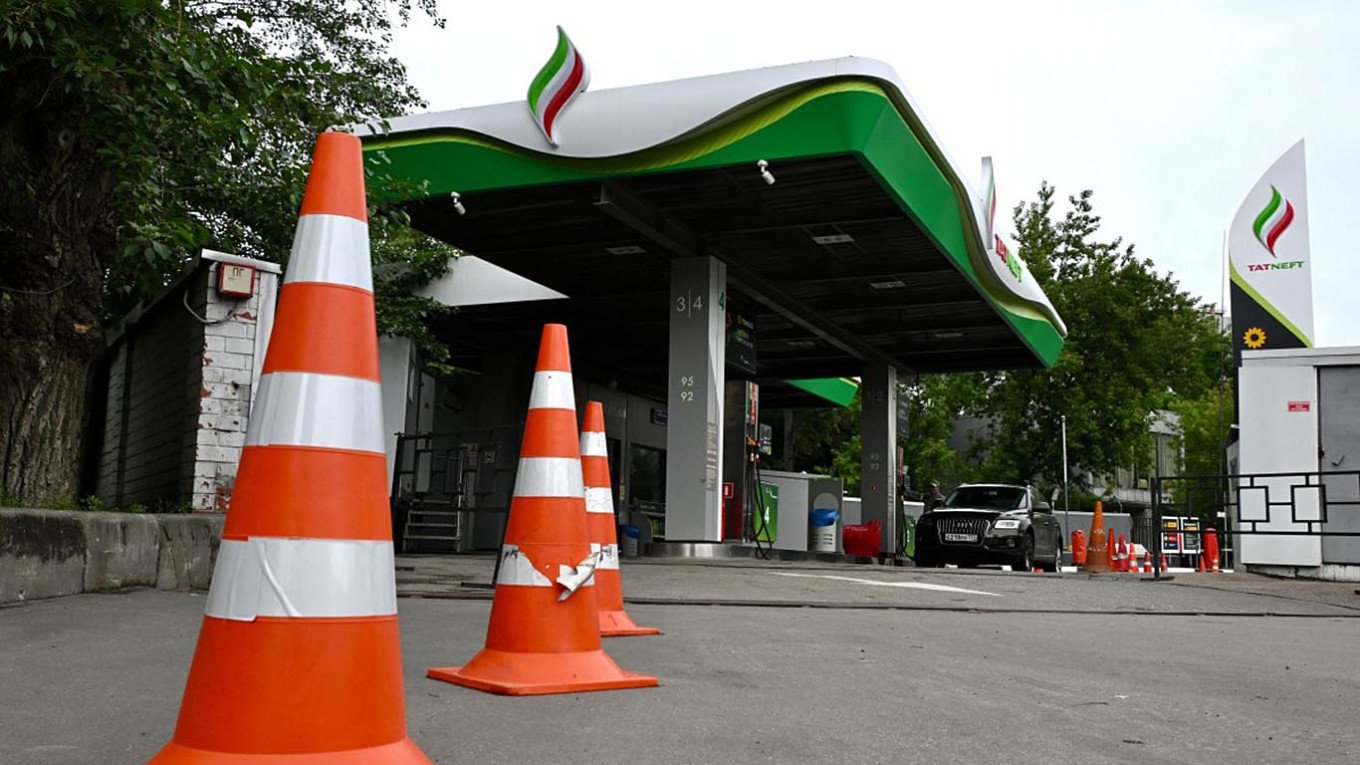
Due to this situation, drivers have been forced to create maps and share information about which petrol pumps have fuel and where the queues are shorter.
Viral videos on social media show fights among drivers waiting for their turn to refuel.
In a video titled 'The Ultimate Luxury 2026', a person is seen slowly pouring petrol into their lawnmower from a jerrycan. He jokes, 'What wealth! Who can afford to buy this now?'
- Importing oil from India
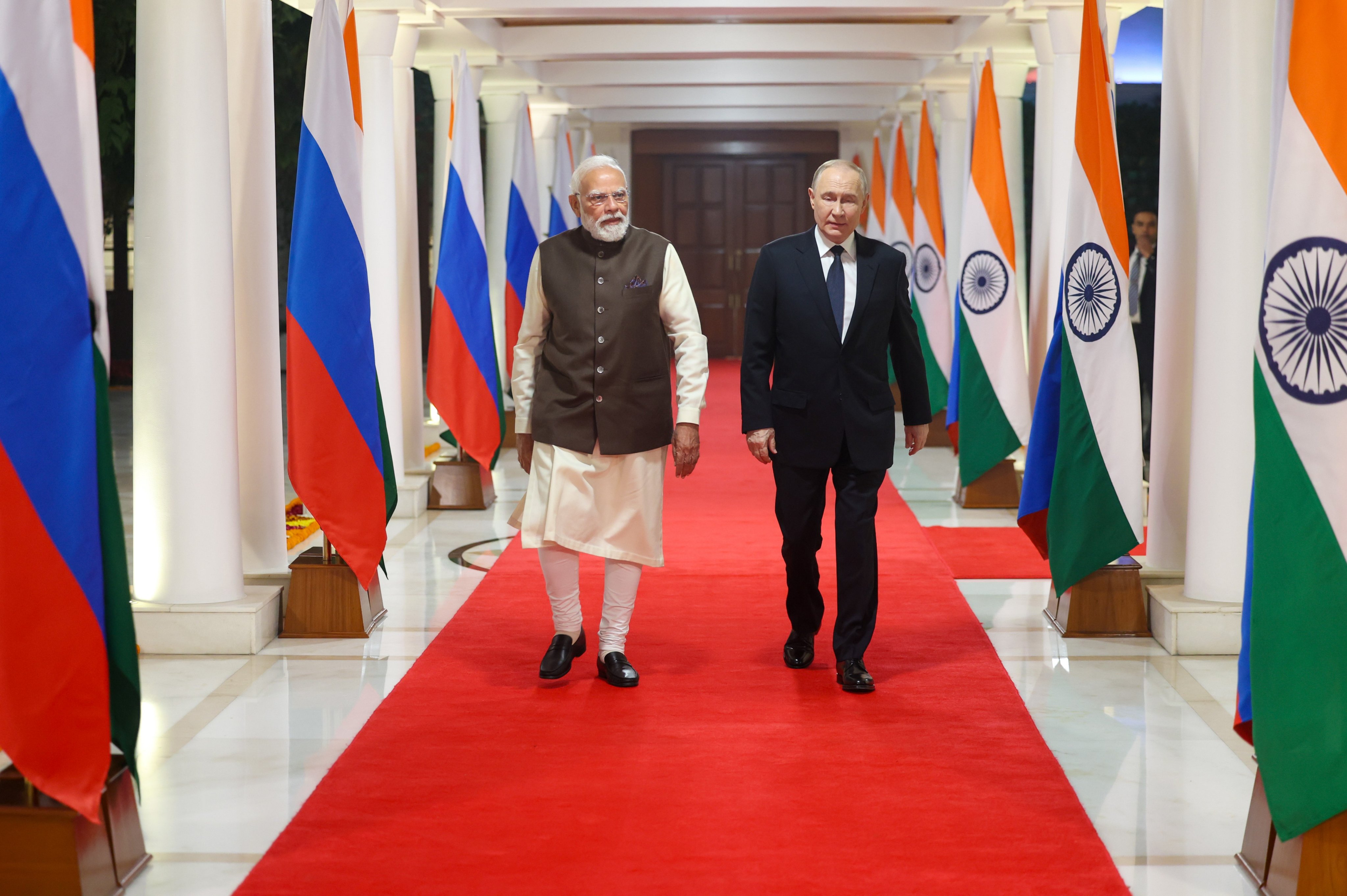
Reuters, in another report, stated that Russia is importing oil from India to deal with this crisis.
According to Reuters, 'Russia has started importing petrol from India via sea route to solve the fuel crisis. Two industry sources gave this information on Wednesday.'
The Kremlin said on Tuesday that Russia is in contact with other countries and is discussing importing fuel at acceptable prices. Reuters mentioned in its report that Russia's Ministry of Energy and India's Ministry of Oil did not immediately respond to requests for comment.
A source related to the oil industry told Reuters that at least 60,000 metric tons of petrol from India have already been sent to Russia. Another source told Reuters that two tankers with a capacity of 30,000 to 40,000 tons have already departed. According to a third source, Russia plans to import a total of four lakh tons of petrol from various countries every month.
This includes neighboring country Belarus. Belarus has been exporting fuel to Russia for a long time.
During the summer, Russia's daily petrol consumption is at least 110,000 tons. Fuel demand is very high during this season.
According to Reuters, Belarus has increased its petrol supply to Russia via railway by almost three times in the first fifteen days of June compared to the first fifteen days of May, reaching over 70,000 tons.
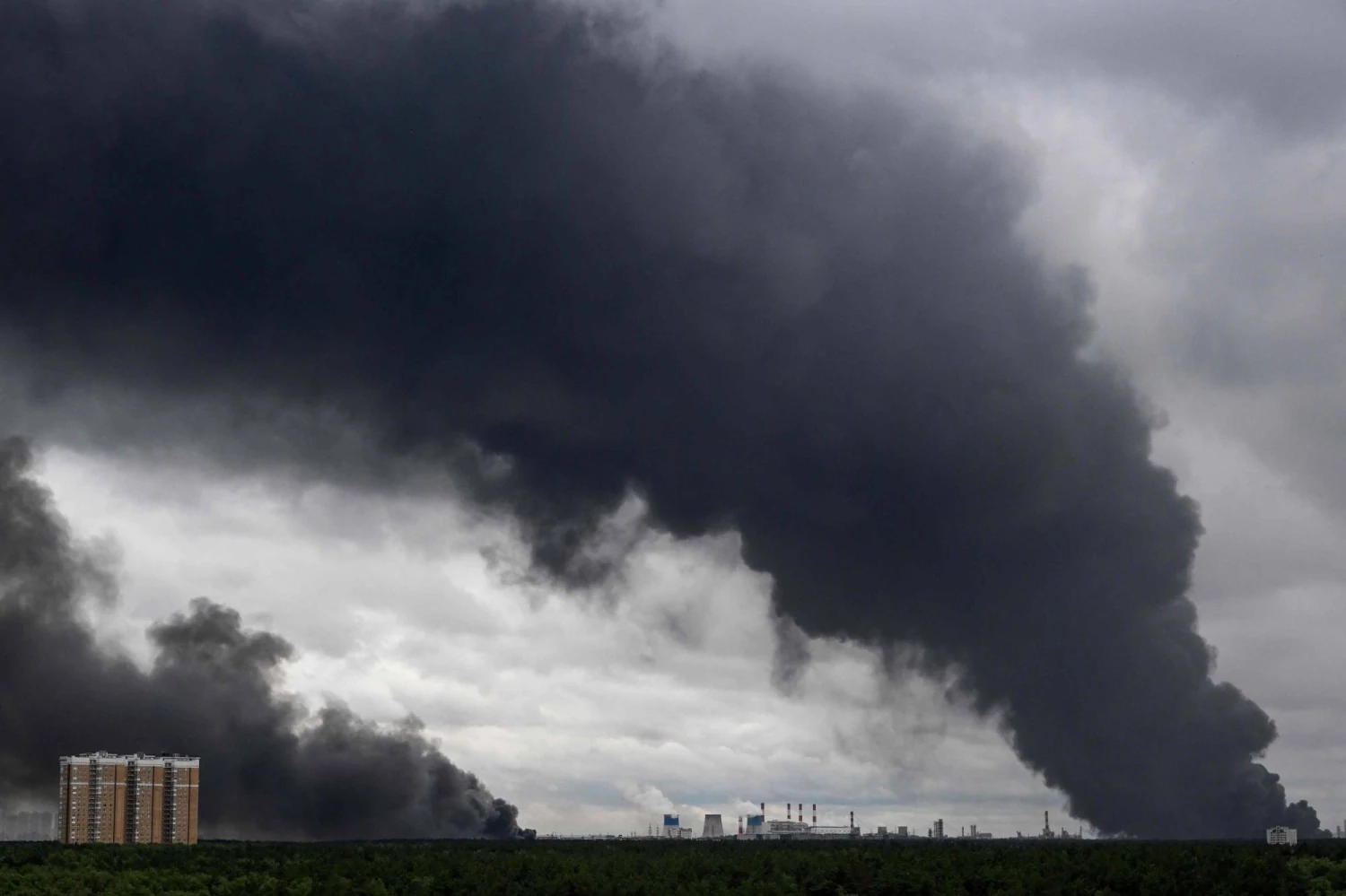
The American magazine Wall Street Journal wrote in a report, 'Ukraine has been targeting Russia's energy infrastructure for many years. But now both the number and destructive capability of Ukrainian drones and missiles have increased. This is why Ukraine can now target remote refineries like Tyumen in Siberia, about 1200 miles away. Due to this increased capability, on June 18, Ukraine succeeded in attacking Moscow's main refinery, which penetrated and devastated several layers of air defense.'
- How did the crisis escalate?
The WSJ wrote in its report, 'This is considered a decisive moment in the current fuel crisis. By June 20, about 28 percent of Russia's total refinery capacity was shut down.' This estimate was made by Sergey Vakulenko, former head of strategy at Russian oil company Gazprom Neft and currently a senior fellow at the Carnegie Russia Eurasia Center in Berlin.
He said, 'This is due to the increase in the number of drones Ukraine can launch. The problem is no longer just logistics or market imbalance; the main problem now is the actual shortage of fuel.'
Kremlin spokesman Dmitry Peskov said on Tuesday that Russia is preparing to import fuel for the first time in decades. Although Moscow is in talks with many countries, he did not disclose the names of those countries.
According to analysts, only large refinery centers, even if far away like India, can meet this shortage. However, such imports by sea will take several weeks to reach Russia. This will put further pressure on Russia's budget, which is already under great strain due to the cost of the war.
Russia, once one of the world's major exporters of petroleum products, has banned the export of petrol and aviation fuel for months since the Ukrainian invasion intensified. President Putin said on Sunday that he is considering banning diesel exports as well.
Kyrgyzstan, late on Wednesday night, sought help from Kazakhstan, Belarus, Azerbaijan, Uzbekistan, and Turkmenistan to ensure a stable fuel supply. Kyrgyzstan, with a population of about 7 million, imports more than 90 percent of its petrol needs from Russia. But Russia itself is currently facing a severe fuel crisis.
- How long will the crisis last?
President Vladimir Putin said that Russia's petrol reserves have decreased by only four percent compared to the same period last year.
Analyst Chris Weafer says, 'It is being said that there is sufficient fuel supply across the country. But the problem is that the fuel is stuck in the wrong places.' That is, it needs to be resupplied to the regions where there is a shortage of fuel.
Weafer said that this task cannot be done overnight in a vast country like Russia. He said, 'There should be enough fuel, but it may take several weeks to deliver it where it is needed. This in itself is a very large logistics operation.'
According to news agency AP, it may take at least three months to repair Moscow's refinery, which meets 40 percent of the fuel needs of the capital and surrounding areas.
This specific news has been automatically translated by AI. As a result, there may be some inaccuracies or language errors.