German Government Tightens Sick Leave Rules as Part of Reform Package
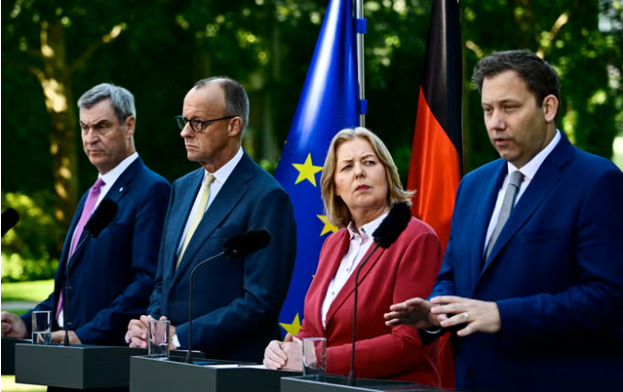
Berlin. The German government has tightened sick leave. Chancellor Friedrich Merz's led economic growth and competitiveness enhancement objective-oriented 34-point comprehensive reform program has been made public. Under the proposed rules, tax exemption for low-income families, changes in the pension system, and tightening of sick leave rules have been arranged. As per the reform plan released on Thursday, now in Germany, employees will have to submit a doctor's certificate from the first day of being sick to take sick leave. The provision to obtain a sick note from a doctor via telephone will also be abolished. According to the government, these reforms aim to reduce unnecessary administrative hassles in business operations, provide employers with more flexibility for short-term employment contracts, and prevent the misuse of sick leave. Under the reform program, tax exemption worth 10 billion euros annually will be provided to low-income citizens. Also included are plans for affordable housing construction, control of social facility misuse, and a reduction in the number of employees by 8 percent through digitalization in government ministries. To raise the necessary funds for tax exemption, the government has decided to increase the maximum income tax rate from 45 percent to 47 percent for high-income individuals earning 280,000 euros or more annually. Chancellor Merz said that although these decisions are not easy, they are necessary to protect the country's economic competitiveness. He claimed that Germany is falling behind in competition due to the tendency of employees to be absent from the workplace for long periods. "We know this is a difficult decision. But we can no longer afford the competitive disadvantage created by long-term absences. We want to put Germany back on the right track," he said. Economists have welcomed this step, stating that the reforms, which were stalled due to disagreements within the ruling coalition for a long time, have finally reached the implementation stage. Kasrtens Brejesky, Head of Global Macro Research at Dutch multinational banking and financial services provider ING, said that this package will play an important role in strengthening Germany's long-term economic competitiveness and public finances. However, the reform plan has received mixed reactions. While some business people have welcomed it, labor rights advocates have criticized it, calling it an unnecessary tightening on employees, impractical, and lacking sufficient reform in some areas.
This specific news has been automatically translated by AI. As a result, there may be some inaccuracies or language errors.