Dengue Infection Confirmed in 1,042 People, Two Deaths Reported

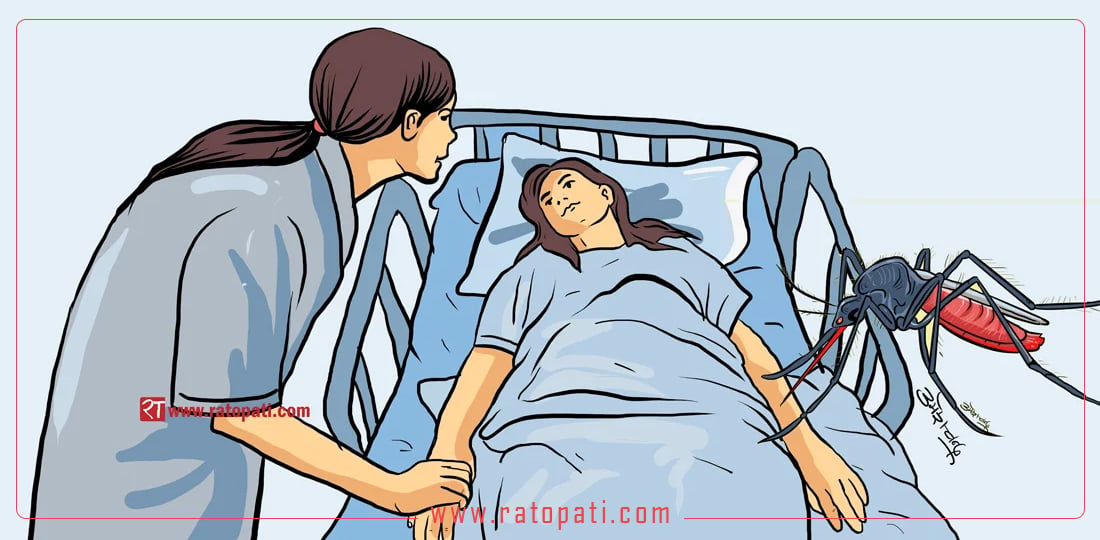
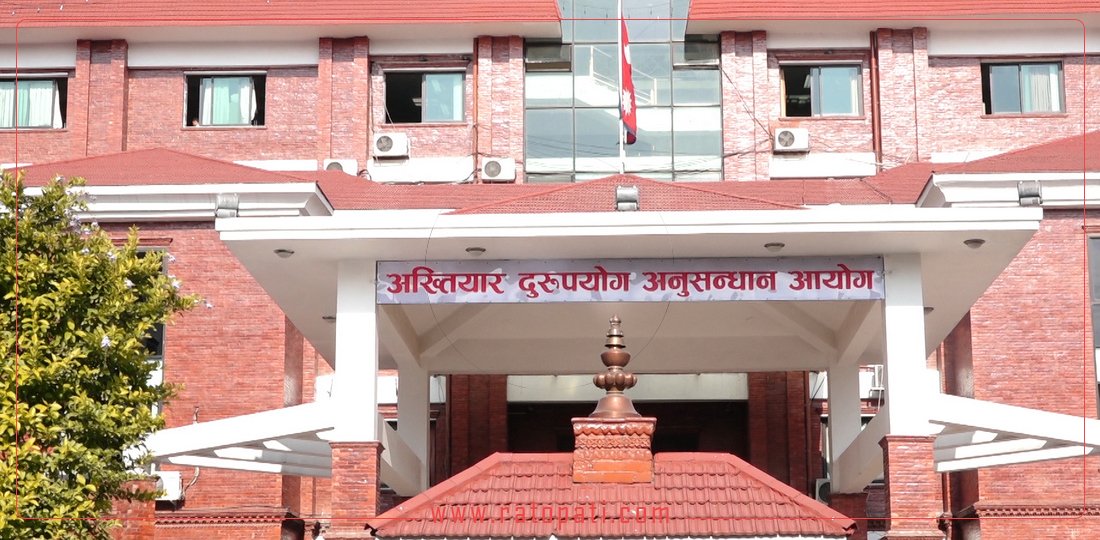
Kathmandu. According to the latest updated report, dengue infection has been confirmed in one thousand and forty-two people. According to the Epidemiology and Disease Control Division (EDCD) under the Department of Health Services, which plays an important role in the control of epidemic-prone diseases, dengue infection has been confirmed in one thousand and forty-two people from Poush 17 to date.
Two people have died from dengue infection in this six-month period. According to EDCD, dengue infection has been detected in 71 districts so far. Dengue patients have been found in districts including Jhapa, Sunsari, Kaski, Chitwan, Kathmandu, Okhaldhunga, Makwanpur, Palpa, and Chitwan.
Out of the total number of infected people, the highest number, 292, were found in Koshi Province and 264 in Bagmati Province. Similarly, dengue infection has been confirmed in 52 people in Madhesh Province, 161 in Gandaki Province, 167 in Lumbini Province, 37 in Karnali Province, and 69 in Sudurpashchim Province.
District-wise, Jhapa has been the most affected with 138 cases, followed by Kathmandu with 61, Sunsari with 57, Makwanpur and Rupandehi with 50, Kaski with 44, Okhaldhunga and Chitwan with 39, and Palpa with 34 people confirmed with dengue infection.
An official from EDCD said, 'If the symptoms of dengue appear normal, it can be cured by taking paracetamol and consuming liquid food. If severe symptoms appear, one must go to a health institution for treatment.'
According to him, severe symptoms of dengue include severe abdominal pain, bleeding, and fainting. According to the annual health report, 54,350 people across Nepal were infected with dengue in the fiscal year 2081/082. In 2080/081, 48,883 people were infected, and in the preceding year 2079/080, 56,338 people were infected, showing that the number of dengue infections fluctuates year by year.
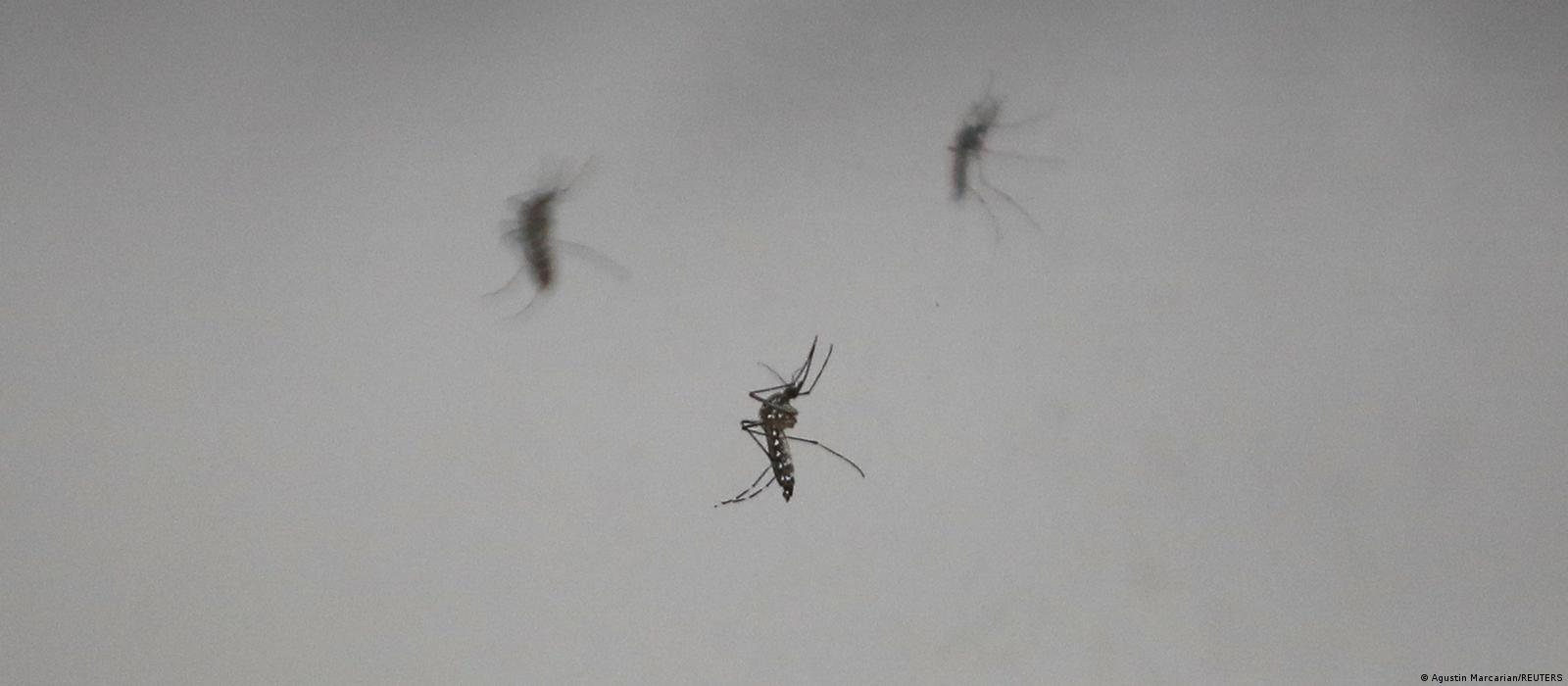
Dr. Anuj Bhattachan, acting Director General of the Department of Health Services, said that emphasis has been placed on preparedness for dengue control. He said, 'We are closely monitoring dengue, which is a vector-borne disease. We plan to mobilize students, security personnel, the private sector, and others in the 'search and destroy' campaign. District health offices and local levels are also conducting awareness programs.'
- What is the government doing?
The government has allocated a budget of 30 crore 16 lakh rupees for the Epidemiology and Disease Control Division for the upcoming fiscal year. An amount of 3 crore 50 lakh rupees has been allocated for the upcoming fiscal year to conduct the 'search and destroy' campaign to find and destroy mosquito larvae that spread dengue infection in local levels.
Furthermore, the Epidemiology and Disease Control Division has stated that an additional 50,000 rupees will be provided for each district to coordinate with local levels at the district level. Infectious disease specialists say that the 'search and destroy' campaign must be implemented practically to control mosquitoes, and individuals must also be vigilant and aware.
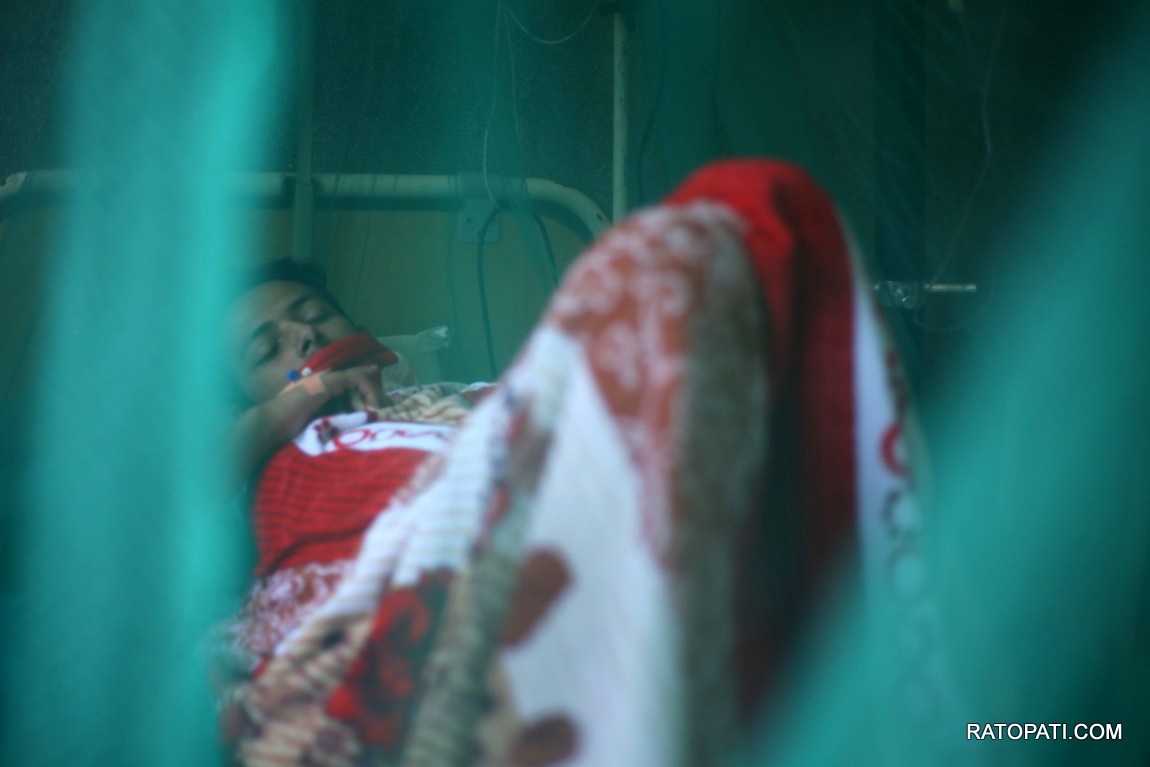
- Dengue becoming a challenge to public health
In the past few decades, dengue infection has been increasing significantly worldwide. Dengue infection was first detected in a foreign national in Nepal in 2004. According to the annual health report 2081/082, dengue disease, spread by Aedes aegypti and Aedes albopictus mosquitoes, has been gradually spreading in Nepal. Surveys conducted by EDCD from 2062/063 to 2066/067 found Aedes aegypti mosquitoes in areas near cities in Kailali, Dang, Chitwan, Parsa, and Jhapa, confirming local transmission. After this, between 2068/069 and 2071/072, infections were seen intermittently, gradually becoming an annual epidemic.
A major outbreak occurred in 2075/076, infecting 17,992 people in 68 out of 77 districts. Although the infection decreased for some time during the COVID-19 pandemic (2076/077–2077/078), Nepal saw its largest outbreak to date in 2079, with 54,784 infected and 88 deaths. The report highlights that dengue poses a serious challenge to public health.
A recent study by the Vector Borne Disease Research and Training Center (VBDTC) has confirmed that both Aedes aegypti and Aedes albopictus mosquito species transmit dengue in Nepal.
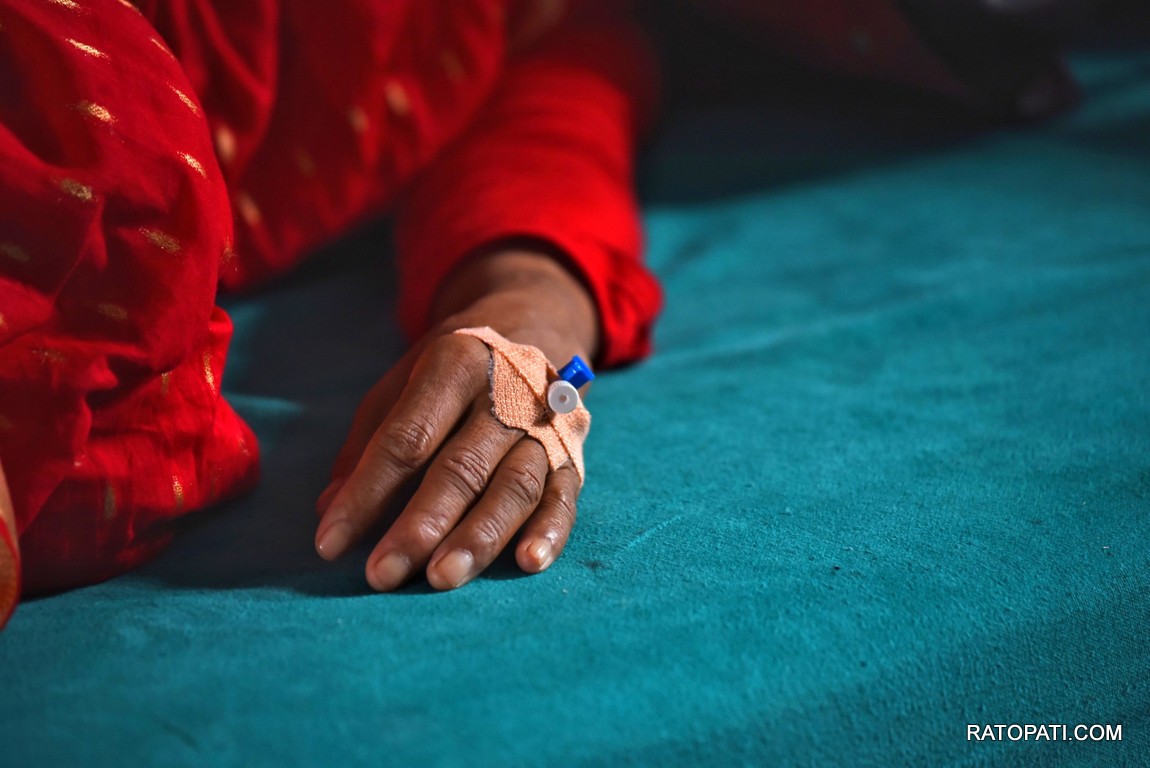
- What is Dengue?
According to infectious disease specialists, it is a type of vector-borne infectious disease transmitted by mosquito bites. This disease is transmitted only by the bite of an infected mosquito of the Aedes aegypti/albopictus species. This disease can affect people of any age group.
- What to do to avoid it?
According to EDCD, to avoid dengue, water tanks, drums, pitchers, and buckets where water is stored should be tightly covered to prevent mosquitoes from entering. Similarly, discarded unusable utensils, bottles, cans, plastic items, and other containers that can hold water in and around your home, workplace, and public places should be managed so that water does not accumulate. Tires of vehicles discarded haphazardly on the skin or elsewhere should be covered so that water does not accumulate or should be kept away from rainwater. Water accumulated in flower pots or plates under pots kept inside or outside the house should be discarded at least once a week and the pots and plates should be cleaned thoroughly, as mentioned in the EDCD notice board. To prevent mosquitoes from entering the house, mosquito nets should be used when sleeping at any time of the day or night, and if possible, fine mesh nets should be used on windows and doors, and full-body clothing with long sleeves should be worn, EDCD advises. Experts also suggest using mosquito nets even when sleeping during the day, if possible.
This specific news has been automatically translated by AI. As a result, there may be some inaccuracies or language errors.