Parbati Kunda: A Significant Wetland of Religious, Cultural, and Ecological Importance

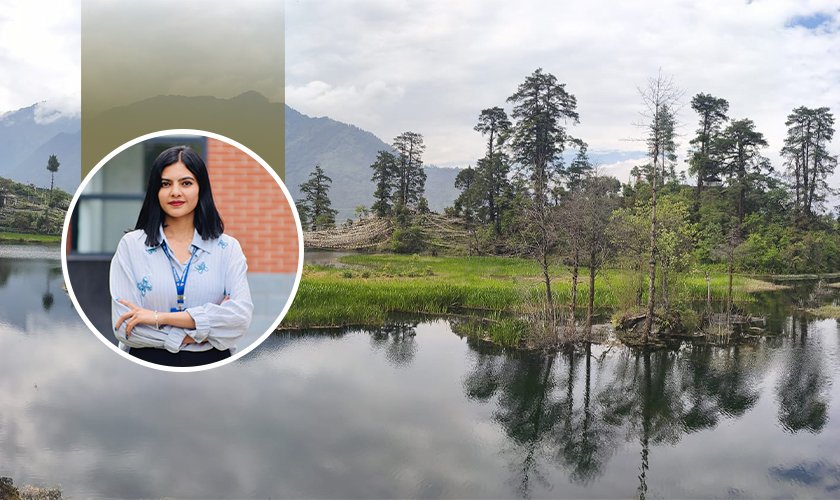
Parbati Kunda, located in Amachhodingmo Rural Municipality of Rasuwa district, is known as a wetland of religious, cultural, and ecological significance. Situated at an altitude of 2,606 meters above sea level, the lake covers an area of approximately 1.87 hectares. In recent years, Parbati Kunda has seen a growing attraction from religious tourists, nature lovers, and researchers.
According to local legend, it is believed that when Lord Shiva was going to Gosainkunda for meditation, Mother Parbati came to this area in search of him and bathed in the pond. Due to this religious faith, followers of Hinduism and Buddhism visit this place from various parts of Nepal and even from abroad.
Along with its religious importance, Parbati Kunda is also considered very important from the perspective of biodiversity. Bog-myrtle, which has medicinal properties, is found abundantly within the pond. According to locals, bog-myrtle helps maintain the water quality and fragrance of the pond, and also provides a suitable habitat for various aquatic creatures and birds.
The forest area around the pond is home to plants such as Kharsu, Angeri, Rhododendron, and Sal. The significant presence of various species of orchids, colorful butterflies, and birds in this area further highlights its ecological importance. The Black-tailed Crake, a wetland-dependent bird, can also be seen in this wetland.
As the winter season begins, the leaves of the trees fall and become a problem in the ponds. However, according to locals, migratory wild ducks that are seen in the pond from time to time play a role in maintaining ecological balance by eating the fallen leaves and other organic matter, thus managing the pond.
The ducks, known locally as 'Khakhade' and in English as 'Gadwall', are helping to clean the pond, according to locals. The marshy area around the pond, rich in bog-myrtle, serves as a very important shelter for waterfowl and other wildlife.
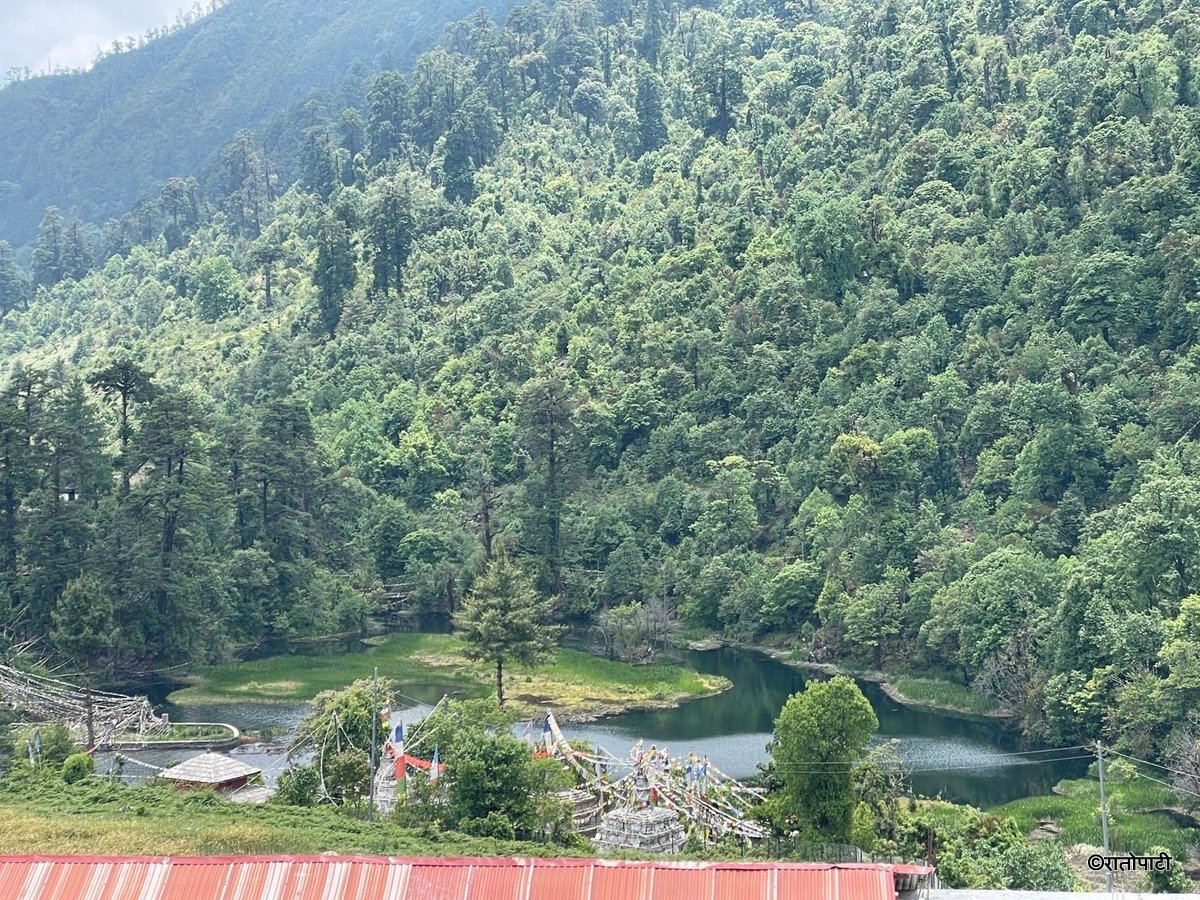
Especially, the conservation efforts of the local community have significantly contributed to preserving the originality of Parbati Kunda. The Buddhist community residing around the pond takes turns in performing worship, cleaning the organic matter accumulated in the pond area, and actively participating in conservation activities.
According to locals, despite natural events such as monsoon, drought, and earthquakes, there has been no significant change in the water level of the pond. This indicates the need for further scientific study on the stability of the pond's natural water system.
Local sources indicate that the provincial government has also allocated a budget for the conservation and management of Parbati Kunda. Parbati Kunda, an excellent example of religious faith, biodiversity, and community conservation practices, is full of natural beauty despite being far from Kathmandu.
Furthermore, there is a growing attraction towards Parbati Kunda among tourists visiting Langtang National Park, Gatlang village, and the Ruby Valley, with the potential for this attraction to increase further. With sustainable management and scientific study, it is also expected that the condition and other features of this area will help establish it as an important wetland and tourist destination in Nepal in the future.
(Budhathoki is studying Biodiversity and Environmental Management at Tribhuvan University.)
This specific news has been automatically translated by AI. As a result, there may be some inaccuracies or language errors.
_U03YF8YfM3.jpg)