Karnali Province Government Reduces Internal Revenue Target by 11 Crores
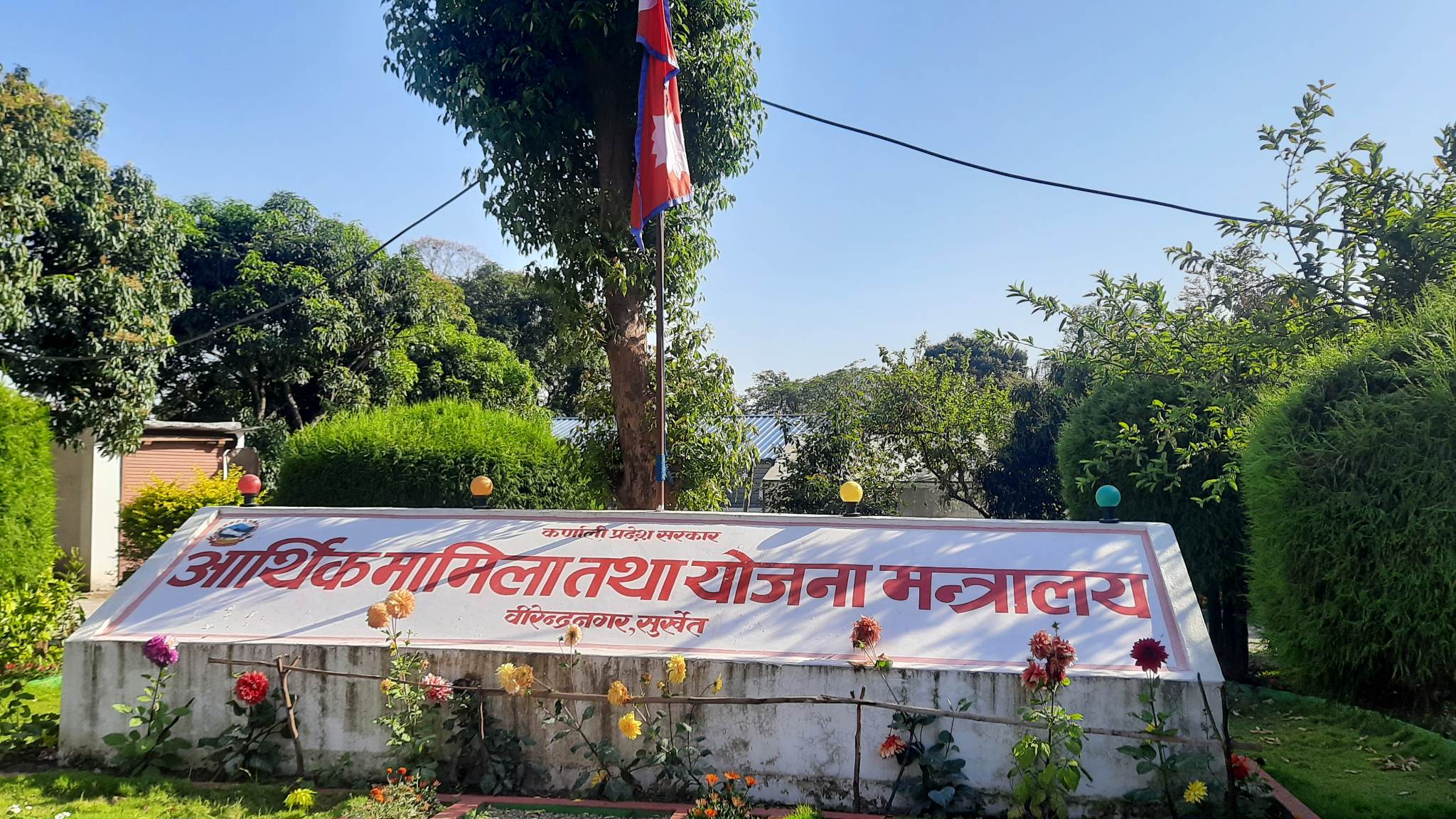
Surkhet. Having continuously failed to achieve its targets for internal revenue, the Karnali Province Government has reduced its share in the budget for the upcoming fiscal year.
Minister for Economic Affairs and Planning Rajib Bikram Shah has reduced the target for internal income by approximately 11 crore 68 lakh for the upcoming fiscal year (2083/084).
Shah unveiled an annual budget of 35 billion 39 crore 85 lakh for the upcoming year. The target for internal income is set at 85 crore 5 lakh 90 thousand, which is only 2.40 percent of the total budget.
In the current fiscal year (2082/083), a budget of 32 billion 99 crore 66 lakh was presented with a target of 96 crore 74 lakh 11 thousand rupees in internal income. However, based on the data so far, achieving this target seems almost impossible.
As of the end of Jestha, only 70 crore 44 lakh, or 72 percent of the target, has been received as internal income. Revenue officials at the Ministry of Finance estimate that internal income will reach 80 crore by the end of Asar.
For the upcoming year, although the size of the total budget has been increased, the target for internal income has been reduced.
Why was the internal income target reduced?
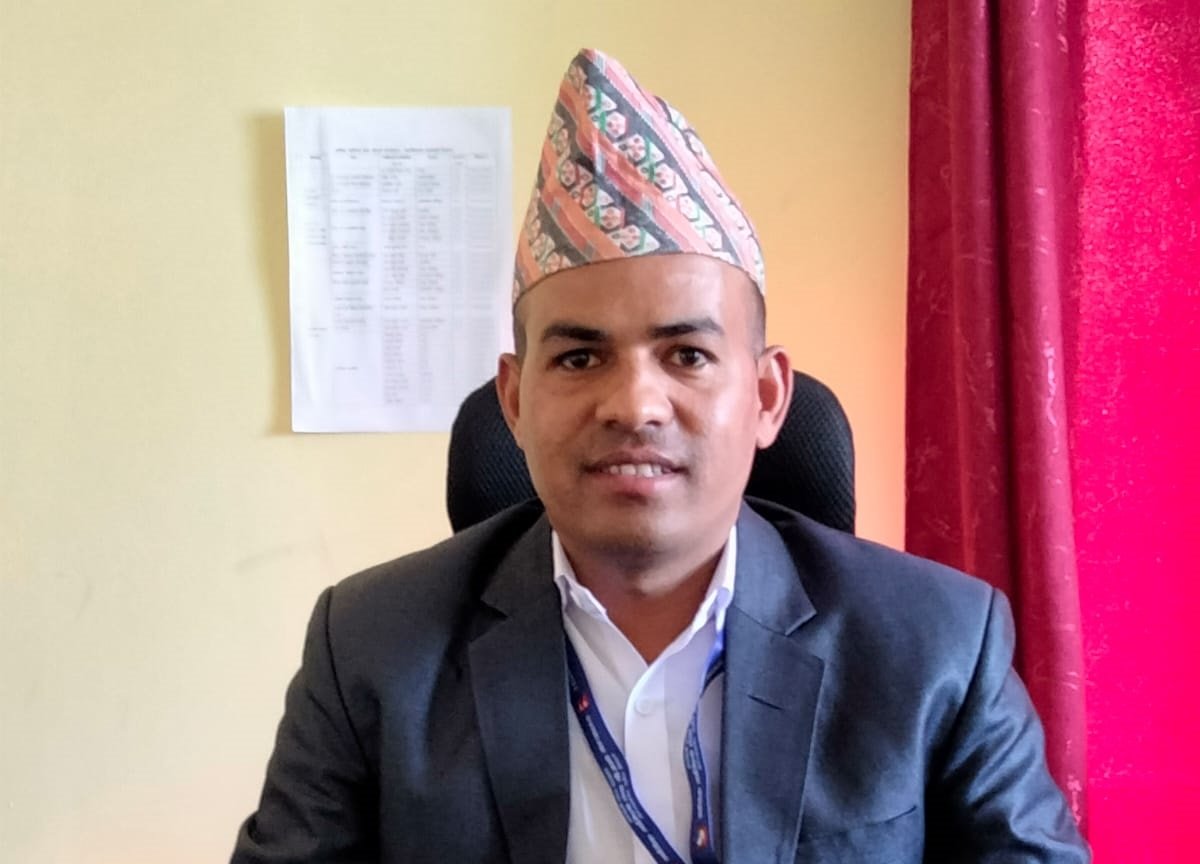
Senior Revenue Officer Ganesh Bahadur Chand of the Ministry of Economic Affairs and Planning states that the target has been set keeping in mind the estimated potential income.
He also mentioned that the target has been reduced due to a decrease in numbering from the center. 'The number we receive for equalization was in the sixth position last year,' he told Ratopati. 'But as our target achievement was not met according to the indicators, our number has now decreased.'
According to him, based on the data so far in the current fiscal year, the estimated collection is between 80 to 83 crore. 'Therefore, due to the decrease in numbers, it was decided to set a moderate target rather than a high one,' he added. 'Another intention is to pull forward the number for equalization by setting the achievable income as the target.'
Thus, if the target is set at 85 crore and the income is around 84-85 crore, the target would be met at 100 percent.
Chand states that the target has been set based on reality to meet that goal.
In the current fiscal year, a plan was put forward to keep the income from forest products within the province, but the revenue did not increase significantly. According to him, it did not generate as expected in the first year. 'This year, as the year of implementation, interactions were held with various local bodies, and laws were made,' he said. 'Also, provisions like not being able to collect agricultural tax were removed due to complexities.'
He stated that work will be done practically by resolving the complexities.
Imbalance in Target Setting and Achievement
Revenue officials at the ministry say that income is low because the government sets targets without identifying revenue collection sources.
On the other hand, the annual budget presented every year is entirely dependent on federal grants, as the provincial government itself is unable to collect revenue from the sectors it has invested in.
For example, 97.60 percent of the budget for the upcoming year depends on grants and revenue sharing from the federal government.
Since the establishment of the provincial government, over two kharba (200 billion) in budget has been invested through grants, but internal income remains in the crores.
Province Government's Target and Income So Far
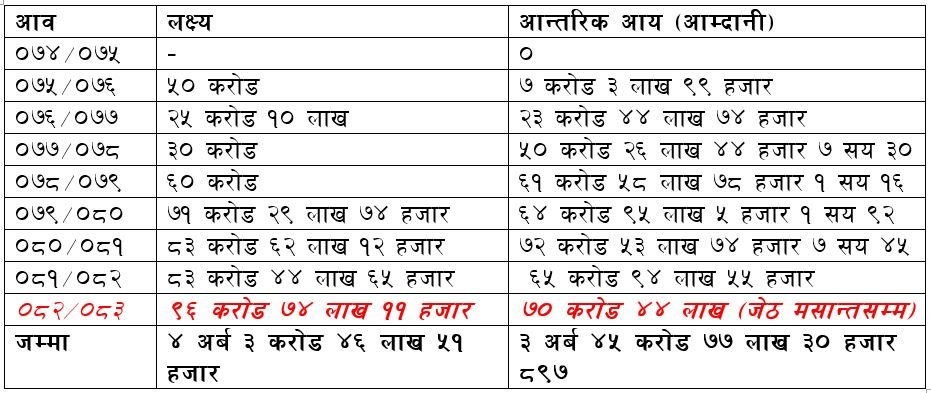
Note: The current fiscal year's data so far is not included in the total.
Out of nine fiscal years, there were no internal income activities in the first fiscal year. Out of the remaining eight fiscal years, the target was met in only two fiscal years. In the fiscal year 2077/078, income was 50 crore 26 lakh against a target of 30 crore.
Similarly, in the fiscal year 2078/079, income was 61 crore against a target of 60 crore.
In the subsequent four fiscal years (including the current one), there has been no improvement in internal income.
However, the target was increased to 96 crore by the current fiscal year. The trend of internal income collection so far is unstable.
'The Government Has Not Been Responsible Towards Increasing Income and Becoming Self-Reliant'
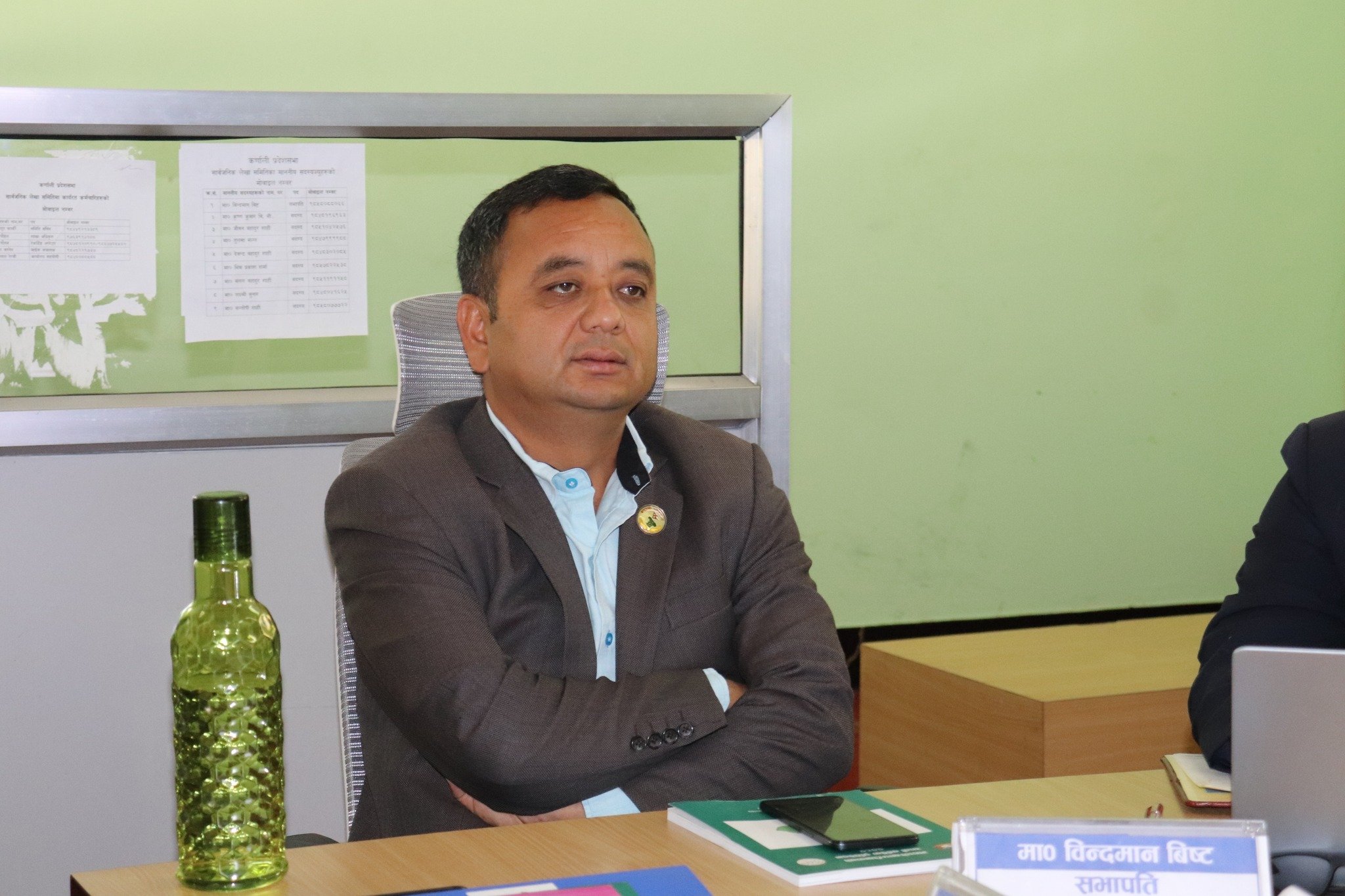
Former Finance Minister Bindaman Bisht says that the government has not been responsible towards increasing internal income and becoming self-reliant.
In his understanding, the government is not seriously engaged in exploring various aspects of income sources, expanding the tax base, and increasing internal income.
'A target of 96 crore was set for the current year, and their own documents state that we have increased revenue by 35 percent,' Bisht told Ratopati. 'But the target for the upcoming year is less than the current fiscal year.'
He states that this automatically refutes the claim that they performed well in the current fiscal year. 'On the other hand, attention does not seem to be paid to expanding revenue bases, managing revenue areas divided between local and provincial levels, and discussing how to manage revenue areas in the Provincial Development Council,' he added.
Bisht said that discussions on how much income to set only happen at the time of budget presentation, and it is not the government's agenda for the rest of the time.
According to him, the Ministry of Finance and the Planning Commission should regularly discuss how the entire government can increase internal income. Until that happens, internal income is unlikely to increase.
Bisht said, 'In other provinces, revenue is collected in billions due to high transport and land revenue transactions. Here, that transaction is very limited.'
He suggests that in Karnali, where the scope of the sector is very narrow, work needs to be done in new ways. He analyzes that without the provincial government working with a mission, the situation will become more dire rather than moving towards self-reliance.
What is the Government's Upcoming Revenue Policy and Program?
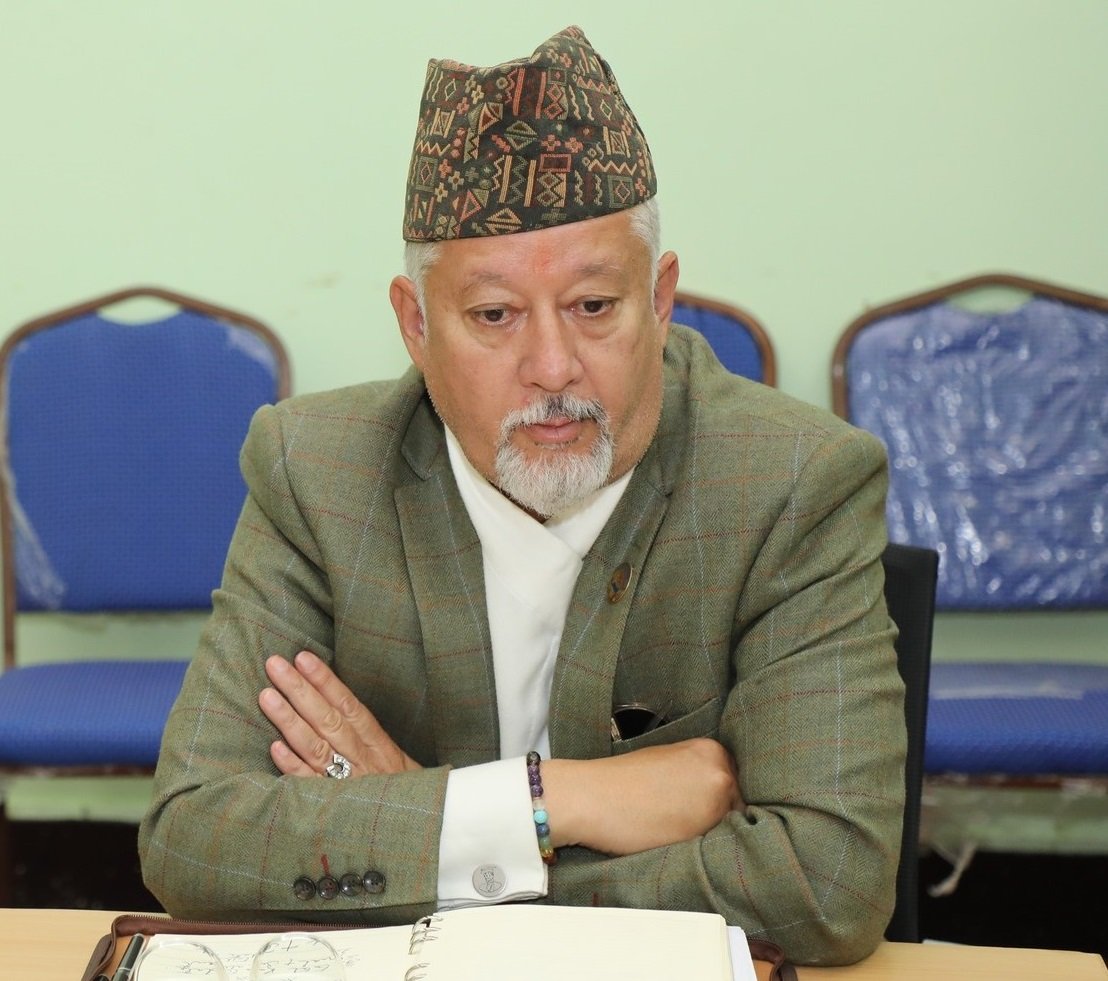
Finance Minister Rajib Bikram Shah said that additional areas of income generation will be identified to make the province self-reliant.
'By increasing investment in the development and expansion of sectors like agriculture, forests, and tourism, production and productivity will be increased, thereby enhancing the province's internal income,' he stated in the budget speech.
Furthermore, Shah said that programs will be conducted to enhance the internal revenue capacity of local levels within the province to expand the scope of revenues like entertainment tax, advertisement tax, stone, gravel, sand, and tourism fees, which are collected by local levels and shared with the province.
Regarding revenue exemptions and concessions, arrangements have been made so that owners of vehicles that do not physically exist or are old and unusable can get their vehicles deregistered by the end of Jestha 2084, provided they pay the vehicle tax and renewal fees for the last three fiscal years, without any fines.
Shah also mentioned that the rate of entertainment tax levied on events like fairs, festivals, concerts, sports, magic shows, etc., to be held within the province in the upcoming year has been revised and its scope expanded.
Minister of Finance Shah stated that the fees levied on the amount of written documents for property division, property transfer, and property relinquishment have been revised, and the financial collateral service fee has been revised to be contemporary.
According to him, arrangements have been made to allow private and partnership firms whose renewal period has expired to be renewed.
'The practice of local levels not distributing the taxes to be collected by local levels and shared with the province within the stipulated time will be discouraged,' Shah said. 'For that, the installment of financial equalization grant to be transferred to the concerned local level in the upcoming fiscal year will be deducted and reconciled with the tax.' Although this policy is from the past, it has not been implemented.
Regarding revenue exemptions and concessions, arrangements have been made so that owners of vehicles that do not physically exist or are old and unusable can get their vehicles deregistered by the end of Jestha 2084, provided they pay the vehicle tax and renewal fees for the last three fiscal years, without any fines.
'The provision of a 20 percent tax discount for vehicle owners who pay the vehicle tax for the next five years in a lump sum has been continued,' Shah said.
This specific news has been automatically translated by AI. As a result, there may be some inaccuracies or language errors.
_Lc2GX1hZa3.jpg)