Far-Western Nepal Faces Electricity Paradox: High Production, Persistent Darkness

Dhangadhi. The Sudurpaschim Province is considered rich in water resources. Despite the potential to generate thousands of megawatts of electricity from the large rivers and streams here, production has increased significantly in recent times. Large projects like Chameliya and private sector projects Kalanga and Api Hydro are continuously adding electricity to the national grid.
Even though more than 135 megawatts of electricity are being generated in this province, more than 60,000 households are still forced to spend their nights relying on kerosene lamps, diyalo, and pine wood.
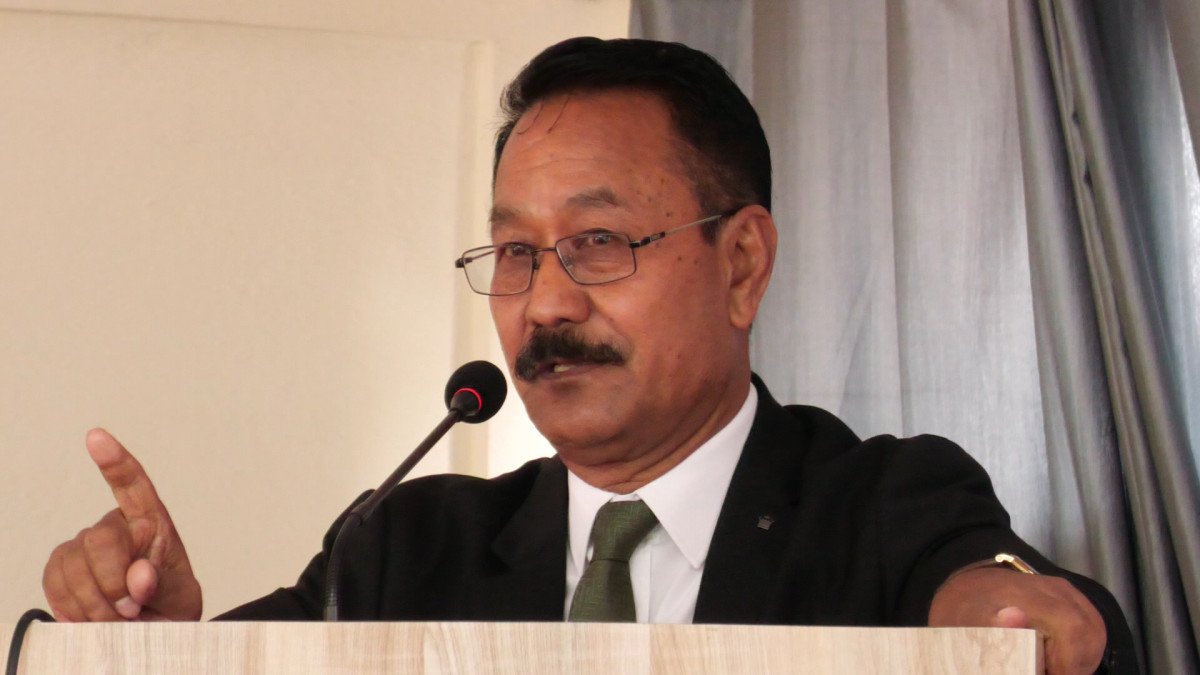
According to Jagat Bahadur Chand, head of the Nepal Electricity Authority Sudurpaschim Provincial Office, Attariya, the electrification status in the province has reached 88 percent. Electrification is yet to be completed in the remaining 12 percent.
According to statistics, 60,787 households in Sudurpaschim are still completely deprived of electricity service. Neither the national transmission line nor the light from solar or micro-hydro reaches these households.
Even in this digital age, the children of these 60,000 families cannot see light after evening. Their daily lives are limited to the light of diyalo, pine wood, kerosene lamps, or torches.
Looking at the statistics of the provincial office, the scope of electricity access is expanding. According to office chief Chand, the number of electricity consumers in Sudurpaschim has reached 417,794. These households are directly using electricity through meters connected to the national transmission line.
In addition, alternative energy is being used in areas where transmission lines have not reached. The number of households receiving service from solar and small micro-hydro projects is 83,956.
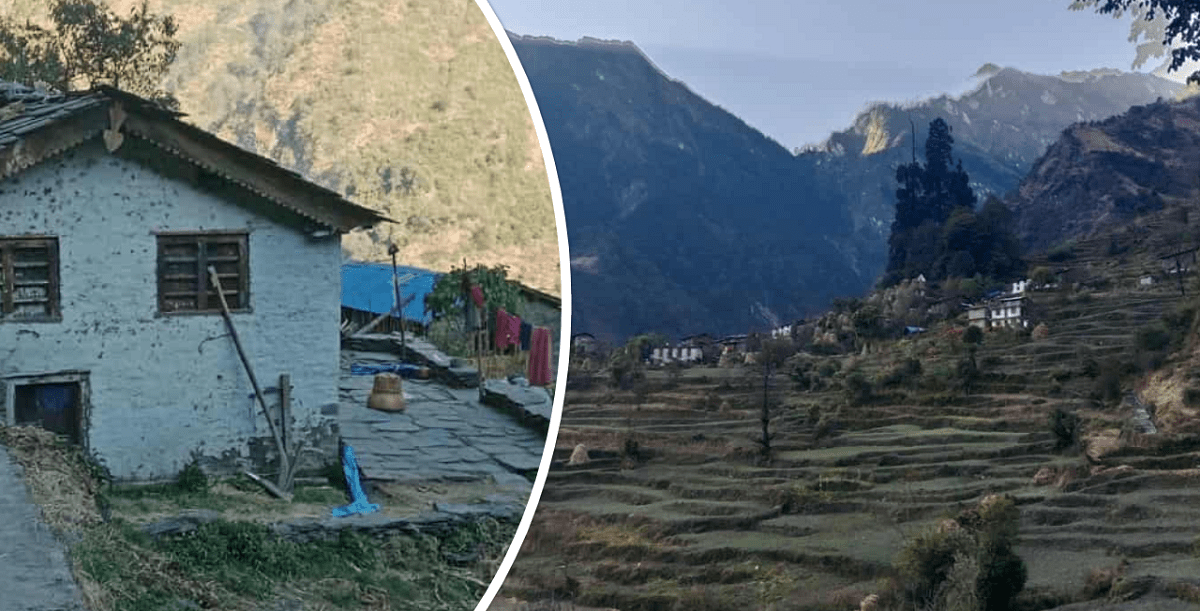
Electricity access in some form has reached all 88 local levels in the province. Reaching the local level and reaching every citizen's home are different things. While electricity has reached the centers of local levels or accessible wards, remote wards are still in darkness. Due to the lack of 100 percent electrification, settlements in the nooks and crannies of those 88 local levels are still dependent on kerosene lamps.
Looking at the demand and supply of electricity in Sudurpaschim, the production side is strengthening. Currently, the private sector's contribution to the total production within the province is three times more than government production.
Currently, 31.6 megawatts of electricity are being generated by the government. The main project is the 30-megawatt Chameliya Hydropower Project in Darcula, and the remaining 1.6 percent is generated from small and medium micro-hydro projects.
In stark contrast, the private sector has brought a revolution in the energy sector of Sudurpaschim. Currently, 103.8 megawatts of electricity are being generated from private sector projects. This electricity produced by projects like Kalanga Hydro, Api Hydro, and Darcula is being purchased by the Nepal Electricity Authority and distributed through the national transmission line.
Thus, about 135 megawatts of electricity are produced within the province. Electricity produced from rivers in their own backyard flows through wires to other places. Locals living on the banks of the same river are forced to live in darkness, complain those deprived of electrification.
Although production is good, citizens are not directly benefiting from it due to delays in the distribution system and infrastructure expansion.
The Electricity Authority aims to make Sudurpaschim fully illuminated within the next two years. According to Provincial Chief Chand, work is underway to provide electricity to the remaining 60,000 households within the next two years.
"We are currently at 88 percent electrification, and work on expanding the transmission line to the remaining areas is progressing rapidly," he said.
Despite challenges such as difficult geographical terrain, inconvenient roads, and budget allocation, the authority has stated that it will work to extend electricity to those 60,000 families.
This specific news has been automatically translated by AI. As a result, there may be some inaccuracies or language errors.

-(2)_QJLjKxR87n.jpg)