Private Sector Views Upcoming Budget Positively but Cautiously

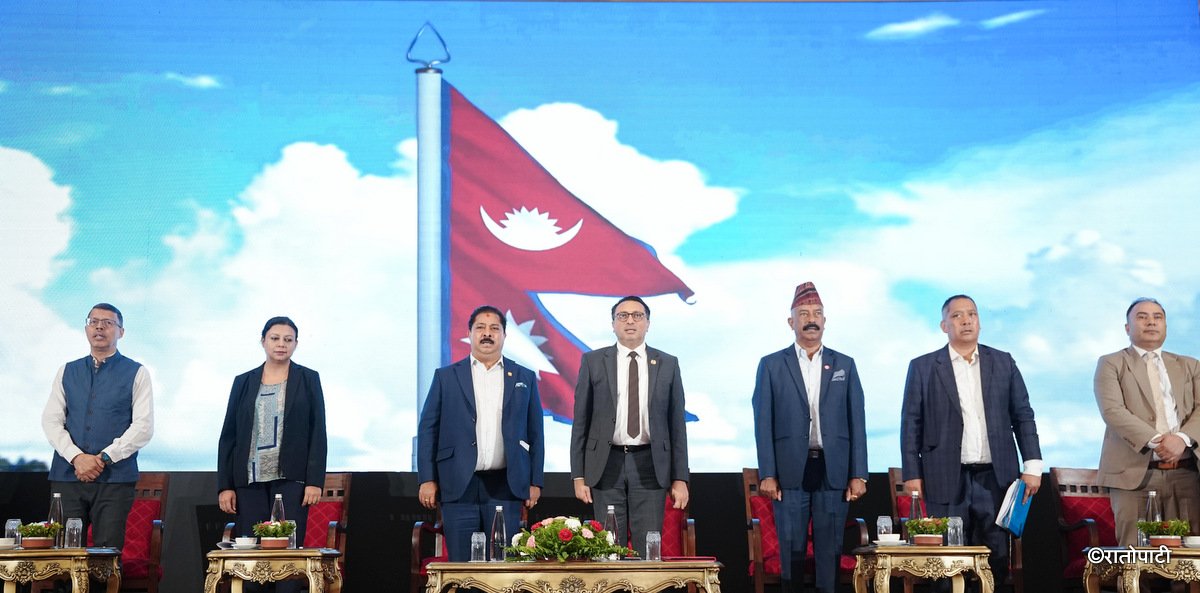
Kathmandu. The private sector, which has been demanding structural and policy reforms for a long time, has taken the upcoming fiscal year's budget positively in principle. However, the private sector expresses concern that the problem of good announcements but poor implementation, as in previous years, might be repeated.
This was stated by the private sector at a policy dialogue program on the budget organized by the Federation of Nepalese Chambers of Commerce and Industry (FNCCI) in Kathmandu on Monday. The FNCCI states that the upcoming fiscal year's budget has taken a bold path of policy and legal reforms, but its success will depend on the government's implementation capacity.
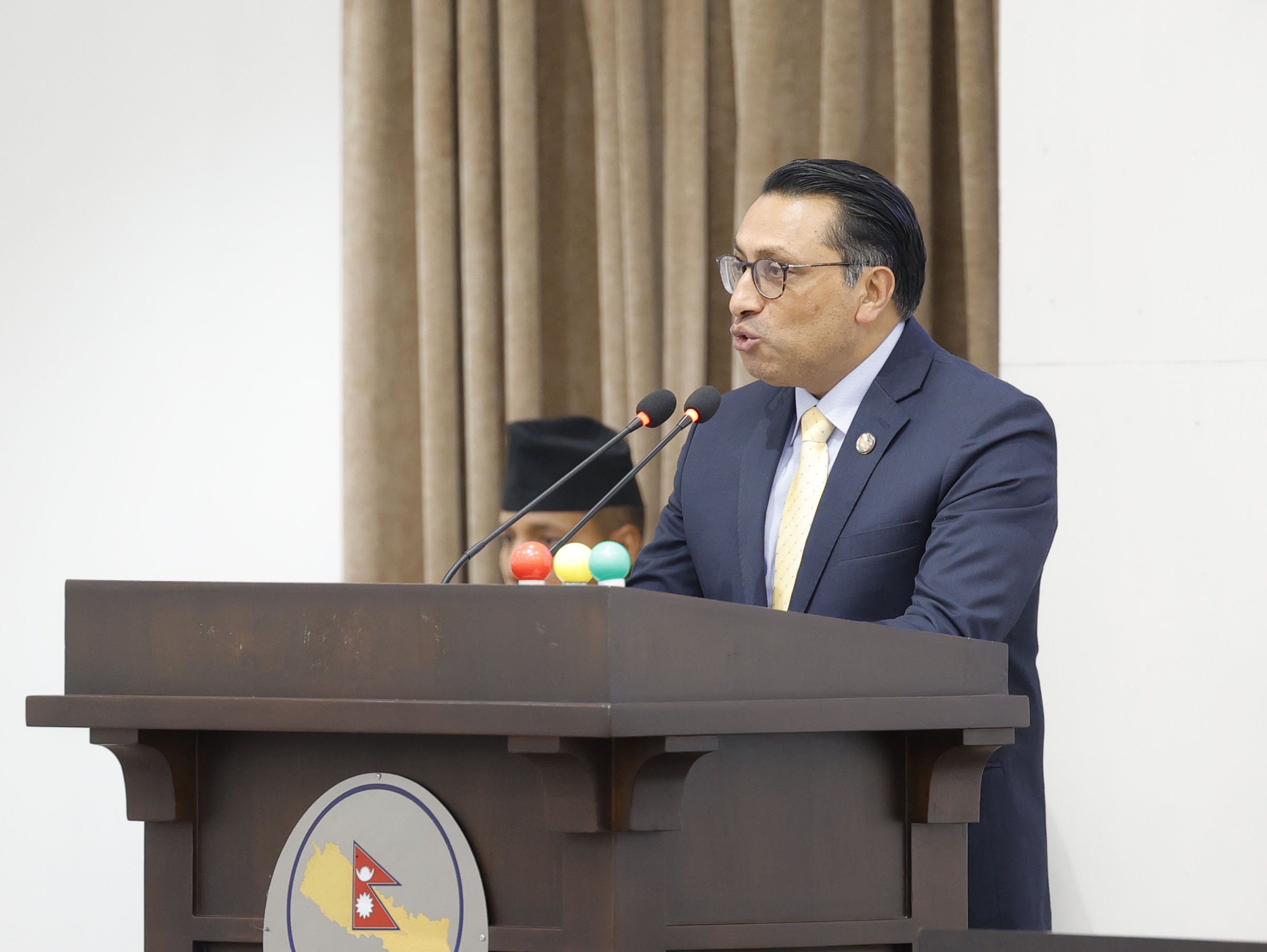
The private sector has stated that it will give the budget the benefit of the doubt, even though it has taken it positively. Meanwhile, experts from other economic sectors have also said that the budget is partially positive but its implementation remains to be seen. However, Finance Minister Dr. Swarnim Wagle said that it is wrong to expect the budget to solve decade-old problems all at once. He said that the general expectation that a single budget will magically solve economic problems that have been entrenched for decades is unrealistic.
While it is natural for policymakers and the general public to have such expectations, he said that this thinking will prove wrong when viewed from the ground of current reality. Finance Minister Dr. Wagle stated that during the presentation of the budget, the tax rates were historically adjusted.
He said, "The government had expressed a commitment to reduce the overall tax burden on the public and businesses. Work has begun in line with that plan and promise."
'The direction is right, but the destination is yet to be reached'
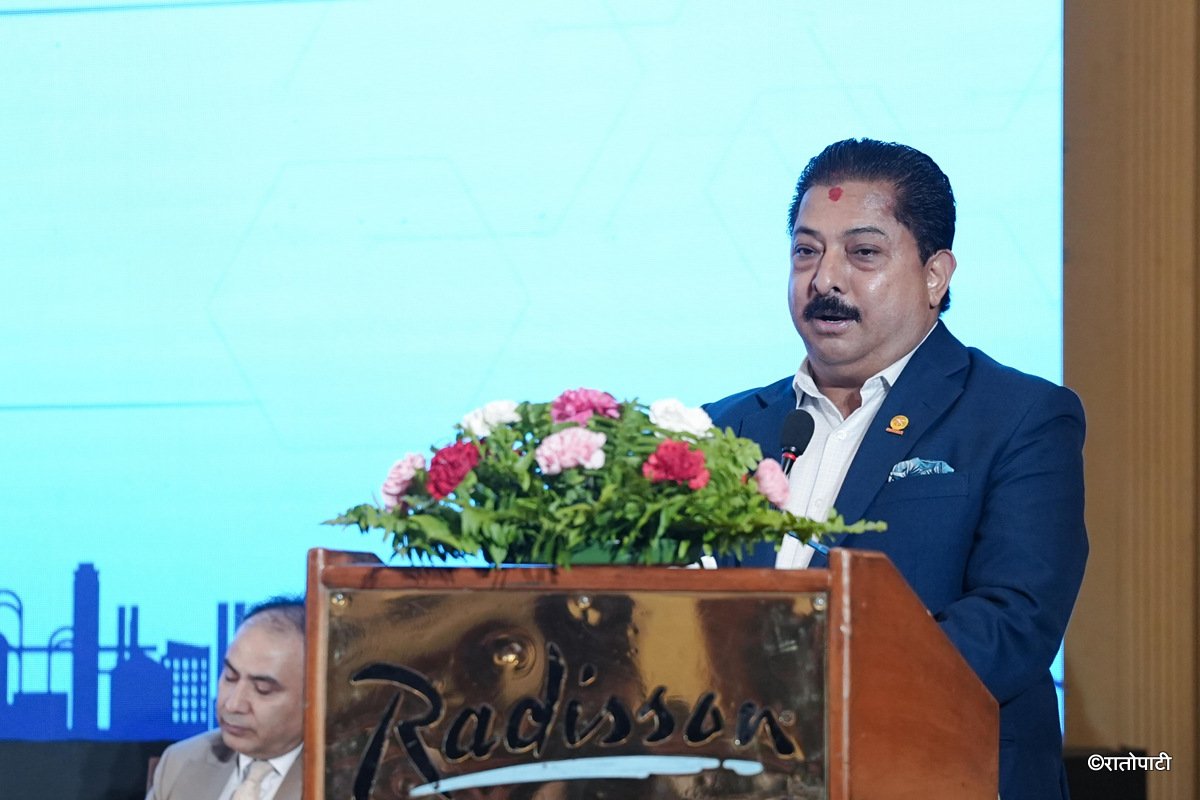
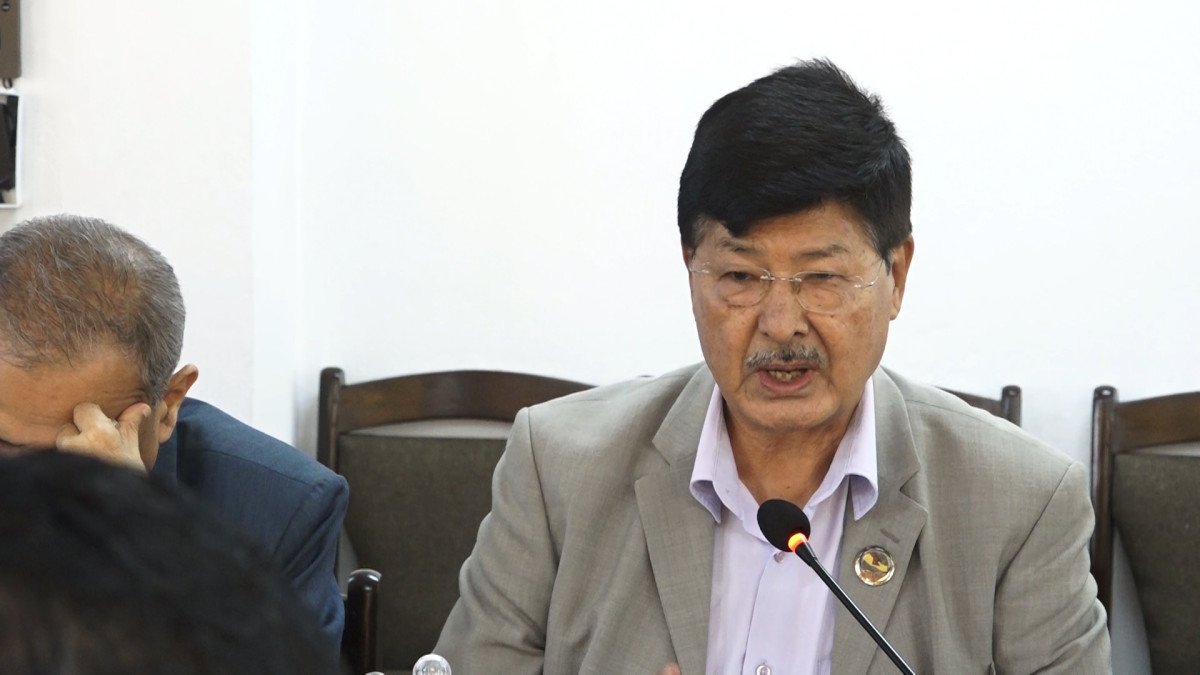
Anjan Shrestha, President of the Federation of Nepalese Chambers of Commerce and Industry (FNCCI), interpreted the budget not just as an account of income and expenditure, but as a mirror of the state's intention and priorities in driving the economy.
He said that this time, the private sector is not judging the budget on the traditional scale of support or opposition, but on the basis of whether it improves the investment climate. He stated that in the FNCCI's understanding, the budget has taken the right direction, and they are giving it the benefit of the doubt.
Praising the bold effort in policy and legal reforms as the strongest aspect of the budget, President Shrestha said, "The FNCCI welcomes the announcement to repeal old and conflicting laws that have discouraged businessmen for a long time, the commitment to take 15 laws to parliament for immediate amendment, and the decision to abolish or merge 31 government agencies."
He said that new tools introduced to facilitate investment, such as the provision that prior approval from Nepal Rastra Bank is not required when repatriating foreign investment, limited liability partnership law, and encouragement of angel investment and private equity funds, have left a positive impression on investors' psychology.
The FNCCI considers measures like a 50 percent tax exemption on IT service exports, the establishment of an AI computer center in Syuchatar, Kathmandu, and collateral-free loans for startups as transformative steps.
The FNCCI has also drawn the government's attention to some serious flaws. The FNCCI complains that although excise duty on 360 goods has been abolished, transforming it into a domestic production promotion and protection fee has not reduced the actual tax burden on consumers and industrialists.
He also demanded that the customs duty on agricultural tools used by small farmers be increased from 1 percent to 5 percent and that customs duty be provided only on auxiliary raw materials and not on main raw materials.
"Overall, we are cautiously optimistic," he said.
Legal reforms will increase investment, but the Labor Act is a hindrance
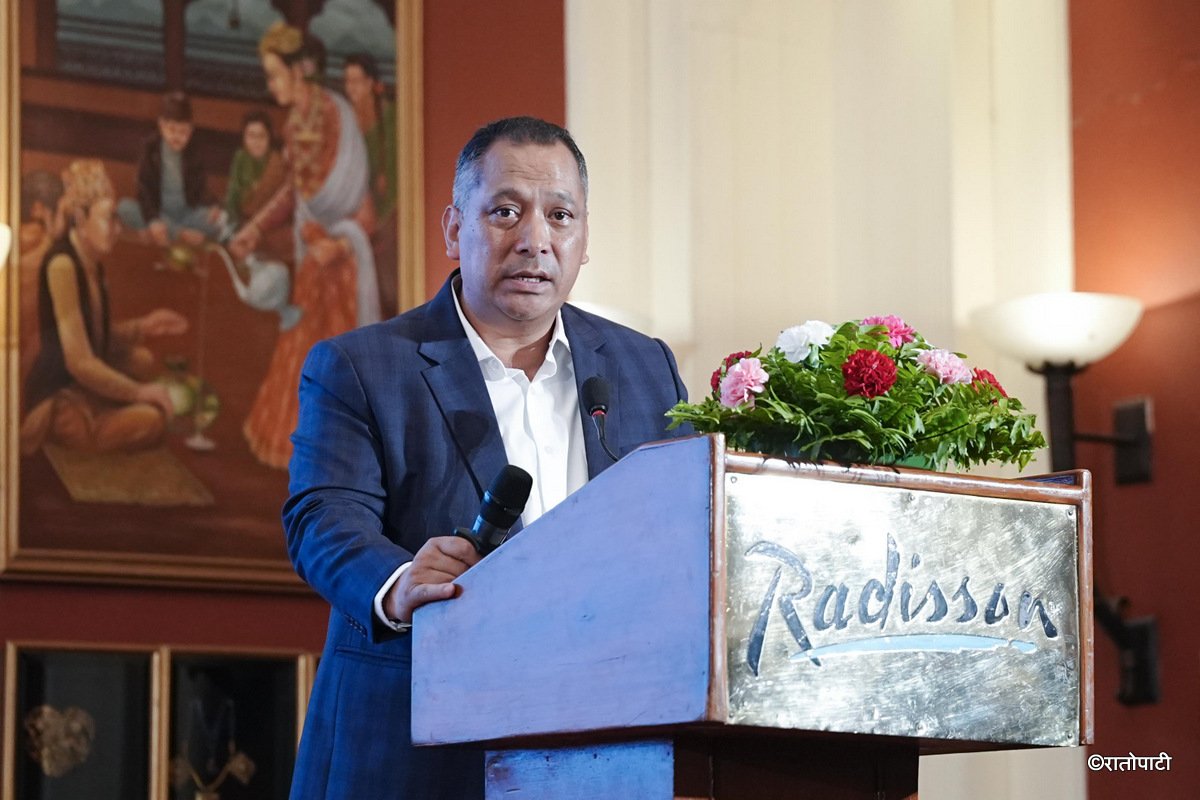
Corporate legal expert Anup Raj Upreti says that the budget's focus on legal reforms has positively influenced the psychology of both domestic and foreign investors. "When talking to domestic or foreign investors, they mention that things have become legally easier and changed," he said.
Upreti pointed out the complexity of budget implementation, stating that implementation has always been a complex issue in Nepal. He expressed hope for implementation this time due to the new and strong government.
He analyzed the policy brought for tax dispute resolution. He said that although the budget includes a provision for faster resolution of tax disputes, disputes often arise when tax offices impose taxes contrary to the taxpayer's self-declaration. Upreti stated that the budget has not concretely addressed this issue.
Similarly, he argued that while the budget highlights new concepts like remote work, the IT sector will not develop solely through tax concessions.
Upreti said, "The Labor Act has not been able to arrange work and salary based on capability and qualification. The Labor Act is solely focused on productive industries, which puts modern service and technology sectors at a disadvantage."
He believes that the upcoming fiscal year's budget is infrastructure-focused, and the move to introduce the sunset clause will have a positive impact on increasing capital expenditure.
'This budget is an installment for laying the foundation of the economy, the license raj will end'
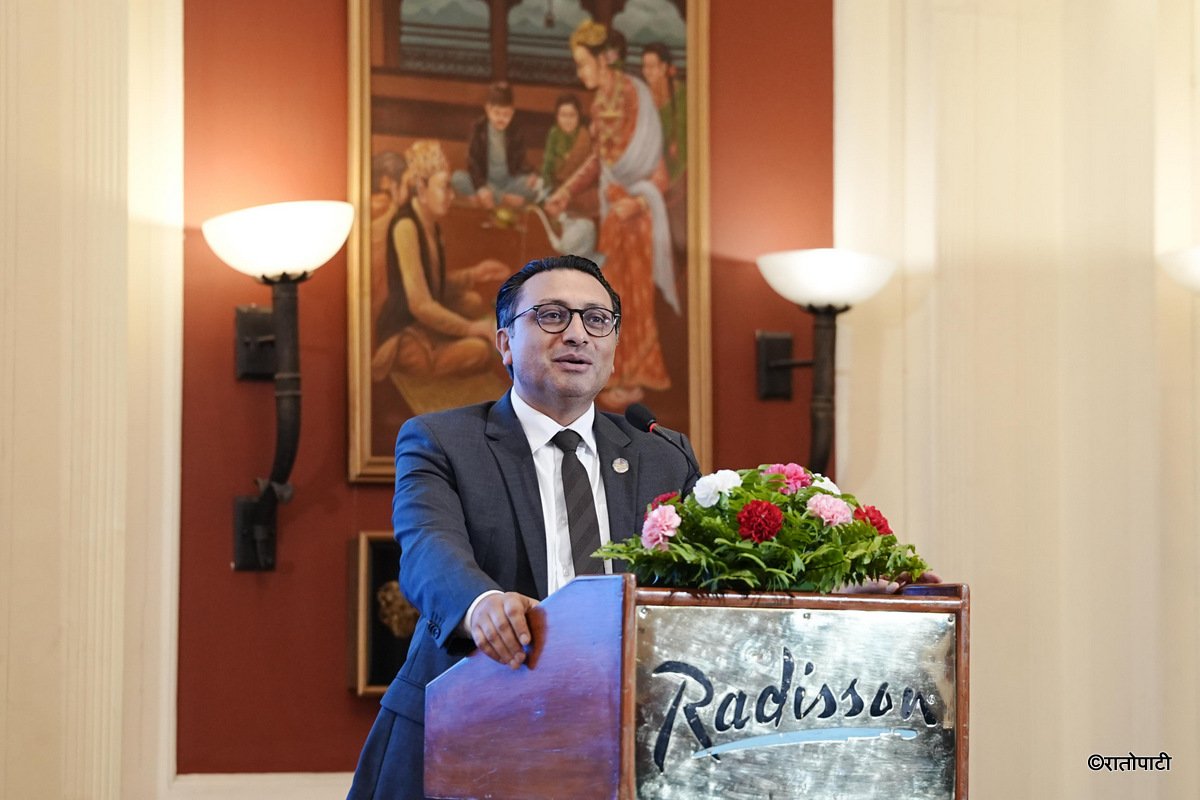
Addressing the concerns of the private sector and experts, Finance Minister Dr. Wagle commented that this budget is not a magic wand. He claimed it is the first installment of a roadmap prepared to bring Nepal's economy on the right track within the next five years.
He said, "Our total revenue collection is only 12 to 13 kharabs, but mandatory liabilities such as loan principal and interest, salaries of employees, pensions, and social security allowances alone reach 14 to 15 kharabs."
He clarified that due to this extreme pressure on resources, the size of the budget has been limited to 28.5 percent of the Gross Domestic Product (GDP) to make it realistic.
The Finance Minister stated that the government has taken a historic step by increasing the income tax threshold to 1 million rupees to break market stagnation and boost aggregate demand. He believes that even though this will result in a revenue deficit of 15 to 16 kharabs for the state, the money will remain in the pockets of the middle class, making the market dynamic.
Responding to questions about the abolition of excise duty, Finance Minister Wagle said that excise duty has been limited only to sin taxes that are harmful to health and the environment.
He explained that the Domestic Production Promotion Fee has been implemented because customs duties cannot be increased due to WTO regulations, but domestic industries need to be protected. He said this will help domestic industries like paints, footwear, and plywood compete with foreign goods.
The risk remains that the bright prospects of the budget will be confined to paper unless structural problems such as the government's weak capacity for capital expenditure, lack of inter-agency coordination, and policy instability are treated. Therefore, it remains to be seen whether the policies and laws announced by the government will be implemented in a timely manner.
The Finance Minister informed that a Clean Slate plan has been introduced to resolve tax disputes that have been pending for decades. Under this, businessmen can settle their old disputes and start their business anew by paying 1 percent administrative fee on the determined tax, he said.
The Finance Minister said that the state will no longer pursue old and pending tax cases that have been in courts or tribunals between tax offices and businessmen for years.
The Finance Minister claimed that the budget recognizes the indispensability of the private sector in infrastructure development and job creation. According to Finance Minister Wagle, instead of investing in small, fragmented projects, private capital will be brought in through the Alternative Development Financing Bill.
He said that private sector will be given the opportunity to construct highways like Butwal-Pokhara and tunnels on a toll collection model. Interpreting Information Technology (IT) and green energy as game-changers and strategic bets of the budget, he said that Nepal will be made an IT hub and a country exporting computer power.
The risk remains that the bright prospects of the budget will be confined to paper unless structural problems such as the government's weak capacity for capital expenditure, lack of inter-agency coordination, and policy instability are treated. Therefore, it remains to be seen whether the policies and laws announced by the government will be implemented in a timely manner.
This specific news has been automatically translated by AI. As a result, there may be some inaccuracies or language errors.