Private Sector Representatives Welcome Budget's Positive Signals for Business Environment


Kathmandu. Private sector representatives have stated that the upcoming fiscal year's budget has given some positive signals towards improving the business environment. Speaking at a program organized in the capital, they commented that although the budget is positive, it is not complete.
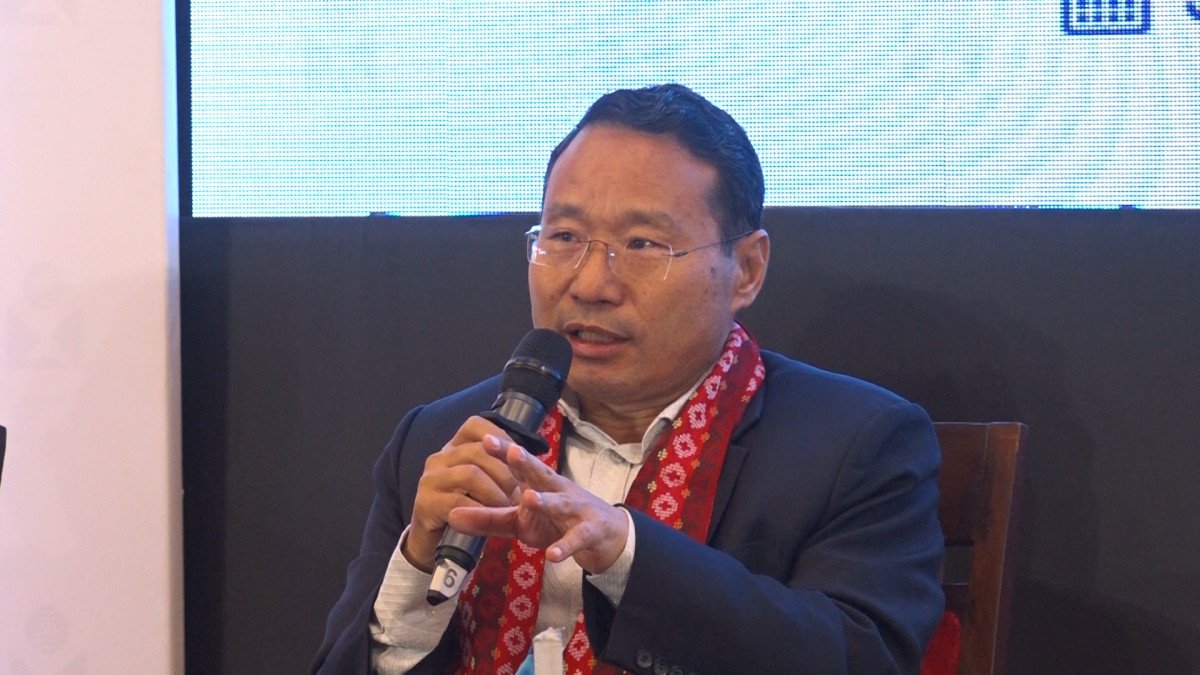
Nepal Chamber of Commerce Chairman Anjan Shrestha said that he views the upcoming budget as an 'effort in the right direction', noting that the private sector will evaluate the budget not from the perspective of support or opposition, but based on its impact on investment, production, and employment. Chairman Shrestha stated that the country has received this budget at an extraordinary time, and as this is the first full budget after a wave of political transformation, it carries signals of a new economic direction.
Mentioning that the economy has been trapped in a cycle of protectionism, informality, and administrative hassle for decades, he said that this budget has the courage to break that cycle and expressed a desire to give the budget the 'benefit of the doubt'. Shrestha said, 'We want to clarify one thing first, the private sector does not weigh the budget on the scale of support or opposition. We look at it from a single perspective. Does it improve the investment environment, increase production, and create employment within the country? Looking at it this way, we want to give this budget the benefit of the doubt. This budget has taken the right direction.'
Shrestha stated that provisions such as reducing the customs level from 11 to 7, removing excise duty on 360 goods, reducing customs duty on 273 types of raw materials, and increasing the income tax exemption limit to 1 million rupees indicate structural reform. He analyzed that increasing the income tax exemption limit will increase the purchasing power of the middle class, which will have a positive impact on the market and production sectors.
Similarly, the Chamber expects that the policy of facilitating the resolution of tax disputes pending in courts and judicial bodies, simplifying company dissolution procedures, expanding double taxation avoidance agreements, and promoting angel investment, venture capital, and private equity funds will improve the investment environment. Regarding foreign investment, he interpreted the provision that projects approved by the Investment Board will not require re-approval from other bodies and that foreign investors will only need to provide information instead of prior approval from the central bank when repatriating profits as significant reforms.
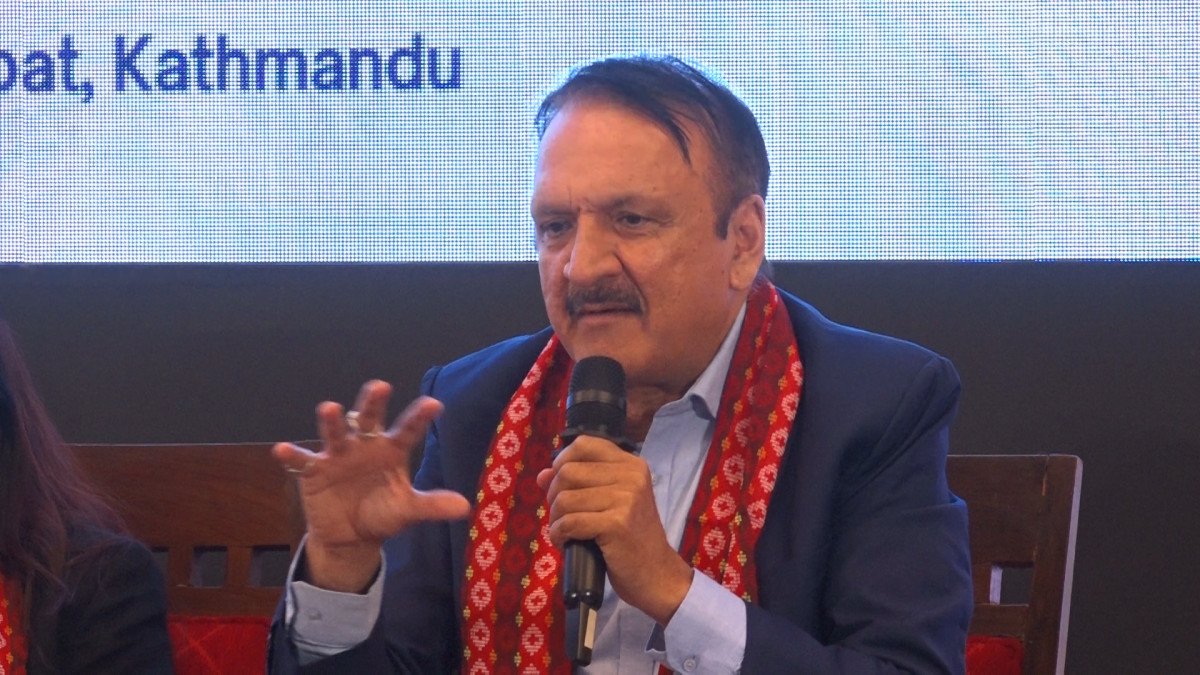
At the program, Confederation of Nepalese Industries Chairman Virendra Raj Pandey also welcomed the budget, stating that it includes some important industry-friendly provisions. He said that reducing customs duty on raw materials for industries and abolishing excise duty will reduce production costs, increase the competitive capacity of domestic industries, and help in import substitution.
Pandey pointed out that the main economic problem in Nepal is the weak market demand, even though industries are ready to produce and there is sufficient liquidity in the banking system. He expressed confidence that increasing the personal income tax limit and reducing the highest tax rate will help increase overall demand by boosting consumer purchasing power.
Chairman Pandey said, 'Customs duty has been reduced on 273 types of raw materials for industries. Excise duty has been removed on 360 goods. It can be expected that this will reduce production costs, increase the competitive capacity of domestic industries, and help in import substitution.'
Pandey stated that the facilitation of profit and royalty repatriation for investment promotion and commitments to legal reforms will create a positive environment. He mentioned that the budget's efforts to advance the production sector related to employment, business revival loans, startup promotion, venture capital, alternative development finance, capital market reform, and information technology (IT) sector as strategic industries are welcome.
This specific news has been automatically translated by AI. As a result, there may be some inaccuracies or language errors.



_htFaNqpIDJ.jpg)