Populism: Definition, Ideology, and Longevity in Modern Politics


In 2017, when Britain had already exited Europe and Donald Trump was elected US President for the first time, Cambridge University declared populism as the 'Word of the Year'.
We might have thought that this term would be used less in about a decade. But with Donald Trump returning to power in America, the 'Reform Party' performing well in elections in Britain, and the scenes of Argentinian President Javier Milei appearing in public spaces with a chainsaw, the word populism has come to confront us more and more.
Despite all these discussions and the use of this word, there is still ambiguity about it. What is populism? Is it a right-wing tendency or a left-wing tendency? Will it last long in our daily lives or disappear?
- What is Populism?
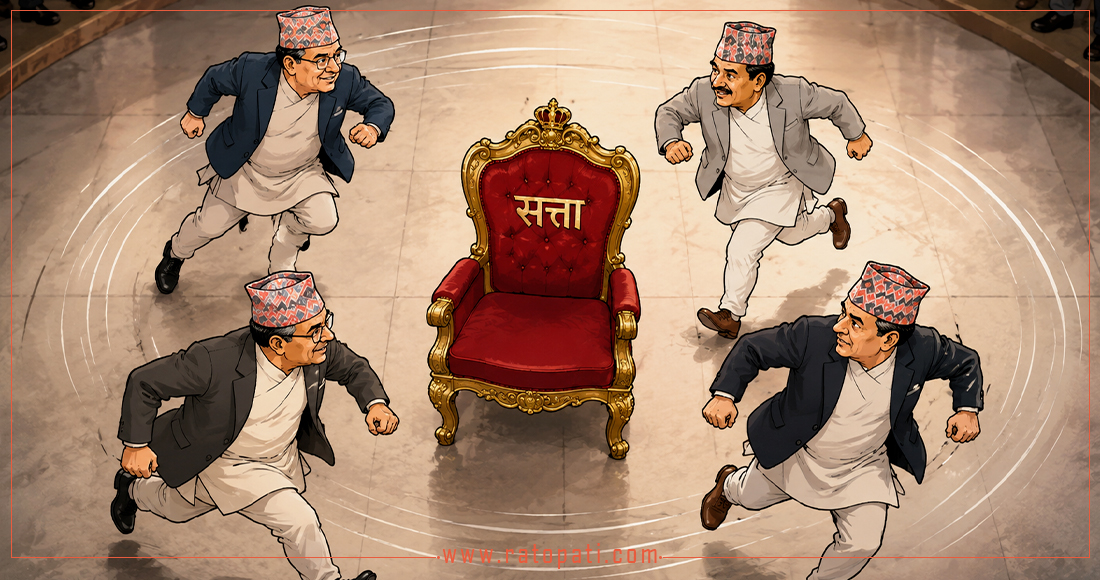
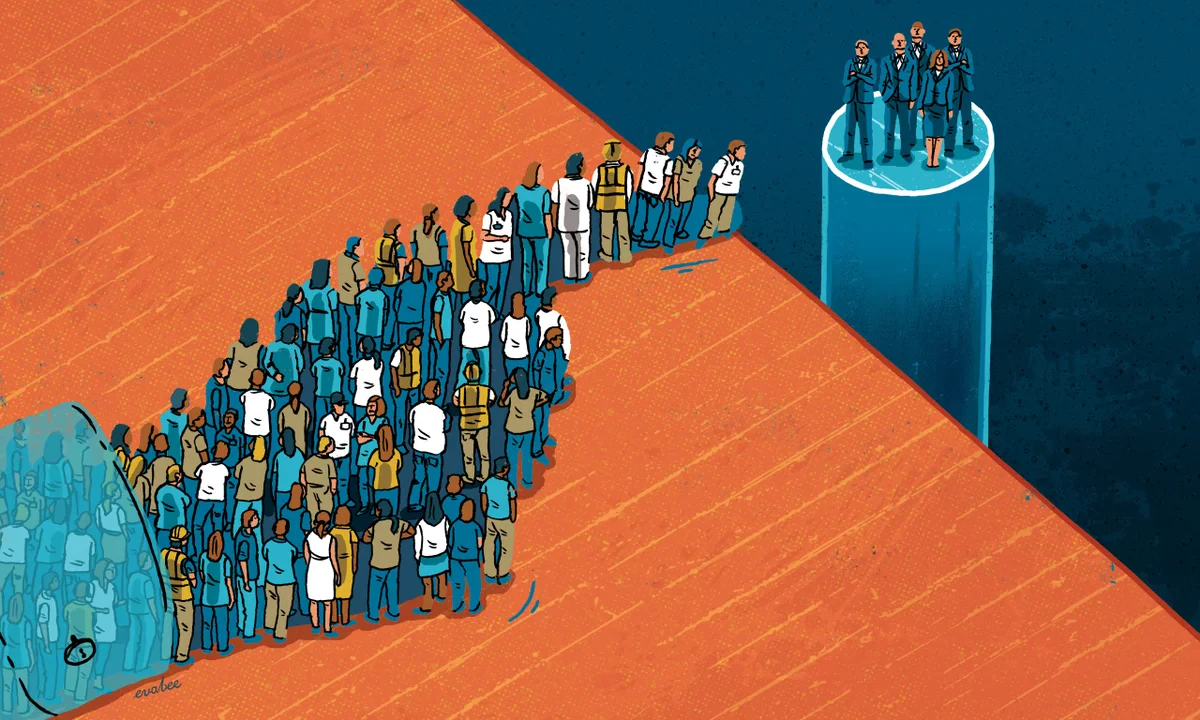
In simple terms, populism (also called 'lokarijhyai' and 'priyatavad' in the Nepali context) is a political tendency. Such a tendency revolves around the division between 'the people' and 'the elite'.
Most academics, researchers, and teachers agree that populism divides people. However, they do not agree on two other issues.
The first difference of opinion among them is about what kind of tendency it is. Is populism an ideology or a belief system? Is it a strategy? Or just an attractive political style?
The second difference of opinion among experts is whether populism is a threat to democracy or an attempt at reform. Some even say it is both.
- Is Populism Right-wing or Left-wing?
Most of the ambiguity about populism is seen in its ideological domain. The two terms 'the people' and 'the elite', used to divide society, are not words with clear meanings. They can be used in many ways. Populists can define them in various ways.
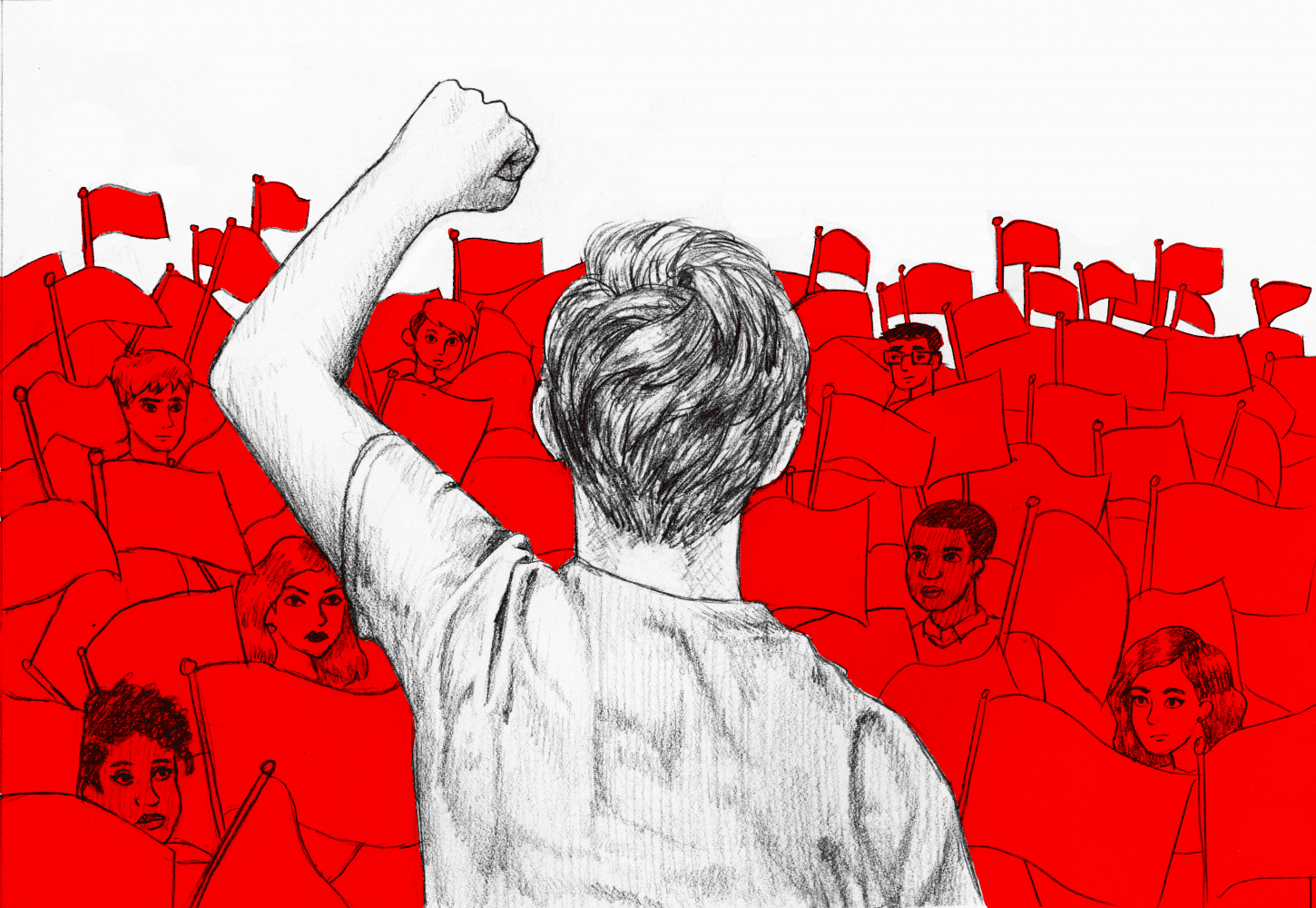
Right-wing populists use 'the people' in a socio-cultural sense. They also often associate populism and the local residents of that place. As an example, we can take Trump's context. The 'people' he refers to include white American citizens.
Similarly, within the concept of Hindu nationalism promoted by Indian Prime Minister Narendra Modi, a specific type of citizen (mainly Hindu) can be seen as 'the people'. There are many other right-wing populists, among whom we can primarily include Viktor Orbán of Hungary, Nigel Farage of Britain, Geert Wilders of the Netherlands, and Pauline Hanson of Australia.
On the other hand, there is also left-wing populism. It interprets the word 'the people' as a socio-economic category. They link populism with economic redistribution or transfer of power. Examples of this include Evo Morales of Bolivia, Hugo Chávez of Venezuela, etc. They try to include the poor people in their concept of 'the people'.
In the initial campaigns of the 2016 and 2020 US presidential elections, Bernie Sanders presented working-class and precarious workers as his 'people'. As other examples of left-wing populists, we can also mention the Podemos party in Spain and the Syriza party in Greece.
Similarly, there is a big difference among populists in defining 'the elite'. The targets of right-wing populists include elites in government and policy sectors. As an example, we can take Trump's reference to senior officials, donors, and old leaders in the 2016 election, saying 'Drain the Swamp'.
Trump's attack on the media, calling it 'fake news', also falls under this. Cultural elites are included here. This includes academics, who are ridiculed as being in an 'ivory tower'. International bodies like the United Nations also fall into this category.
In the discussions and debates of right-wing populists, such 'elite' groups are seen as intent on making the lives of 'the people' difficult. They believe that this is why they are increasing immigration from other countries or destroying 'traditional values'.
On the other hand, left-wing populists place businessmen and the powerful in the category of 'elites'. According to them, such elites exploit 'the people' economically. They want to keep 'the people' in poverty. They also always prevent them from using their power; the division between the 1 percent and 99 percent during the Occupy Wall Street movement is a strong example of this.
Populists also view international organizations with suspicion. However, their targets are somewhat different. Organizations like the United Nations and the World Health Organization are targeted by right-wing populists. Left-wing populists, on the other hand, are suspicious of organizations primarily related to trade, such as the World Trade Organization and the World Economic Forum.
- How Long Does Populism Last?
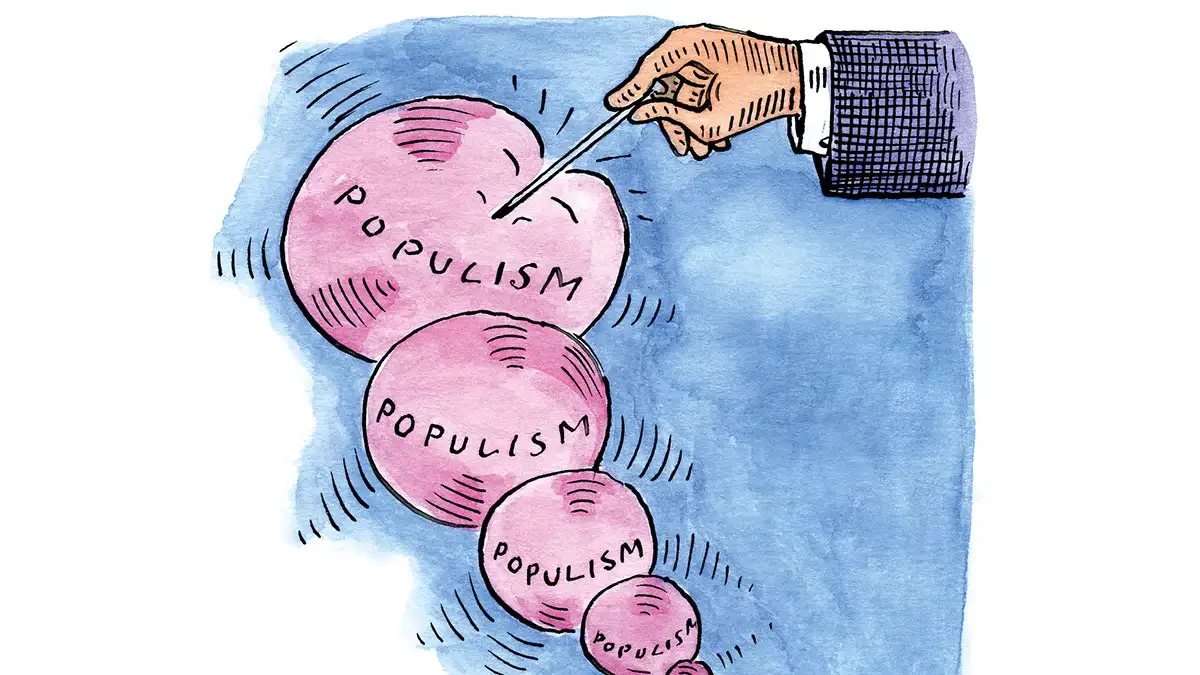
Immediately after every election won by a populist party or leader, we hear discussions everywhere like 'populist earthquake', 'wave of populism', and 'tsunami of populism'. Such metaphors create the impression that populism has suddenly appeared and delivered an unexpected and strong blow to the established system.
However, the situation is not like that at all.
In fact, populism is one of the major political narratives of the 21st century, becoming a 'normal' and accepted part of the 'mainstream' of politics.
Populist politicians and parties are no longer small groups on the sidelines challenging the existing political system. In many countries, such groups have become major political forces. They have come to power in many countries. And they have formed governments.
In most European countries, populist parties have now reached the status of the top three parties. In countries like America, India, the Netherlands, Italy, and Greece, they have already formed governments.
Due to such success, they are beginning to appear as natural and 'normal' political players. In such a situation, mainstream parties and leaders are also adopting similar debates, platforms, and political styles to compete with populists.
The effect of adopting the style of populists has been the opposite. By doing so, it is seen that populists themselves have gained legitimacy in many countries. Their policies and debates are becoming more 'acceptable'.
We must question both types of political commentators who claim that populism is 'dead' and those who claim it has suddenly appeared out of nowhere.
In fact, populism is not disappearing today; rather, it has become a permanent feature of modern politics.
Understanding it well makes it easier to understand why and how it attracts people. Furthermore, such an understanding can also help us think about how to deal with populism.
This specific news has been automatically translated by AI. As a result, there may be some inaccuracies or language errors.