Prime Minister Balen Shah Engages in Discussions with Business Community

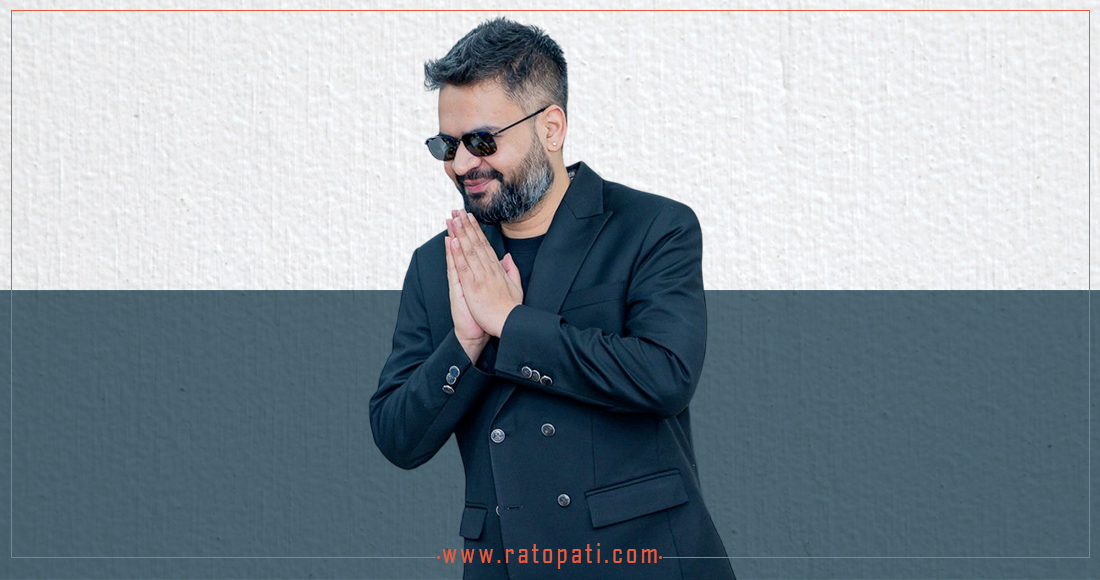
Kathmandu. Prime Minister Balen Shah has engaged in discussions with industrialists and businesspersons, ending a period of communication silence. Prime Minister Shah has held discussions with construction entrepreneurs, the private sector, and industrialists for the past week.
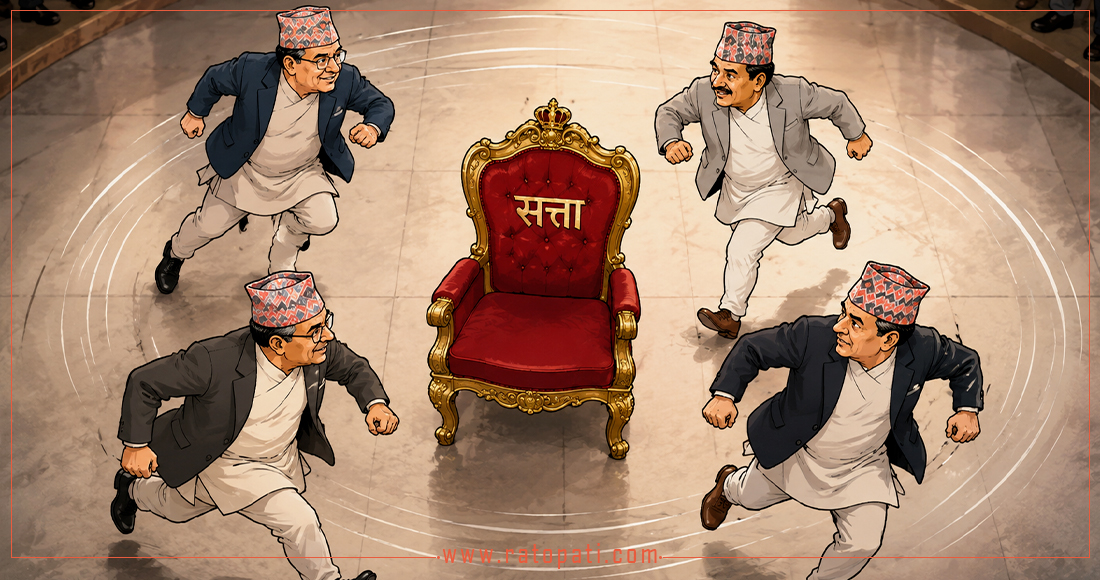
The discussions held by Prime Minister Shah with businesspersons from various sectors in the past week have dispelled the doubts and uncertainties that have been prevalent among industrialists, despite the Prime Minister not engaging in any dialogue with the private sector for the first hundred days of the government's formation. Last year, during the Genji movement, industries and business establishments were set on fire. At a time when they were already struggling from this, the private sector appeared terrified as businesspersons began to be arrested one after another recently.
Prime Minister Shah, who listened patiently to the businesspersons' concerns during the discussions, clarified that the state's intention is not to harass entrepreneurs. 'Our goal is to create an industrial environment and achieve prosperity. Do not follow any false narratives; the government does not intend to trouble you. However, the law will not spare those who commit crimes,' Prime Minister Shah told representatives of the private sector.
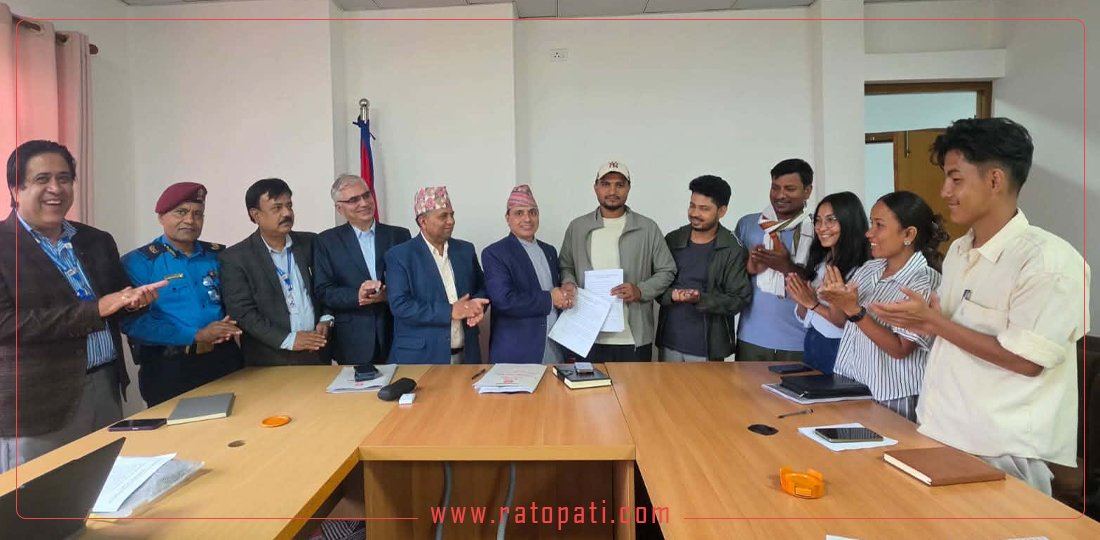
Prime Minister Shah held discussions with officials and representatives of the Shoe Manufacturers' Association on Friday morning at the Prime Minister's Office, Singha Durbar. The discussions were attended by the association's chairman Suraj Banjade, former chairman Rudra Neupane, secretary Nirmal Bhattarai, advisor Kalidas Gautam, executive committee member Saroj Bhattarai, and representative Bidushi Rana.
Discussions were held on concrete issues such as promoting the domestic shoe and footwear industry, market management, efforts towards self-reliance, and existing challenges and policy reforms in this sector, according to the Prime Minister's Secretariat. According to the Secretariat, Shah has shown special initiative to make the national economy more dynamic, strong, and business-oriented immediately.
_lwI7Wk6ues.jpg)
After the formation of the new government, Prime Minister Shah was accused of being confined to Singha Durbar, neglecting to revive the sluggish economy, and failing to address the suspicions in the political and diplomatic spheres. Opposition parties accused Prime Minister Shah, who had closed the doors of communication, of being unable to rise above the mentality of the metropolitan city. However, analysts and former Vice-Chancellor of Tribhuvan University, Kedar Bhakta Mathema, consider Shah's recent activities of continuing dialogue as positive.
Mathema argues that the current government does not have to do what previous governments did. 'Initially, it seems they were involved in policy formulation and research for a few months. Recently, the Prime Minister has been meeting with industrialists and businesspersons, which is a very positive thing,' he said. He added that such discussions make it easier to understand what is right and what is wrong.
Mathema stated, 'In my opinion, it seems an effort is being made to break the communication deadlock and move forward. It's not necessary that the current government should run things the same way as the previous ones did. The government might be understanding the problems in policy formulation internally. It is much better to communicate with external stakeholders after understanding the problems.'
After the National Independent Party (RSP) secured near two-thirds majority in the elections held in February, senior leader Shah was made the parliamentary party leader. On April 13, President Ram Chandra Paudel appointed him as Prime Minister. On the same day, the Council of Ministers meeting held at the Prime Minister's Office and Council of Ministers, Singha Durbar, approved a one-hundred-point agenda for governance reform. For the first hundred days of government formation, Shah had suspended meetings, discussions, and dialogues except for formal and regular work.
_JCAkdZIw7U.jpg)
Immediately after becoming Prime Minister, on April 25, he held a collective meeting and dialogue with ambassadors and heads of diplomatic missions of various countries in Nepal. Ambassadors/mission heads from India, Pakistan, South Korea, the United Kingdom, Qatar, Switzerland, France, Israel, Japan, Bangladesh, Germany, Egypt, Sri Lanka, Saudi Arabia, China, the United States, and the United Nations were present at the meeting held in Singha Durbar. Prime Minister Shah broke the previous practice of meeting diplomatic representatives individually.
On April 26, Prime Minister Shah participated in a program at the Nepali Military Academy in Kharipati, Bhaktapur. Shah, who also attended the first general convention of the RSP held in Chitwan, has not appeared in public programs since then. Complaints were growing that he was not meeting foreign guests, diplomats, politicians, and security and administrative officials. Prime Minister Shah has been heavily criticized for not responding to questions raised in the annual policy and program, budget, and question-and-answer sessions presented by the government in the parliament. However, before presenting the policy and program in the parliament, he had consulted with federal lawmakers elected from all seven provinces.
Opposition parties accuse the government of not taking any initiative to resolve the issues of the economy weakened after the Genji movement, the obstruction by opposition parties in parliament, and the growing dissatisfaction against the government on the streets and social media.
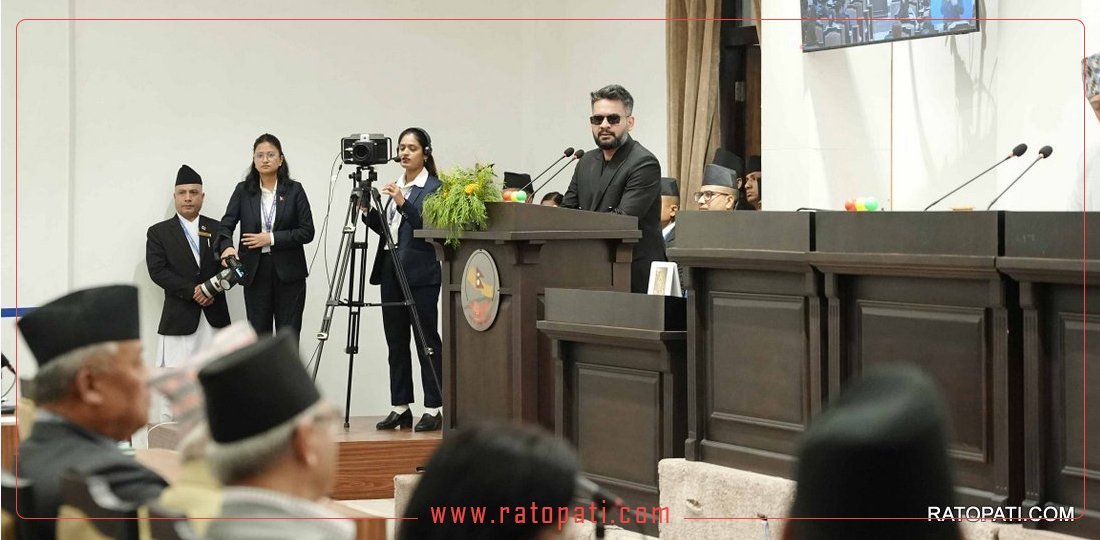
On May 17, Prime Minister Shah unexpectedly stood at the parliament's rostrum and responded to questions raised by lawmakers. During this, he courted controversy by making a controversial statement regarding the sensitive issue of the Nepal-India border, saying, 'Not only India, but Nepal has also encroached on the border.' Opposition parties obstructed parliament regularly due to the statement made against national interest. Although Prime Minister Shah attempted to defend his statement at the inauguration ceremony of his party's general convention, he has not yet responded in parliament.
Political analyst Dr. Pitambar Bhandari also stated that it is positive for the Prime Minister to advance dialogue with representatives from various sectors. 'In the initial phase of the government, only daily activities were visible, but important matters have emerged in recent days. The task force formed by the government for constitutional amendment has submitted its report. I see the opening of dialogue with the concerned parties to initiate discussions on that report,' Bhandari said.
He noted that although the style of operating the government solely from within Singha Durbar and not entertaining other parties much was seen initially, recently, dialogue seems to have been opened based on thematic and issue-based priorities.
However, Bhandari asserted that the working style as Prime Minister has not changed from his style as the Mayor of Kathmandu Metropolitan City. 'Previously, discussions held by a few people would be reported in the mass media, but moving away from past traditions, the current government has been making Council of Ministers' decisions public through a single channel,' he said.
Bhandari stated that it would be better for the concerned sectors to work responsibly as they have to perform sector-specific tasks according to the government's policy. He clarified that it might seem novel because the current government is trying to do something new by changing the traditional style.
Prime Minister Shah has not only discussed with industrialists and businesspersons but also, for the first time, held discussions with Rastriya Prajatantra Party (RPP) Chairman Rajendra Lingden. The Prime Minister's Secretariat stated that the discussions held on Thursday at the Prime Minister's Office, Singha Durbar, focused on contemporary political developments, the country's current situation, and various issues of mutual interest.
RPP Chairman Lingden, along with senior vice-chairman Buddhiman Tamang and central member and Member of Parliament Khusbu Oli, participated in the discussions. However, Prime Minister Shah has not held discussions with opposition party leaders, despite the opposition's persistent inquiries to the government in parliament.
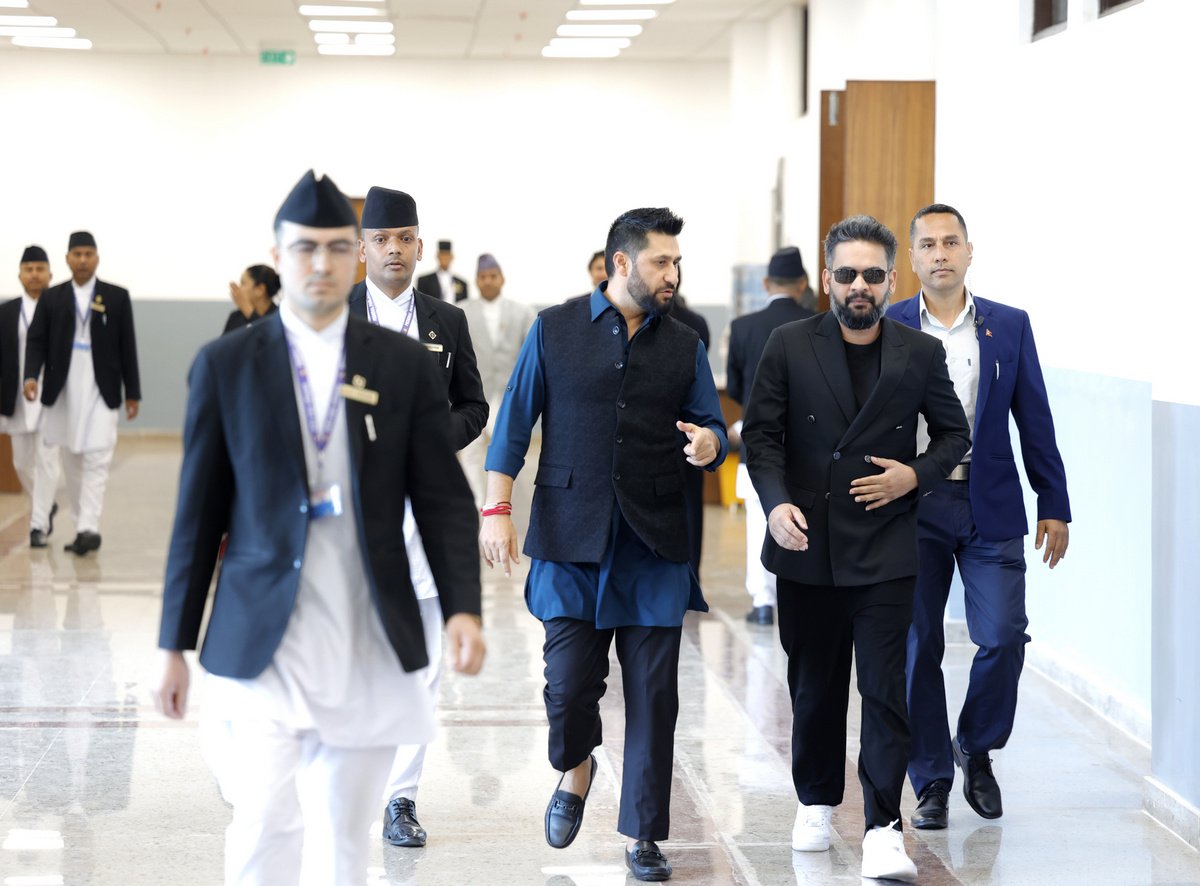
- With whom did the Prime Minister hold dialogues?
On Thursday, Prime Minister Shah held discussions with women entrepreneurs of Nepal. During the discussions, he stated that the government is committed to providing any necessary support for the development of women's entrepreneurship. Officials from the Federation of Woman Entrepreneurs' Associations of Nepal participated in the discussions.
In the discussions, the Federation's representatives demanded a business-friendly environment where they can work without fear, special programs to take products and services to national and international markets, participation in trade fairs and exhibitions, B2B (Business Matching), and mandatory participation in export promotion. Prime Minister Shah accepted the request to establish the 'I am an Entrepreneur' trademark brand brought by the Federation in the market.
Prime Minister Shah held discussions with hotel entrepreneurs on June 15. In the discussions with officials of the Hotel Association Nepal (HAN), he encouraged the private sector to move forward as a strong partner of the state. He urged HAN officials to comply with the law, fulfill their business responsibilities, register small and medium-sized hotels with the Department of Tourism and bring them under the tax net, and study potential collaborations under the Public-Private Partnership (PPP) model.
_I0r9DcUNWN.jpg)
Acting President Dinesh Tuladhar, General Secretary Sajan Shakya, Treasurer Yuvraj Shrestha, executive committee members Jaydin Shrestha and Ashlesha Karki, and Head of HAN Secretariat Tek Bahadur Mahat participated in the discussions.
Similarly, on June 14, Prime Minister Shah held discussions with newly appointed Vice-Chancellors of various universities. During the discussions, he expressed a shared commitment to making academic institutions free from party politics and ensuring good governance.
He held detailed discussions and dialogues with the Vice-Chancellors regarding the current state, challenges, and reforms in Nepal's higher education sector. In the discussions, the Vice-Chancellors pledged to prevent political activities, including student unions, from disrupting the academic environment of universities. They committed to comprehensive reforms in administrative, financial, and academic sectors, good governance, financial discipline, settlement of audits, and strengthening transparency.
Vice-Chancellors who participated in the discussions included Prof. Dr. Bhola Thapa of Tribhuvan University, Prof. Dr. Kishandatta Bhatta of Far-Western University, Prof. Dr. Sujan Babu Marhatta of Purbanchal University, Prof. Dr. Devendra Adhikari of Pokhara University, Prof. Dr. Shyamnarayan Labh of Rajarshi Janak University, Prof. Dr. Rajan Suwal of Mid-Western University, and Prof. Dr. Rishiram Kattel of Agriculture and Forestry University.
On June 9, Prime Minister Shah held discussions with construction entrepreneurs. Discussions were held on the existing problems in the construction sector, promotion of the construction business, and physical infrastructure development.
During the occasion, Prime Minister Shah stated that the construction sector is an important basis for the country's economic development, job creation, and infrastructure development, and that the government is positive about resolving the practical problems seen in this sector. Participants in the discussions included Nepal Construction Entrepreneurs' Federation Chairman Nicholas Pandey, Senior Vice-Chairman Mukesh Pant, General Secretary Shivahari Ghimire, Bagmati Province Vice-Chairman Balkrishna Thapa, and former chairman and advisor of the Federation Jayaram Lamichhane.
They informed Prime Minister Shah about the challenges faced by the construction sector regarding payments, contract extensions, contract management, timely project implementation, price adjustments, and banking and investment. They also expressed the view that cooperation between the government and the private sector needs to be made more effective to keep the construction industry dynamic.
On June 8, Prime Minister Shah held discussions with industrialists and businesspersons. He expressed interest in issues related to industry, business, investment environment, and economic reforms with representatives of the private sector.
Prime Minister Shah held detailed discussions on making the country's economic activities dynamic and strong, making the operation of industries and businesses easier, creating an investment-friendly environment, removing policy and procedural obstacles, enhancing the morale of the private sector, and creating employment and increasing production. In the discussions, representatives of the private sector provided suggestions on promoting industries and businesses, expanding investment, policy stability, simplicity in service delivery, and the need for regular and result-oriented dialogue between the government and the private sector.
Participants in the discussions included Federation of Nepalese Chambers of Commerce and Industry Chairman Anjan Shrestha, Industry Committee Chairman Ujjwal Kumar Shrestha, Confederation of Nepalese Industries Former Chairman Rajesh Kumar Agarwal and Director General Dr. Ghanashyam Ojha, Nepal Chamber of Commerce Chairman Kamlesh Kumar Agarwal, and Senior Vice-President Deepak Malhotra.
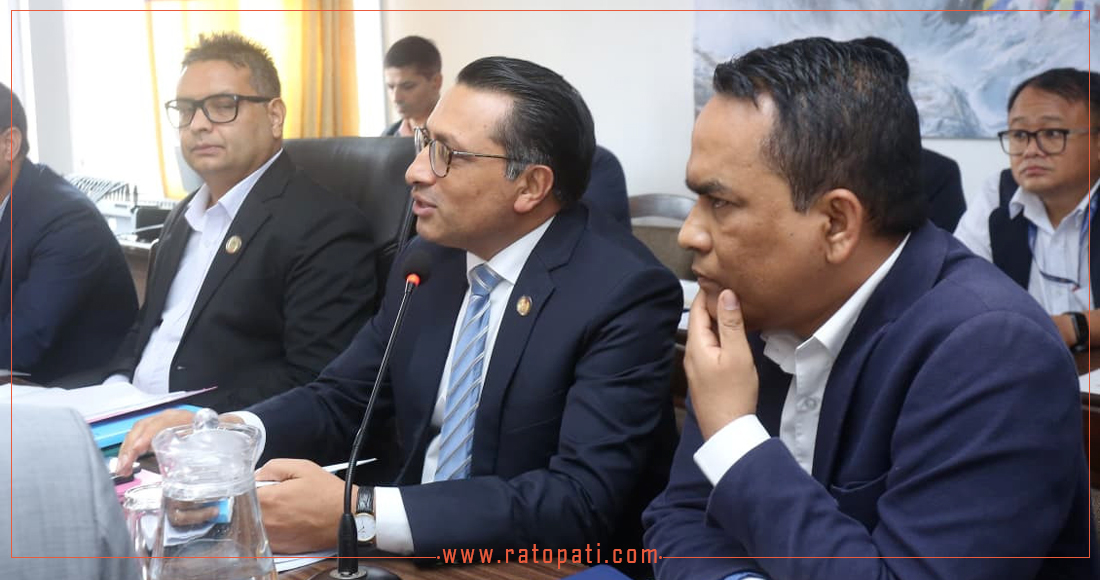
Although Prime Minister Shah did not meet foreign diplomats and special envoys individually, he met with the President of the Asian Development Bank (ADB), Masato Kanda, for the first time on June 7. In the meeting held at the Council of Ministers and Prime Minister's Office, they discussed strengthening the six-decade-long development partnership between the Government of Nepal and the ADB.
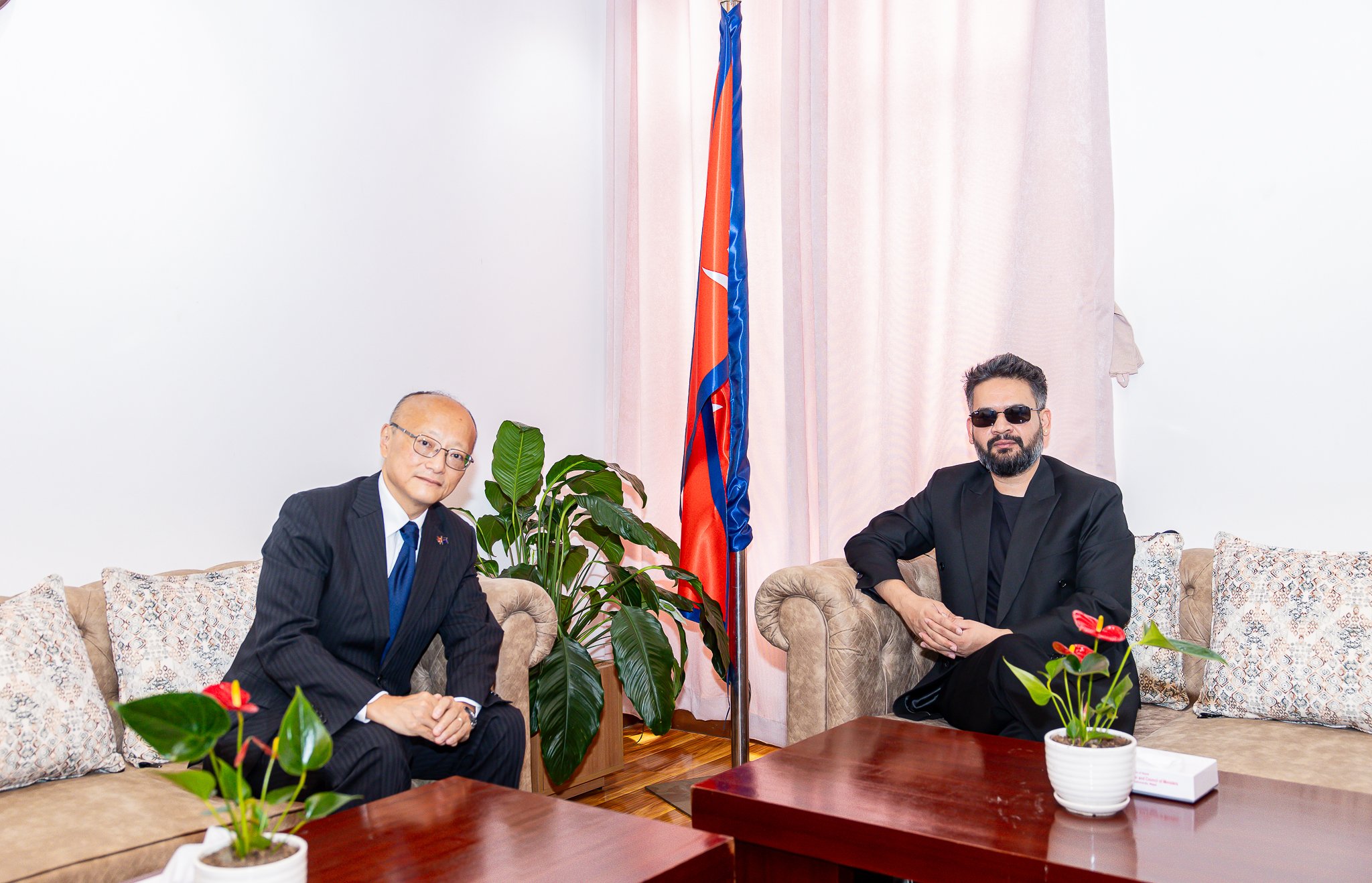
In the meeting between Prime Minister Shah and President Kanda, both sides expressed commitment to mutual cooperation. According to the Prime Minister's Secretariat, Shah expressed confidence in making a new leap in Nepal's development through good governance and transparency in the coming days. Positive discussions were held between both sides on advancing hydropower and tourism as the backbone of Nepal's economy and collaborating on digitalization and tourist road infrastructure.
During the meeting, President Kanda expressed commitment to further expand development assistance in Nepal and stated that the ADB would continue to be actively involved as a long-term partner for Nepal's economic development and prosperity. However, Prime Minister Shah did not include Finance Minister Dr. Swarnim Wagle in the important meeting.
There are discussions about strained relations between Shah and Wagle recently. It is being analyzed that the conflict between the Prime Minister and the Finance Minister has escalated, particularly concerning Finance Minister Wagle's working style, budget presentation, and unusual meetings.
Amidst growing dissatisfaction in parliament and on the streets within a hundred days of government formation, disagreements between the Prime Minister and ministers, and an imbalance between the party and the government, Prime Minister Shah visited party chairman Ravi Lamichhane at his private residence in Budhanilkantha last Sunday. However, it is understood that the discussion between the two top leaders was not positive.
Apart from these, Shah, after becoming Prime Minister, held a joint meeting with ambassadors of the European Union (EU) and its member states in Kathmandu and New Delhi, and ambassadors of other countries in Kathmandu. During the meeting, he clarified that foreign policy would not change after the formation of the government under the leadership of a new party according to the fresh mandate.
This specific news has been automatically translated by AI. As a result, there may be some inaccuracies or language errors.