National Human Rights Commission's Report Questions Impartiality in Handling Protester Deaths


Biratnagar. The investigation report on the Genji movement of Bhadra 23 and 24, 2082, made public by the National Human Rights Commission on Wednesday, has raised questions about the impartiality and scope of the commission itself.
While the commission has conducted a detailed analysis of incidents in the Kathmandu Valley, reaching the chain of command and recommending action, it appears to have merely mentioned names in cases from the districts.
Page 10, point number 12 of the commission's report clearly states, 'On Bhadra 23, 2082, two protesters died from security forces' bullets in Itahari, Sunsari, and three in Jhapa district, making a total of five protesters who died from security forces' bullets.'
However, even with the loss of five Nepali citizens' lives, the commission has not investigated these incidents through its own mechanism. Point number 5 in the recommendation section of the report states, 'To conduct a thorough investigation into the incidents where two people died in Itahari, Sunsari district, and three in Jhapa district from security forces' bullets, and to take action against the guilty.'
The universal recognition of human rights and the commission's own act state, 'In cases of killings by state actors, the commission must conduct on-site investigations and bring the facts to light.' However, the commission listed the names of the five deceased from Sunsari and Jhapa but did not investigate why and under what circumstances they were killed. The commission has, on this pretext, handed over the investigation to other state bodies.
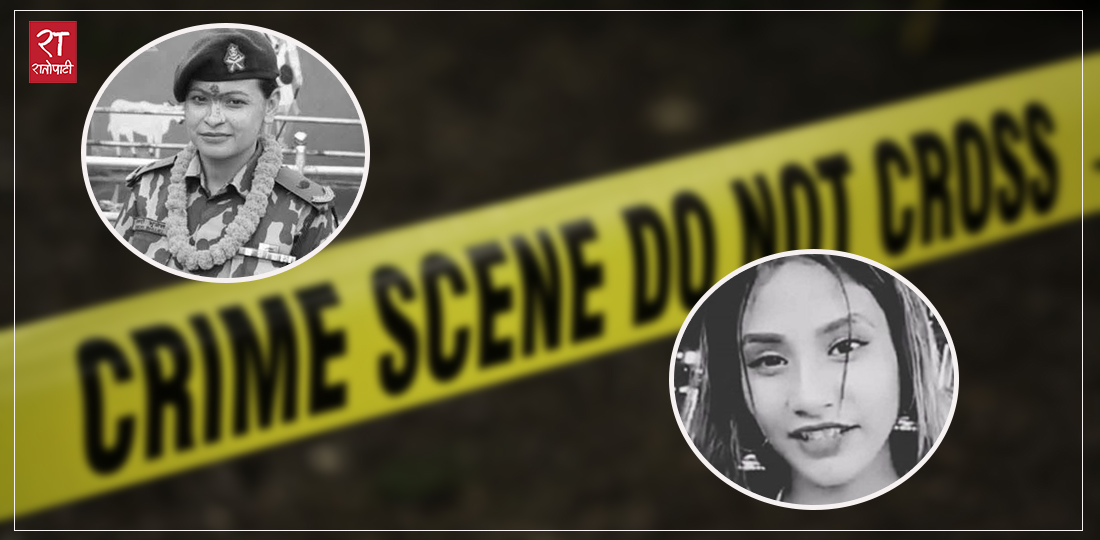
Those who lost their lives to bullets at that time include Abhishek Shrestha (Inaruwa-6) and Mohan Sardar (Itahari-14) from Sunsari. Similarly, Gyanendra Sedhai (Arjundhara-11), Kamal Bhandari (Hilihang-2, Panchthar), and Dinesh Rajbanshi (Arjundhara-8, Jhapa) died in the protests in Birtamod and other areas of Jhapa.
These youths, like the youths in Kathmandu, had taken to the streets demanding good governance, control of corruption, and freedom of expression. Does the blood flowing on the streets of Kathmandu have a different human rights value than the blood flowing on the streets of Itahari or Birtamod? The commission's report has discriminated against them.
From a human rights perspective, wherever a citizen's life is lost, the commission's presence is mandatory. While the commission investigated which officer ordered the firing in Kathmandu and which minister was responsible, why did it not show interest in which police commander ordered indiscriminate firing in Sunsari and Jhapa?
Allowing state security agencies to investigate incidents where citizens are killed by bullets fired by the state's own security forces is like making 'the perpetrator the judge.' The commission has directed the government to conduct a thorough investigation and take action against the guilty in point 5 of the recommendation section, but the question arises: was the commission itself lacking budget or manpower for investigation? Or were the lives of the youths from the districts not a priority for the commission?
This report from the commission, which actively engages in cases of repression in the capital but merely collects data on killings in the districts and hands over the investigation to the government, has undermined the universal principle of human rights.
The families of Abhishek Shrestha, Mohan Sardar, Gyanendra Sedhai, Kamal Bhandari, and Dinesh Rajbanshi had hoped for the truth from the commission. However, the commission has sent them back to the doorstep of the same state whose bullets took the lives of their sons.
The Human Rights Commission needs to extend its vision beyond Kathmandu. Simply listing names in a report is not justice; it is the commission's true duty to delve into the depths of the incident, provide answers as to why the victims were killed, and bring the perpetrators to justice.
In this regard, the commission's indifference to the incidents in Sunsari and Jhapa is reprehensible.
This specific news has been automatically translated by AI. As a result, there may be some inaccuracies or language errors.