Royal Challengers Bengaluru Focus on Adaptability and Winning in Any Situation


How did Bengaluru stop worrying about where the win comes from? How did they focus on adapting to different situations and building a flexible team that can win in any condition?
Bengaluru. Last year, after winning their first IPL title, during an emotional victory speech, Cricket Director Mo Bobat gave a short but meaningful message, 'Let's become like hunters.'
Eleven months later, Bengaluru is on the verge of another final. Now Bobat can appreciate the significance of his words.
Last week, at the Bengaluru Innovation Lab Indian Sports Summit, Bobat said, 'We had to wait a long time to win that first title. So I didn't want it to feel like we had climbed Mount Everest. I wanted to convey that we are not stuck on just one thing. We want to keep climbing and hunting continuously.'
That's why before this season, when the team came together, Bobat posed a challenge, 'Why can't we be the third team to defend our title?'
In IPL history, only Chennai Super Kings in 2011 and Mumbai Indians in 2020 have managed to defend their title. Bobat wanted to instill the belief that Bengaluru can also achieve this success.
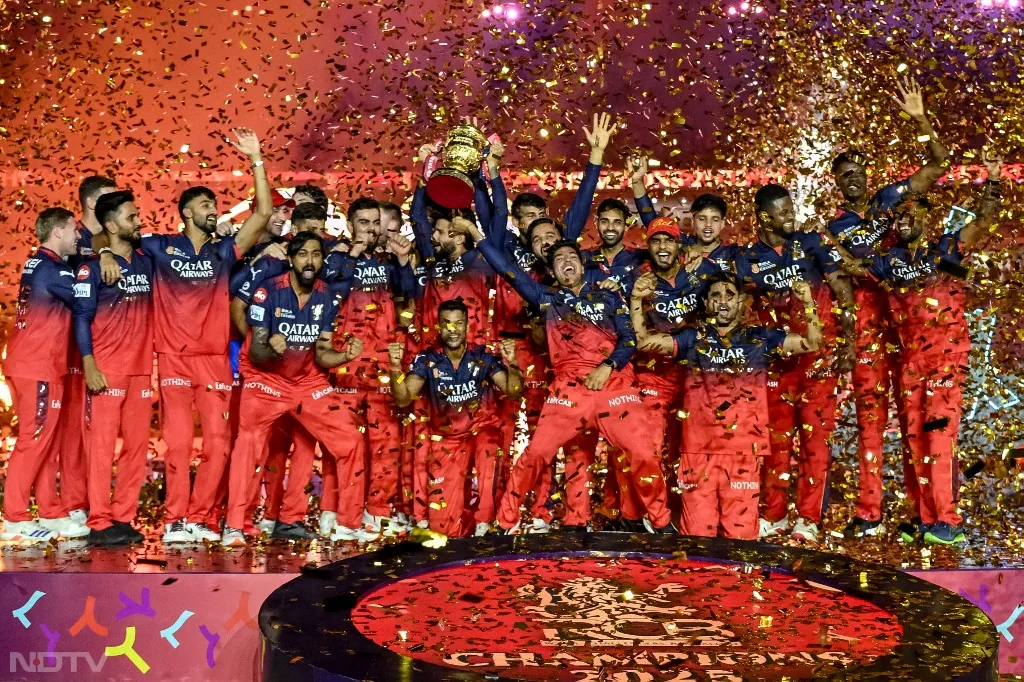
Bengaluru's confidence in winning a second consecutive title did not come overnight. It started in the second half of IPL 2024. It was the first season where Bobat and Andy Flower took charge together.
Flower came with a reputation as one of the strongest coaches in T20 cricket. He had more lucrative offers elsewhere. But the allure of bringing Bengaluru the success they had never achieved drew him in. By the eighth game of their first season working together, Bengaluru's situation was dire. They had only managed one win in eight games.
CEO Rajesh Menon recalls, 'Many questions were raised at that time. Is our team right? Are our staff okay? I said, our culture is good. The players are also good. It's just a matter of time.'
And so it happened. Bengaluru won six consecutive games to secure a playoff spot that year. Although they were defeated in the eliminator, they created an identity that was lacking at the beginning.
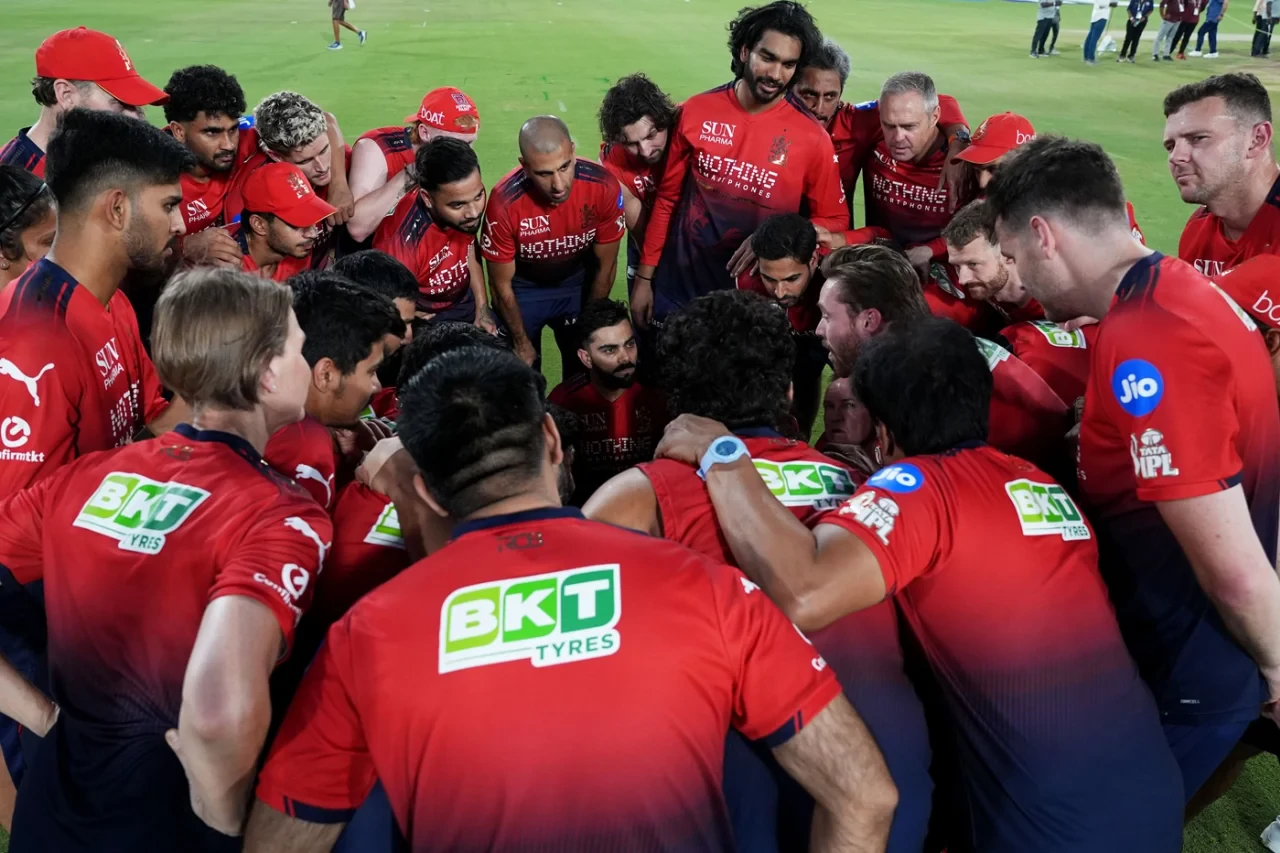
Bobat clarified, 'When I joined Bengaluru, the first thing that came to my mind was a saying used about the England football team – the weight of the jersey is very heavy. My main job was to free the players from that burden as much as possible.'
He adds, 'Instead of thinking about when we will win, a narrative was created about why we wouldn't win. My focus was only on how we want to play cricket. I believe that if you can fully immerse yourself in it, success will come on its own.'
***
Bengaluru's mid-season transformation began with a loss. After conceding 287 runs against Sunrisers Hyderabad, they responded by scoring 262 runs. Bobat and Flower immediately understood that this was the batting style Bengaluru needed. This required the consent of the team's key players. Fortunately, Virat Kohli was not difficult to convince.
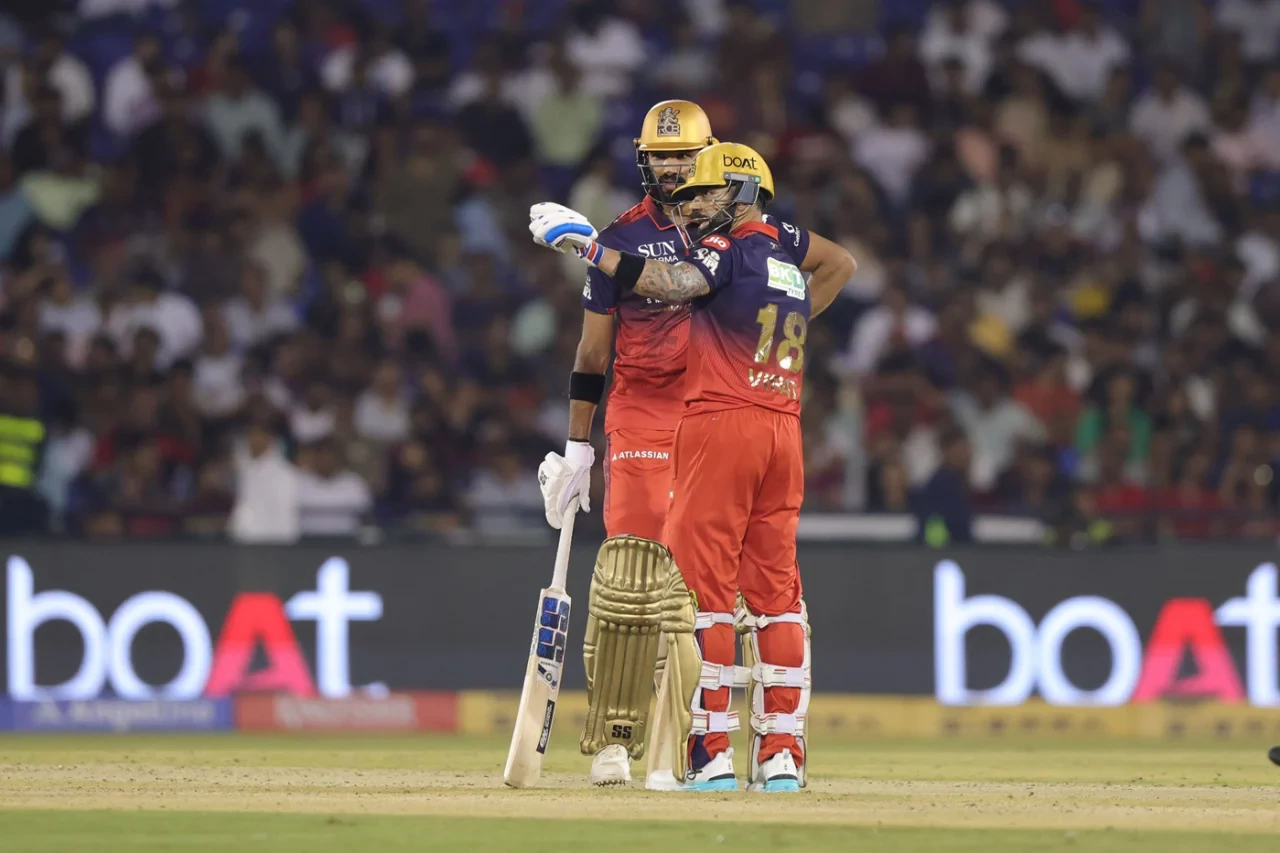
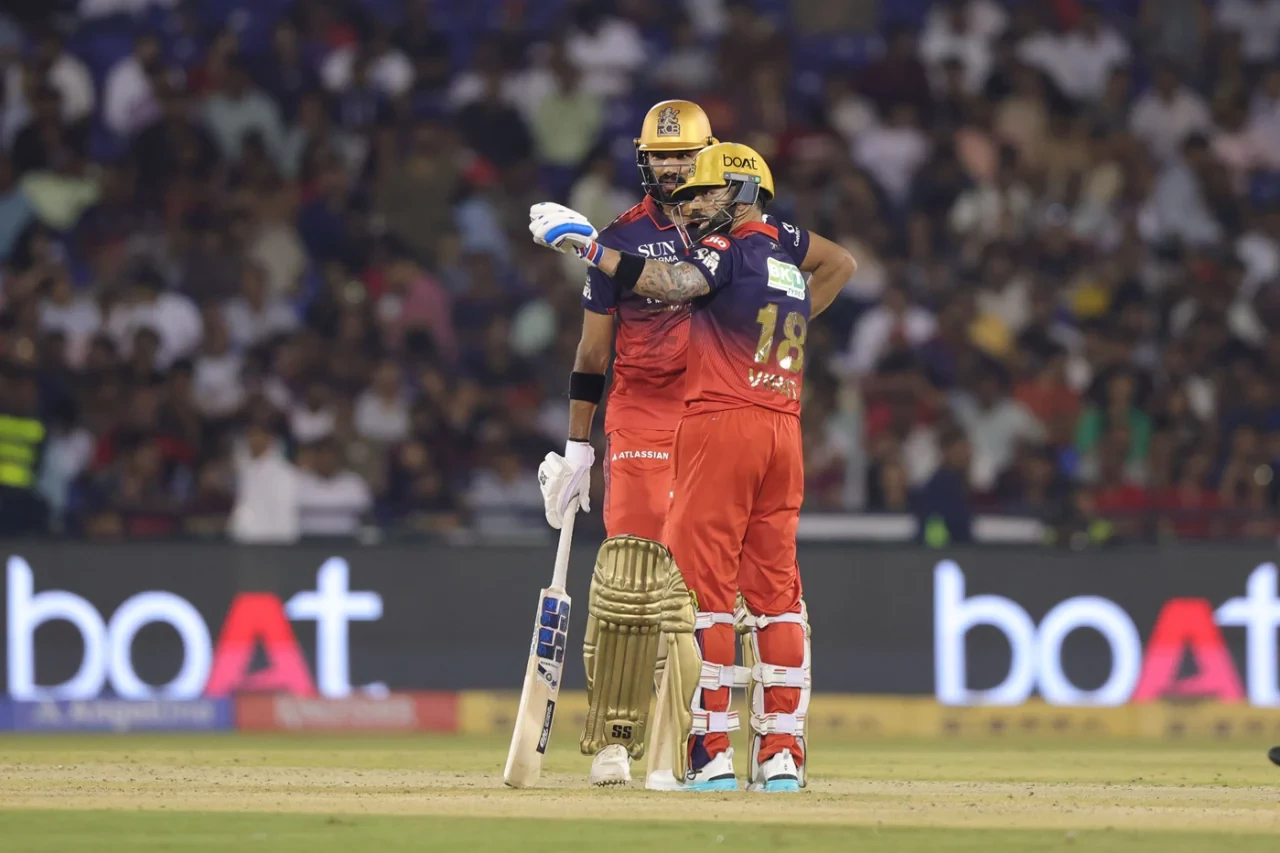
In the first half of IPL 2024, Kohli was mostly playing the 'anchor' role, managing the innings. But after that game against Hyderabad, he deliberately abandoned his safe playing style and became aggressive. In Bengaluru's first six games, his strike rate was 141, and it increased to 166 in the remaining games. This laid the foundation for the batting identity the team carries today.
Last season, Kohli scored 657 runs at a strike rate of just under 150. But this year, he has scored 557 runs at a strike rate of around 164. This is his best strike rate in an IPL season. Importantly, Bengaluru has won all seven games where Kohli batted after the powerplay.
Kohli's new avatar has had a positive impact on Bengaluru's entire batting unit. Perhaps this impact is most evident in Devdutt Padikkal, who bats at number 3.
When Bengaluru signed Padikkal in the mega auction in November 2024, he was coming off a disappointing stint with Lucknow Super Giants. He had scored only 38 runs in seven innings. He himself was unsure whether franchises still considered him a reliable T20 player.
At that time, Padikkal was seen as an alternative player. Bengaluru had bid up to 23 crore rupees for Venkatesh Iyer. But Kolkata Knight Riders outbid them. Looking back, missing that opportunity seems to have contributed to building today's strong team.
With almost the same amount they were willing to spend on a single player, Bengaluru managed to bring in Josh Hazlewood (12.50 crore rupees), Bhuvneshwar Kumar (10.75 crore rupees), and Padikkal (2 crore rupees). All three players are now key weapons for the team.
Before the 2025 season, Bengaluru saw Padikkal as a left-handed batsman capable of aggressive batting from the start. He said, 'My role has been the same for the last two years. I have to increase the pace in the powerplay. I don't have the luxury of playing slowly after a wicket falls.'
Before 2025, Padikkal, who had scored runs at a strike rate of just 123 in his IPL career, adopted a very aggressive approach last season. Before his season was cut short due to injury, he had scored runs at a strike rate of over 150. This year, he has taken an even bigger leap. Scoring 433 runs at a strike rate of nearly 172, he is having the most impactful season of his IPL career.
Padikkal attributed becoming a good T20 batsman to the trust of the team management and off-season practice with batting mentor Dinesh Karthik. He said, 'It's very easy to give up and say this is not my style of play, as it's a big change. But during conversations, they made me believe that I am capable of doing this. I am not just focusing on strike rate. My goal is to have an aggressive intent from the first ball.'
The role of the other two top-order batsmen, Phil Salt and Rajat Patidar, was similar. Salt had made his mark in Kolkata's title win in 2024, while Patidar was known as a player who destroyed spinners.
But the question was whether Patidar could maintain the image of a player Bengaluru wanted without the burden of captaincy. If IPL 2025 provided the answer, this season has further confirmed it. He has scored around 400 runs this season at a strike rate of 184.
His predecessor, Faf du Plessis, was deeply involved in almost every aspect, from auction planning to building team culture. But Patidar's leadership style is different. Bobat said, 'Rajat is a very different kind of person. I haven't seen anyone like him.'
Bobat described him as someone who doesn't interfere much off the field and trusts others. He prefers to focus entirely on cricket – strategy, bowling changes, and in-game decisions.
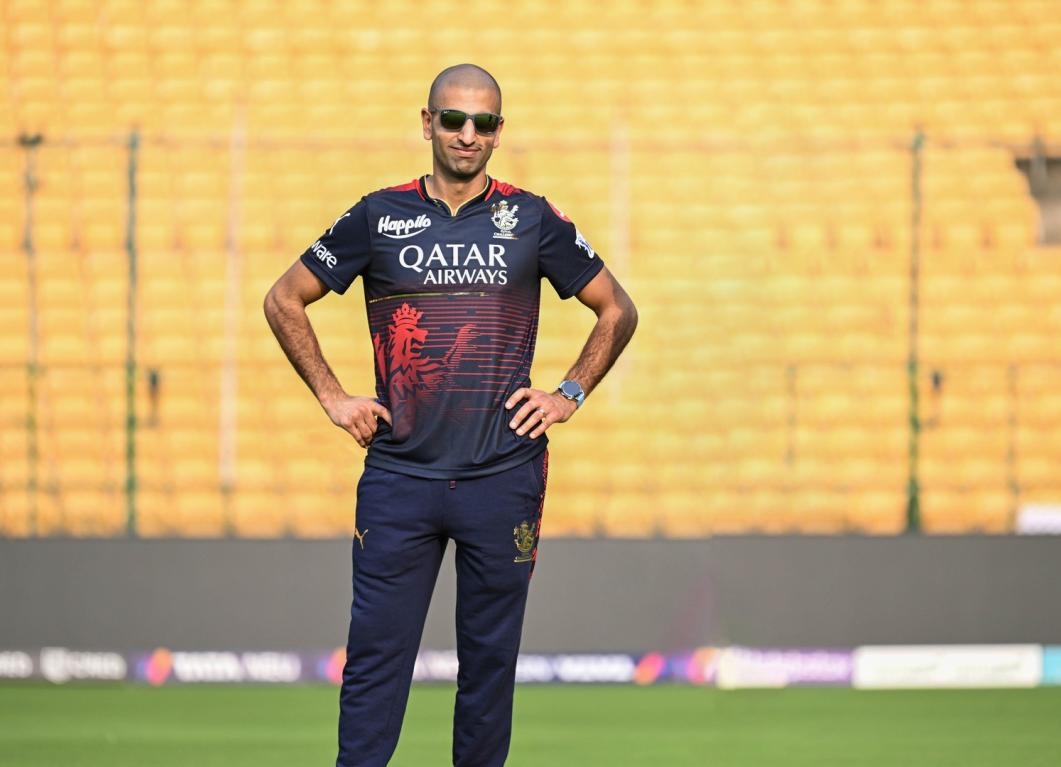
Bobat said, 'He wants to express his opinion about the team that takes the field. His understanding is that his work begins only after crossing the boundary line.'
This trust has become the core of Bengaluru's current working style. Patidar trusts the management to create the right environment around him. In turn, the management gives Patidar the responsibility of controlling the situation once the game starts.
Bobat added, 'He now has a clear vision of how the team should play. When it comes to strategy and bowling changes, he is becoming an excellent decision-maker in the middle of the field.'
Bengaluru has gradually built a strong support system around Patidar. Jitesh Sharma has emerged as a reliable advisor and vice-captain. Krunal Pandya has made significant contributions with both bat and ball. His 73-run match-winning innings against Mumbai in Raipur, despite cramps and fatigue, is the biggest example of this.
In 2025, Krunal was one of the team's biggest match-winners. In 2026, his game level has further increased. His variations at different stages of the game, use of bouncers, and reliable performance are excellent.
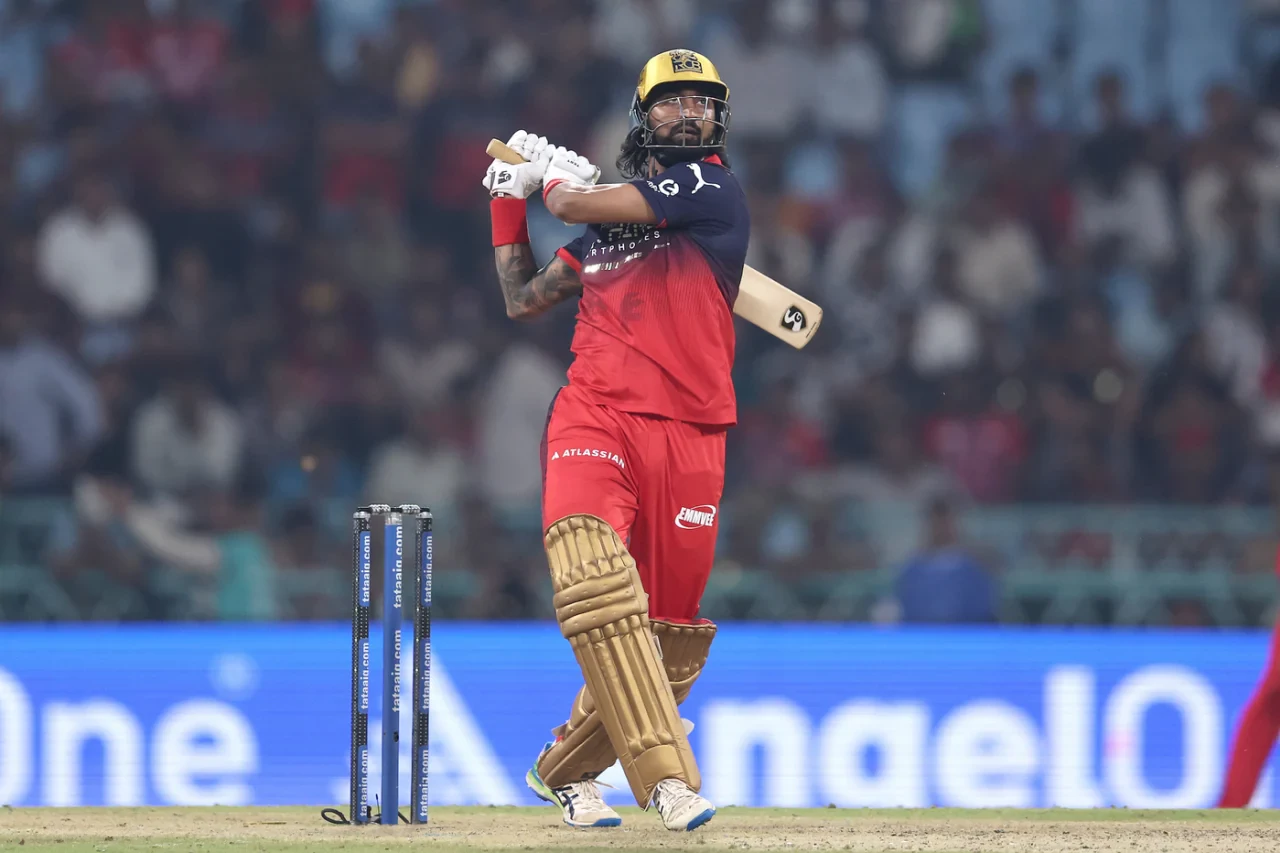
From the start of IPL 2025 until now, no left-arm finger spinner has bowled as many balls to left-handed batsmen as Krunal, nor has anyone taken more wickets than him. He has done all this with an economy rate of less than 10. His victims include players like Priyansh Arya, Venkatesh Iyer, Rinku Singh, Vaibhav Suryavanshi, and Shimron Hetmyer.
Similarly, Bhuvneshwar Kumar, who stunned Bengaluru playing for Hyderabad in the 2016 final, is now leading this team's bowling attack. His excellent performance this season has sparked discussions about his return to the Indian team even at the age of 36.
***
Bobat attributes much of this transformation to the change in team culture.
He said, 'If an organization fails to achieve its main goal for 17 years, you have to find the reasons. You also need the humility to accept your own shortcomings. Bengaluru has always had a history of keeping a few limited big faces. The team's performance depended on the form of those few players. To increase the chances of becoming a champion team, we wanted to distribute talent and experience equally.'
This philosophy is clearly confirmed by their auction strategy.
Before the IPL 2025 mega auction, teams like Mumbai, Chennai, and Hyderabad spent around 75 crore rupees to retain their established players. But Bengaluru chose the path of a partial reset. They retained only two match-winners, Kohli and Patidar, for a total of 32 crore rupees (Yash Dayal was the third retained player). This gave them flexibility that other teams didn't have.
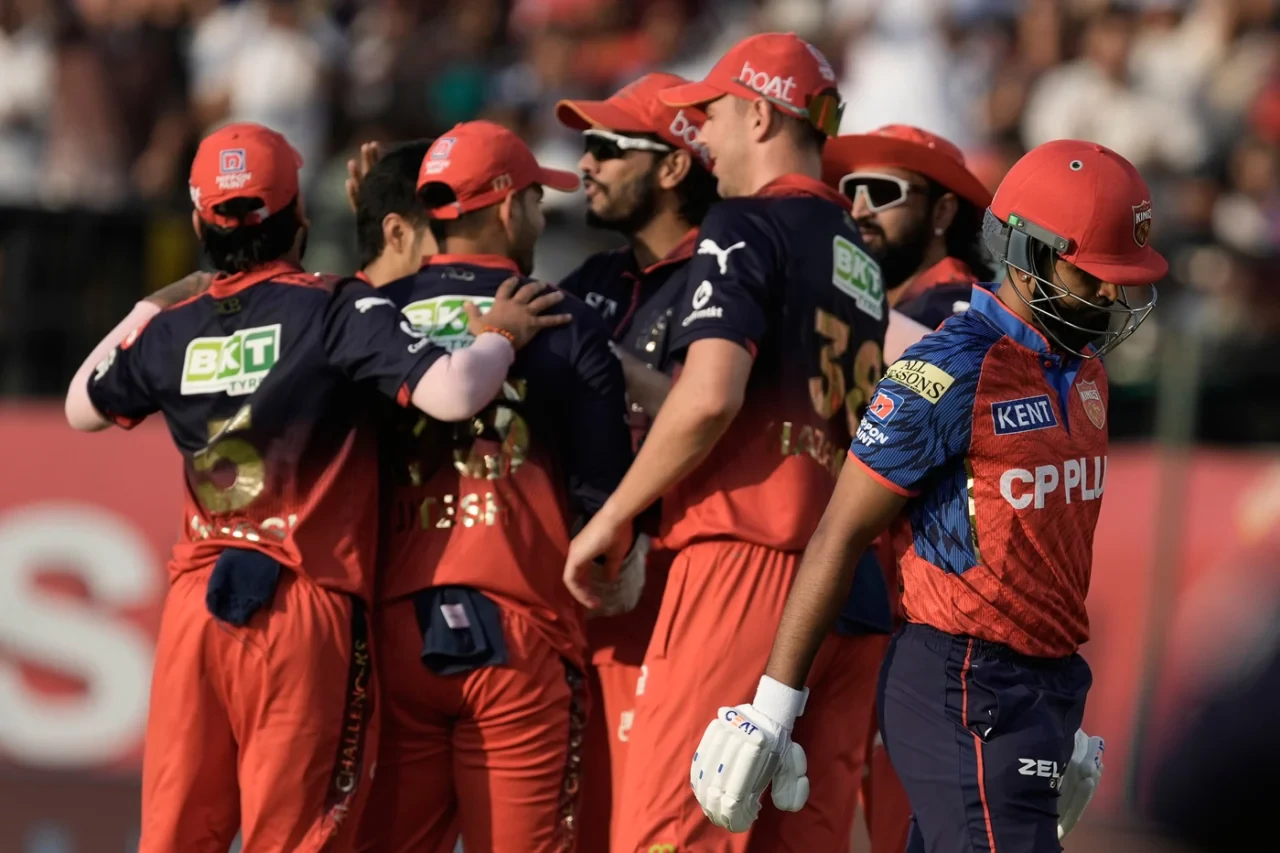
A total of 45.75 crore rupees was spent on the four big players they brought in – Josh Hazlewood (12.50 crore), Salt (11.50 crore), Jitesh (11 crore), and Bhuvneshwar (10.75 crore). They still had enough budget to add proven players like Krunal, Tim David, and Padikkal.
In previous seasons, Bengaluru was often dependent on top players. There would be a crowd of inexperienced players around a few superstars. Before IPL 2025 and 2026, they prioritized spreading proven quality across the playing XI. They also managed to sign Venkatesh as a backup batsman for 7 crore rupees. This amount was much less than what they wanted to spend on Venkatesh in 2025.
Due to Bengaluru not tampering with their settled combination, Venkatesh spent most of IPL 2026 outside the playing XI. Although he came on as an impact player twice at the start of the season, he had to wait until the 13th game to play fully.
Taking the place of the injured Patidar, Venkatesh seized the opportunity. In the 23-run victory against Punjab Kings, he scored an unbeaten 73 off 40 balls. Then, in the last game of the league, he opened in place of the injured Jackob Bethell and scored 44 off 19 balls. In that game, Bengaluru focused only on managing their net run rate to stay at the top, without even attempting to chase the target of 256 runs.
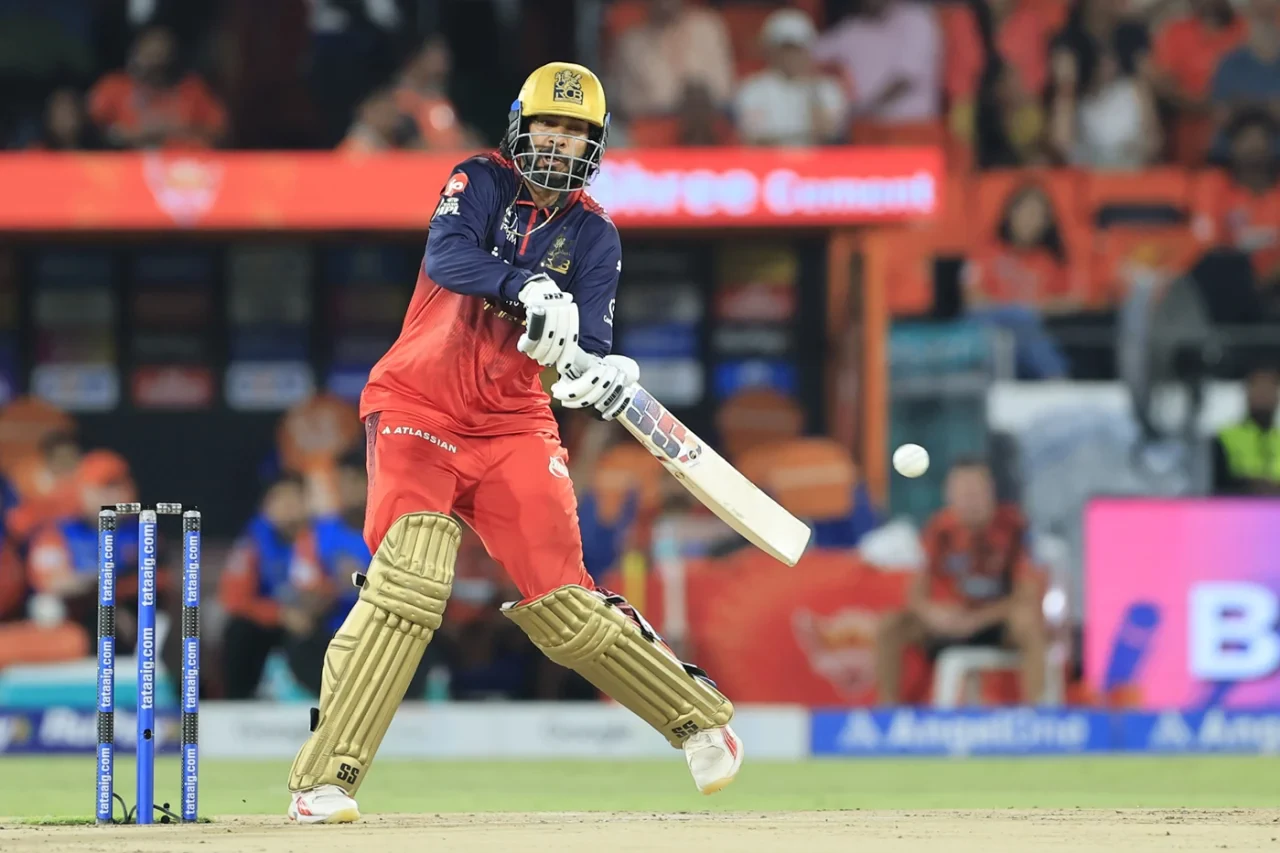
Venkatesh said, 'Bengaluru is a champion team. We are the defending champions. So it's always wise not to tamper with the combination that wins championships. As someone who puts the team above all else, it's my duty to blend in with this environment.'
He stated that even while waiting for an opportunity, the management was completely transparent about the expectations and role they had from him. He says, 'I have had very good conversations with Mo, Andy, and DK about my role in the team. They have given me clear guidance.'
Clarity and communication have made Bengaluru even more capable of handling last-minute changes and circumstantial compulsions. The decision to exclude Yash Dayal this season due to legal complications is one such example.
Dayal was an important part of Bengaluru's three-man pace attack when they won the title. But even by retaining him in the contract, Bengaluru has effectively played with one less player. His absence and Hazlewood missing the initial few games could have caused problems.
However, Jackob Duffy, brought in from the auction, took Hazlewood's place. In his very first game against Hyderabad, he took 3 wickets for 22 runs and won the Player of the Match award.
Duffy has not played all the games since Hazlewood returned to the team. But he has been used strategically. The game against PBKS in Dharamshala was an example of this, where pace and hit-the-deck bowling are historically considered more effective than spin.
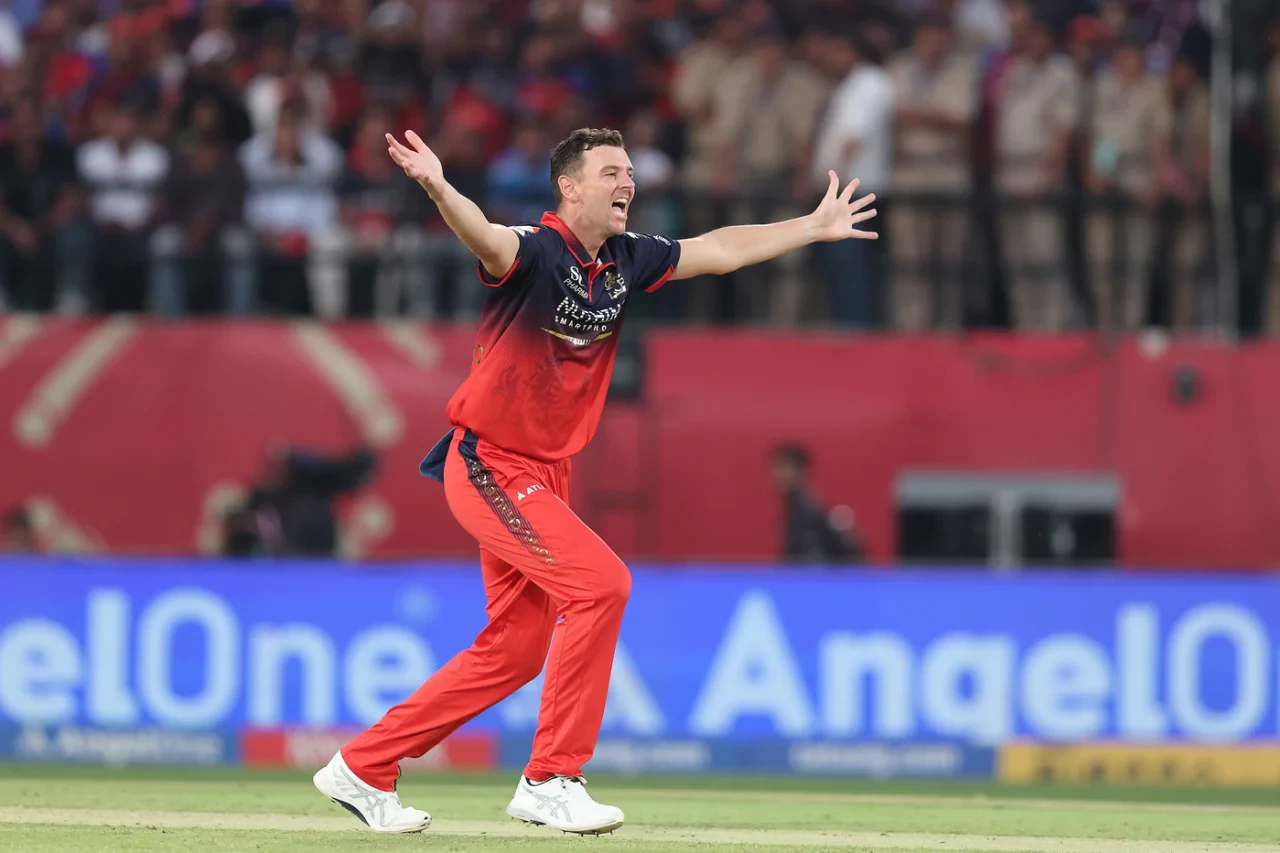
Similarly, Rasikh Salam, identified as Dayal's backup last year, has played ten games and has already surpassed Dayal's tally of 13 wickets from last year. The franchise invested in Salam's training camp. Krunal even facilitated his move from Jammu and Kashmir to Baroda for more opportunities.
Their flexibility is not limited to player selection and strategy. In the last two seasons, Bengaluru has had to reconsider the IPL's oldest convention. That convention was – continuous success is impossible without dominating at home.
Last season, they won only two home games but performed excellently away, winning nine games. This year, a different challenge arose. Due to changes in the schedule, Bengaluru played only five league games at Chinnaswamy. Two 'home' games were shifted to Raipur, where no IPL game had been played since 2016.
Before the game against Mumbai, Bengaluru arrived directly from the plane to the ground. Mumbai, on the other hand, had already trained twice in Raipur. They had even studied scorecards from Chhattisgarh Premier League matches to understand the pitch conditions.
Bobat admitted that when he first came to Bengaluru, he only saw Chinnaswamy as a high-scoring ground. It took him time to understand that Bengaluru has historically found it difficult to leverage home advantage.
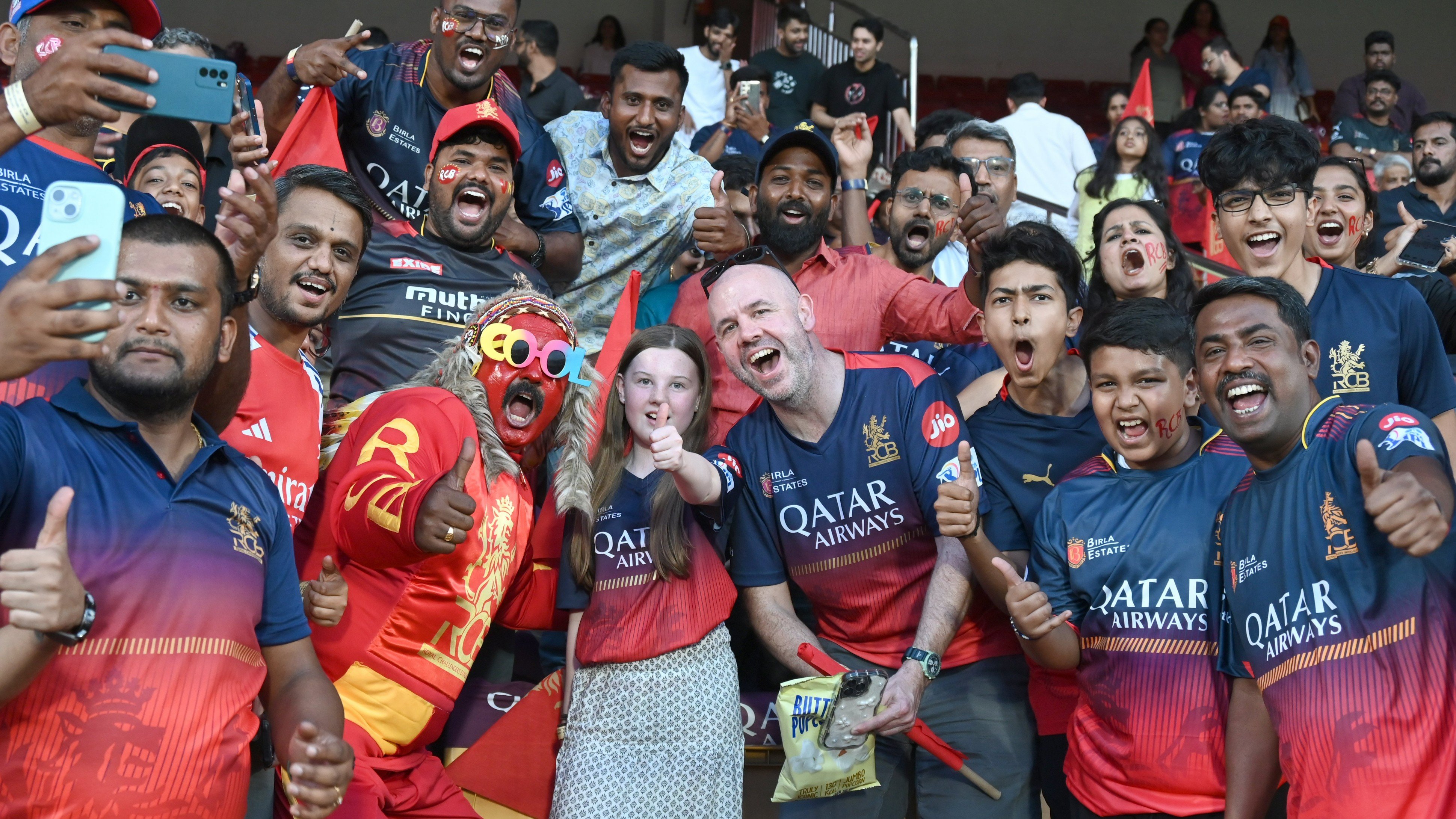
He said, 'Many said that you can't win the IPL without being strong at home. I thought, then let's win all the away games.'
To a large extent, this became decisive. Bengaluru stopped worrying about where the win comes from. Instead, they focused on quickly understanding situations, adapting better, and building a flexible team that could win in various ways.
Bobat said, 'You must have the humility to improve yourself when you are not doing well. Initially, we were not playing well at home. But we did an honest review. We figured out how to bowl here, which bowlers are successful, and how we want to bat. The boys really put those learnings into practice.'
The results are evident. Bengaluru has won six of their seven home games this season (including two in Raipur). Furthermore, they have adapted to unfamiliar environments like Dharamshala. The Himalayas are visible in the background, and geographically, it is closer to Mount Everest than Bengaluru.
When a team has to wait years for a title, they often consider the first success as the final destination. But even after almost a year, it is clear that these hunters still want much more.
ESPN Cricinfo
This specific news has been automatically translated by AI. As a result, there may be some inaccuracies or language errors.