Global Economy Faces Pressure Amid West Asian Crisis, UN Report States

Kathmandu. The global economy is under pressure due to the ongoing crisis in West Asia. The United Nations has stated that this has slowed economic growth, increased inflation again, and increased uncertainty in global financial markets.
According to the 'World Economic Situation and Prospects 2026 Mid-Year Update' report released on Tuesday, the global Gross Domestic Product growth rate is estimated to be 2.5 percent in 2026. This is 0.2 percentage points lower than the projection made in January. A modest improvement of 2.8 percent is expected in 2027.
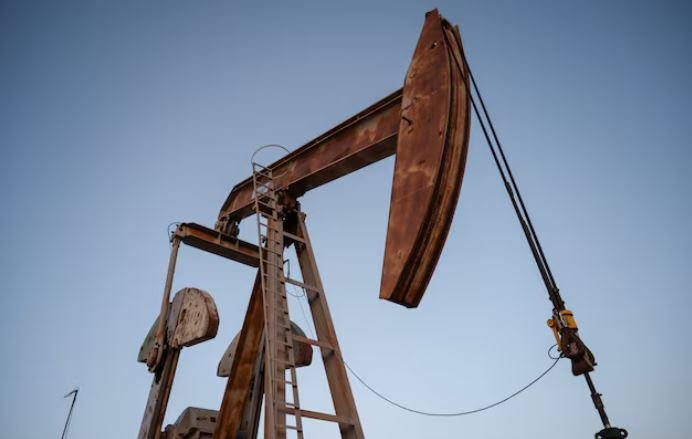
The report mentions that the main impact of the Middle East crisis has been on the energy sector. Global production costs have increased due to supply disruptions, rising oil and gas prices, and increased transportation and insurance costs. While energy companies have benefited greatly from this, the cost burden on households and businesses has increased.
Food price increases have also become a serious concern. The report warns that agricultural production may decrease due to disruptions in fertilizer supply, which could further increase food prices.
Global inflation, which has been on a declining trend since 2023, is now showing signs of increasing again. Inflation in developed countries is estimated to rise from 2.6 percent in 2025 to 2.9 percent in 2026, while it is mentioned that it could rise from 4.2 percent to 5.2 percent in developing countries.
Although a strong labor market, consumer demand, and trade and investment driven by artificial intelligence offer some relief, the report states that these are not enough to fully resolve the challenges facing the global economy. Developing countries, especially those dependent on fuel and food imports, will be more affected.
West Asia has seen the most severe impact. Its economic growth is projected to fall from 3.6 percent in 2025 to 1.4 percent in 2026. The reasons for this are not only the energy supply crisis but also infrastructure damage, disruptions in oil production, and a decline in trade and tourism.
Li Junhua, Under-Secretary-General for Economic and Social Affairs at the United Nations, said, "The Middle East crisis has created additional economic pressure on developing countries. Rising debt costs and the risk of capital flight can limit the resources needed for sustainable development."
This specific news has been automatically translated by AI. As a result, there may be some inaccuracies or language errors.