Japan's 'Jibachi Senbei' Snack Gains Global Attention


Tokyo. There are many strange food dishes in the world, among which Japan's 'Jibachi Senbei' is currently gaining worldwide attention.
This snack first became the headline of the media in the mid-2010s.
This strange snack was started in collaboration between a group of enthusiasts of digging wasps (digger wasp) from Omachi city, 'Omachi Jibachi Aikokai', and local bakers. They started filling dried wasps inside biscuits to give the real taste and identity of the wasps.
According to scientific facts, among edible insects, wasps are found to have the highest amount of protein. However, people try to taste it more for its strangeness than for protein.
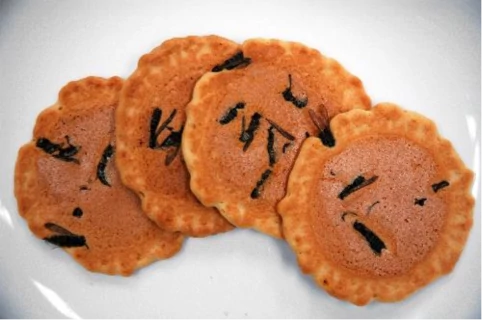
For some, biscuits filled with dozens of black and dried wasps may look inedible. Although chewing the remains of dead insects is not an interesting subject for many, this snack has proven to be a very popular and novel dish among the elderly in Japan.
The process of making this world-famous wasp crackers is also very interesting. Elderly wasp hunters from the Omachi Jibachi Aikokai group catch these insects by setting traps in the forest. Then they are boiled and dried and handed over to local bakers.
The baker mixes these dried wasps in biscuit dough and bakes them. Consumers' experience is that this biscuit dough has a slightly sweet taste, while the dried wasps inside taste like burnt raisins.
Wasps of the species 'Vespa flaviceps' or 'Kurosuzumebachi' are used to make this snack, which are considered completely safe for human health. But just because it is safe does not mean it is a delicious dish for everyone.
The smell that comes as soon as the packet of these crackers is opened is like fish feed, which is not considered very attractive to smell. This Jibachi Senbei, first made in Omachi city, Japan, is easily found in local markets and some selected departmental stores there.
Some foreign tourists even visit Omachi city just to taste these strange wasp crackers.
This specific news has been automatically translated by AI. As a result, there may be some inaccuracies or language errors.
_8xHho19k4P.jpg)