
WHO Declares Ebola Outbreak in Democratic Republic of Congo a Public Health Emergency of International Concern


Kathmandu. The World Health Organization (WHO) has declared the Ebola outbreak in the Democratic Republic of Congo a public health emergency of international concern. The agency stated that the outbreak in Congo's eastern Ituri province does not meet the criteria for a global pandemic. Approximately 246 suspected cases and 80 deaths have been reported here. However, it has warned that there is a high risk of it spreading locally and regionally, with the possibility of it becoming a 'much larger outbreak' than currently detected and reported. According to the health agency, the current variant of Ebola is caused by the Bundibugyo virus. There is no approved medicine or vaccine for it yet. This is also
What is Ebola? Ebola disease is a rare but serious illness that affects humans. It is often fatal. Ebola disease is caused by viruses of the genus Orthorechovirus in the family Filoviridae. So far, 6 species of Orthorechovirus have been identified, of which 3 are known to cause major outbreaks:
- Ebola virus, which causes Ebola virus disease (EVD)
- Sudan virus, which causes Sudan virus disease (SVD)
- Bundibugyo virus, which causes Bundibugyo virus disease (BVD).
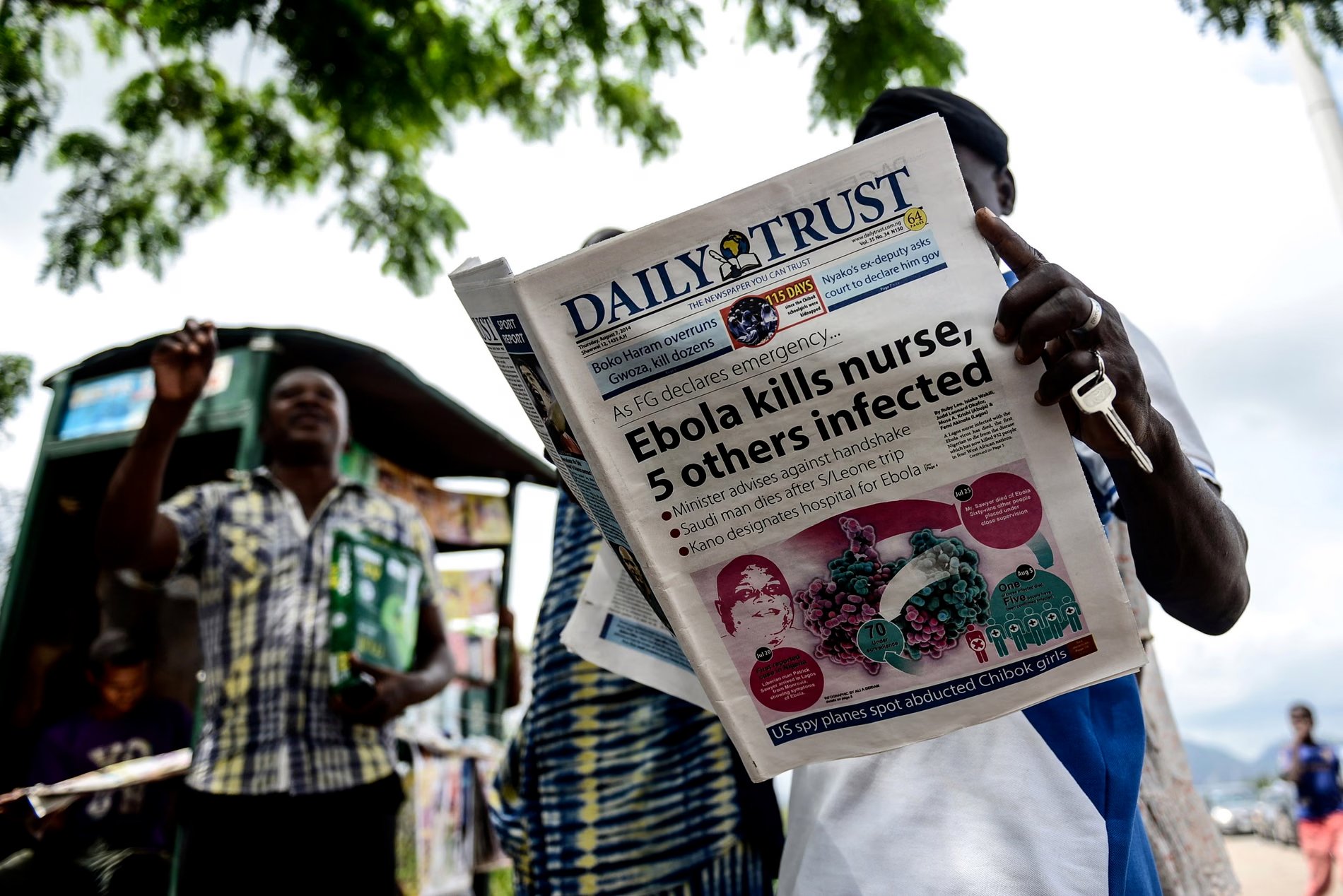 Infection Fruit bats (bats) of the family Pteropodidae are considered the natural habitat of Orthorechovirus. The virus can spread to humans when humans come into close contact with blood, secretions, organs, or other bodily fluids of infected animals such as sick or dead bats, chimpanzees, gorillas, monkeys, wild antelopes, or porcupines. The virus spreads from person to person through direct contact (through broken skin or mucous membranes):
- From the blood or bodily fluids of a person who is sick or has died from Ebola disease; and
- From contaminated objects or surfaces with the bodily fluids (e.g., blood, feces, vomit) of a sick or deceased person.
- People cannot transmit the disease until symptoms appear, and they remain at risk of transmitting the disease as long as the virus is in their blood.
- Health workers have been repeatedly infected while treating patients with Ebola disease. This happens through close contact with patients when infection control precautions are not strictly followed.
- Funeral rites involving direct contact with the body of a deceased person can also contribute to the spread of Ebola disease.
 Diagnosis of the disease In the early stages of the disease, symptoms are similar, making it difficult to distinguish Ebola disease from infectious diseases such as malaria, typhoid fever, shigellosis, meningitis, and other viral hemorrhagic fevers. The following diagnostic methods are used to confirm the presence of Orthorechovirus infection in a person:
- Reverse transcriptase polymerase chain reaction assay (RT-PCR)
- Antibody-capture enzyme-linked immunosorbent assay (ELISA)
- Antigen-capture detection test
- Virus isolation by cell culture.
 Vaccine for Ebola virus disease:
- Two vaccines are licensed: Ervebo (Merck & Co.) and Zabendo and Mvabeia (Janssen Pharmaceutica). The Ervebo vaccine is recommended as part of outbreak response.
- In the event of a confirmed outbreak of Ebola virus disease, Ervebo vaccines can be obtained through the International Coordinating Group (ICG) on Vaccine Management.
- For the protective vaccination of healthcare workers and frontline workers, Ervebo vaccine can be requested through Gavi's preventive Ebola vaccination.
- Reducing the risk of transmission from wildlife to humans by avoiding contact with infected bats or monkeys and consumption of their raw meat.
- Reducing the risk of human-to-human transmission through direct or close contact with infected persons, especially their bodily fluids. Close physical contact with Ebola patients should be avoided. Patients should be isolated in designated treatment centers to prevent household transmission and receive timely care.
- Communities should be well-informed about the disease and ways to control outbreaks. This is most effective when they are involved in the response and when there is open discussion.
- Outbreak control measures include conducting safe and dignified burials of the deceased, identifying potential contacts of infected persons, monitoring their health for 21 days, separating healthy individuals from sick ones to prevent further spread, and providing care to confirmed patients. Maintaining good hygiene and a clean environment is also equally important.
This specific news has been automatically translated by AI. As a result, there may be some inaccuracies or language errors.



_sHSpnAljCR.jpg)