Government to Accelerate Removal of Informal Settlements in Kathmandu Valley

_ttwA2QfYHi.jpg)
Kathmandu. The government is set to accelerate the process of removing informal settlements within the Kathmandu Valley.
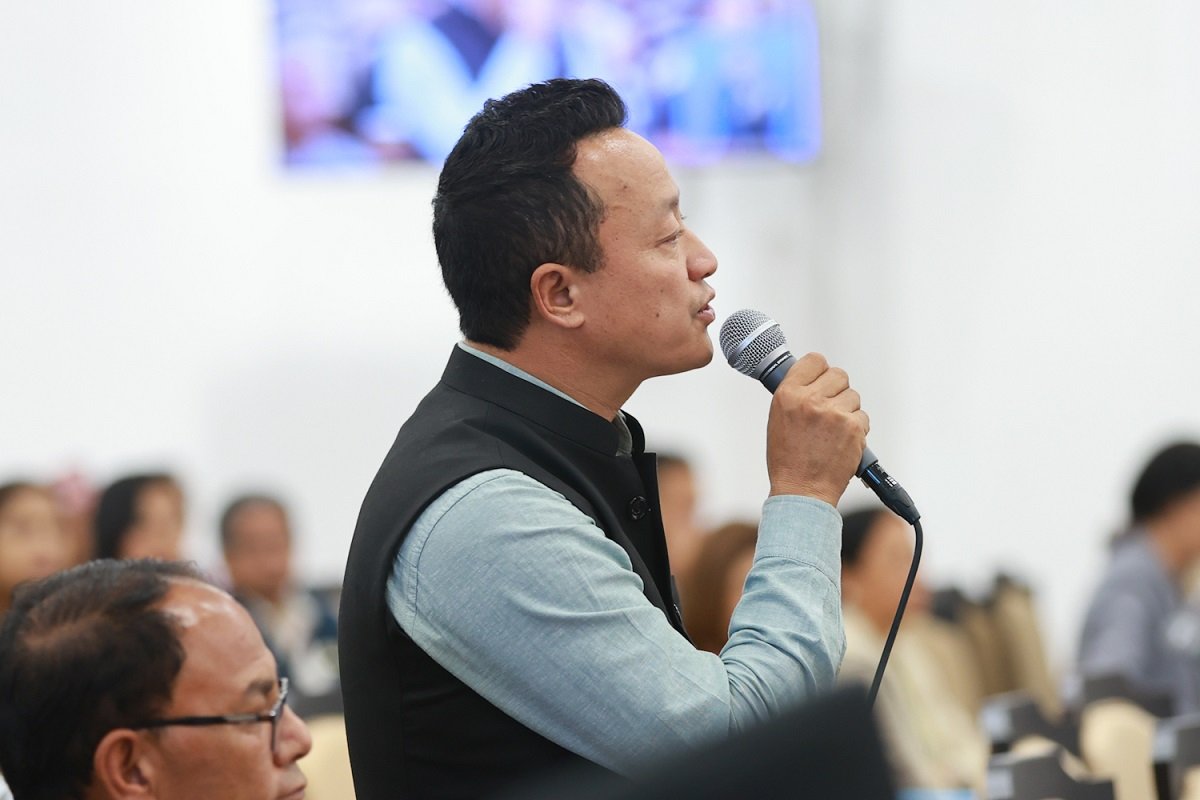
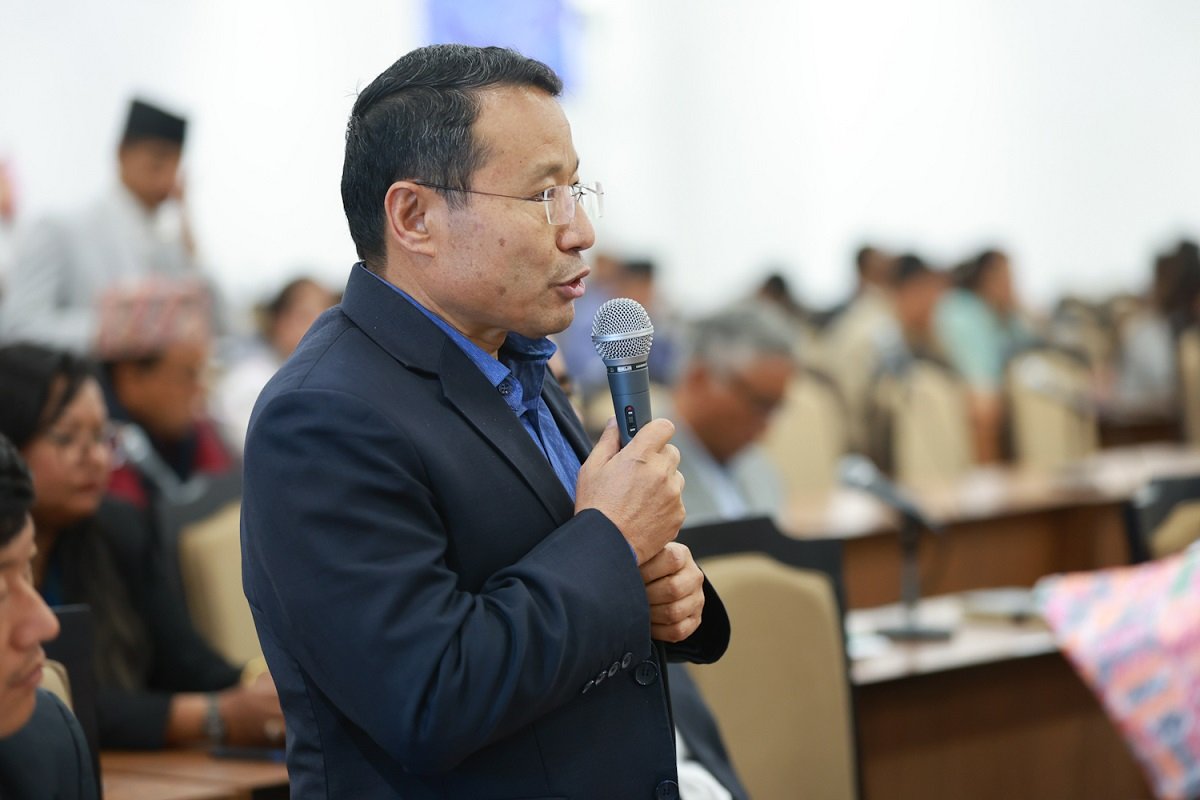
A meeting of stakeholders held at the ministry on Friday, chaired by Minister for Urban Development Sunil Lamsal, made an 11-point special decision to implement a concrete plan for clearing these settlements.
The meeting decided to remove and demolish settlement structures on Baisakh 12 and 13, in accordance with the notice issued by the District Administration Office, Kathmandu. Relevant agencies have been directed to arrange the necessary machinery and security measures.
While clearing the settlements, humanitarian aspects will be prioritized, with rescue efforts focused on the vulnerable, including persons with disabilities, children, pregnant women, new mothers, and the elderly.
The Ministry of Health will provide ambulances and medical teams to transport those rescued to safe shelters or hospitals, while the Kathmandu Metropolitan City will manage food and refreshments.
The Ministry of Urban Development will supply essential items to the temporary housing areas. The plan includes verifying families by issuing photo identity cards and gradually phasing out individuals whose identities cannot be verified. Immediately after the settlements are cleared, the Ministry of Physical Infrastructure and Urban Development will begin construction of new infrastructure.
The meeting decided that any problems or resource demands arising during the clearance process will be addressed immediately through the District Administration Office.
Decision Points
Following the meeting chaired by Minister for Urban Development Sunil Lamsal on Friday, the following decisions were made regarding the removal of informal settlements in the valley:
1. Carry out awareness campaigns as per the notice issued by the District Administration Office, Kathmandu, and emphasize clearing the areas before demolition by providing prior notice through public announcements.
2. Make immediate arrangements for machinery and other equipment required for the removal and demolition of settlement structures on Baisakh 12 and 13, 2083, as requested by the District Administration Office, Kathmandu.
3. Provide humanitarian assistance during the clearance process, including transporting goods and prioritizing the rescue of the vulnerable—such as the disabled, children, pregnant women, new mothers, the elderly, and the chronically ill—to designated shelters or hospitals. The Ministry of Health and Population will arrange ambulances and medical teams, while the Ministry of Home Affairs will coordinate the provision of vehicles for transport.
4. The Kathmandu Metropolitan City will manage food, snacks, and water at the first point of shelter, while the Ministry of Health and Population will provide medical teams.
5. Arrange temporary housing at designated locations after moving people from the first shelter. The Ministry of Urban Development will manage the supply of daily essentials and water.
6. Establish verification camps in these housing areas to issue photo identity cards to each family. The Ministry of Urban Development and the Ministry of Land Management, Cooperatives and Poverty Alleviation will gradually remove individuals who cannot be verified.
7. Once the settlements are cleared, the Ministry of Physical Infrastructure and Transport and the Ministry of Urban Development will immediately begin removing debris, opening tracks, and preparing for other necessary infrastructure.
8. The Kathmandu Metropolitan City will handle frontline tasks such as public announcements, providing information, clearing settlements, and identifying those in need of humanitarian aid. The District Security Committee will manage security arrangements.
9. A Central Coordination Committee will be formed to oversee these decisions, provide guidance, make policy decisions, and manage resources.
Committee Members
- Honorable Minister for Urban Development (Coordinator)
- Mayor of Kathmandu Metropolitan City (Member)
- Secretary, Ministry of Home Affairs (Member)
- Secretary, Ministry of Health and Population (Member)
- Secretary, Ministry of Urban Development (Member)
- Secretary, Ministry of Land Management, Cooperatives and Poverty Alleviation (Member)
- Secretary, Office of the Prime Minister and Council of Ministers (Member)
10. Under the Central Coordination Committee, relevant ministries and agencies will form action teams to implement their respective tasks and report regularly to the central committee.
11. Any problems or resource requirements arising at the field level during the clearance, security deployment, and management of shelters will be addressed immediately by the relevant agencies upon request through the District Administration Office, Kathmandu.
This specific news has been automatically translated by AI. As a result, there may be some inaccuracies or language errors.