Vladimir Lenin: The Architect of the World's First Socialist State


Vladimir Ilyich Ulyanov, known as 'Lenin', led a revolution that not only dismantled centuries of autocratic rule but also established the 'world's first socialist state'.
As the leader of the Bolshevik movement, he bridged Marxist theory with practical political action. Consequently, his influence persisted for decades even after his death.
From a provincial university student to an exile, a brilliant theorist, and eventually a head of state, Lenin's life was far from simple. His journey is a compelling story of relentless struggle and tireless effort, driven by firm political conviction and clever strategy.
- Childhood
Lenin was born on April 22, 1870, in the city of Simbirsk on the banks of the Volga River. The city was later renamed Ulyanovsk.
His father, Ilya Ulyanov, worked as a school inspector. He had attained noble status through his service to the 'Tsarist' government. His mother, Maria Alexandrovna Blank, came from a mixed family background, with ancestry linked to German and Jewish roots.
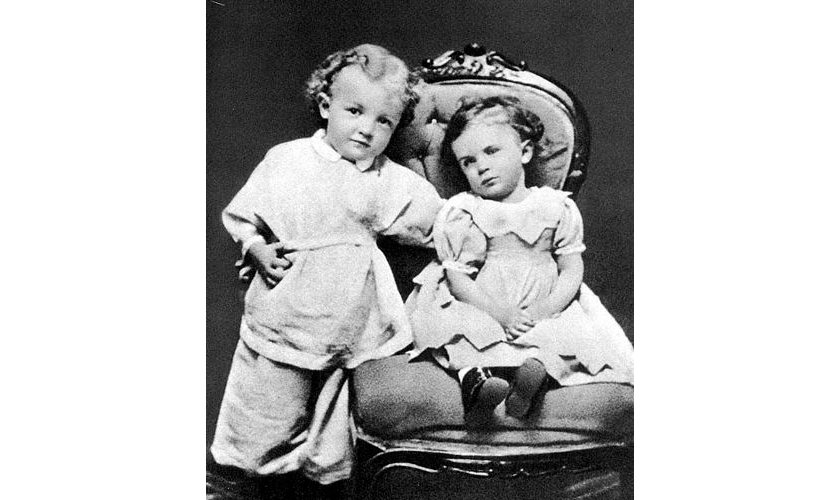
Lenin's family placed great importance on education. All six children were encouraged to study diligently. In his childhood, Lenin had already demonstrated his talent in classical languages like Latin and Greek.
An event in 1887 brought a significant turning point in their lives. Lenin's elder brother, Alexander Ulyanov, was a member of a revolutionary group called 'People's Will'. He was arrested and executed for his alleged participation in a plot to assassinate Tsar Alexander III.
Their father had died just a year before the execution of his brother. The execution caused Lenin deep emotional trauma. He was only 17 at the time. Lenin gradually began to question the legitimacy of the monarchy in Russia and started rejecting various religious beliefs.
Soon after, he enrolled in Kazan University to study law. He was expelled for participating in student protests. Later, he was permitted to complete his studies externally at Saint Petersburg University, though he remained under police surveillance for several years.
By the early 1890s, Lenin had completed his law studies and worked briefly as a legal assistant. During this time, he began reading political literature, particularly the works of Karl Marx and Friedrich Engels.
Gradually, he studied economic theory, began writing political essays, and expanded his network with secret socialist groups. His interest shifted from academic activities toward revolutionary planning.
- Radical Political Activist
After moving to Saint Petersburg in 1893, Lenin's connections with Marxist intellectuals grew. He began joining banned discussion groups, often attended by intellectuals debating economic exploitation and autocracy.
Lenin started publishing his articles in underground newspapers and advocating for a political movement based on Marxist theory.
In 1895, he founded the 'Union of Struggle for the Emancipation of the Working Class'. His goal was to unite scattered socialist groups into a revolutionary force capable of resisting state repression.
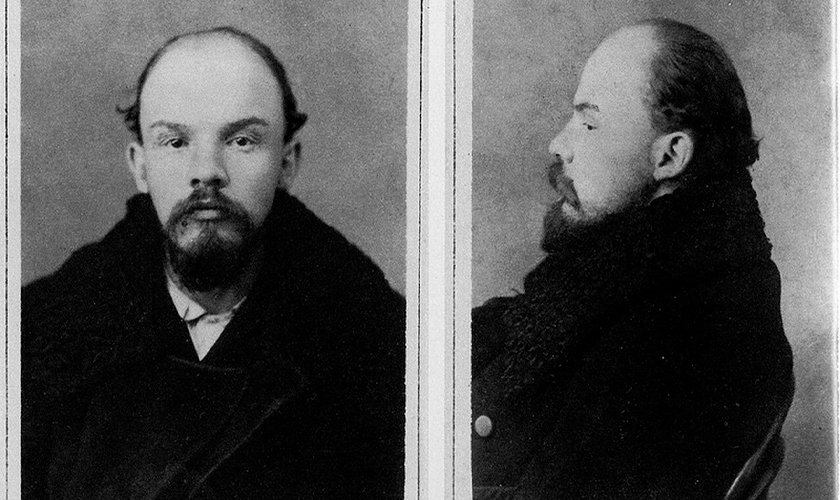
His political activities could not remain secret forever. The government's secret police, the 'Okhrana', took notice. Eventually, he was arrested in late 1895 for his involvement in the revolutionary organization.
After spending over a year in prison, he was sentenced to internal exile in the remote Siberian village of Shushenskoye, where he remained from 1897 to 1900.
During his exile, he married Nadezhda Krupskaya, a committed Marxist he had met in the revolutionary movement. Even in exile, he continued writing articles and theoretical essays, laying the groundwork for future political debates within the Russian socialist movement.
In 1899, he published the book 'The Development of Capitalism in Russia', which criticized the persistence of feudal structures and argued that capitalist relations had taken root in rural areas. It was a significant economic work.
After completing his exile, Lenin left Russia and began organizing his revolutionary activities from abroad. In 1900, he helped launch the Marxist newspaper 'Iskra' (The Spark), published in Western Europe, and secretly sent these newspapers to Russia to spread revolutionary ideas.
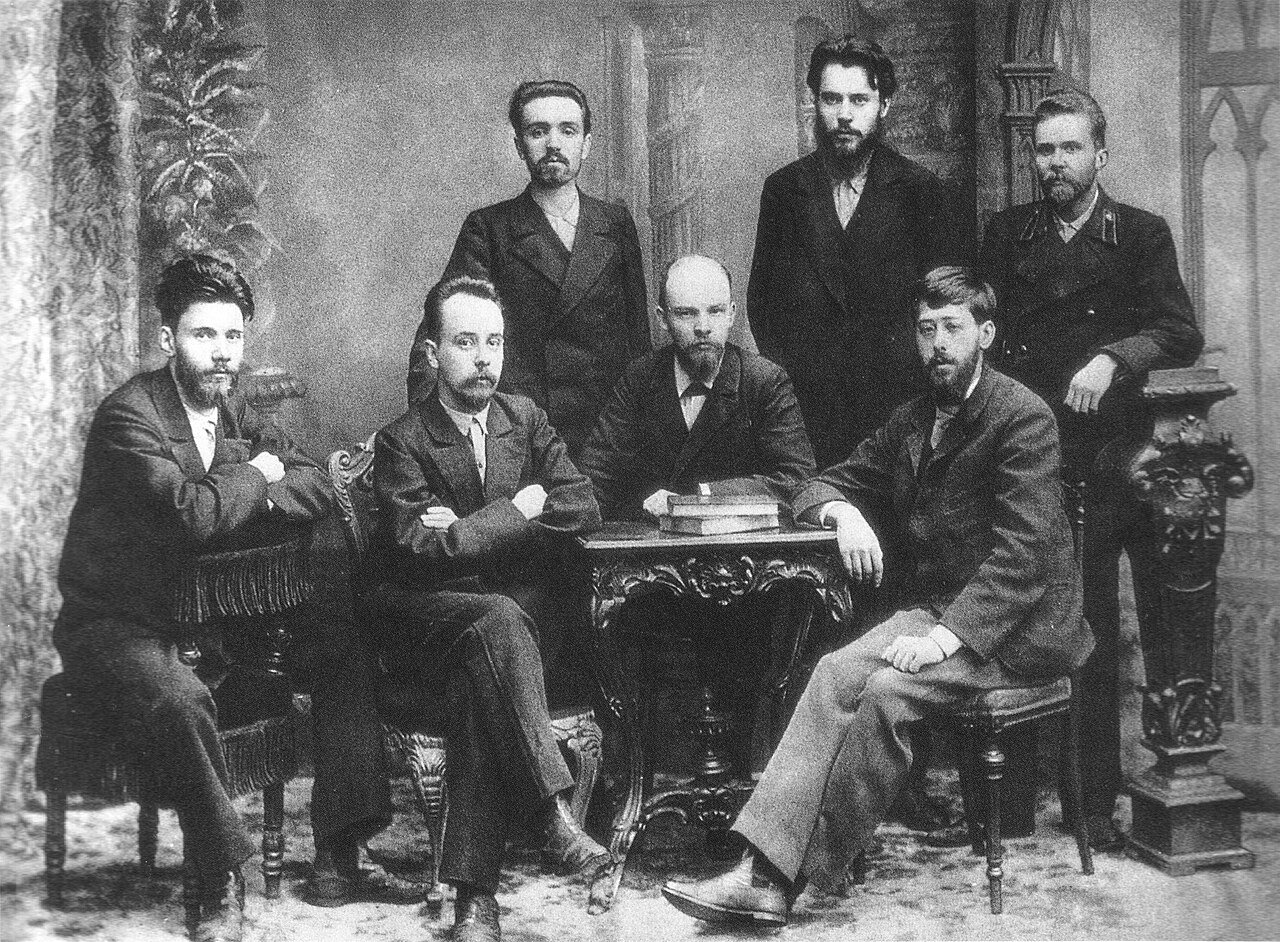
Through 'Iskra', he promoted the idea of strict discipline and centralized leadership within the movement, which would become a key issue in party building and future development.
- Before 1917
In 1903, the second congress of the Russian Social Democratic Labour Party was held, initially in Brussels and later moving to London. The congress saw a bitter split between various factions. Lenin formed the Bolshevik group, which demanded a party composed of strictly organized professional revolutionaries.
He rejected the stance of the Mensheviks, led by Julius Martov, who advocated for a more inclusive party with expanded leadership.
This split between the Bolsheviks and Mensheviks paved the way for future struggles and reshaped the organizational structure of the revolutionary movement.
Following the bloody events of 1905 in Russia (known as 'Bloody Sunday'), the ensuing movement turned into general strikes and peasant uprisings, but it was suppressed and failed. The failure of the 1905 revolution further confirmed Lenin's belief in 'armed insurrection and the necessity of centralized revolutionary leadership'.
The 1905 revolution brought some reforms, such as the creation of the Russian parliament, the 'Duma', but Lenin was convinced that such reforms could not bring about real change. During the years of revolution, a new model of political organization, the 'Saint Petersburg Soviet' (workers' council), operated briefly under the chairmanship of Leon Trotsky.
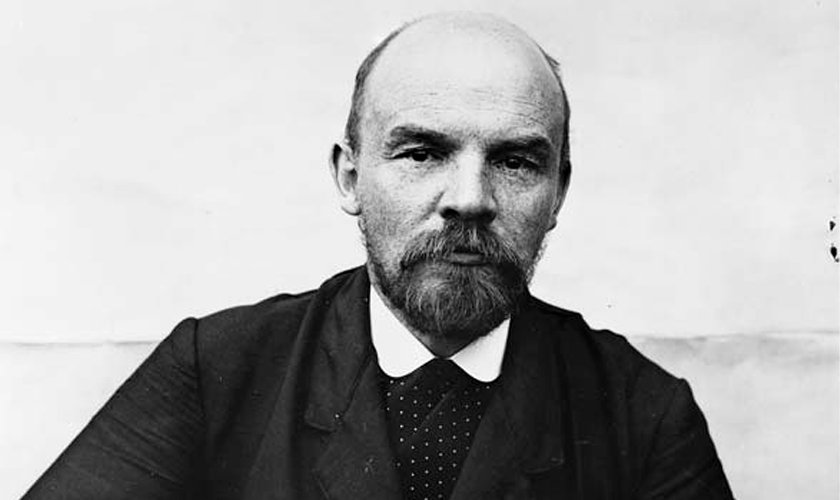
Lenin continued to lead the Bolsheviks while in exile in cities like Geneva and Paris, writing various political works and engaging in debates with other Marxist thinkers.
During World War I, Lenin argued that the ongoing war was a clash between imperialist powers. He strongly criticized socialist parties in European countries for supporting their respective nations in the war.
In 1916, his work 'Imperialism: The Highest Stage of Capitalism' was published, in which he analyzed the global economy and explained how colonial expansion and monopoly led to war.
Because of his stance, many fellow socialists abandoned him, and he became increasingly isolated. However, his conviction regarding the necessity of class struggle and support for revolutions in other countries grew stronger.
- February Revolution
In 1917, the February Revolution began in Petrograd. Strikes and widespread protests grew rapidly due to food shortages and the failure of the Russian army in the World War. During the movement, the Tsar abdicated, and a provisional government was formed under the leadership of liberal and moderate socialist leaders.
At the same time, the Petrograd Soviet, composed of representatives of workers and soldiers, also began asserting its authority, leading to a situation of dual power. Lenin, then in exile in Zurich, Switzerland, learned of the uprising and immediately planned his return to Russia.
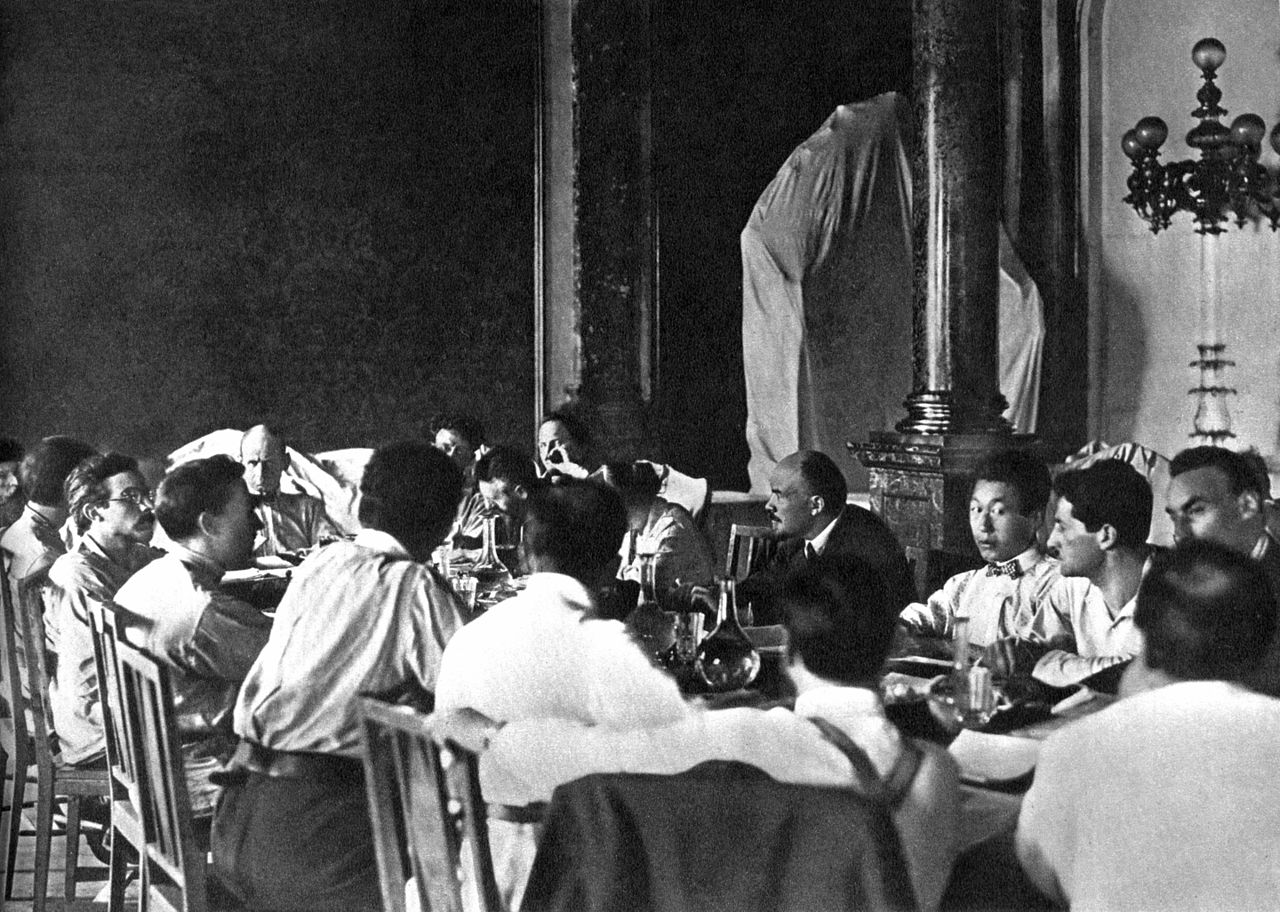
Germany wanted to increase instability in Russia to weaken the Eastern Front and undermine Russia in the World War. With that hope, Germany facilitated Lenin's travel by train through their country and Sweden to return to Russia.
He arrived at the Finland Station in Petrograd on April 3, 1917, where he was welcomed by a large crowd of Bolshevik supporters and party members.
Shortly after arriving in Russia, he presented the 'April Theses', demanding an end to the war, state control of all land, and power to the Soviets. He also called for the dissolution of the existing police, army, and bureaucracy.
Condemning the provisional government as a continuation of bourgeois rule, he pointed to the need for a second revolution to establish a socialist state. These radical demands divided the socialist movement. However, as the new government failed to resolve Russia's crises, the trust of workers, peasants, and soldiers wavered, and support for Lenin and his party began to grow.
- October Revolution
By mid-1917, the Bolsheviks had gained significant influence in the Soviets across Russia. Support for the second revolution called for by Lenin was growing within the Soviets.
In July, an uprising against the provisional government failed, and Lenin fled to Finland to avoid arrest. However, he continued to direct party activities through letters and secret meetings.
Convinced that waiting too long for the revolution would give rival groups a chance to secure power, he insisted on immediate action. On October 24 and 25, 1917, the Bolsheviks launched a carefully planned armed insurrection from Petrograd.
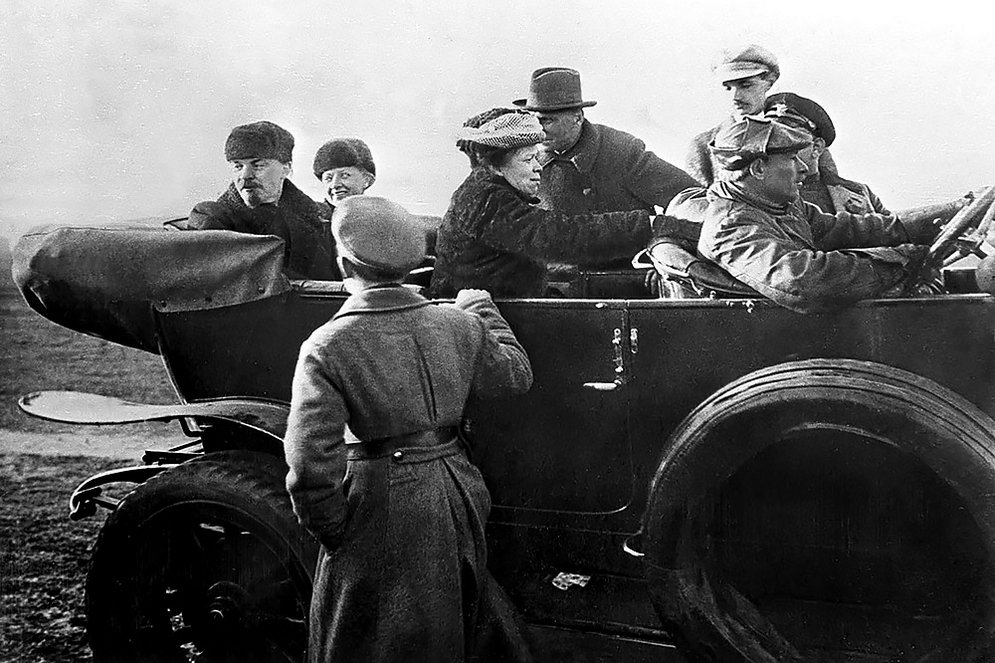
'Red Guards' loyal to the Bolsheviks and soldiers returning from the war seized bridges, government buildings, and telegraph offices. By the next morning, they had attacked the Winter Palace.
Within hours, they arrested the ministers of the provisional government, which was then led by Alexander Kerensky. Soon after, the Soviet congress met and approved the transfer of power to the Soviets, forming the Council of People's Commissars, or 'Sovnarkom', under Lenin's chairmanship.
The new government issued decrees on peace, land, and immediate worker control of production. This declaration marked the beginning of the transformation of Russian society, which later brought about a major shift in the global political system.
- Lenin in Power
As the leader of the Soviet government, Lenin led massive changes and upheavals. On March 3, 1918, the Treaty of Brest-Litovsk was signed, ending Russia's involvement in World War I. In addition, Russia lost vast territories, including Ukraine, Finland, Poland, and the Baltic states. Russia lost nearly one-third of its population, about half of its industry, and nine-tenths of its coal mines.
The treaty was widely unpopular, but Lenin was firmly convinced that such a treaty was necessary to consolidate power and defend the revolution. At that time, Russia was in a civil war. The 'Red Army', organized by Leon Trotsky, fought against the 'White Army', which included monarchists, nationalists, and foreign interventionists from countries like Britain, France, the US, and Japan.
To control the economy and maintain supplies for the army, Lenin implemented 'War Communism', which included grain requisitioning from peasants, mandatory labor, and state control of industry.
The policy of War Communism led to famine, uprisings, and economic distress. Dealing with all these problems, the Bolsheviks finally won the civil war by 1921.
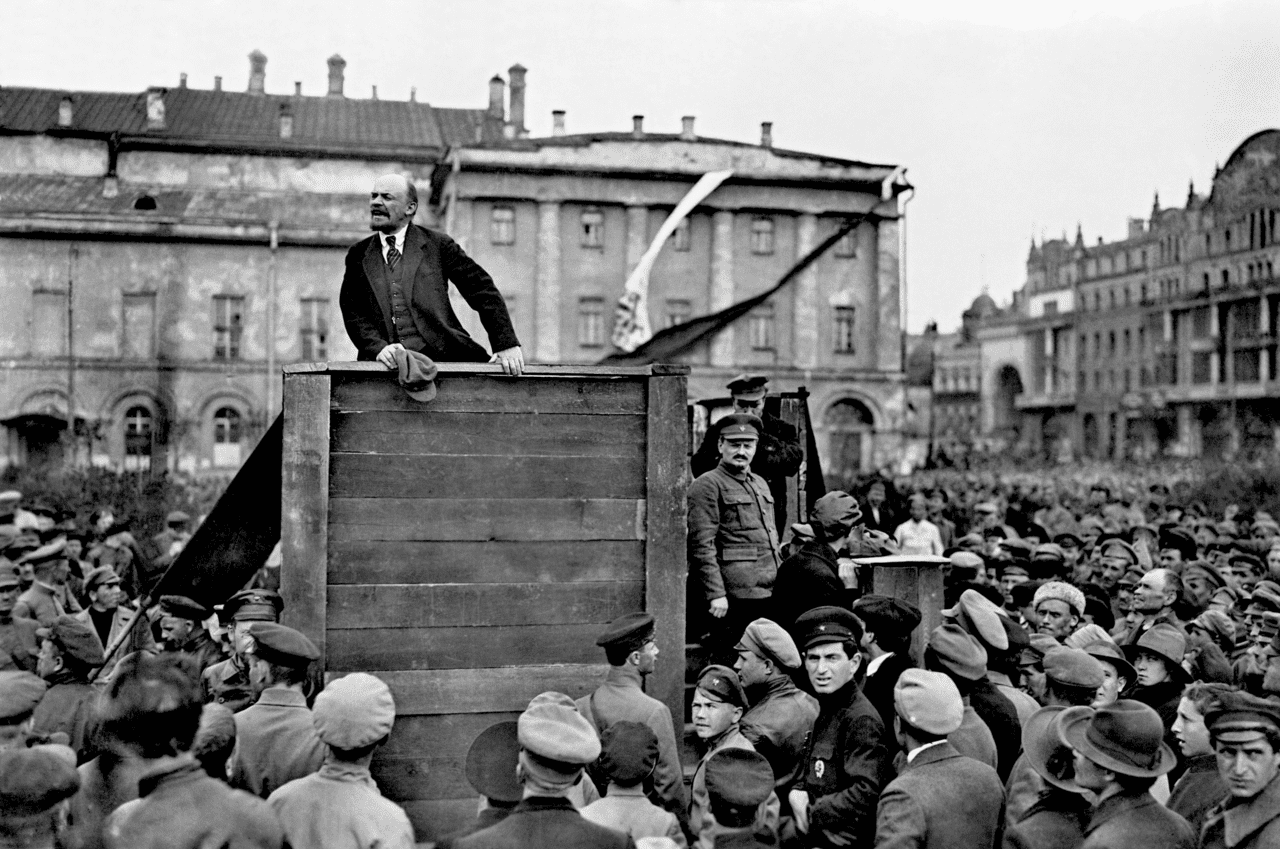
The civil war also gave rise to a campaign of political repression led by the Bolshevik secret police, the 'Cheka', known as the 'Red Terror'. Thousands of real or suspected opponents were imprisoned, and many were executed. Political pluralism disappeared.
In July 1918, all members of the Romanov family, the deposed royal family, were executed by Bolshevik forces. The Red Terror officially began just a week later. The executions are often viewed in connection with the broader campaign of political violence.
After the civil war ended, in March 1921, Lenin introduced the 'New Economic Policy'. This policy allowed for limited private trade and market-based activities. Such private economy and openness were even more prevalent in the agricultural sector.
The New Economic Policy replaced the forced grain requisitioning practiced during War Communism with a fixed tax, allowing peasants to sell their surplus production. This provision was implemented to prevent food shortages and rising unrest in Russian society. However, the policy left many within the Communist Party dissatisfied.
- Death
In May 1922, Lenin suffered a series of strokes, which severely affected both his speech and mobility.
He returned to political activity briefly after the strokes. During that time, he wrote letters and memos warning against the growing influence of Joseph Stalin. His health continued to deteriorate.
In his statements written between December 1922 and January 1923, he criticized Stalin's conduct and even recommended his removal from the position of General Secretary. However, party leaders suppressed the documents containing his request.
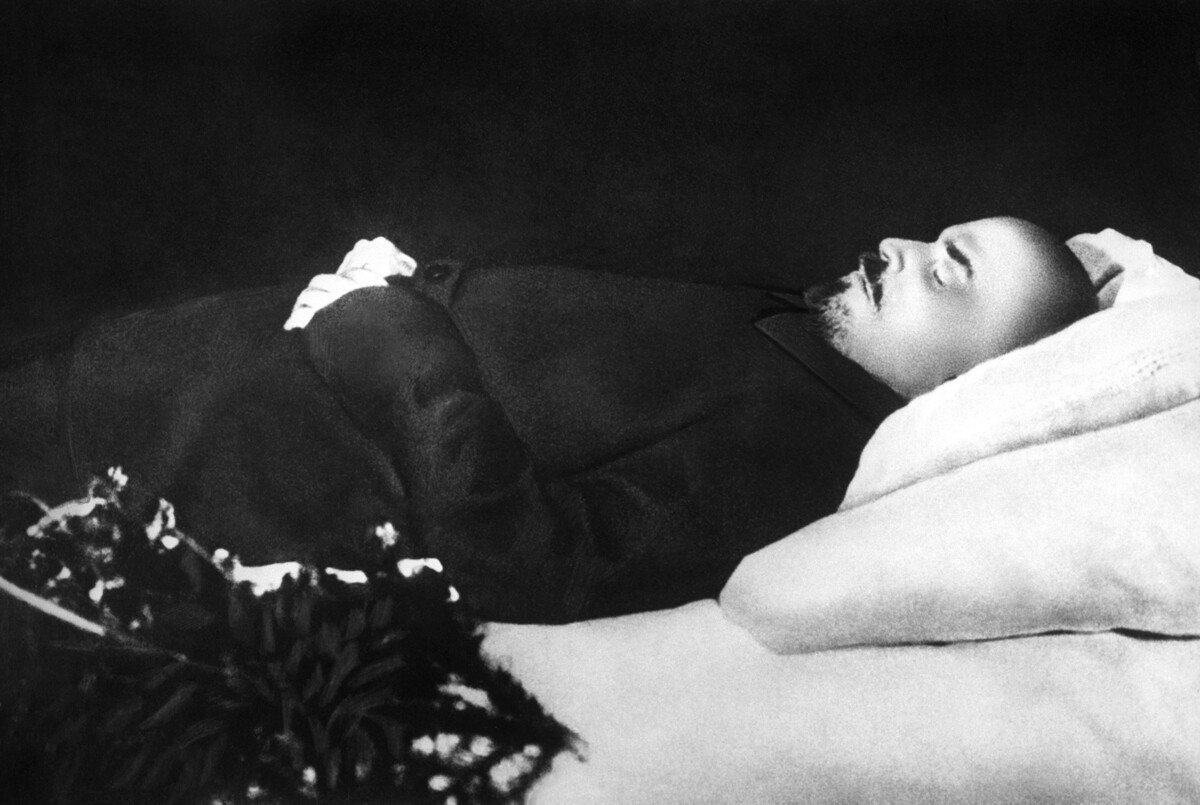
By March 1923, he was completely unable to participate in state affairs or party leadership. He spent his final months in the village of Gorki outside Moscow, under the care of his wife, Krupskaya, and doctors.
Lenin died on January 21, 1924, at the age of 53. The news of his death caused widespread mourning throughout the Union. The Soviet government decided to preserve his body, and it was placed in a specially built mausoleum in 'Red Square'.
Shortly after, on January 26, 1924, the city of Petrograd was officially renamed Leningrad in his honor.
After Lenin's death, his works and image began to be misused. His writings were used to justify policies and programs that differed from his original vision. Lenin's name became a kind of political symbol.
Despite all these twists and turns, the world still remembers Lenin today. The revolution he led overturned the old order and created a new political model that influenced not just Russia, but the entire 20th century globally.
This specific news has been automatically translated by AI. As a result, there may be some inaccuracies or language errors.

_yqgfuxCCb8.jpg)


_3SBwO86n8n.jpg)