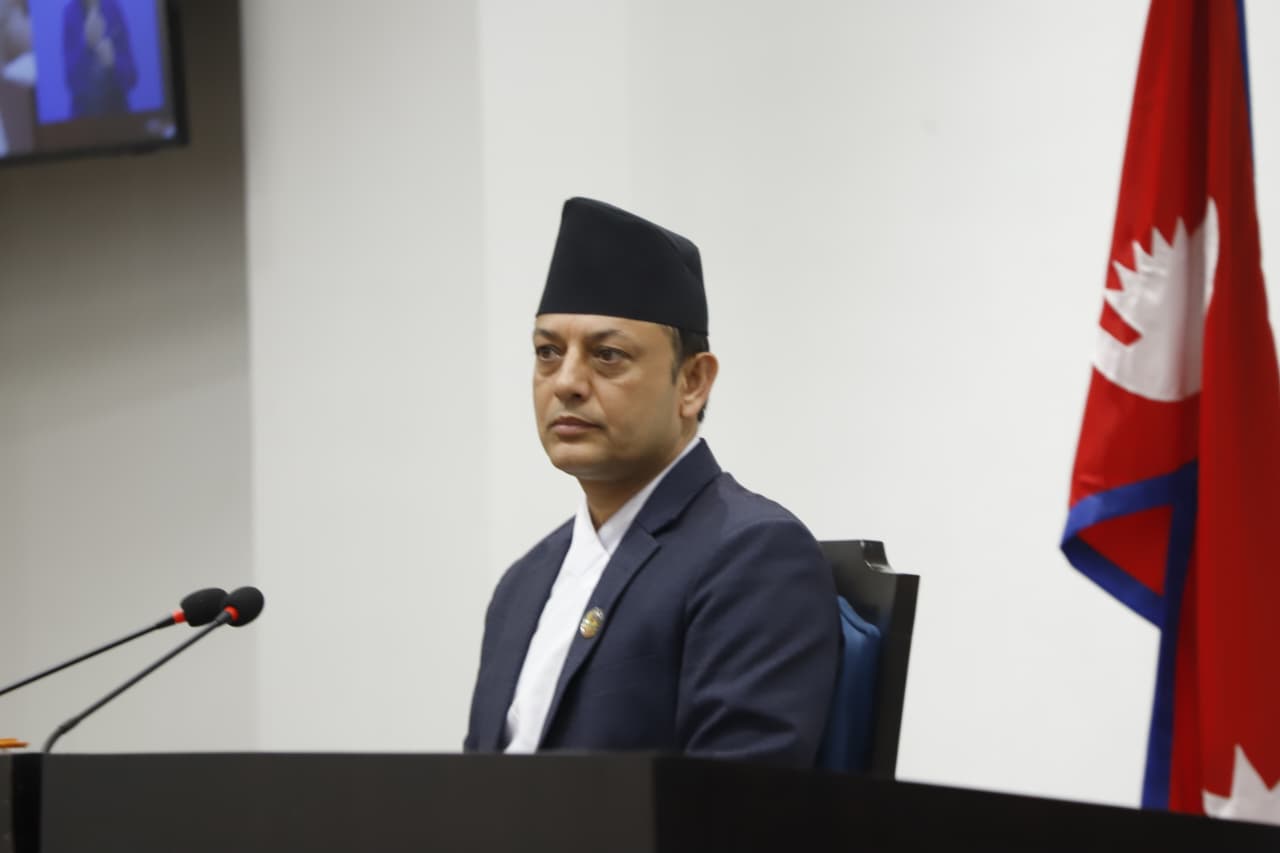
Controversy Erupts Over Proposed House of Representatives Regulations


Kathmandu. The draft of the new regulations prepared by the House of Representatives Regulations Drafting Committee has sparked controversy.
Following the submission of the draft prepared by the committee led by Rastriya Swatantra Party (RSP) lawmaker Ganesh Parajuli to Speaker Devraj Ghimire on Tuesday, dissatisfaction has emerged within the committee regarding several clauses.
Some opposition lawmakers have interpreted the committee's leadership by an RSP member and the inclusion of clauses that provide 'relief' to lawmakers facing criminal charges as a maneuver to protect RSP Chairman Rabi Lamichhane from legal action.
Chairman Lamichhane is currently facing cases in various courts, including allegations of cooperative fraud and money laundering. Just today, a writ petition was filed in the Supreme Court seeking to prevent Lamichhane from performing his duties as a lawmaker, but the Supreme Court administration rejected the petition.
What is in Rule 259?
Rule 259 of the drafted regulations includes a specific provision under the heading 'Applicability of Regulations'. It states, 'Notwithstanding anything contained in the prevailing laws, these regulations shall remain as federal law and shall be applicable as special law in respect of the House, committees, and members.'

Generally, courts or other bodies initiate action against lawmakers based on prevailing laws (such as the Criminal Code). However, this rule appears to elevate the regulations to the status of 'special law,' placing them above other laws.
Opposition lawmakers allege that by positioning the regulations as a parliamentary privilege, there is an attempt to weaken the scope of criminal law.
Another core point of contention is Rule 247. Sub-rule (3) of that rule provides that in the case of lawmakers facing serious criminal charges, 'the member shall remain suspended only during the period they are in custody for trial.'
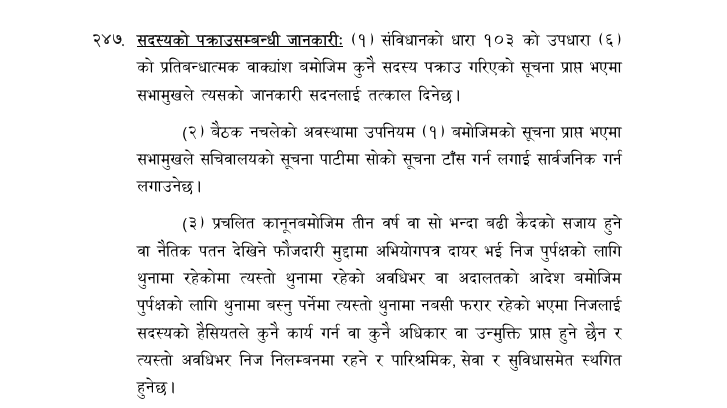
This means that if a lawmaker is facing charges of serious crime or fraud but is not in custody by court order—remaining out on bail or for other reasons—they will not be suspended from their parliamentary position. Their salary, allowances, and rights to function as a lawmaker will remain intact.
Leaders from other parties claim this loophole was created specifically to protect the parliamentary seat and party leadership of RSP Chairman Rabi Lamichhane, who is currently facing charges, provided he is not arrested or remains out of custody. It is observed that this would apply not only to him but to other lawmakers in the future as well.
Rule 261 has further fueled the controversy. It states that the actions of the Parliament or its committees shall be considered 'internal proceedings' and cannot be questioned in any court.

Some members have expressed disagreement with this draft submitted to the Speaker. 'It is wrong to seek a backdoor in the regulations by looking at someone's case and political circumstances. The law should be equal for all; we disagree with the clauses brought with the intention of providing immunity in criminal cases simply on the basis of being a lawmaker,' one member stated.
Regulations cannot be above the Constitution: Balawati Sharma
Committee member and CPN lawmaker Balawati Sharma admitted that there is intense disagreement within the committee regarding granting the regulations the status of 'special law.' She also mentioned that some controversial terms were included in the draft due to the insistence of members with legal backgrounds.
Commenting on the proposal to treat the regulations as federal special law, Sharma said, 'Regulations cannot be above the Constitution by calling them special law, and that is not what we intended to say. Laws should apply equally to the public, honorable members, the Prime Minister, or ministers. The laws and rights created within the regulations were intended to be interpreted as privileges for the members.'

She acknowledged that although there was much discussion about this within the committee, some ambiguity remained due to the haste in signing at the last moment. She added, 'When the phrase "shall be applicable as special law" was included, there were some lawyers present, and they were the ones who coded it. We did not intend to interpret it as being above the Constitution, but since there was no consensus in the committee, some things are still not settled.'
She indicated that there is disagreement even between 'some members of the ruling and opposition parties' regarding the word choice that gives the regulations a higher status than other prevailing laws.
Treating regulations as 'special law' is unconstitutional: Ain Mahar
CPN (UML) lawmaker and member of the House of Representatives Regulations Drafting Committee, Ain Mahar, opposed the proposal to grant the regulations the status of 'special law.' Describing it as an unconstitutional step, he stated that he had expressed strong disagreement (dissenting opinion) on this matter in the committee meeting itself.
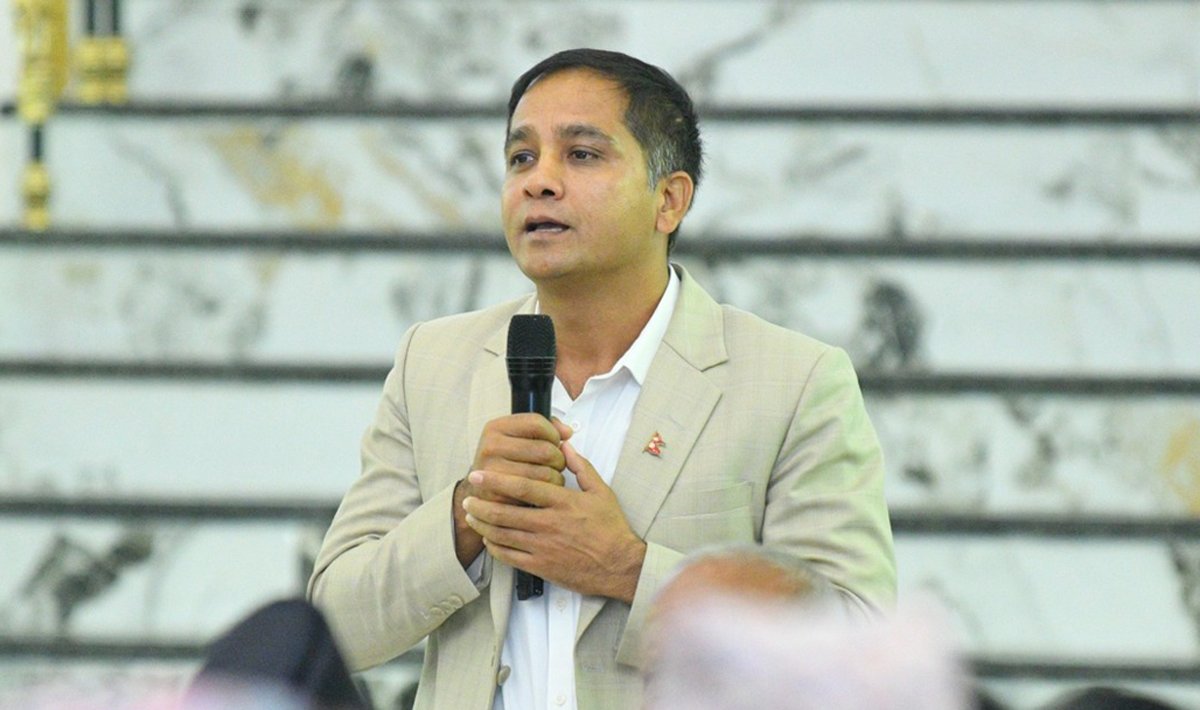
Objecting to the term 'federal special law' used in the regulations, Mahar said, 'The matter of privilege is something the Constitution itself has provided for the House of Representatives and its members; there is no dispute about that. But calling the regulations themselves a special law is completely wrong and unconstitutional. It does not align with any spirit of the Constitution and prevailing laws.'
He accused some members of pushing this provision through the strength of numbers. Mahar added, 'How can there be a separate special law for members of the House of Representatives? The law must be equal for all. They have included this in the draft by pushing it through with the arrogance and ego of their numbers. I have already expressed my strong dissenting opinion orally in the meeting.'
Mahar expressed dissatisfaction that such a provision was brought with the intention of not suspending lawmakers facing criminal charges until they are in custody and placing the regulations above other laws. He maintains that the attempt to place the regulations above the Constitution mocks the rule of law and must be amended.
Regulations cannot be above federal law: Yubaraj Dulal
CPN lawmaker Yubaraj Dulal also expressed objection, stating that there is a 'wrong intent' hidden in the proposed draft of the regulations. He said that provisions granting the regulations the status of federal special law and providing immunity to lawmakers facing criminal charges are not natural.
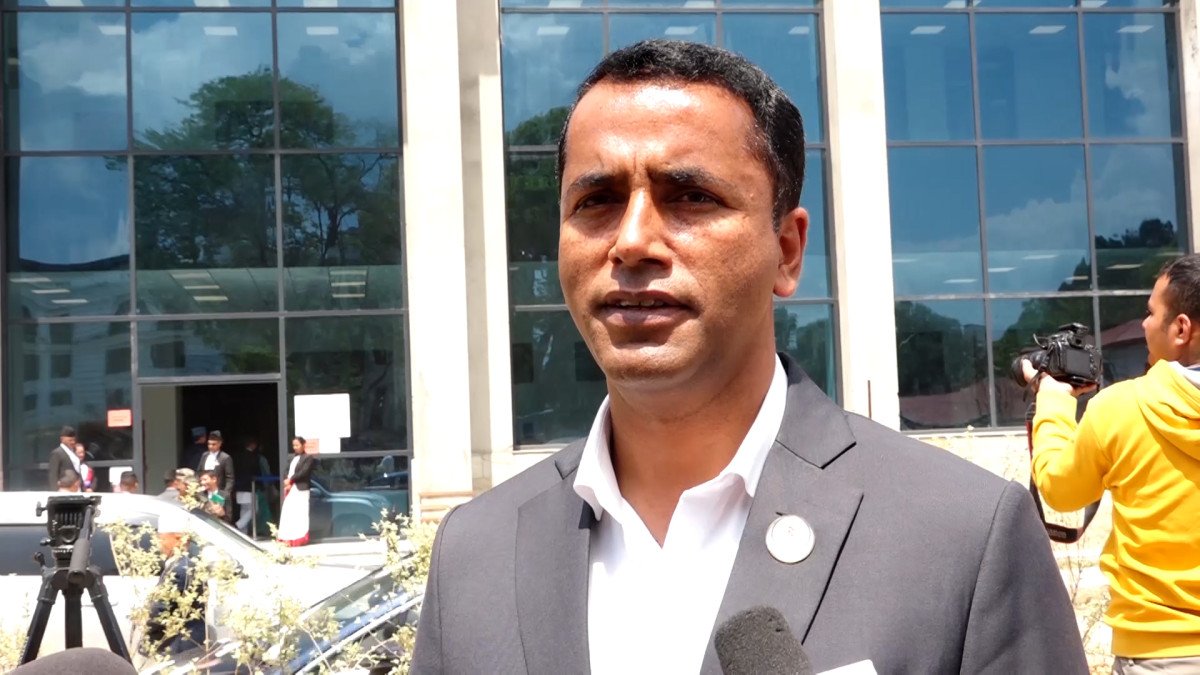
Noting that an attempt is being made to interpret the regulations against the spirit of the Constitution, Dulal said, 'I have looked at both the draft and the Constitution seriously. It seems there is a bit of wrong intent there. The power given by Articles 103 and 104 of the Constitution is to make regulations to regularize the work of the House. This does not mean that the regulations can or should stop the federal law from arresting someone in cases of criminal charges or any other serious matter.'
Lawmaker Dulal expressed disagreement with the proposal to give the regulations the same or higher status than other prevailing federal laws.
He clarified that the regulations are only for managing the internal procedures of the House, and attempting to use them as a 'protective shield' in criminal cases would be against the concept of the rule of law. Dulal stated that such controversial provisions would damage the dignity of the Parliament and should be reconsidered.
Similarly, committee member Niskal Rai stated that he had a 'dissenting opinion' on several points of the proposed regulations. He expressed dissatisfaction that some of his important proposals regarding making the regulations complete and inclusive were not included in the draft.
Likewise, RPP lawmaker Khusbu Oli also stated that she had a dissenting opinion regarding the matter of privilege and the parliamentary calendar.

She indicated that she would express her dissenting opinion in the House of Representatives itself. The RSP, however, has claimed that such a provision was made only to maintain the supremacy and autonomy of the Parliament, to treat the regulations as special law, and to ensure that no one is suspended based on prejudice.
This specific news has been automatically translated by AI. As a result, there may be some inaccuracies or language errors.
-education-and-sport_c0BHyFjlfq.jpg)


_CI16rghsRT.jpg)