US President Trump's Influence on World Cup Ban Sparks Controversy
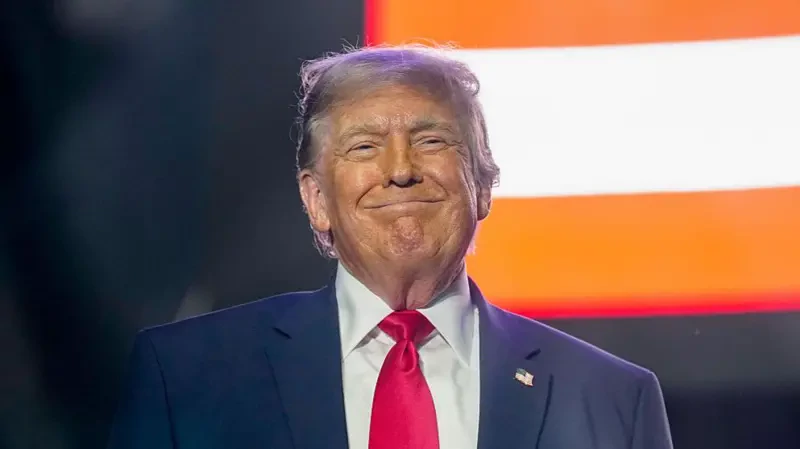
Washington DC. For the first 24 days of the preliminary 2026 Men's Football World Cup, the competition appeared to be away from the political influence of US President Donald Trump. However, after a one-match ban on US team's key goalscorer Folarin Balogun was lifted at the last minute, a controversy that arose from the World Cup grounds has turned into an international political debate. The decision has raised serious questions about FIFA's impartiality, the credibility of the competition, and the limits of political interference in sports.
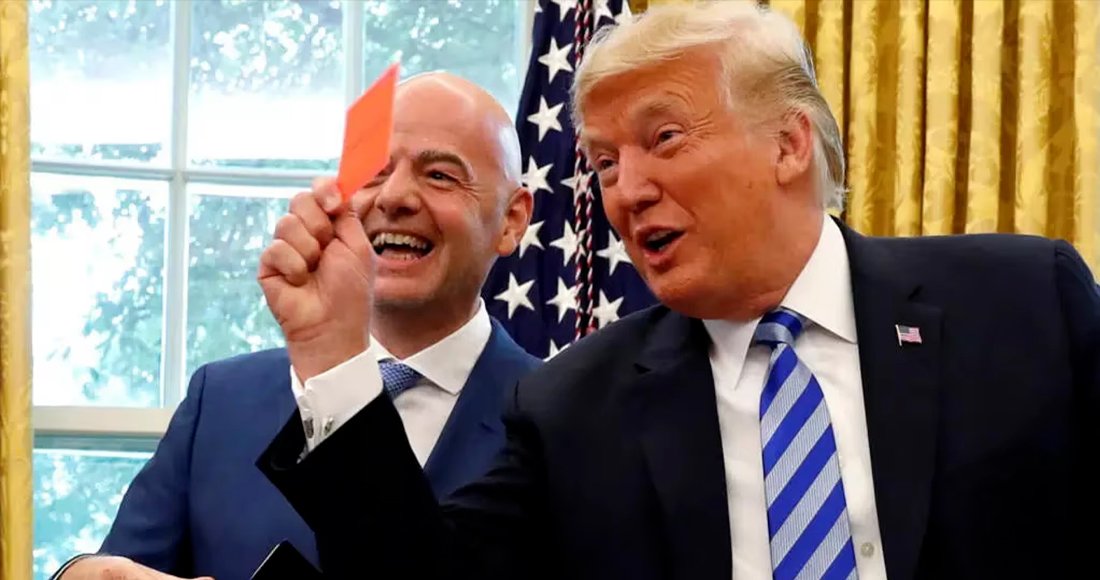
Trump publicly welcomed the decision on Sunday on social media Truth Social, stating that FIFA had corrected a great injustice by making the right decision. He thanked FIFA, sending a message that he had taken steps for justice. This statement by Trump has sparked global discussion on whether his direct influence was behind the decision to lift the ban.
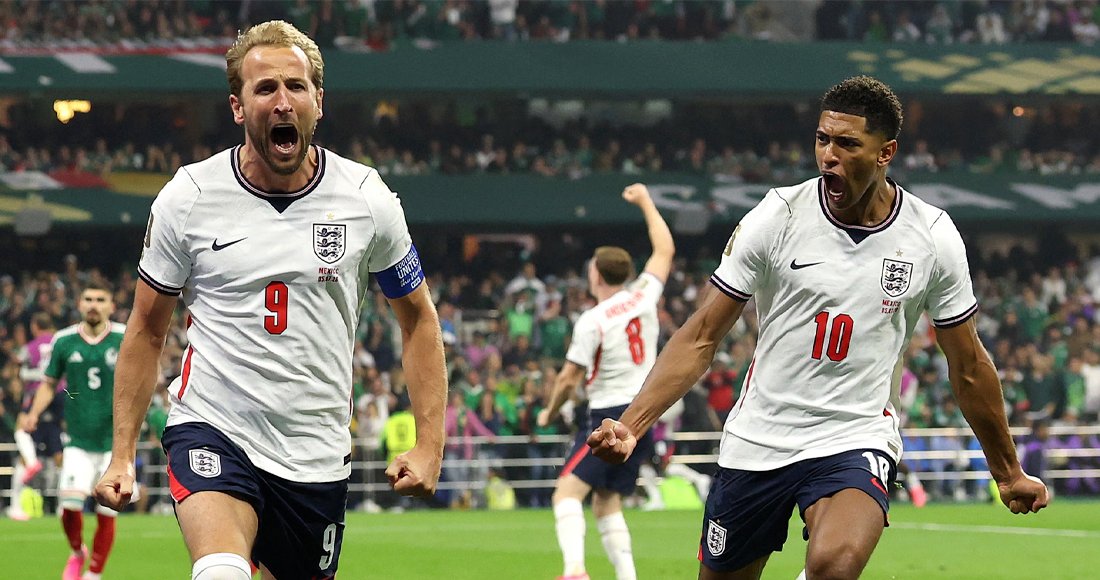
Balogun received a red card in the group stage match against Bosnia and Herzegovina, resulting in a one-match ban. Because of this, he was certain to miss the crucial knockout stage match against Belgium. However, a few hours before the match started, FIFA suspended his ban, allowing him to play.
This decision has caused a major stir in world football. Many analysts have speculated that such a decision may have been made due to the close relationship between Trump and FIFA President Gianni Infantino. The controversy escalated further after news emerged that Trump had telephoned Infantino, urging him to review the decision.
Political interference in sports is not new. However, a publicly visible incident where a head of state pressured FIFA to lift a ban on a player during the World Cup is considered unusual. For this reason, many sports experts view it as a dangerous precedent in the history of world football.
The Belgian Football Association has expressed dissatisfaction with FIFA's decision, accusing it of violating the principles of fair competition. The coach of the Belgian team stated that necessary steps would be taken to protect the ethics and credibility not only of their country but of football as a whole. Many supporters worldwide are commenting that even if America defeats Belgium, it may not be accepted as a completely fair victory. Discussions about the potential success of America being 'starred' are also widespread on social media and in sports analysis.
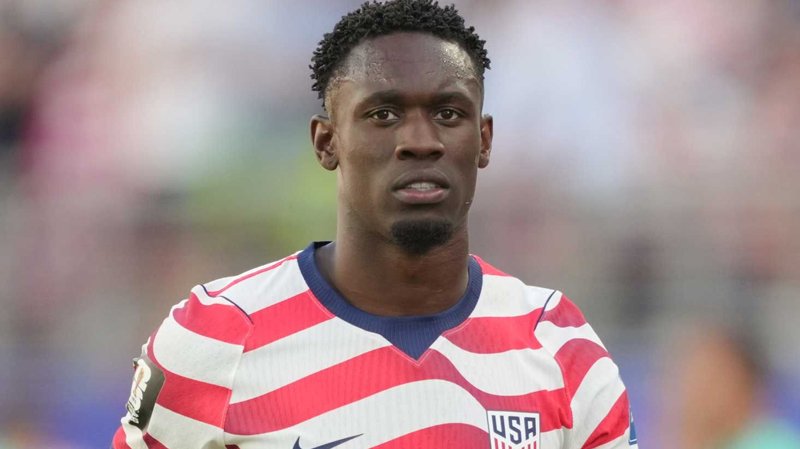
The football community appears divided regarding Balogun's red card. Initially, the referee did not give him a red card during the game. However, after reviewing the incident again via the Video Assistant Referee (VAR), it was concluded that it was a serious foul, and he was sent off the field. Although the challenge appeared normal at normal speed, in slow motion, Balogun's boot seemed to have seriously affected the leg of Bosnian defender Tariq Muharemovic. The referee then issued a red card.
Many supporters argue that Balogun had no malicious intent and that he was treated unfairly because VAR, when used in slow motion, made a normal challenge look more dangerous. They cite examples where many such challenges would have ended without punishment before the advent of modern technology. However, analysts on the other side argue that according to FIFA rules, such a challenge is considered a serious foul, making the red card natural. They also present examples of players being regularly sent off in top European leagues for similar challenges.
Meanwhile, many supporters have also accused a double standard, alleging that Balogun was harshly punished while Argentinian captain Lionel Messi did not receive a red card for a similar challenge in an early match of the tournament. Initially, FIFA had clarified that there was no basis for appealing the ban with the US. It then seemed certain that Balogun would not be able to play against Belgium. But on Sunday, FIFA suddenly announced the suspension of the ban. The controversy further intensified as the detailed reasons for this decision were not made public.
FIFA's disciplinary committee stated that Article 27 of its code of ethics was used. According to this provision, in special circumstances, the implementation of disciplinary action can be suspended, in whole or in part, for a probationary period. This means Balogun's red card will remain. If he violates discipline again, the previous ban will also be reinstated.
FIFA has used this provision before. When Portugal captain Cristiano Ronaldo, who received a red card in the World Cup qualifiers, was allowed to play in the preliminary matches of the tournament, FIFA was accused of giving special treatment to a famous player. According to political analysts, Trump was unlikely to distance himself from a global stage like the World Cup. He had previously described the World Cup as a global event similar to hosting many Super Bowls at once.
In the initial stages of the competition, he was more focused on the programs for the 250th anniversary of American independence. However, after the ban on America's main striker appeared to affect the national team's prospects, he became directly involved. Trump is known as a sports-loving leader. He has used sports as a medium for conveying political messages in the past. This year, after the US men's ice hockey team defeated Canada in the Winter Olympics, he interpreted it as proof that America was starting to win again under his leadership.
The close relationship between Trump and Infantino has also been a topic of discussion for a long time. Infantino has been seen with Trump at many international events. After Trump's second inauguration, he posted on social media about working together on a journey to make not only America but the entire world great. Infantino had previously faced criticism regarding human rights controversies related to the construction of infrastructure for the Qatar World Cup and the selection of Saudi Arabia as the host for the 2034 World Cup. Therefore, the Balogun incident has raised further questions about his leadership.
According to analysts, this incident could now have an impact on future competitions. If the perception strengthens that the head of state of a powerful country can pressure FIFA and get decisions changed for their players, the possibility of leaders of other nations making similar attempts will increase.
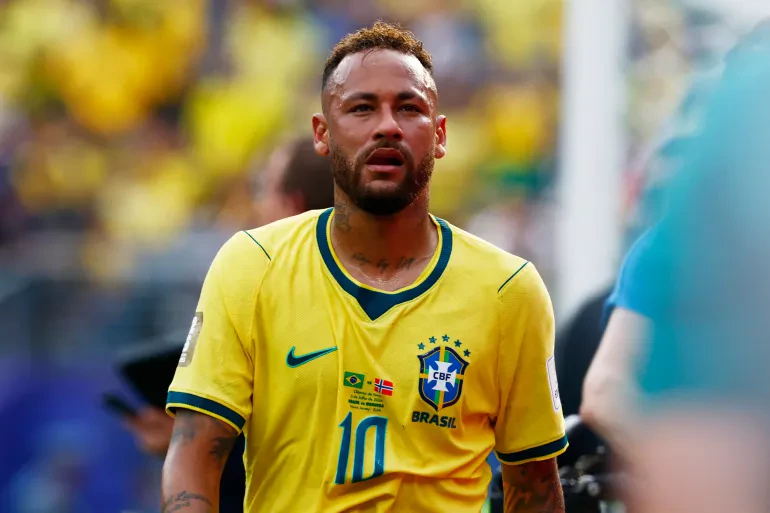
Along with this, it is now certain that every controversial red card, ban, or disciplinary decision in the World Cup will be subject to more suspicion and scrutiny than before. Questions are being raised about whether the special authority FIFA used in Balogun's case will be applied equally to players from other countries. On Sunday, Norwegian striker Erling Haaland's two goals led to Brazil's exit from the tournament. However, overshadowing this news, the controversy involving Trump, Balogun, and FIFA became the main topic of discussion in world football.
Now, there is growing concern that political developments off the field, rather than on-field performance, will have a greater impact on the rest of the tournament. The World Cup is seen as an opportunity for supporters worldwide to forget politics and enjoy the festival of football. However, sports analysts comment that the Balogun incident has tarnished that image.
This specific news has been automatically translated by AI. As a result, there may be some inaccuracies or language errors.