The Unique Tradition of 'Buying Villages' Among the Dom Community in Madhesh

Janakpurdham. Buying and selling real estate is considered normal, but the idea of buying an entire village might sound surprising to many. However, within the Dom community of Madhesh, this tradition has persisted for generations, defining not only their livelihoods but also their social structure.
The practice of 'buying a village' remains alive today among the Dom community, who are considered the most marginalized among Dalits, often referred to as 'Mahadalit.' According to this tradition, an individual pays a specific amount to 'buy' a village, gaining a monopoly over specific economic activities within that area.
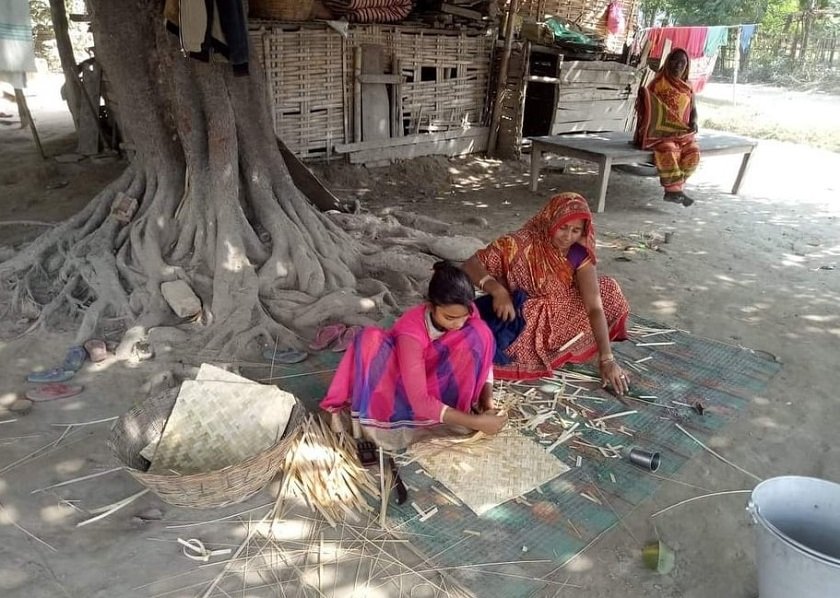
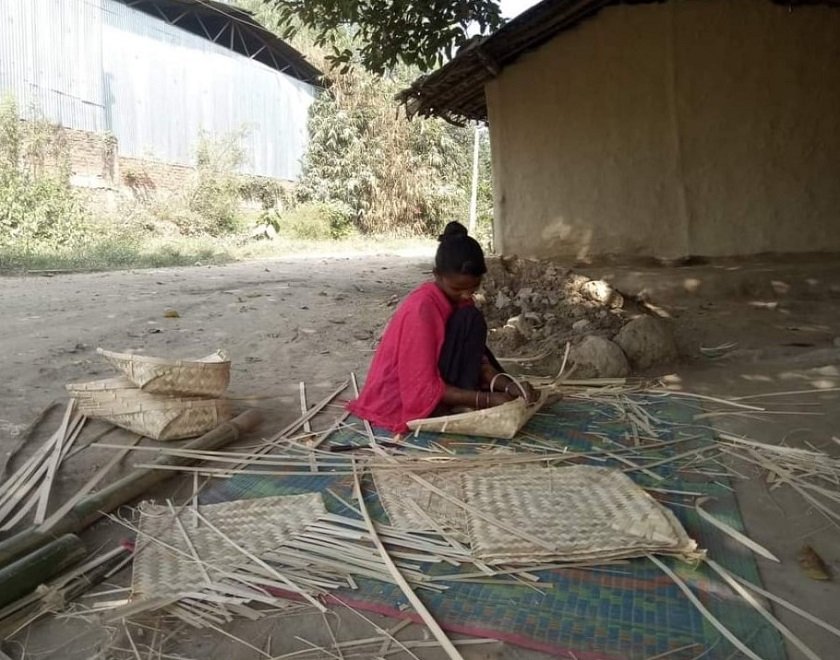
Paltu Malik, a resident of Kshireshwornath Municipality Ward No. 6, bought Hariharpur village from Rambahadur Malik eight months ago for 25,000 rupees. In Hariharpur, which has a population of about five thousand, Malik has the exclusive right to sell bamboo-made items like baskets, winnowing trays, mats, and fans.
'In the village I bought, I have the sole right to sell necessary items for weddings, feasts, funerals, or religious rituals, and I am entitled to the customary fees,' claims Paltu.
Under this system, individuals from other Dom communities are not allowed to conduct business there. If anyone violates the rule, they must pay a fine set by the community. Interestingly, such fines are often set in the form of slaughtering a pig to host a feast for the entire community.
Local Bhullidevi Malik says there is no concrete evidence of when this tradition started. She believes it has been going on since the time of her ancestors. 'Just as legal procedures are followed when buying and selling land, paperwork is also managed when buying and selling a village,' she says. The main source of income for the person who buys the village comes from these traditional rights: selling bamboo goods, cleaning utensils at feasts, sanitation work, and receiving fees related to weddings and funeral rites. However, due to poor economic conditions, there are instances where some sell the village they bought to others.
It is estimated that about two thousand members of the Dom community live in Dhanusha district alone. It is observed that they practice buying one to three villages each.
The traditional occupation of the Dom community is related to making bamboo goods, pig rearing, and performing funeral rites at cremation grounds. In Madhesh, the custom of purchasing the 'fire' for cremation from the Dom community is still prevalent.
Legal Hurdles in Tradition
The Constitution of Nepal grants every citizen the freedom to reside, work, and conduct business anywhere in the country. In such a context, the tradition of 'buying a village to maintain a monopoly' appears legally invalid. There is no provision for such an act to receive any form of legal recognition.
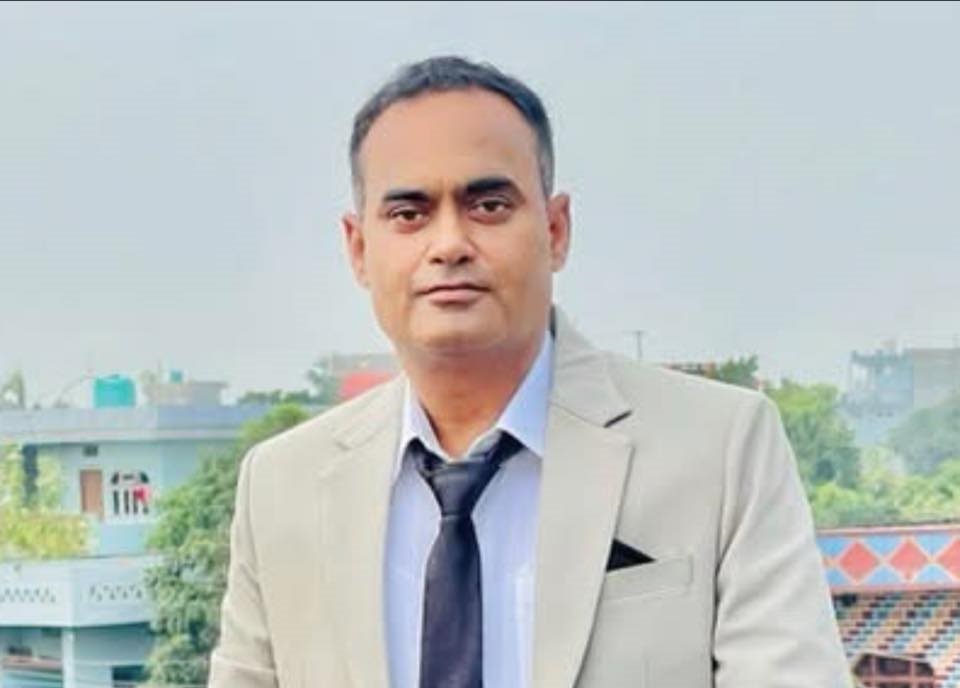
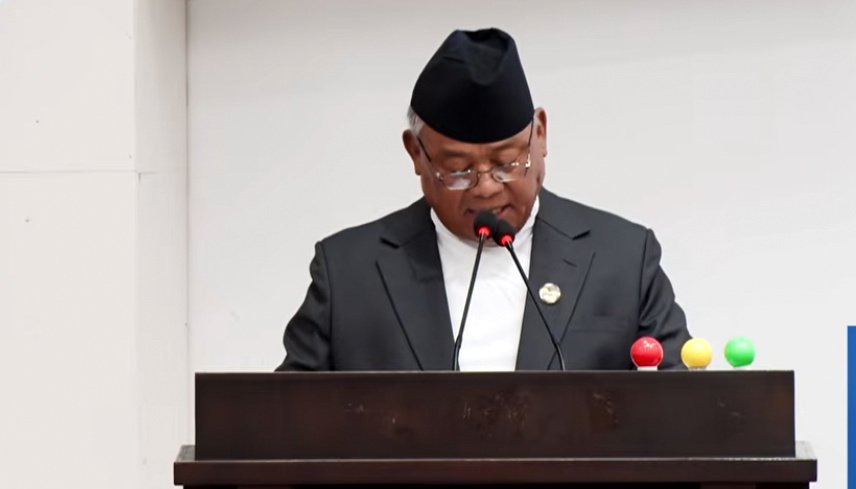
According to Mohammad Mobarak Kabadi Nathuni, Ward Chairman of Kshireshwornath Municipality Ward No. 7, documents related to such 'village buying and selling' are not officially registered at the ward office or the land revenue office. 'This is an informal traditional practice based on the consensus within the Dom community; the state, any local government, or the law does not legally recognize it,' stated Ward Chairman Kabadi.
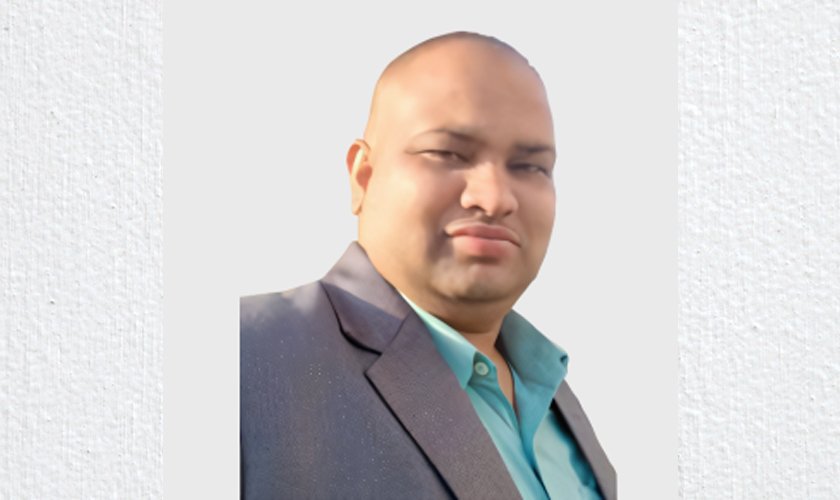
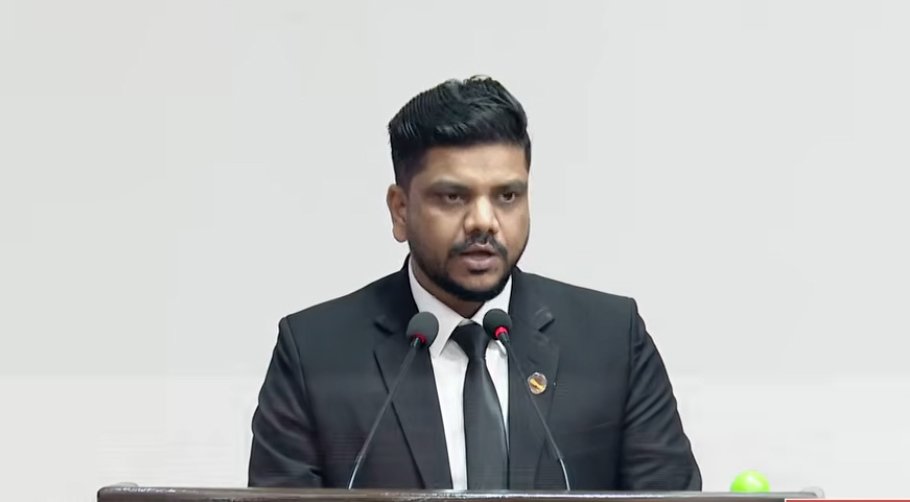
Legal experts say this practice contradicts the spirit of the freedom of profession and trade guaranteed by the Constitution. Advocate Satish Lal Karna said, 'Giving one person the right to trade in a specific area is against the principles of competition and freedom. Even if such a tradition or practice is socially accepted, it holds no legal status and has no legal basis.'
Advocate Karna mentioned that because the Dom community has been practicing this within their own group since ancient times, it is not given much attention. He stated that he has not heard of any cases filed regarding such matters so far.
Is This Tradition a Benefit or a Debt?
While the tradition of buying a village may seem like a guaranteed source of income for the Dom community, another aspect is the risk of falling into debt. Locals say that some take loans to buy villages, but when they cannot earn as expected, the burden of debt increases.
According to sociologist Nagendra Dubey, when someone cannot earn as much as they hoped, they are forced to sell the village to someone else at a loss. He said, 'Instead of making the community economically strong in the long run, there is a risk of trapping them in a cycle of debt. However, if it is a village with a large population, it can potentially provide a good income for one person.'
What Does the New Generation Say?
There are mixed opinions about this tradition among the youth of the Dom community. Some see it as a continuation of their ethnic identity and traditional occupation, while others consider it a compulsion. Ramcharitra Malik, a youth from Kshireshwornath Municipality-6, says, 'Now, educated boys go for foreign employment to Saudi Arabia, Malaysia, and Qatar. Some go to Punjab or Assam in India, and some are involved in pig farming. The mindset of buying a village to settle down is declining.'
But another youth, Dilip Malik, has a different view. He said, 'This is our tradition, but in today's time, it is difficult to survive on this alone. We are doing other work while keeping this tradition alive.' People from other communities are not fully aware of the village buying and selling, and while some accept it as a normal tradition, others say they do not attach much importance to it.
Phulo Devi of Kshireshwornath Municipality-7 said, 'We don't even know who has bought the village; during festivals, whoever we see entering the village to sell goods, we buy from them.'
Regarding this tradition, Jibachh Mandal of Kshireshwornath Municipality-5 says, 'One should respect this tradition and rule within the Dom community, but we don't really pay attention to who comes to sell goods in the village, and we buy whenever we need something.' According to him, there is a kind of honesty within the Dom community regarding their traditions, where outsiders do not go to sell goods in a village that belongs to someone else.
Within their community, they are usually aware of which village belongs to whom.
What Do Dalit Rights and Human Rights Activists Say?
Dalit rights activists view this practice in two ways. On one hand, it has served as a means to ensure the traditional occupation and minimum income of the Dom community. On the other hand, it carries the risk of keeping them tied to limited occupations and geography.
Dalit rights activist Binod Mahara says, 'This tradition has preserved their livelihood, but it has also stopped them from expanding alternatives and opportunities.' According to activist Mahara, it is necessary for the state to emphasize alternative employment, education, and skill development for such communities so that they can choose their profession by choice, not by compulsion.
Raju Paswan, Madhesh Province Coordinator of INSEC, an organization active in the field of human rights, expressed the view that this tradition should be seen in connection with the identity, income, property, and existence of the Dom community. Paswan says, 'This tradition needs to be organized. The Dom communities are often living in huts on two or three dhurs of public land; many do not have their own land, but they have the village they have bought.'
He mentions that the Dom community earns a living by selling their goods in the village and, when necessary, manages by selling the village just as others sell land. He believes that with the increasing trend of plastic goods replacing bamboo items, their ancestral occupation is in crisis.
According to the National Population and Housing Census 2078, the total population of the Dom community is estimated to be between 13,000 and 15,000. This community mainly resides in the Dhanusha, Mahottari, Saptari, Siraha, Sarlahi, and Rautahat districts of Madhesh Province.
This specific news has been automatically translated by AI. As a result, there may be some inaccuracies or language errors.
-education-and-sport_c0BHyFjlfq.jpg)
_CI16rghsRT.jpg)