India's Fertilizer Production Plummets Amid West Asia Conflict

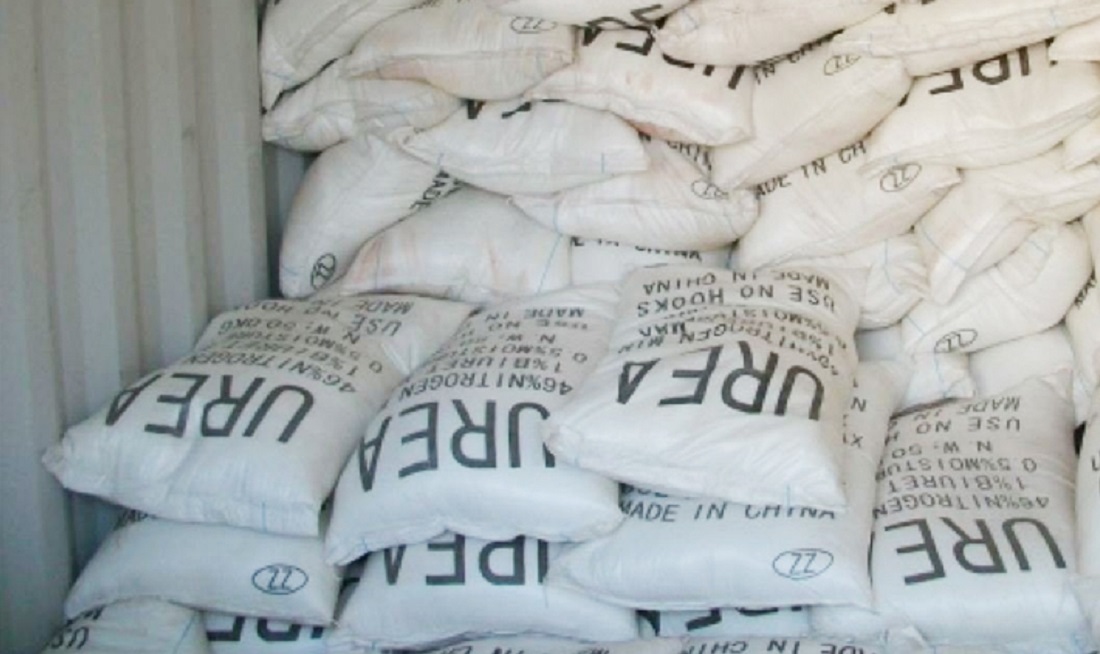
India's fertilizer production fell by nearly a quarter in March as the direct impact of the escalating conflict in West Asia took hold. Government data indicates that the sharp decline in output is due to disruptions in natural gas supplies, signaling increased pressure on the agricultural sector.
Natural gas is considered an essential raw material for urea production in India. As urea is the primary fertilizer for the country's vast agricultural system, its production is directly linked to global energy supplies and price volatility. However, following the attacks on Iran by the US and Israel on February 28, Iran effectively closed the Strait of Hormuz, disrupting gas supplies.
Since about one-third of the world's fertilizer supply passes through this waterway, concerns have been raised that the disruption will impact global food production. For an agriculture-dependent nation like India, the impact is considered even more severe. Agriculture accounts for more than 45 percent of total employment in India. Fertilizer shortages could pose an additional challenge for farmers who rely on small and less productive farming systems.
According to data released by the Ministry of Commerce, fertilizer production in March 2026 fell by 24.6 percent compared to the same period last year. Previously, production had shown signs of improvement—growing by 3.4 percent in February, 3.7 percent in January, and 4.1 percent in December 2025.
The government has claimed that there will be no immediate shortage. According to the Ministry of Petroleum, the country currently has 'sufficient fertilizer stocks' and efforts are being made to diversify supply sources from various countries.
In India, the demand for fertilizer is highest before the monsoon crop planting (June–July) and during the winter crop planting season (October–November). Targeting this period, the government had previously increased fertilizer subsidies by 11 percent in April, which is expected to provide some relief to farmers from rising prices.
This specific news has been automatically translated by AI. As a result, there may be some inaccuracies or language errors.