Japan Shifts Defense Policy to Allow Broader Arms Exports
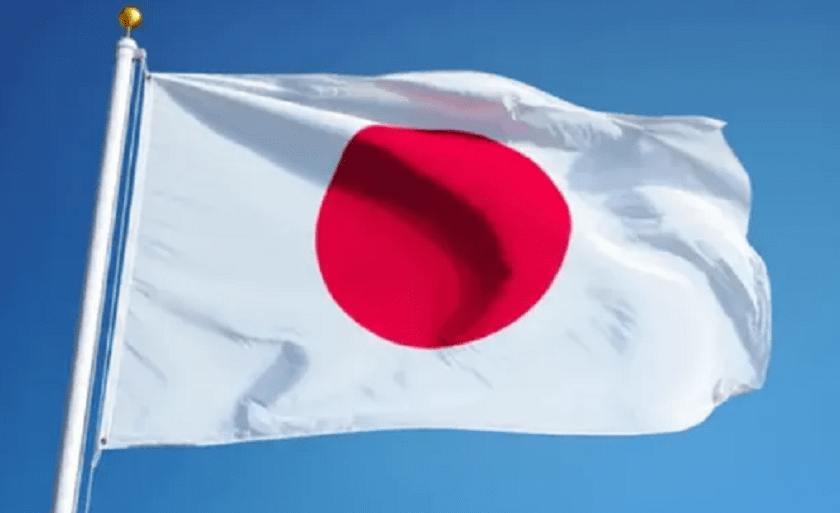
Japan has signaled a move toward a more active global defense role, seeking a balance between its traditional pacifist policy and new security realities. Marking a significant shift from its decades-long strict pacifist stance, Japan has decided to significantly ease its rules on arms exports.
This policy change, aimed at balancing evolving security challenges with economic interests, is expected to pave the way for Japan to actively enter the international defense market.
Top government spokesperson Minoru Kihara stated at a press conference on Tuesday that the new arrangements would also pave the way for the sale of lethal weapons. He noted that the security environment surrounding Japan is changing rapidly, and the decision was made with the aim of strengthening the country's security while contributing to regional and international stability. According to him, the view that no nation can ensure its security alone in the current global environment is gaining strength.
Previously, Japan had limited arms exports to only five categories of equipment, such as search and rescue, transport, warning, surveillance, and minesweeping. However, Prime Minister Sanae Takaichi indicated via social media that, in principle, the transfer of all types of defense equipment would now be possible. This clearly shows a structural change in Japan's defense policy.
Supporters of this change argue that by becoming more integrated into the international defense supply chain, Japan will be able to further strengthen its diplomatic, security, and economic ties with partner nations. Analysts suggest that China's growing military activity and security challenges posed by North Korea and Russia have set the stage for this decision.
However, this move has generated mixed reactions within Japan. Critics have accused Prime Minister Takaichi of weakening the country's long-standing pacifist identity. Concerns have been expressed that this will affect Japan's pacifism, which was developed on the policy foundation established after World War II.
The government has stated that this policy has already been approved by the Cabinet and the National Security Council. According to Heigo Sato, an expert on defense affairs and arms control, such a policy will help build a system that ensures the smooth exchange of weapons and ammunition among allied nations. He pointed out the need to utilize the current time of peace for long-term security preparations.
According to Sato, since arms exports create a need for regular maintenance, it will provide a stable commercial base for the defense industry and strengthen relationships with buyer nations. Furthermore, he argues that two-way arms exchanges will also increase the possibility of receiving support from allied nations in the event of unforeseen and long-term conflicts in the future.
This is the latest step in a process of gradually easing the strict export restrictions that have been in place since 1976. Prime Minister Takaichi stated that exported weapons would be limited to countries that have committed to using them in accordance with the United Nations Charter.
This specific news has been automatically translated by AI. As a result, there may be some inaccuracies or language errors.