Independent Candidate Ashish Sharma Emerges as Key Political Figure in Kapilvastu-1


Kathmandu. In the House of Representatives election held on Falgun 21, only one independent candidate secured a victory, while another emerged as the closest runner-up.
While Mahabir Pun, the outgoing Minister of Education, Science and Technology, won as an independent candidate from Myagdi, Ashish Sharma, who ran as an independent in Kapilvastu-1, became the closest rival.
In Kapilvastu-1, Mohanlal Acharya of the Rastriya Swatantra Party was elected with 34,148 votes, while independent candidate Sharma finished as the runner-up with 15,860 votes.
Sharma had filed his candidacy as an independent after being denied a ticket by the Nepali Congress. Notably, the official Congress candidate, Athar Kamal Musalman, only secured 14,582 votes. By outperforming the official party candidate despite being denied a ticket, Sharma demonstrated significant popularity among voters.
Sharma stated that the votes received in the election prove his popularity. "The election results show that I was and am popular among voters," Sharma told Ratopati. "The results indicate that if I had received the official ticket, the chances of winning would have been strong. I do not need to say more."
In the Congress, the regional committee recommends candidates, the district and provincial levels provide opinions, and the central committee grants tickets based on these recommendations. According to Sharma, the regional committee had recommended his name as the top choice.
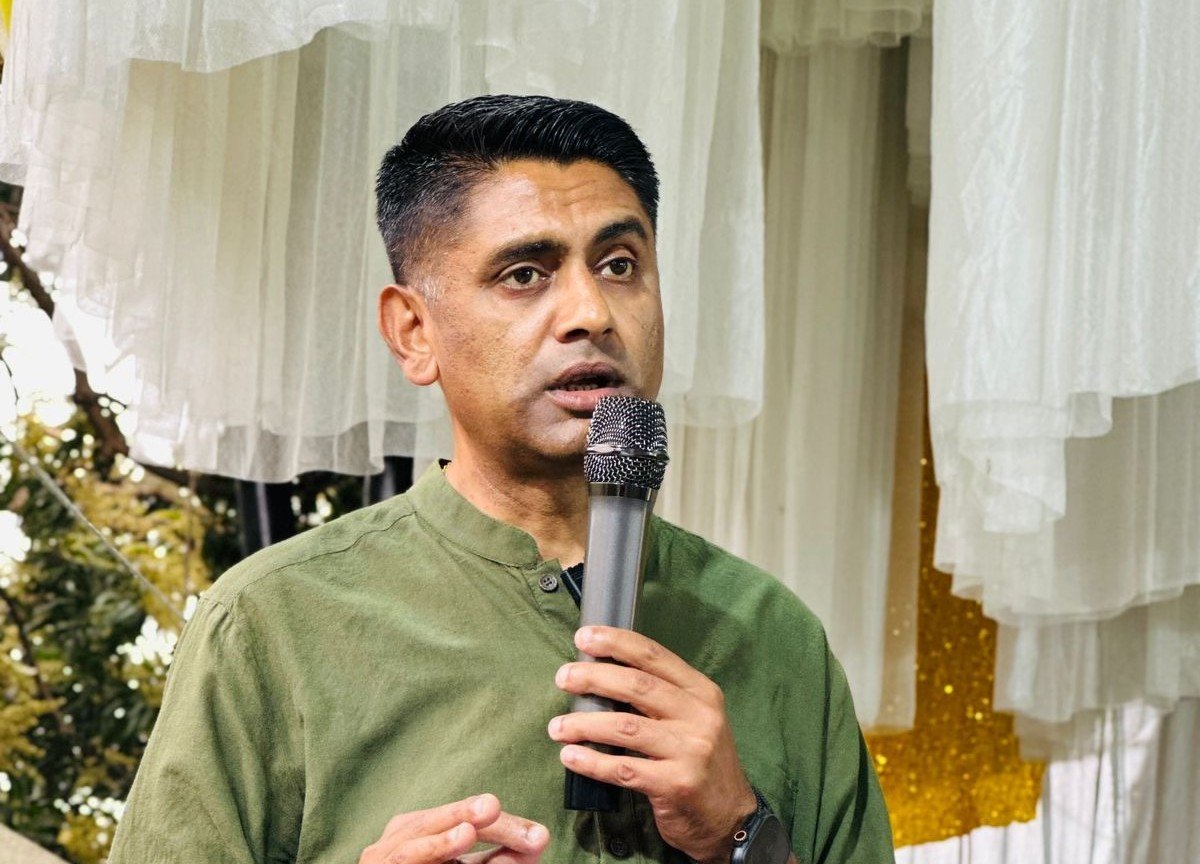
Musalman, who received the ticket from the center, was not recommended by the regional committee. Although the district and provincial levels advised the center to grant the ticket to Musalman, the center ignored the regional committee's recommendation.
"The Gen-Z movement of Bhadra 23 and 24 put forward the agenda that opportunities should be given to the youth, not the old. Good governance must be established, and corruption and mismanagement must end," said Sharma. "I was confident of getting the ticket because the regional committee recommended me as a new and popular candidate. However, the leadership did not deem me worthy."
Sharma considers his ability to challenge the established political structures and networks in Kapilvastu-1, a region long dominated by major political parties, as a political victory in itself.
_atnTZItT3t.jpg)
In this region, dominated by the UML, Congress, the then Maoist Center, and Madhes-based parties, it was difficult to surpass all their candidates. Sharma attributed his achievement to his long-term work in the area and his popularity among young voters.
"I have worked for the citizens of this region for a long time, and the result is that about 16,000 voters trusted me even when I ran as an independent after being denied a party ticket," Sharma said.
Sharma noted that he received strong support from young voters due to direct engagement, active social media presence, and prioritizing local issues during his campaign.
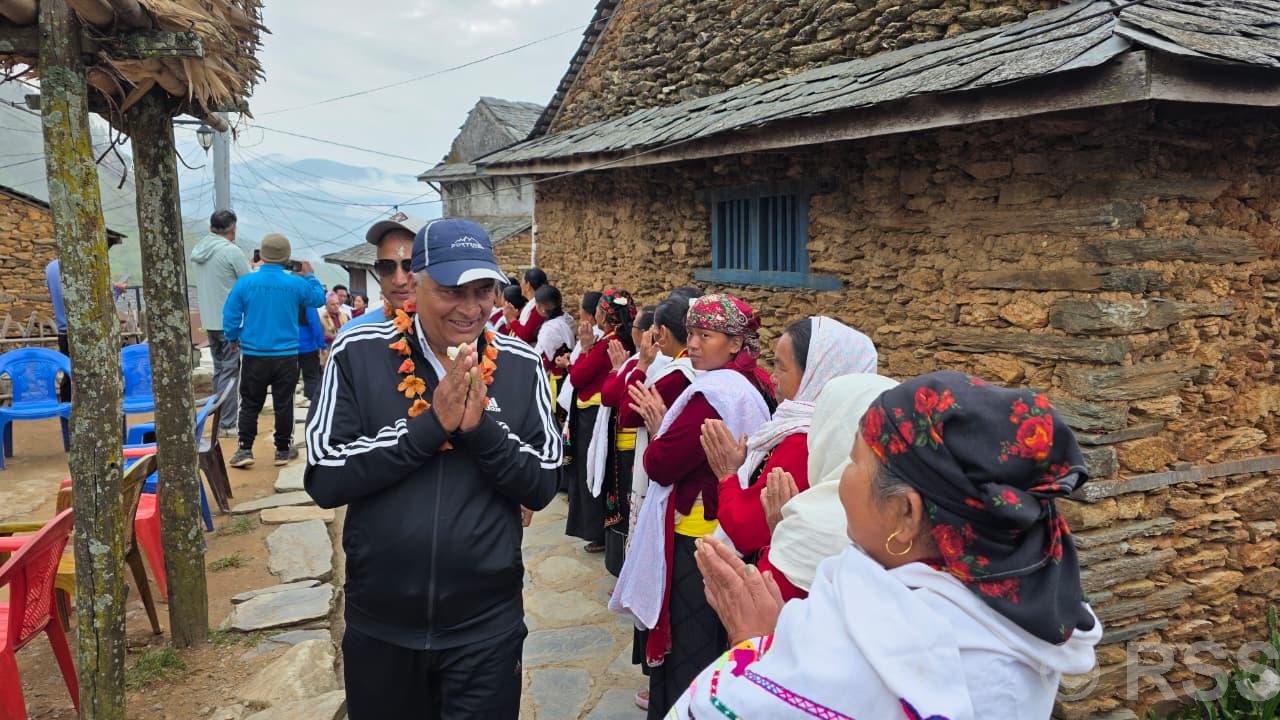
Despite losing the election, Sharma continues to visit households in Kapilvastu to thank voters and address their concerns. He stated that he will not forget those who voted for him and will remain by their side. "I will continue to work on solving the problems of the voters in the region," Sharma said during his visit to Kathmandu.
Sharma affirmed that he will not exit politics but has no immediate plans to join party politics. "I have no intention of returning to party politics immediately," he said. "I will continue to practice politics as an independent, remain among the people, and continue my social work."
This specific news has been automatically translated by AI. As a result, there may be some inaccuracies or language errors.

_sJDQmZrgcB.jpg)
_cvUCBlwFTZ.jpg)