Trump Administration Extends Waiver for Russian Oil Sales Amid Global Energy Concerns

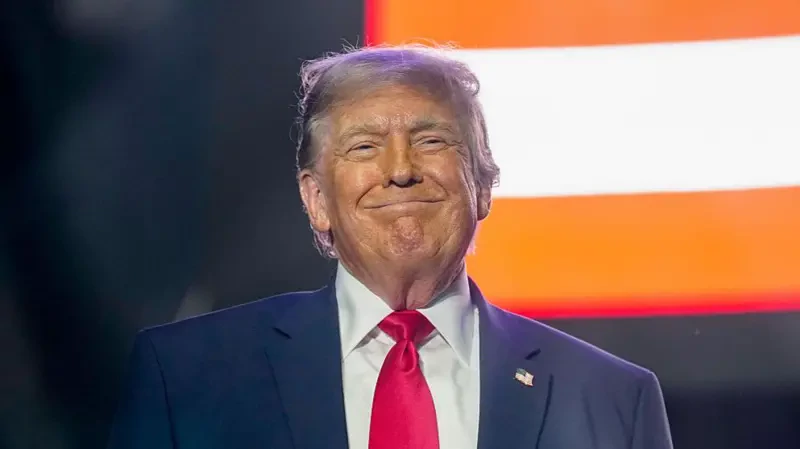
Kathmandu. The U.S. Trump administration decided on Friday to further extend a one-month waiver, allowing the sale of Russian oil and petroleum products currently at sea.
The license issued by the Treasury Department comes two days after Treasury Secretary Scott Bessent stated that Washington would not renew the waiver for the sale of Russian oil and petroleum products.
The latest decision by the U.S. administration permits the purchase of oil and petroleum products from Russia destined for other countries, provided they were loaded onto vessels by Friday.
This extends the previous U.S. decision to ease restrictions, which was initially set until April 11.
On Wednesday, Bessent told reporters that the United States would not extend such waivers for Russian or Iranian oil.
Both decisions were intended to mitigate global supply shocks resulting from the U.S.-Israel war against Iran.
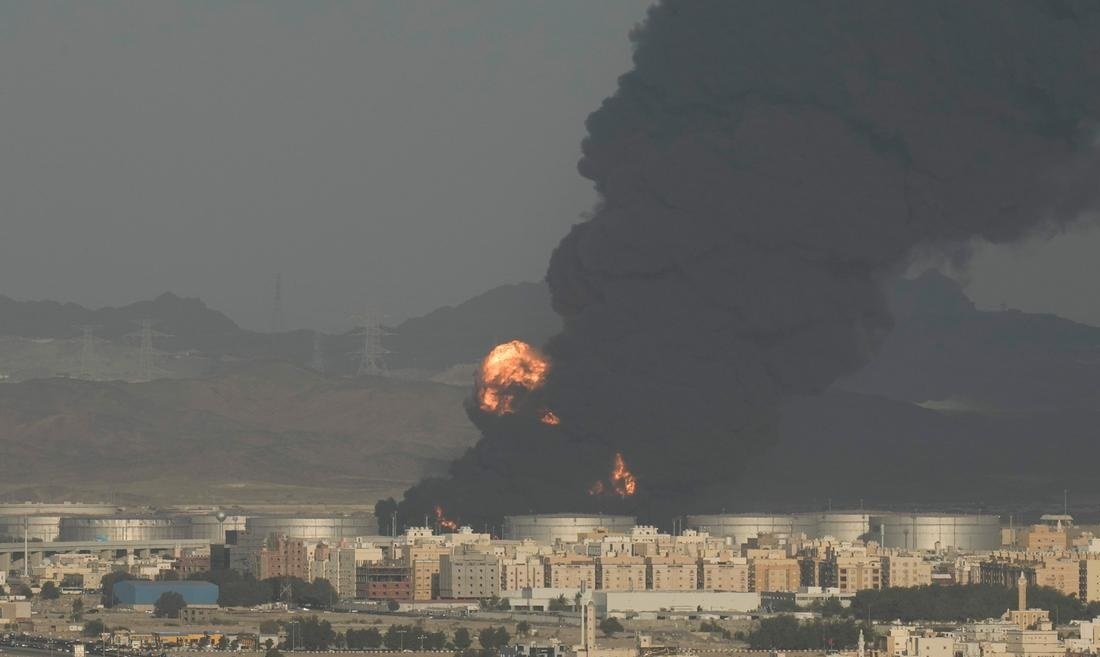
Tehran has been protesting the attacks by effectively closing the Strait of Hormuz, a key waterway for energy shipments, in retaliation.
Iran's tightening of traffic in the Strait of Hormuz has led to a global rise in oil prices, causing difficulties for countries that rely on energy exports from the region.
During this period, U.S. gasoline prices have also risen, impacting the lives of American citizens ahead of this year's major midterm elections.
Such waivers could complicate efforts to deprive Russia of the oil revenue needed for its war against Ukraine.
Opposing the current U.S. administration's decision, Democratic Senators Jeanne Shaheen, Chuck Schumer, and Elizabeth Warren issued a joint statement calling the move 'shameful'.
The U.S. lawmakers stated, "This decision is shameful and is a 100 percent reversal that comes just two days after Secretary Bessent committed that there would be no sanctions relief for Russia."
"Make no mistake, Putin has been one of the biggest beneficiaries of President Trump's war against Iran, as Russia saw its oil revenue nearly double in March," they added.
Following a meeting of G7 finance ministers in Washington this week, French Finance Minister Roland Lescure emphasized that 'Russia should not benefit from what is happening in Iran'.
Russia's invasion of Ukraine, which began in 2022, has become the deadliest conflict in Europe since World War II, while the U.S. and Israeli attacks on Iran have driven up global fuel prices.
This specific news has been automatically translated by AI. As a result, there may be some inaccuracies or language errors.