Julius Caesar: The Visionary Reformer and the Economic Transformation of Rome

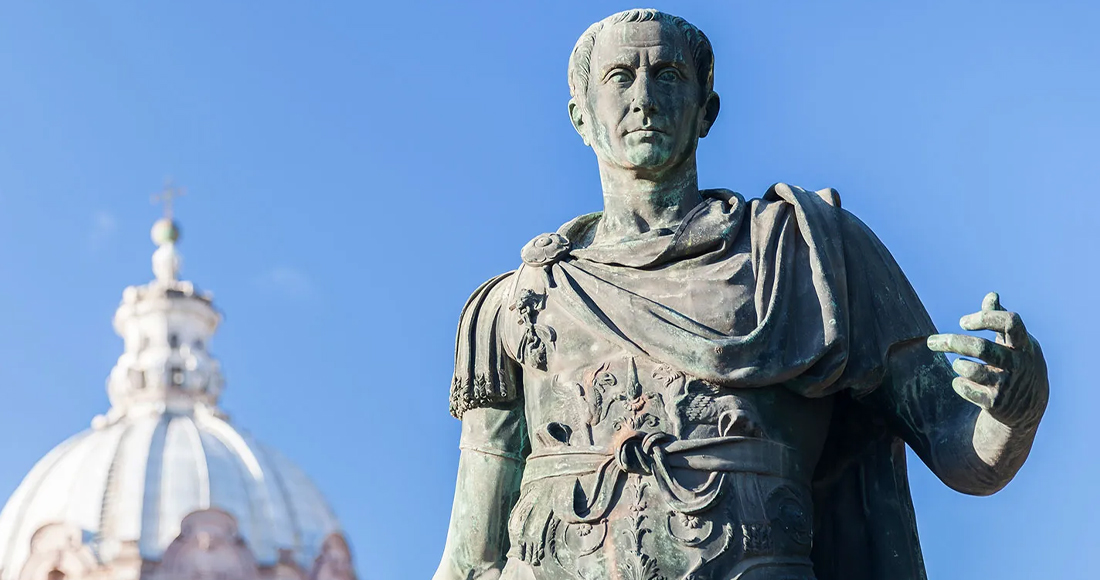
Born into a distinguished patrician family on 12 July 100 BC, Gaius Julius Caesar stands as one of the most influential military leaders, politicians, and diplomats of the Roman Republic. After beginning his career in the legal profession, he entered military service, where he proved his extraordinary talent. Between 59–52 BC, he led campaigns in Gaul (modern-day France and surrounding regions), annexing the territory into the Roman Empire. This established him as Rome's supreme military strategist.
It was not just this campaign, but the wealth and prestige he gained after the Gallic Wars that propelled his political dominance to unprecedented heights. In 48 BC, at the Battle of Pharsalus, he decisively defeated his former ally, Pompey the Great, becoming the sole dictator of Rome.
Subsequently, he expanded the borders of the Roman Empire by bringing Egypt (including Cleopatra), Pontus, and rulers of North Africa under his control. He initiated a revolutionary series of reforms, including the reform of the Julian calendar (solar calendar), the expansion of non-Roman representation in the Senate, and policies such as land distribution to citizens.
Through these reforms, he sought to centralize the Roman Empire and reduce social inequality. The blend of political foresight and military strategic capability made Caesar one of the most significant figures in Western history.
In September 45 BC, when Caesar returned to Italy victorious, he directly experienced the deep class contradictions of Roman society. Seeing the crowds of thousands of citizens displaced from their homes by moneylenders and the land-monopolizing wealthy class in streets and cities, Caesar clearly saw the inequality arising from the elite's control over the means of production and the exploitation of the common people's labor. This scene highlighted the extreme divide between rich and poor, the unilateral ownership of land, and the decline in the living standards of the working class in the economic structure of the Roman Republic.

While ordinary citizens were forced to rely on state relief in landless and debt-ridden conditions, a small number of elites maintained their dominance over property, land, and political rights. This increased social disintegration, despair, and dissatisfaction. The direct impact of this was not beyond Caesar's vision. This deep inequality Caesar witnessed was not just personal suffering; it was a structural disease of the entire society, pointing to the need for comprehensive reforms in the production and distribution system.
Such a situation forced Caesar to think in the direction of inclusive policies and structural reforms that would broaden access to the means of production, distribute land to the landless, and improve the living standards of the working class, and his response to these class contradictions became decisive in his leadership and historical role.
During that period, the Roman state had to distribute public grain to about 300,000 citizens daily, which was a sign of serious economic and social problems. When Julius Caesar returned to Italy in 45 BC, the root of the acute social inequality he saw lay in economic distortions such as land monopoly by the moneylender class and uncontrolled usury practices. The unchecked expansion of usury was pushing citizens into debt slavery and stripping them of their economic freedom. Consequently, the state was forced to distribute grain to ensure minimum subsistence.
For Caesar, this situation was a matter of grave concern. He believed it showed symptoms of a deep disease in Rome's social structure. For this reason, he proposed comprehensive reform programs such as land redistribution, debt-related reforms, and transparency in the tax system, which aimed to reduce socio-economic inequality and ensure the long-term stability of the state.
During that period of the Roman Empire, Jewish merchants were dominant. They provided loans at an exorbitant interest rate of 48 percent per year. The philosopher Lucius Annaeus Seneca, mentioning this in his work 'Superstition', wrote, 'Criminal tendencies are so widespread here that their influence is easily accepted throughout society. It seems that defeated or subject communities have influenced the victors according to their own rules or established new practices.' Seneca's observation points to the complex interconnection between high interest rates in the debt system, the normalization of criminal tendencies in social norms, and the cultural influence that defeated communities can exert even on the victors.
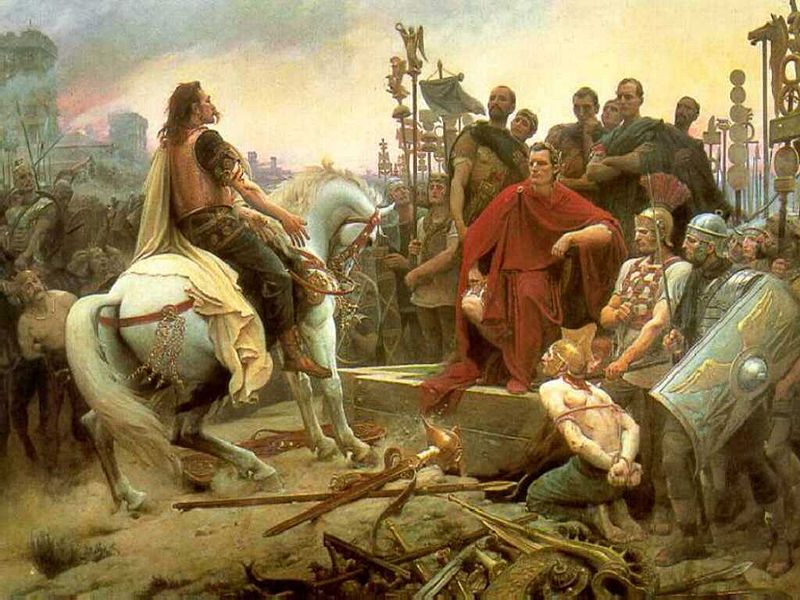
At that time, two major groups were active in Roman politics— 'Optimates', which focused on the interests of the elite, the Senate, and the wealthy, and 'Populares', which represented the common people. Julius Caesar, leading the 'Populares' group, played a political role in favor of the people.
Julius Caesar had a deep understanding of the economic problems caused by high interest rates and their solutions. He clearly understood that when money remains under the control of a specific class or group, it poses a threat of pushing the entire state into an economic crisis. In Caesar's view, currency was created by the state's legal system to serve the entire nation and maintain economic stability.
However, when capital goes into the hands of a limited group, it is used to artificially increase interest rates during times of crisis or to acquire property at cheap prices. This ensures that the state falls into deep instability. To achieve economic and social stability in Roman society, Julius Caesar implemented the following reforms:
1. Property Valuation Reform: Property values were determined based on the period before the Civil War (49–45 BC), which helped control the post-war economic chaos.
2. Rent Relief: Significant discounts were given on residential rents to reduce the economic burden on citizens.
3. Land Distribution: Arable land was distributed to poor citizens and former soldiers to facilitate their economic rehabilitation.
4. Free Housing Scheme: Free housing was provided to about 80,000 underprivileged families.
5. Military Salary Increase: The monthly salary of soldiers was increased from 123 denarii to 225 denarii, which increased loyalty and stability in the army.
6. Grain Distribution Regulation: Strict regulations were imposed on the free or subsidized grain distribution system to prevent misuse.
7. Provincial Suffrage: The process of granting voting rights to provincial communities was initiated to increase political inclusion.
8. Julian Calendar: A calendar based on the scientific basis of 365.25 days was implemented from January 1, 44 BC, establishing a system used until recent times.
Let us look at what Julius Caesar's monetary reforms were:
1. Reduction in State Debt: The level of state debt was immediately reduced by 25 percent, which helped stabilize the state's financial obligations.
2. Nationalization of Coinage: The authority and management of coin production were transferred from the elite class to the government. This helped implement fair monetary policy and reduce usurious exploitation.
3. Introduction of Base Metal Coins: Coins made of cheaper metals like copper were issued to facilitate commercial transactions, promoting the daily economic activities of common citizens.
4. Interest Rate Capping: Charging more than 1 percent interest per month was prohibited, which minimized the economic burden on borrowers.
5. Compound Interest Ban: Charging interest on interest was made illegal, and a legal provision was implemented to prevent the total interest amount from exceeding the principal.
6. Abolition of Debt Slavery: Slavery as a means of debt repayment was ended, which was a historic step toward social justice.
7. Capital Control of the Elite: The elite class was forced to engage in investment or production instead of hoarding capital, which increased capital flow in the economy.
These reforms hindered the traditional income sources of the elite and aristocratic classes, causing them to harbor intense hatred toward Caesar. In response, they conspired to assassinate Caesar, who was extremely popular among the masses.
On the morning of 15 March 44 BC, four years after taking power, Caesar arrived at the Senate building without security guards. He had decided to keep his military protectors outside, demonstrating complete trust in the Senate. However, contrary to his expectations, 60 conspirators surrounded him and stabbed him 23 times. As a result, he died.
- Golden Age (27 BC–476 AD)
After Caesar's death, during the reign of Augustus (Octavian) in 27 BC, the Roman Empire formally incorporated gold as the fundamental medium of the monetary system. Under Augustus's monetary reform, gold coins began to be issued regularly. This brought stability to the Roman economy and transparency to tax collection and military payments.
However, the use of gold coins was initially limited to times of crisis. An example of this is the Second Punic War (218–201 BC), when gold coins were issued as an emergency measure during the height of the war.
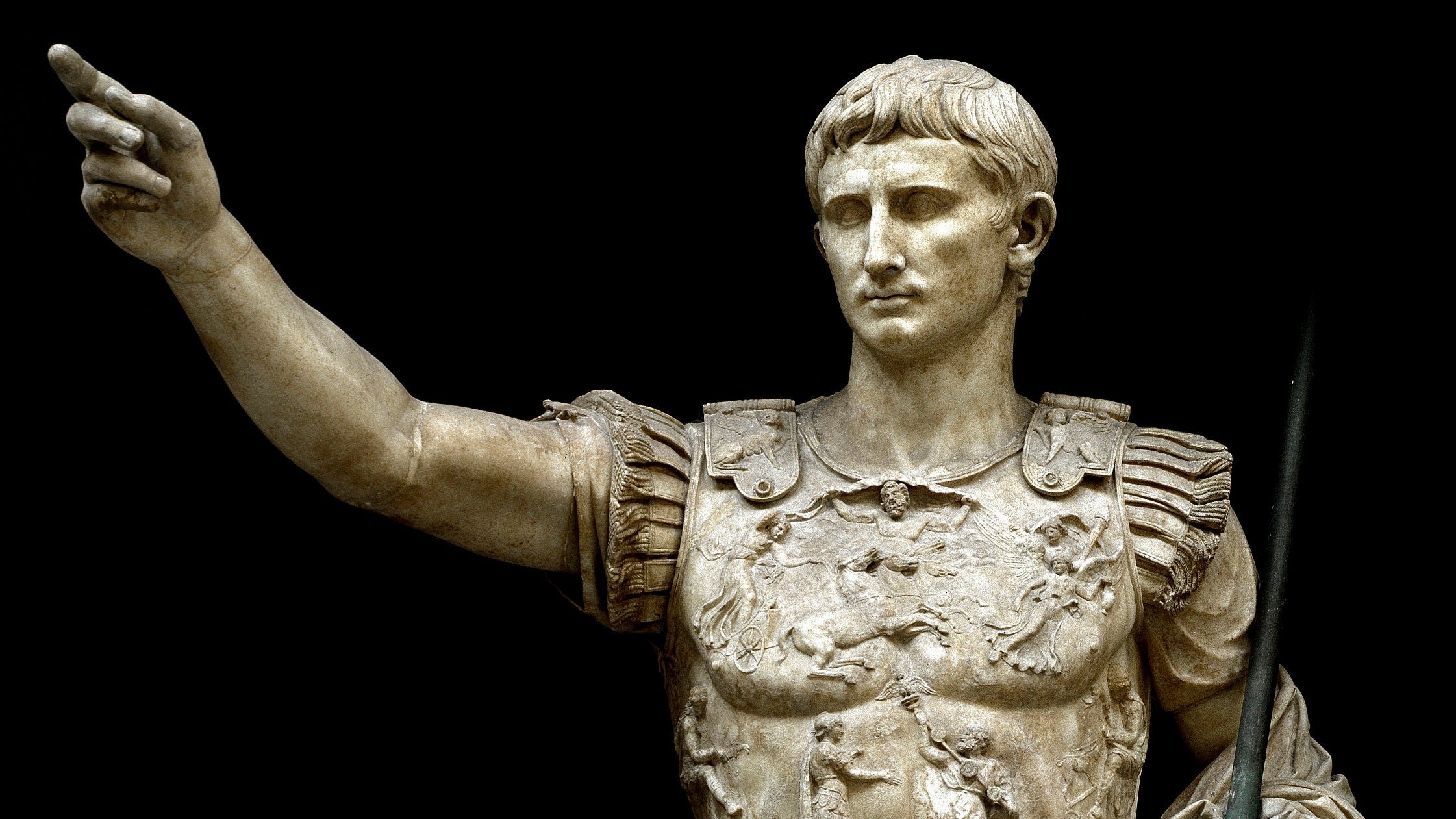
Similarly, during the reign of Lucius Cornelius Sulla (81 BC), it appears that gold coins were issued for constitutional reforms and the financial needs of the army.
Including gold in the monetary system on a regular basis improved immediate economic stability and military management. However, historians analyze that in the long term, it contributed to the fall of the Roman Empire by giving birth to inflation, metal shortages, and economic imbalances. Initially, gold coins were rare and issued only in special circumstances, but with the expansion of the empire, their use became widespread. This changed the very direction of Roman monetary history.
Since gold production in the European region was concentrated in remote geographical areas like Wales, Transylvania, and Spain, the Romans were forced to import large quantities of gold from the Eastern Mediterranean and Asian regions. This necessitated extensive and expensive military management to secure trade routes and manage military conflicts on the borders, which caused a dramatic increase in the economic burden of the empire.
When a sufficient amount of gold or currency was not available in the market, it created a situation of deflation. As a solution to this economic problem, in 13 BC, the value of gold coins was somewhat reduced and revalued. This played an important role in keeping the economy relatively stable until 310 AD. However, the continuous flow of gold and other precious metals toward eastern regions for the trade of luxury goods, religious pilgrimages, and interest payments caused long-term economic imbalances.
Within a century, about one-third of the coins in circulation were damaged due to wear and other reasons, leading to a significant decline in currency flow, which challenged overall economic stability. Since gold is a highly valuable metal, its value stability was protected by strict regulations. Emperor Constantine (275–337 AD) implemented strict legal provisions against currency fraud.
According to his orders, criminals who produced counterfeit gold coins were to be punished with death. Furthermore, money changers who were aware of such fraud but did not inform the authorities were immediately punished, which included being whipped and enslaved. These harsh policies played an important role in keeping the value of gold coins stable in the Roman Empire.
Initially, the weight of a gold coin was set at 70 grains. However, by 1025 AD, this weight had decreased to 68 grains.
Through the Edict of Milan issued in 313 AD, the Roman Empire granted formal permission to practice Christianity freely. Subsequently, in 380 AD, Emperor Theodosius I declared Christianity as the only official religion of the state. With this decision, control of monetary policy reached the hands of the supreme religious authority, the Pontifex Maximus.
During this period, social injustice appears to have spread widely, where especially the middle class suffered under an unbearable tax burden. Roman merchants began to prioritize looting over commercial activities, which deepened economic instability.
Due to insufficient production within the state, the Roman Empire was forced to rely on imports. With the centralization of currency, the wealthy class began to treat the common people like slaves. After the influence of the elite class increased excessively, they were able to adapt the justice system to their own interests. As a direct result, the self-respect and basic rights of common citizens in Roman society gradually eroded.
(Sunuwar is a researcher of South Asian Studies.)
This specific news has been automatically translated by AI. As a result, there may be some inaccuracies or language errors.