Strait of Hormuz trade plummets following Iranian military blockade

Tehran. Data from market analysis firm Kpler shows a significant decline in imports and exports through the 'Strait of Hormuz' in March, as Tehran tightened control over the vital waterway. Iran has emerged as the top exporter of goods passing through the strait.
Iran is typically the fifth-largest exporter of crude oil, petroleum products, liquefied natural gas (LNG), and dry bulk goods including fertilizers.
Exports from Saudi Arabia, the United Arab Emirates, Iraq, and Qatar through the strait fell by at least 96 percent in March compared to the previous 12-month average.
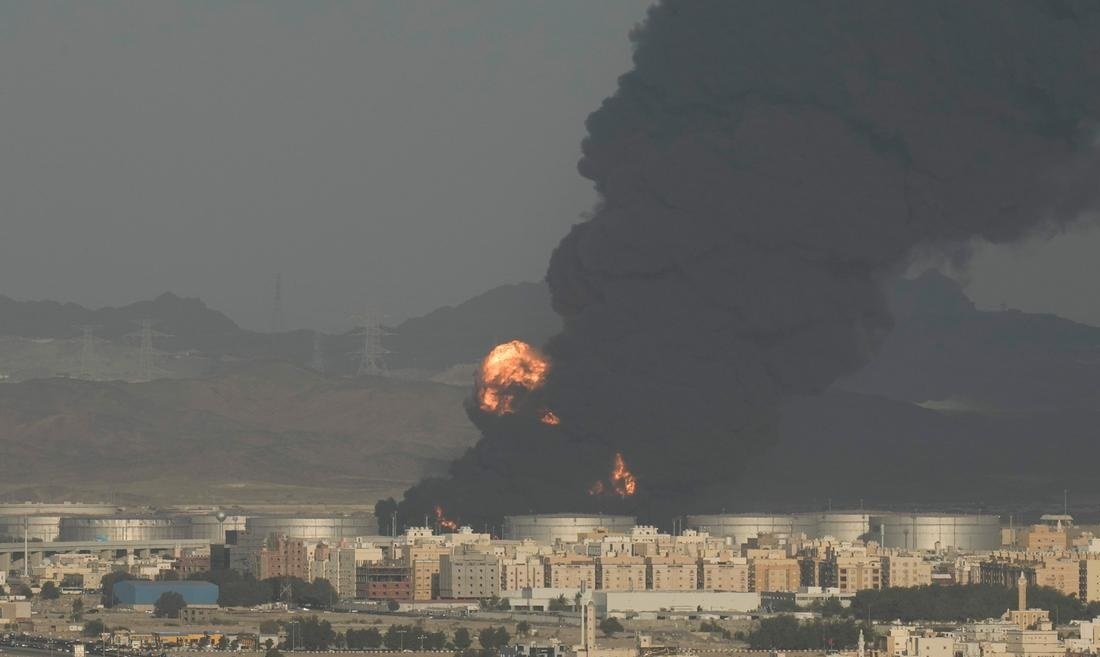
Data also shows a 26 percent decline in Iranian shipments. Following the U.S. and Israeli attack on Iran on February 28, Tehran's military blocked the Strait of Hormuz. Since then, Iran has only permitted a minimal number of vessels associated with other countries to pass.
Approximately 20 percent of the world's crude oil and LNG typically passes through the Strait of Hormuz, but Tehran's disruption of the route following the conflict has raised concerns about a global energy crisis. Asian countries, in particular, have been affected in recent weeks.
U.S. blockades on Iranian ports appear to have further impacted the movement of trade routes already stalled by the Iranian military in recent days.
Bahrain and Kuwait did not ship any goods through the Strait of Hormuz in March. Qatar, typically a major LNG supplier, exported only 45,000 tons of 'butane' and 'propane' through the strait in March, with no LNG shipments recorded.
Last month, Iran accounted for 81 percent of crude oil exports passing through the 'Strait of Hormuz,' compared to an average of 62 percent between March 2025 and February 2026.
This specific news has been automatically translated by AI. As a result, there may be some inaccuracies or language errors.