Cabinet Reshuffle in Gandaki Province Signals Stability for Chief Minister Pandey
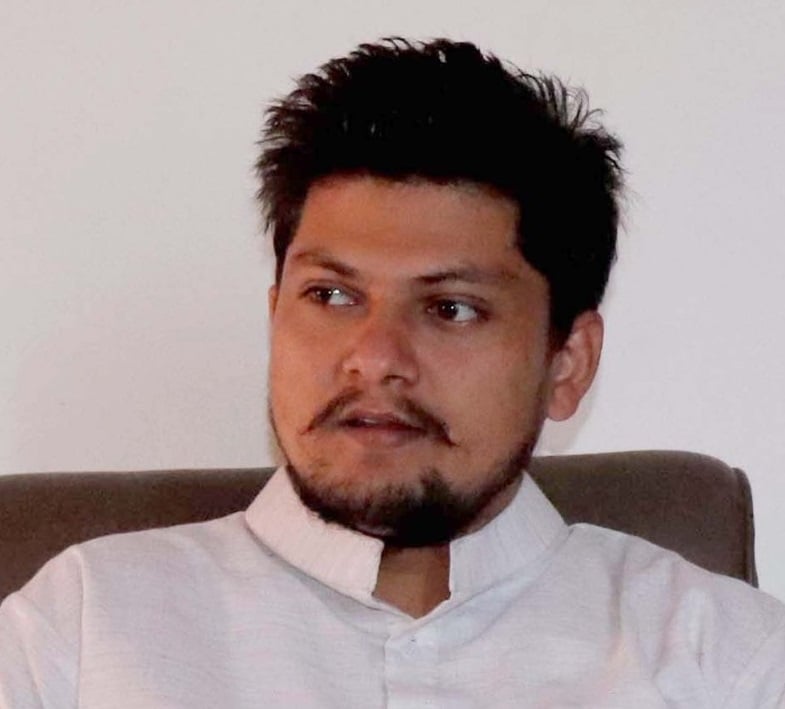

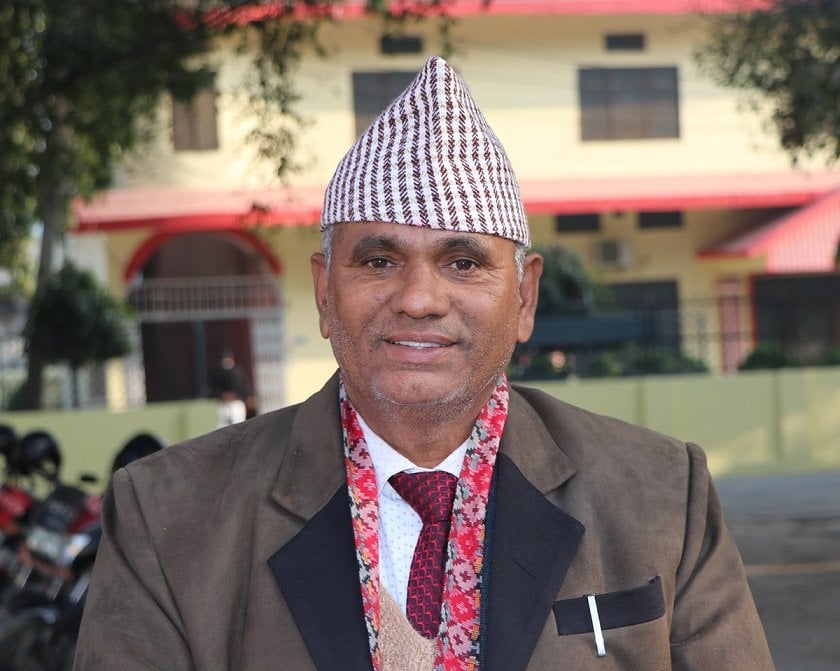
Pokhara. Following the collapse of the CPN (Maoist) coalition, CPN (UML) Chairman KP Sharma Oli became Prime Minister with the support of the Nepali Congress. This shift impacted all seven provinces. In Gandaki, Congress leader Surendra Raj Pandey became Chief Minister. Although there was an initial understanding for the Congress to lead for the first two years and the UML for the remaining eighteen months, the situation in Gandaki has taken a different turn.
While the federal government has changed following parliamentary dissolution and new elections, the provincial assembly remains intact. It now appears that Chief Minister Pandey will lead the government for the full term. Wednesday's cabinet expansion confirms this. Despite speculation that the CPN (UML) would claim the Chief Minister position after Ashar, the cabinet reorganization by Pandey is widely interpreted as a sign that the leadership will not change.
With less than three months remaining until Ashar, this reshuffle suggests that Chief Minister Pandey is secure for the remainder of the term. Many had anticipated that UML parliamentary party leader Khagaraj Adhikari would become Chief Minister in Ashar, accompanied by a change in ministers. However, with the reallocation of ministerial portfolios carried out with the consent of the UML, the chapter on leadership change is considered effectively closed.
It is reported that the decision to retain Pandey and provide the UML with a respectable presence in the government was reached to balance power dynamics following the shift in the federal coalition. Consequently, the immediate prospect of UML leader Adhikari becoming Chief Minister seems to have faded.
Looking at the regular term of the provincial assembly, elections are due in about a year and a half. However, if the federal government prepares to hold provincial elections alongside local level elections, the remaining tenure of the provincial assembly could be reduced to about one year.
The understanding to continue the current government may stem from the realization that changing leadership for such a short period would cause instability. 'The next year or year and a half will be an election year. In such a situation, parties have concluded that it is wiser to move forward with this government as an election government rather than inviting new disputes by changing the Chief Minister,' leaders stated. The Pandey government, formed after a Supreme Court mandate, has successfully navigated several political challenges.
Previously, UML leader Adhikari had claimed the Chief Minister position without a clear majority. Because the Province Head was from the UML, he was appointed, but the matter reached the court. After the court ruled that Adhikari's claim lacked a majority, Pandey became Chief Minister. On Wednesday, four ministers from the Congress and four from the UML were appointed, replacing all previous ministers.
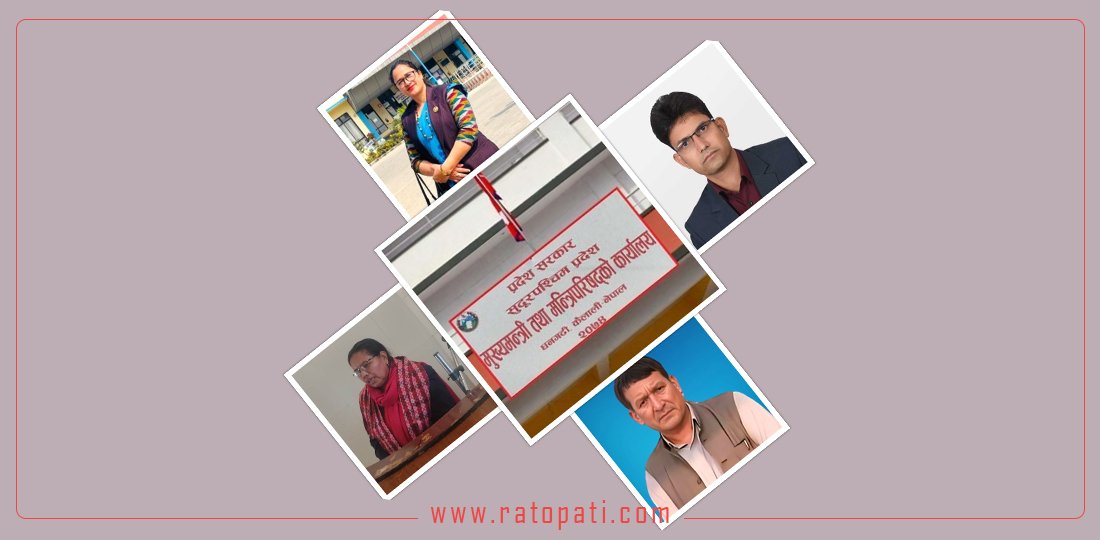
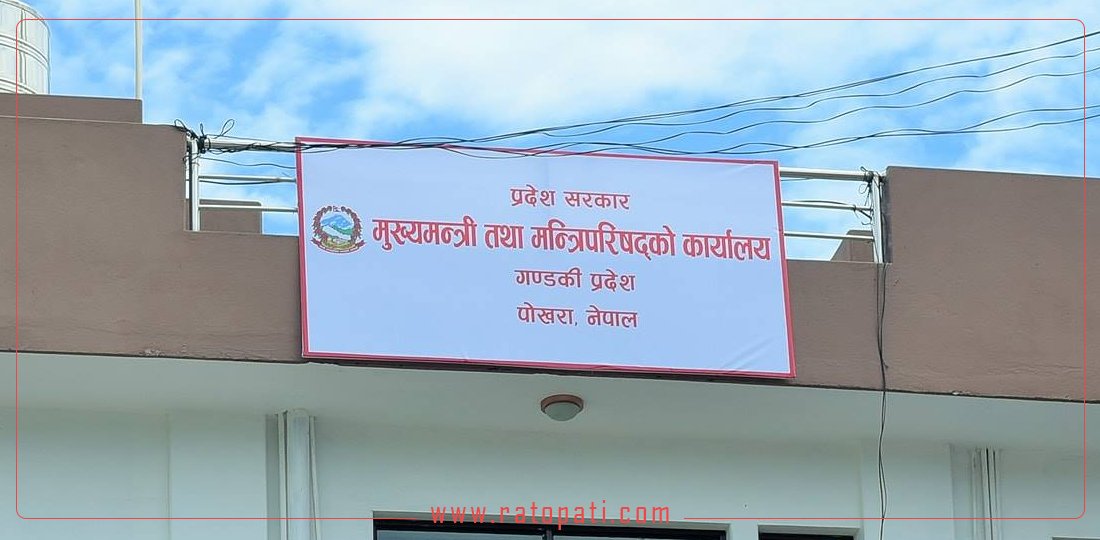
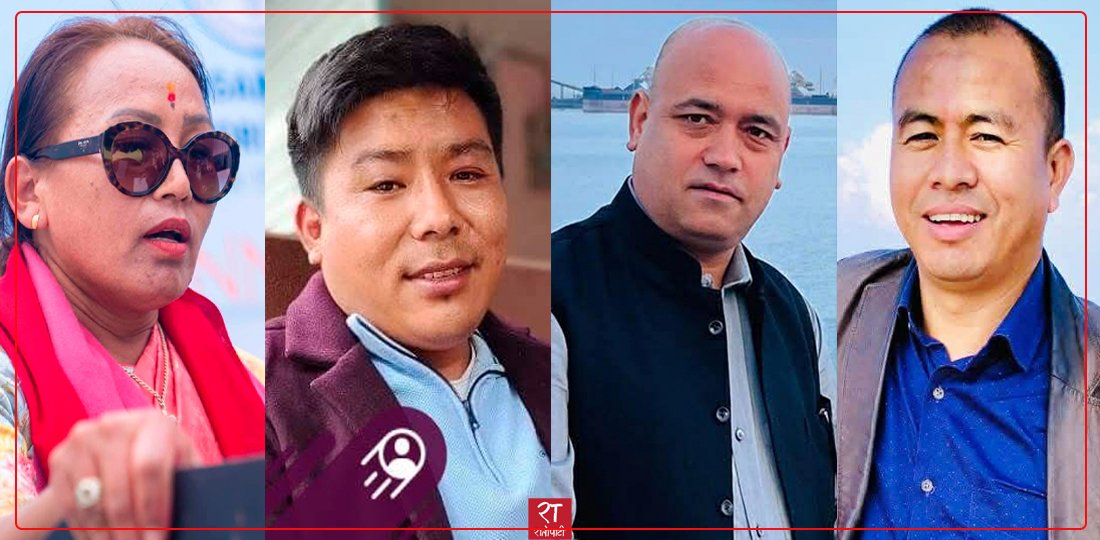
From the Congress, Nanda Prasad Neupane was appointed Minister of Energy, Water Resources and Drinking Water; Jit Sherchan as Finance Minister; Rekha Gurung as Minister of Social Development, Youth and Sports; and Namdu Gurung as Minister of Forest and Environment. From the UML, Govinda Bahadur Nepali was appointed Minister of Physical Infrastructure Development and Transport Management; Bhim Bahadur Karki as Minister of Agriculture, Land Management and Cooperatives; Yashoda Rimal as Minister of Industry and Tourism; and Laxman Bahadur Pandey as Health Minister. They were sworn in by Province Head Dilli Raj Bhatta on Wednesday.




This specific news has been automatically translated by AI. As a result, there may be some inaccuracies or language errors.