Year in Review: Nepal's Economic Landscape in 2082


Kathmandu. The year 2082 has bid us farewell. As this calendar, rooted in Eastern philosophy, turns—bringing a mix of joy and sorrow, anger and happiness, and fear and hope—the nation's economy has endured significant volatility.
To put it bluntly, 2082 was a year worth forgetting for almost every component of the economic sector. However, as the difficult political transition reached its conclusion, the foundations of these sectors remained intact. The country is now looking forward to 'retrofitting' the structures built upon this solid foundation.
Here, we discuss the state of the economic sector and glimpses of various events:
1. Historic Low in Inflation, but a Surge in Prices at the End
For the first 8-9 months of the year, consumers did not have to bear the brunt of high inflation. According to Nepal Rastra Bank data, the overall inflation rate dropped to 1.11 percent in Mangsir, the lowest in 25 years.

However, the situation changed in the final quarter of the year. The surge in petroleum prices in the international market due to the war in West Asia and the multifaceted impact of the election economy have burdened the public. The end of the year has dealt a major blow to low and lower-middle-income groups.
2. Deteriorating Business Environment Due to Attacks on the Commercial Sector
2082 became a year of fear for the private sector. Instead of ensuring the security of investments, there were incidents of physical attacks and vandalism against large business establishments in the name of the Gen-Z movement.
Incidents of vandalism at Bhatbhateni Supermarket, a synonym for Nepal's retail chain, physical structures of CG, and international chain businesses from Hilton to Hyatt created a state of great fear among entrepreneurs.
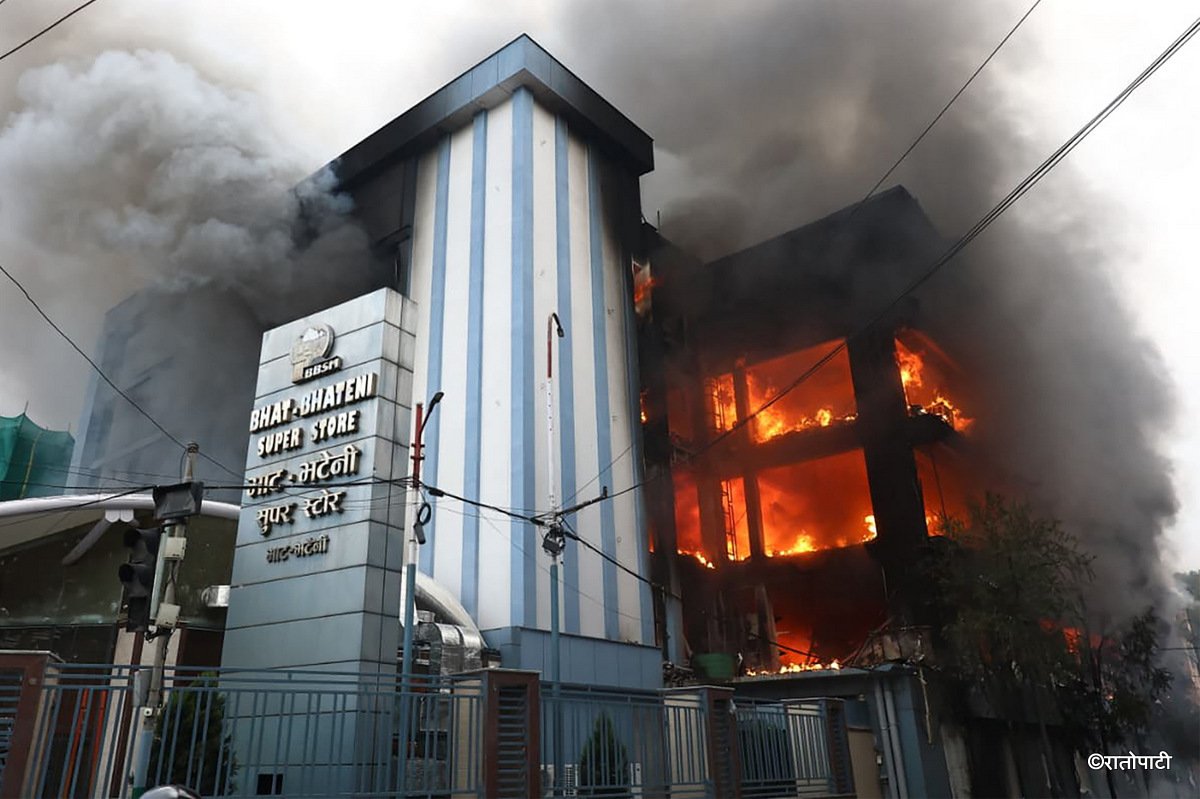
With the private sector becoming a target of mob rule, foreign investors were also seen hesitating this year. However, since the new elected government was formed on time through general elections and the transition period ended, the foundation of trust in the business sector remained unshaken. Entrepreneurs are now trying to dust themselves off and rise again.
- 3. Surplus Liquidity and Loans Not Wanted by the Private Sector
The banking system saw a surplus of liquidity throughout 2082. Even when banks lowered interest rates to single digits, no one came forward to take private loans.

With old borrowers unable to pay principal and interest, and credit not being recovered in the market, the size of bad loans reached a high level. Due to uncertainty about the future, entrepreneurs did not seem enthusiastic about making new investments. Even though the government and the central bank showed policy flexibility, a lack of confidence remained the main problem in the financial sector this year.
4. Strong External Sector, Drought in Internal Demand
Nepal's external sector appeared very strong in 2082. Due to the increase in remittance inflows and the contraction in internal demand, foreign exchange reserves reached an all-time high in Nepal's history. Having enough foreign exchange reserves to cover 18-20 months of imports of goods and services was a positive aspect.
However, the reality behind this pleasant aspect was that the country's internal demand was extremely weak. The decline in the import of industrial raw materials and machinery signaled a slowdown in the country's internal production cycle.
5. Double Blow to the Tourism Sector
The tourism sector could not make the expected leap in 2082. There are two main reasons for this—firstly internal and secondly external.

First, due to the Gen-Z movement in the last week of Bhadra, a tragic atmosphere in the country sent a negative message about Nepal worldwide. India even issued a travel advisory asking people not to visit Nepal, which strongly conveyed the message that 'Nepal is not safe'.
Second, the war in West Asia caused problems in tourist arrivals during Nepal's main tourist season. The halt of tourists from war-torn countries, the stopping of transit tourists, and high airfares due to petroleum prices also 'hit' this sector. This led to a significant decline in the number of long-staying and high-spending tourists.
This year, the police started an investigation into the old fake rescue case. This has started an effort to erase the negative image of Nepal internationally regarding tourism.
6. Hurdles in PPA and IGIN in the Energy Sector
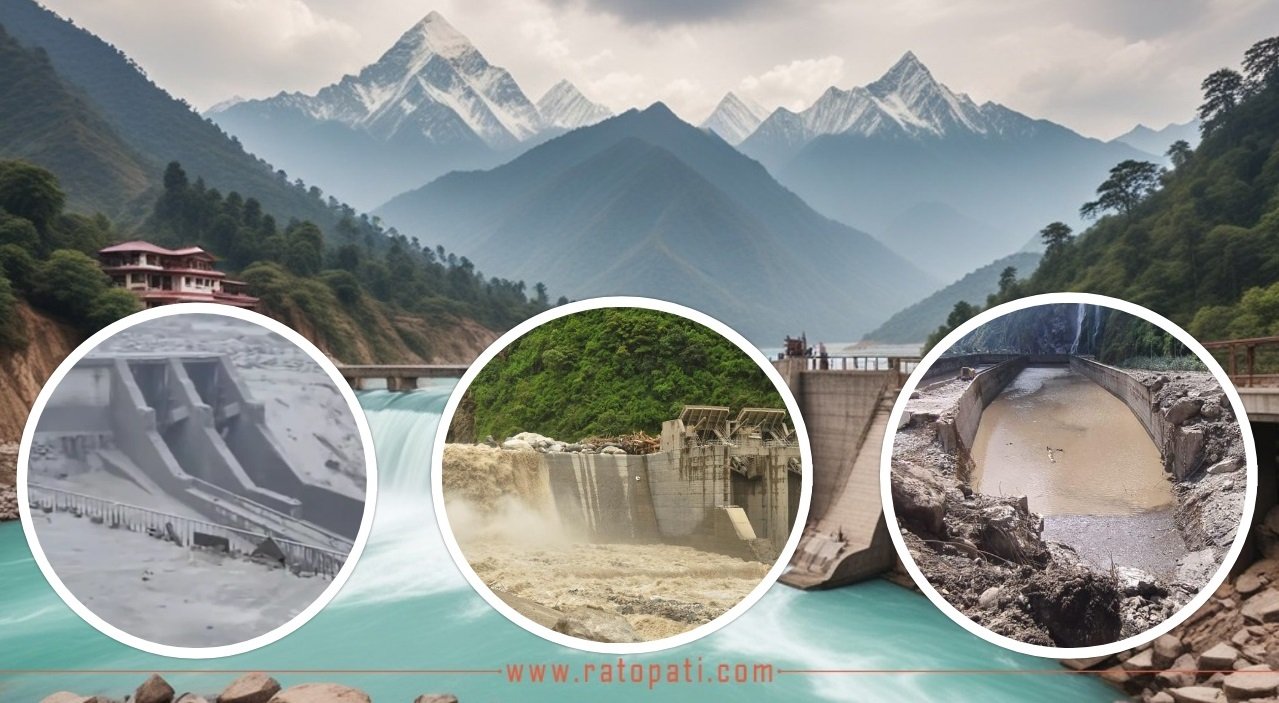
The year 2082 remained normal for the energy sector. The country, which had been in an energy crisis for a long time, appeared in a relatively comfortable state this year, and electricity was traded with India and Bangladesh during the rainy season.
However, the dispute over arrears in the energy sector was not resolved this year either. Instead, the sector was agitated by the 'take-or-pay' policy adopted in power purchase agreements and the dual IGIN dispute seen in hydro companies.
7. Unresolved Problems of Cooperatives
The year 2082 could not provide relief to the problems of the cooperative sector. The number of cooperatives unable to return the savings of the public, collected over years, continued to increase this year.

According to the report of the parliamentary investigation committee, although various structures were formed, those structures could not work; instead, confusion was created regarding jurisdiction and authority. Affected savers could not even get a guarantee of the return of their savings this year.
On the other hand, the government could not bring a clear blueprint for the operation of problematic cooperatives. Although the new government said it would return savings within 100 days, it does not seem possible due to resource management issues.
8. Termination of Contracts and Freezing of Budget in Development Construction
In terms of infrastructure development, 2082 remained very slow. The interim government formed after the movement kept breaking sick contracts of large projects, which led to a halt in capital expenditure.
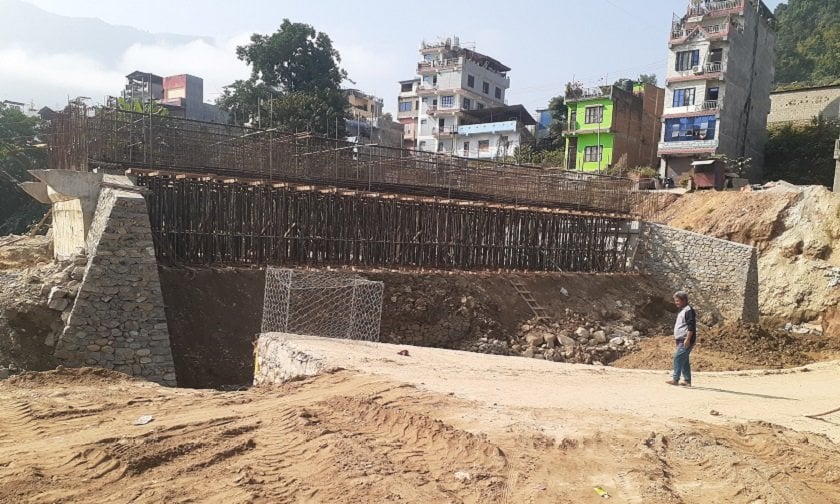
On the other hand, when the government froze the budget, claiming to raise election expenses and maintain austerity, even small projects could not be contracted. This created a situation where new work could not even start. The government's move affected everything from national pride projects to small and medium projects. This further increased the disappointing state of capital budget expenditure.
9. Continuation of Problems in Health Insurance
The quality of health insurance services, which the government announced to extend to all 77 districts and all local levels, did not improve this year either. The problem of citizens who have insurance not getting medicine and doctors in government hospitals remained.
Government hospitals even stopped services, claiming they did not receive payments. Health insurance, considered social security in the health sector, shrank further. As a result, the compulsion for the public to spend from their own pockets remained.
10. Signs of Improvement in Real Estate Slump, Landless Problem Remains
Efforts to rise from the stagnation of the real estate sector, which is the main means of wealth accumulation in the country, were seen in 2082. Real estate transactions, which were almost at a standstill, have reached an improving state from this year.
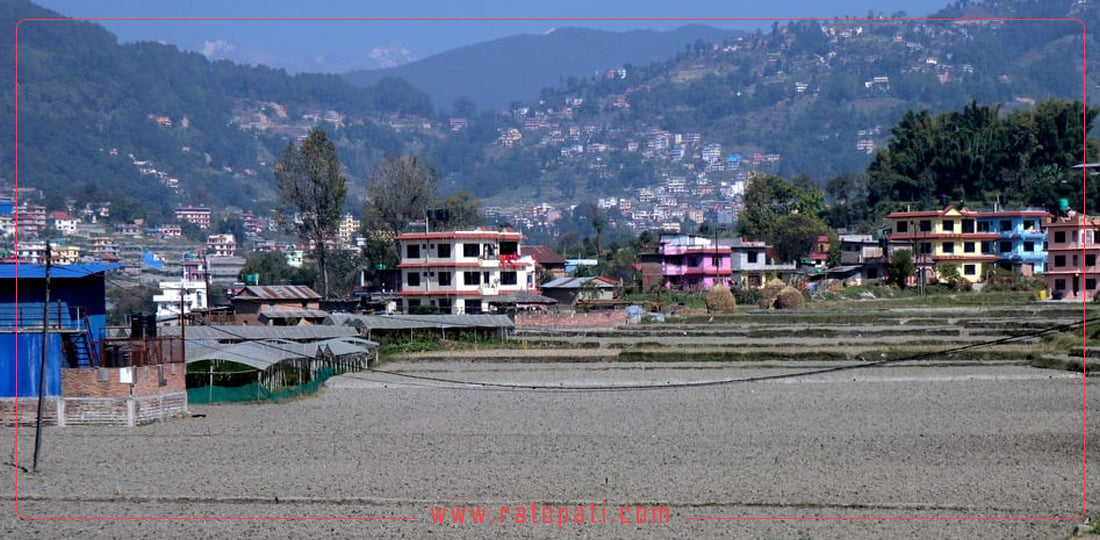
However, the problem of more than 1.2 million landless and unmanaged settlers remained unresolved this year. The Land Commission, which the government dissolved, was reinstated following a court order, but it could not work. On the other hand, there was not much progress in the implementation of land classification and land-use policies.
11. Breakthrough in Cross-Border Investment from the Tech Sector
In the field of technology and information technology, 2082 gave some signs of hope. The government opened legal paths to some extent for Nepali IT companies to invest abroad and expand branches. As a result, Nepali software companies got a basis to compete in the global market.
The debate on making Nepal an IT hub started moving towards fruition. This increased the attraction of young entrepreneurs towards IT startups. This sector has shown signs of becoming a strong basis for earning foreign currency.
This year, the government started some technology-friendly services. From a new valuation system in customs to the ability to obtain PAN cards and tax clearance online, it has started this. The announcement by the latest government to expand services available through the Nagarik App indicates that the government's steps towards digital governance are moving forward.
12. Volatile Stock Market Amidst Political Transition
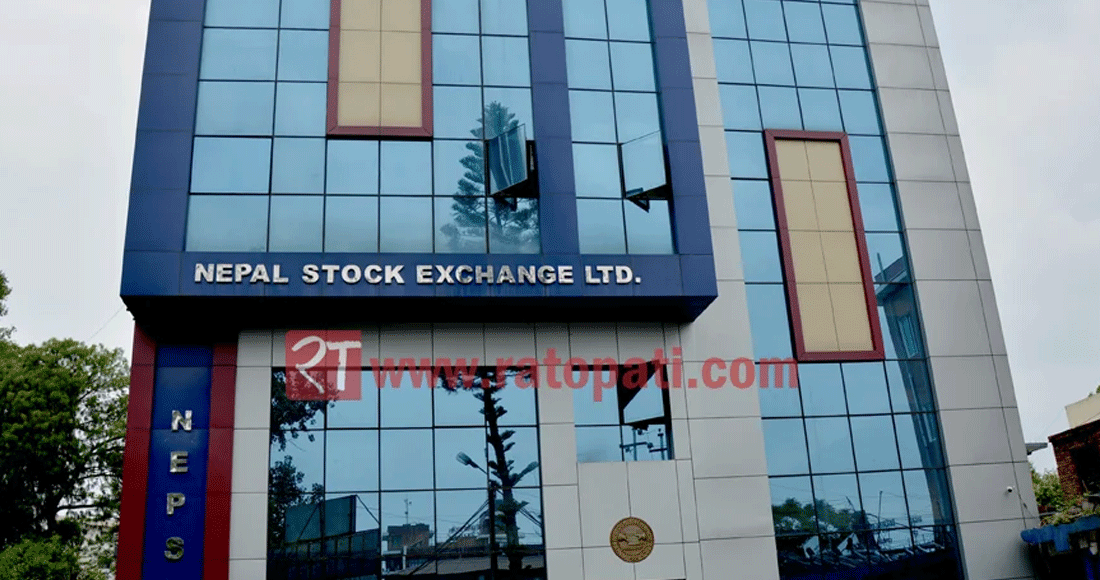
The stock market appeared volatile for most of the year. Due to political transition, the impact of monetary policy, and the game of liquidity and interest rates, investors were sometimes excited and sometimes disappointed.
Without policy stability, the capital market could not take a permanent direction. Investors were always terrified by the changes in economic policies brought about by government changes and leadership shifts.
13. Unresolved Problems from Grey List to Safety List
Nepal's tarnished image internationally could not be improved this year either. In particular, the stain of the 'grey list' of the Financial Action Task Force (FATF), an international organization related to money laundering, could not be erased this year.
On the other hand, the 'safety list' tag hung by the European Union on aviation safety did not go away this year either. This situation has strongly conveyed the message that the Nepali sky is still not safe.
However, at the last moment, action has been taken on this. The process of action and prosecution for money laundering, which is the standard for removal from the FATF list, has moved forward. This year has advanced the investigation process against large business houses and political figures who have influence in the state mechanism.
This specific news has been automatically translated by AI. As a result, there may be some inaccuracies or language errors.


_jxKX1kXOlf.jpg)