Sudurpashchim Celebrates Bisu Festival with Traditional Fervor

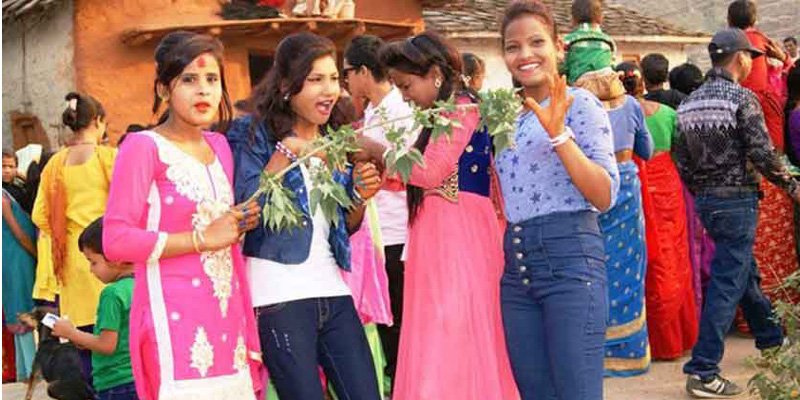
Dhangadhi. The Bisu festival is being celebrated with great enthusiasm across the Sudurpashchim Province on the first day of the New Year. As a unique and significant festival for the people of Sudurpashchim, Bisu has brought a special vibrancy to both the Terai and hilly districts.
The Bisu festival is celebrated with as much importance in this region as Dashain and Tihar. There is a tradition that relatives living within the country or abroad for employment, studies, or other reasons must return home on this day. This has created an atmosphere of family reunions and social harmony in the villages. According to local resident Bhuwaneshwari Dhami from Bajhang, the main attractions of this festival include wearing new clothes, meeting relatives, and sharing the joys and sorrows of the year while enjoying delicious food.
The most important aspect of the Bisu festival is considered to be the morning bath. There is a popular belief that bathing during the Brahma Muhurta (early morning) purifies the body and prevents diseases throughout the year. "There is also a religious belief that if one does not bathe on this day, they will be 'poisoned'," said Dhami. After the bath, it is customary to worship family deities and receive tika and blessings from elders.
During this festival, traditional Sudurpashchim delicacies fill the kitchens. It is customary to prepare and collectively consume local dishes such as meat, malpua, kheer, laun puri, batuk, and mana in every household. Women are seen busy preparing these dishes and decorating their homes from early in the morning.
Another interesting and fun aspect of the Bisu festival is the tradition of 'applying stinging nettle' (sisno). The custom of brothers-in-law and sisters-in-law playfully applying stinging nettle to each other makes this festival even more special. It is also believed that applying stinging nettle in this way cures bodily ailments. As a link of religious faith, family affection, and social unity, the Bisu festival keeps the cultural identity of Sudurpashchim alive.
This specific news has been automatically translated by AI. As a result, there may be some inaccuracies or language errors.