Artists' Hopes: A New Era for Nepal's Creative Sector

Kathmandu. 'Who will understand our problems? Neither have artists reached the highest positions of the state, nor is there anyone to listen to their grievances.' This common complaint, often voiced by stalwarts of the Nepali art scene until recently, has now become history.
The wheel of time has turned to a point where artists who once energized streets and stages are now managing the core centers of national policy-making.
For the first time in Nepal's history, a historic coincidence has occurred where the country's executive head (Prime Minister) is rapper Balen Shah, and the Home Minister responsible for law and order is DJ Sudan Gurung. This is also a major opportunity for the Nepali art sector.

Currently, the reach of artists is not limited to the Prime Minister and Home Minister. Film director Asim Shah is the political advisor to the Prime Minister, while media personality and ghazal enthusiast Dr. Bikram Timilsina has become the Minister of Communications.
There is a significant presence of artists within the Rastriya Swatantra Party (RSP): actress Reecha Sharma, singer Ramesh Prasai, and Miss Nepal Anushka Shrestha are members of parliament. Influential artists like singer Prakash Saput are also close to the government. Consequently, a different kind of shine and enthusiasm is visible in the overall art sector, including film, music, theater, and fine arts.
Although the art sector is not directly covered in the government's hundred-point priorities, stakeholders are optimistic that since people from their own field are in power, the issues of the art sector will no longer be sidelined. From the revision of the Film Act, transparent distribution of royalties, social security for artists, and professionalization of theater to facilitating the international market for fine arts, there are many expectations from this government.
Dream of an Industry in the Film Sector
The Film Development Board recently released its annual report (Summary 2082). According to it, 230 new films have received production permits, and 56 Nepali films have been released. The commercial data of the released films exceeds 1.08 billion 38 million. Billions in investment have been announced from the 230 films that received production permits.
Data shows that the Nepali film sector, which has crossed six decades, attracts billions in annual investment and generates equivalent business transactions. However, the Nepali film sector has not yet received the recognition of an 'industry' that it has long demanded from the state. Artists, producers, and directors all have one expectation from this government: that the film sector receives the recognition of an 'industry'.
Mohan Niraula, President of the Film Artists Association and a senior artist, says the Balen government is a ray of hope for artists. He is optimistic that since people from the art sector are now in positions to fulfill demands, the artists' requests will be met this time.
'We do not have very big expectations right now, just an environment that makes this sector dignified and self-reliant,' says Niraula. 'For that, the old 2026 Act cannot address the current digital age. First and foremost, the old Film Act (of 2026) must be amended immediately.' Stating that our small market is being suppressed by unhealthy competition with foreign films, Niraula emphasizes a policy where the state protects domestic films and tightens regulations on foreign ones.
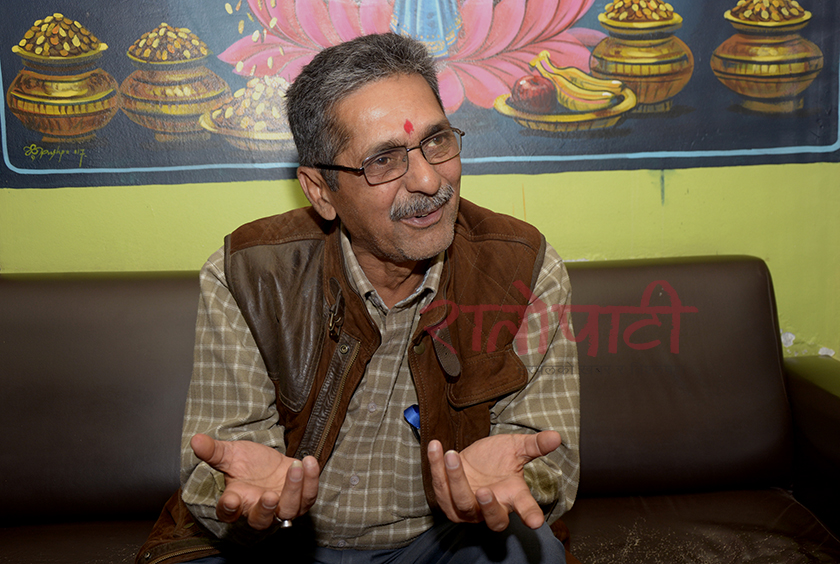
'There should be a provision for a special pension or allowance to end the situation where artists have to beg after aging or when their bodies can no longer support them,' adds Niraula. 'We artists are ready to pay taxes to the state according to the rules as long as we earn; the state should create a system for that. But the state must also work to ensure our old age is secure.'
Young actress Laxmi Bardewa agrees with Mohan Niraula's view on the industry. In her view, the Nepali film sector is still sustained only by individual efforts.
_gMyyfGIQfb.jpg)
'Someone becomes a producer, makes a film, and disappears. A strong policy is needed to institutionalize this,' says Bardewa. 'As long as the film sector is not officially declared an industry, the future of the laborers within it will not be secure.'
Her view is that once the film sector is declared an industry, a main policy will be formed to move it forward, which will cover many things, including the rights and welfare of the artists working in this sector and the security of their old age.
'There is a person who understands art at the helm of the country now, so I am confident that a written statute will be formed and we will not have to feel insecure,' adds Laxmi.
Nawal Khadka, President of the Film Producers Association, points out the need for a professional policy for the film sector. Khadka's view is that everyone expects concrete work to be seen in the overall film sector from the current government.
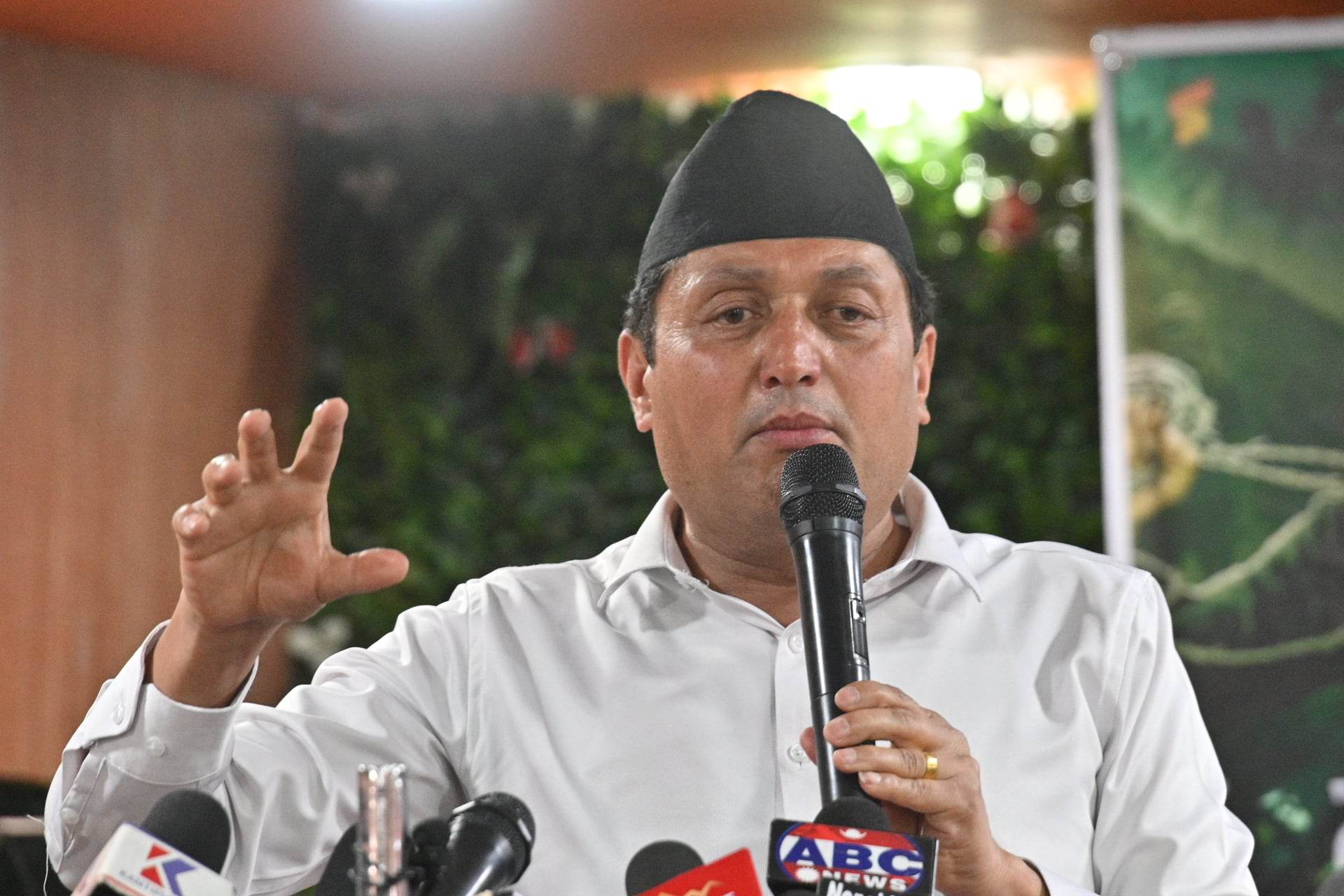
'First of all, there is a need to strengthen the Nepali film sector policy-wise. The main challenge right now is the increasing interference of foreign films. My clear demand is to implement a quota system like in China to minimize this,' said Khadka. 'This will help preserve the market and originality of Nepali cinema.' Khadka says the government should provide subsidies to make the film production process investment-friendly.
'It is necessary to introduce facilities such as providing easy loans to domestic producers from banks and offering interest rate discounts,' Khadka adds. 'Most importantly, the Nepali film sector has not yet been fully recognized as an industry. Therefore, establishing it as an industry through policy should be a priority.'
Theater Sector Says, 'Proper Valuation of Labor'
Theater, or the dramatic arts, is considered even more neglected and struggling than film. This sector is one where there is a lot of hard work but little income. The lives of many artists in this sector are spent in struggle. Rajendra Rimal, President of the Theater Artists Federation of Nepal, sees a flaw in the state's perspective for this. He accuses the government of always viewing creative criticism as 'opposition' and maintaining a distance from artists.
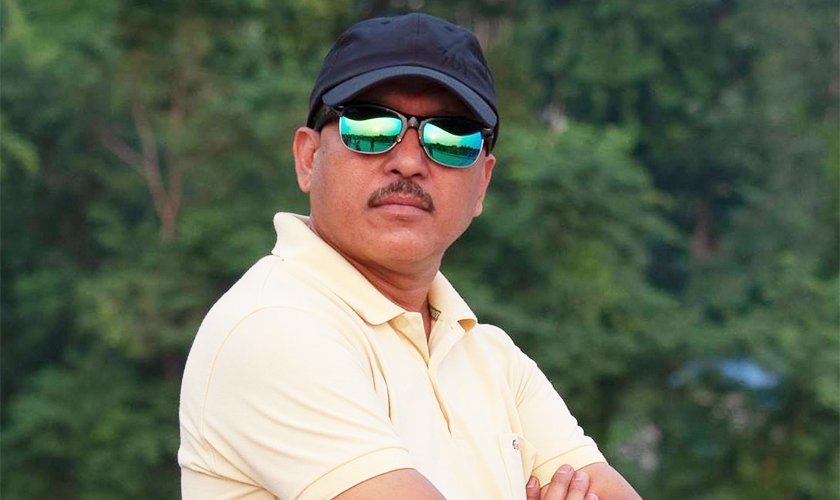
'There is a slogan of change now. If we are to truly change, we must first change the state's perspective on art,' says Rimal. 'Rules and laws that encourage and inspire artists must be introduced.' Rimal suggests that places like the Pragya Pratisthan and the Cultural Corporation should have art experts rather than political figures.
'Appointments at the Nepal Music and Drama Academy are always controversial and end up in legal disputes. This means there is a flaw somewhere in our law,' he adds. 'Our expectation from the current government is to correct that legal flaw and make the appointment process politics-free and fully professional.'
Theater artist JB DC, who has been active in theater for three decades, holds a different view than Rajendra Rimal. He is even hurt by the fact that artists are called the 'jewels' of the country. He says, 'Jewels are objects to be worn when one feels like it and stored in a cupboard when not. Therefore, there is a need for a policy that considers artists as laborers, not jewels,' says DC.
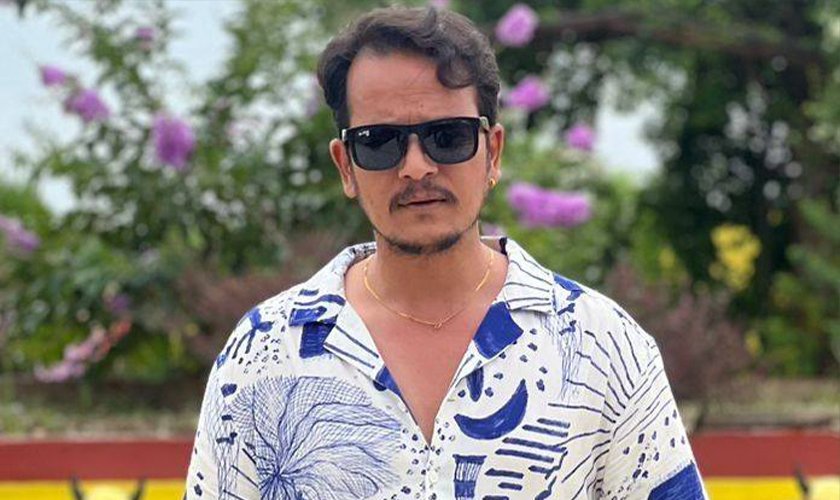
'Many artists are migrating because they cannot make a living working in theater. Therefore, the state should set a minimum wage for plays and introduce a clear theater policy,' says DC. 'It has been 15 years since the Music and Drama Academy was established, but it has yet to provide a concrete policy.' He is optimistic that this new government will take the responsibility of removing this duality and ambiguity.
Expectations of Music: Royalty and Originality
The music sector is also still in chaos. Thousands of new creations enter every year. While it brings millions of rupees into Nepal through digital platforms and generates economic transactions worth crores through fairs and festivals, the state has no clear policy to look at this sector. The music sector expects a transformation from the current government and is also optimistic that many things, including international market policy for music and organized royalties, will be done.

Rita Thapa Magar, President of the National Folk and Duet Song Foundation, also agrees with the above points. Thapa Magar expects a golden age for music now that a person from her own field has reached the leadership.
'Our biggest headache right now is 'royalty'. The distribution system is not organized,' says Thapa Magar. 'Due to political instability, we are tired of explaining the problems to every new minister.' She expressed her desire for a development board for music to be formed, consisting of experts.
'A sensor or monitoring system is needed to control the indiscipline and vulgarity seen in fairs and festivals,' she added. 'There is also a desire for the state to work on health insurance and employment security for artists.'
Like singer Rita Thapa Magar, famous singer Shiva Pariyar says that policy clarity is needed to make the music sector cultured. He says that since Communications Minister Dr. Bikram Timilsina is a person who understands ghazals and communication himself, musicians have high hopes for him.
_igj34ieF0n.jpg)
'We need international-level copyright laws. The government must strictly monitor to resolve the dispute between public royalty and master royalty,' added Pariyar. 'National-level cultural exchange programs are also necessary to take Nepali music to the global market.' He believes that some initiatives should also be taken to monitor and control music that leads society toward distortion.
Another famous singer, Melina Rai, emphasizes the need to introduce some policies and rules to ensure the future of artists.
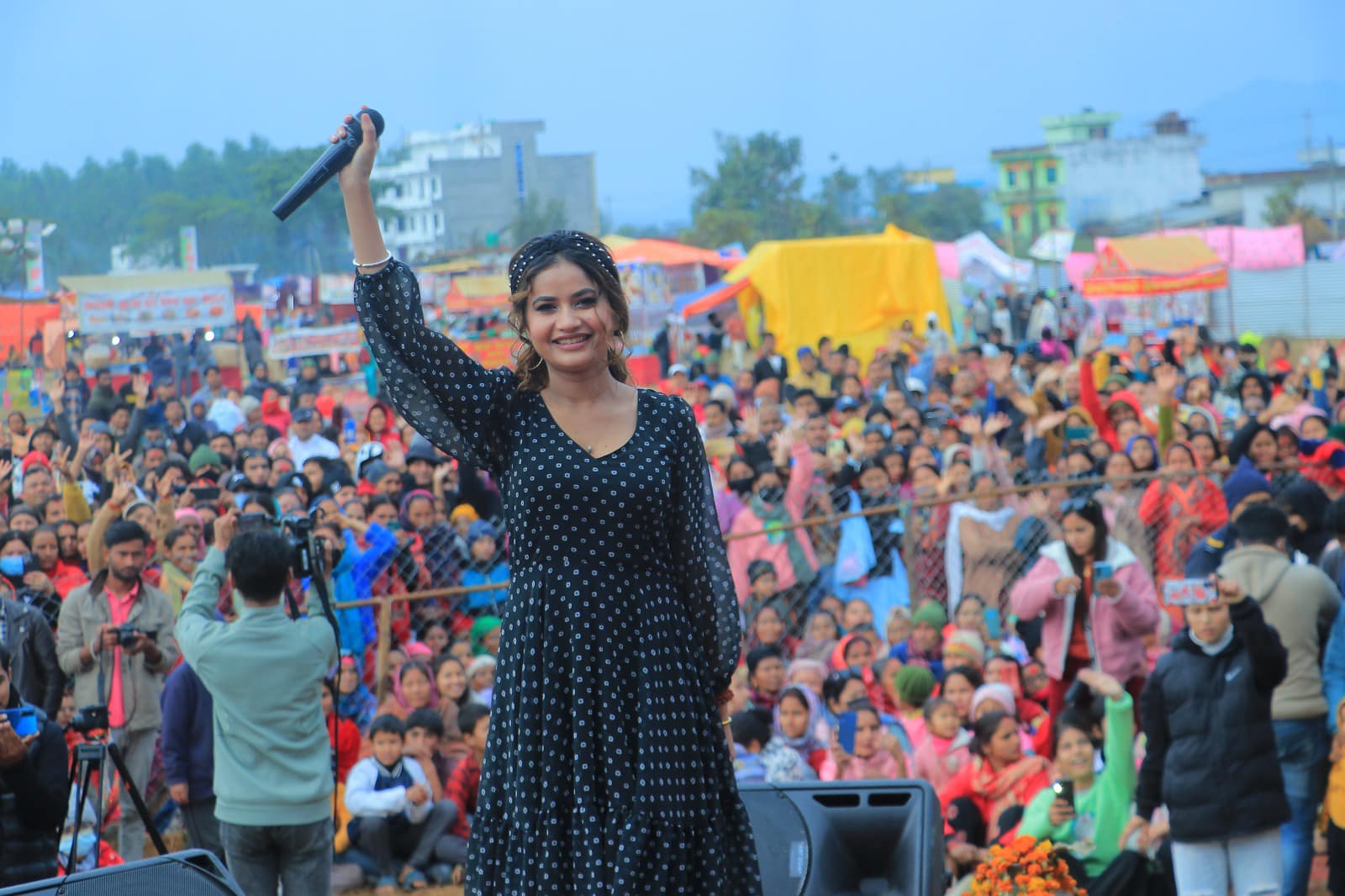
'Only the luxurious life of hit artists is seen, but who sees the tears of artists who are forced to wash dishes abroad because their future is not secure?' she says. 'Taxes should be collected from artists' earnings, but a retirement plan should be introduced so that they do not have to beg for donations for treatment in old age.' Stating that the music sector also pays a large amount of tax to the state annually like other sectors, Rai believes it should also be taken as an industry.
Fine Arts Identity and International Market
There is no lack of enthusiasm in the fine arts sector regarding the government. Stakeholders say that this sector hopes that problems like the identity of various fine arts and the international market, which were not addressed in the past, will now be solved by the current government.
Pradeep Shakya, a member of the Fine Arts Academy and a painter, says that time-relevant policies and rules are needed to take our original art to the international arena.
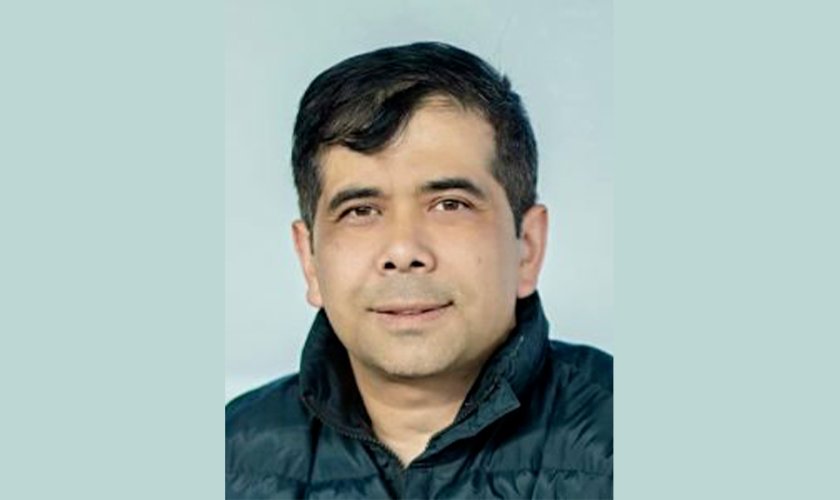
'We cannot compete with India or China by making Coca-Cola bottles,' says Pradeep about the difference between industry and culture, 'but no one can compete with us in our original art.' He believes that although the return on investment in art may not be immediately visible in numbers, it builds the country's long-term identity.
'There is a demand for our art in the world, but there is a lot of hassle in cross-border payments to sell goods abroad and bring money in,' added Pradeep. 'The government must untie the knot of problems in the banking system and payments.' He also says there are problems in the import of raw materials needed for art.
'It is necessary for the state to now make strong policies and rules, from the availability of raw materials to taking the produced art to the international market and bringing in payments easily,' says Pradeep. 'It might be difficult to make policy things initially, but once a clear and strong rule is made, it will provide great relief to the entire art sector in the long run.'
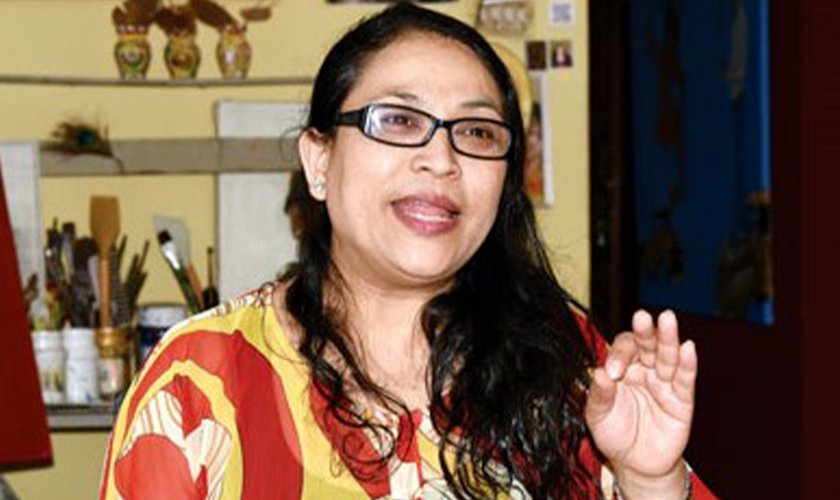
Painter Erina Tamrakar fully agrees with Pradeep. Erina, who has been active in painting for three decades, now wants no politicization in the art sector. She believes that political interference is the reason the art sector has not been able to make a big leap.
'Let there be only art in art, and let the game of middlemen stop,' says Tamrakar. 'The government should create an easy environment to send Nepali art to the global market by coordinating with the international community through government-to-government cooperation.' Tamrakar says there is a need to create an international market-oriented policy for art.
This specific news has been automatically translated by AI. As a result, there may be some inaccuracies or language errors.